Cognitive Psychology
Please review each article prior to use: grade-level applicability and curricular alignment might not be obvious from the headline alone.

Recognizing the value of phys-ed for kids
6 minute read Preview Tuesday, Sep. 1, 2026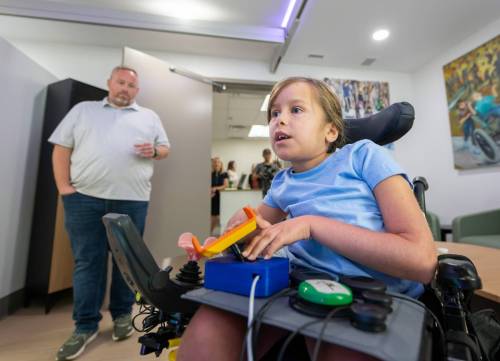
Smart Suite lets families of children with disabilities learn how adaptive design, tech can improve their lives
4 minute read Preview Wednesday, Aug. 26, 2026
Meta reaches landmark $18 billion settlement with states in trial over teen social media addiction
7 minute read Preview Saturday, Aug. 29, 2026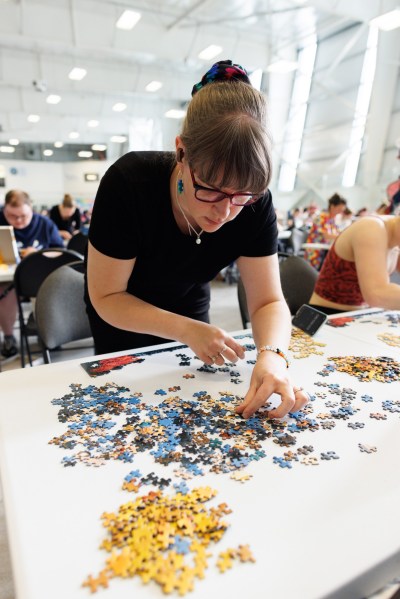
‘Absolutely stoked’: Quiet hobby gets dose of adrenalin as speed puzzling grows
5 minute read Preview Monday, Aug. 24, 2026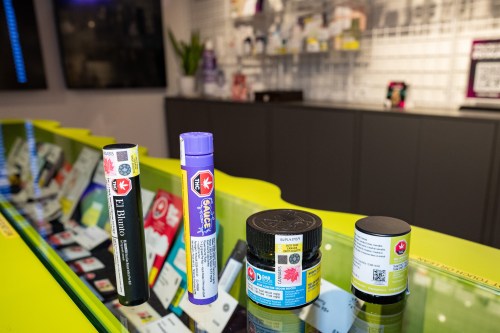
Federal government invests $24 million for cannabis and brain health research
2 minute read Preview Thursday, Aug. 13, 2026
Alberta seeks proposals for gambling addiction services as part of iGaming launch
3 minute read Preview Friday, Sep. 4, 2026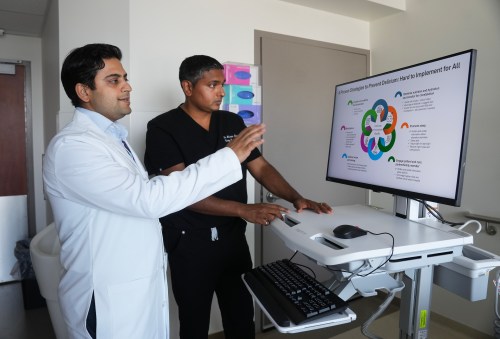
Delirium is often missed by health providers. Could an AI risk predictor help?
6 minute read Preview Monday, Aug. 10, 2026Thinking is competitive advantage
4 minute read Saturday, Aug. 1, 2026Artificial Intelligence is set to become one of the greatest productivity tools businesses have ever seen. Ironically, its greatest value comes from rewarding the people who think the best rather than those who simply use it the most.
Every credible AI expert reinforces AI is just another tool. When used properly, it is potentially very powerful and can provide some excellent value — but it is not a holistic solution to every problem your business faces. As AI becomes more efficient, it creates more time for humans to think more deeply and become more capable.
You must maintain the “human in the loop.” Unless thinking and guidance are properly connected, a business can never achieve necessary alignment.
In other words, does the AI tool do what you need it to — or meant it to — in your organization? You will only know if you set an objective, test the tool, review the results and compare them with what you intended to achieve.

Giant metal roosters spread autism acceptance in Maine after town zoning spat
5 minute read Preview Monday, Aug. 10, 2026Canada overlooks scores of workers
4 minute read Wednesday, Jul. 22, 2026Canada has a labour shortage and a labour surplus at the same time. Canada’s labour force shortages are no longer a temporary challenge. Across the country, “help wanted” signs are everywhere.
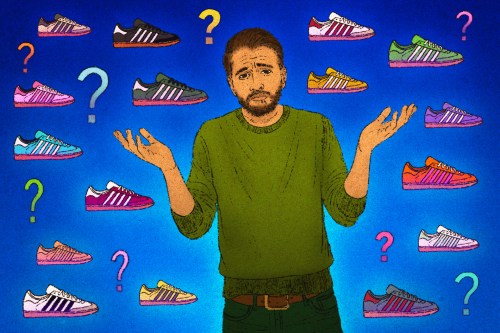
Cut the number of choices you make each day. Your brain will thank you
6 minute read Preview Monday, Aug. 17, 2026
Bruce Oake Recovery Centre staff lead participants from darkness, despair of addiction
23 minute read Preview Friday, Jun. 26, 2026
Websites suggest conspiracies fed accused Montreal gunman’s ‘buffet extremism’
5 minute read Preview Thursday, Jun. 25, 2026
South African prisons open art galleries to showcase inmates’ work
5 minute read Preview Thursday, Jun. 25, 2026
AI safety advocates say bill a good ‘first step’ on regulation, but more needed
5 minute read Preview Tuesday, Jul. 14, 2026
MPs urge action to undercut ‘manosphere’ by tackling anti-women ideology
4 minute read Preview Wednesday, Jul. 8, 2026
New Brunswick woman sues OpenAI, alleging ChatGPT led to daughter’s death
4 minute read Preview Sunday, Jul. 5, 2026
Mother of B.C. cyberbullying victim Amanda Todd welcomes federal online safety bill
3 minute read Preview Sunday, Jun. 14, 2026
Online therapy developed in Montreal helps seniors sleep better, study finds
4 minute read Preview Tuesday, Jun. 30, 2026Meet students where they are
5 minute read Friday, Jun. 5, 2026Learning disabilities are invisible, lifelong and widely misunderstood.
They are neurological conditions that affect how we process information and engage with the world around us. Dyslexia affects reading, dysgraphia impacts writing and dyscalculia affects math. Others struggle with executive functioning, affecting memory, attention, planning and organization.
Because they are not easily seen, learning disabilities can be overlooked or misinterpreted.
Many children with learning disabilities learn to cope. They work harder, stay up later, and find ways to get by. Some mask their difficulties so effectively that they appear to be OK until their efforts take more than they can give and can no longer be sustained. Those children are often left to struggle before they are understood, and support only arrives after the impact has taken hold.

Far-flung buddies celebrate four decades of annual golf trips in the city their friendships were forged
5 minute read Preview Thursday, Jun. 4, 2026
Teaching, learning are unrealistic expectations in intolerably hot classrooms
5 minute read Preview Thursday, Jun. 4, 2026
Gov. Gen. Simon launches mental health project for North, Indigenous communities
2 minute read Preview Saturday, May. 30, 2026