Science (general)
Please review each article prior to use: grade-level applicability and curricular alignment might not be obvious from the headline alone.

Researchers put hail under microscope, take stock of June 9 storm
6 minute read Preview Friday, Jun. 26, 2026
Growing number of Manitoba youths are addicted to vaping
11 minute read Preview Thursday, Jun. 25, 2026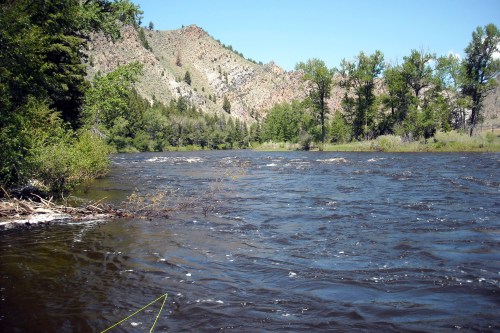
Montana DEQ works toward impairment designation for Big Hole River
6 minute read Preview Thursday, Jun. 25, 2026
What to know about earthquake early warning systems
6 minute read Preview Thursday, Jun. 25, 2026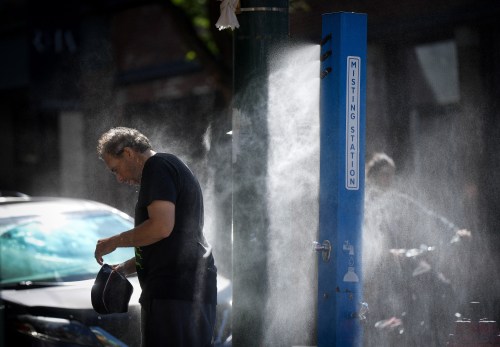
B.C. government marks 5 years since heat dome killed hundreds
5 minute read Preview Thursday, Jun. 25, 2026$17 Million In Court Settlements Is Coming To Red Hill Families
4 minute read Thursday, Jun. 25, 2026Nearly 630 of the plaintiffs affected by Navy water contamination in Central Oʻahu will receive a combined payment of $17 million in the latest batch of Red Hill court settlements announced by the U.S. Department of Justice on Wednesday.
DOJ leaders touted the move as a good-faith step toward resolving the matter, in which scores of military personnel, their families and civilian workers were sickened by tens of thousands of gallons of jet fuel spilled in 2021. Some victims, however, called the deals “a slap in the face” that don’t go nearly far enough to compensate all the damage done.
The settlements apply to family members who were sickened — not the service members themselves — and they stem from two lawsuits brought against the Navy in recent years over Red Hill contamination under the Federal Tort Claims Act, or FTCA.
Together, those suits — Feindt v. United States and Hughes v. United States — represent more than 6,500 claims.
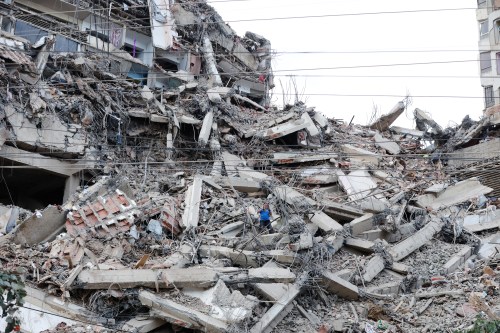
The 2 earthquakes that struck Venezuela are known as a ‘doublet.’ Here’s how they happen
4 minute read Preview Tuesday, Jul. 21, 2026
Get a load of this: Humans and great apes share similar giggles
3 minute read Preview Thursday, Jul. 30, 2026
Grade 7 students learn about environment in Seine River cleanup
4 minute read Preview Wednesday, Jun. 24, 2026
Health Canada approves weight-loss drug for sleep apnea in patients with obesity
4 minute read Preview Monday, Jun. 29, 2026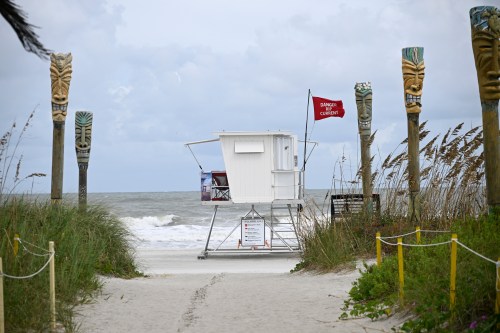
When a rip current sucks you out to sea, try not to panic
4 minute read Preview Thursday, Jun. 25, 2026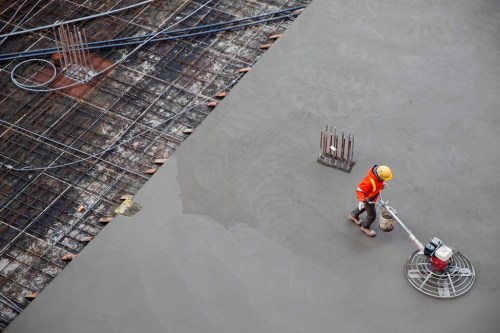
Depave paradise, tear up a parking lot
5 minute read Preview Wednesday, Jun. 24, 2026
A Serbian town is known for raspberries that are exported around the world
3 minute read Preview Thursday, Jun. 25, 2026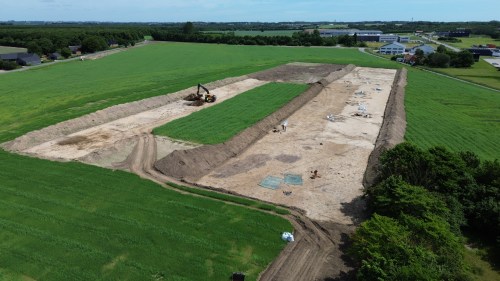
Archaeologists find huge Viking textile production site in Denmark
3 minute read Preview Thursday, Jun. 25, 2026
In a visit to Capitol, Jessie Diggins and other Olympians push for climate change solutions
6 minute read Preview Thursday, Jun. 25, 2026
COVID-19 vaccine study that was blocked from CDC journal is published elsewhere
4 minute read Preview Tuesday, Jun. 23, 2026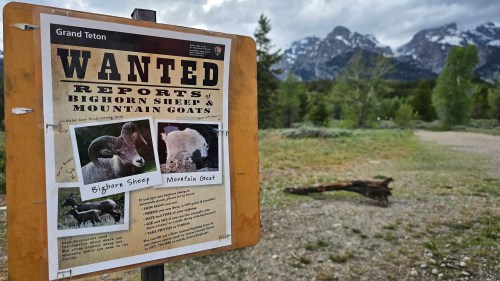
Wanted: The Teton Range’s few remaining mountain goats
6 minute read Preview Tuesday, Jun. 23, 2026
How a heat dome is formed and why experts blame one for Europe’s baking temperatures
4 minute read Preview Wednesday, Jul. 15, 2026
A soothing cup of herbal tea can begin in your garden
5 minute read Preview Wednesday, Jun. 24, 2026
AI companies should release environmental impact, commit to clean energy, says UN chief
5 minute read Preview Wednesday, Jul. 15, 2026If life hands you a data centre, grow tomatoes
4 minute read Tuesday, Jun. 23, 2026People everywhere are protesting AI data centres, with good reason. They use a lot of water and energy, and they create a lot of noise. They create relatively few ongoing jobs after construction is complete.
Electricity used to power servers at AI centres creates heat. To keep running they must be cooled. More electricity is used to power chillers to cool the computers. In summer, chillers evaporate water and dissipate heat to the atmosphere. Lots of it. A few Olympic-size swimming pools worth, even in our cold climate.
A 100 MW (100,000 kW) data centre uses enough power to heat about 10,000 homes with electric baseboard heat or an electric furnace. Or about enough to heat 80 acres of greenhouse on the coldest days of January. To put that in perspective, the recently completed Keeyask dam produces about 695 MW of power. A 100 MW data centre uses about 14 per cent of the power produced by the Keeyask dam.
In Finland, a data centre was built under downtown Helsinki. Waste heat from the data centre is recycled to heat the buildings above it.

Not just a blip in the news cycle
4 minute read Preview Monday, Jun. 22, 2026
Confronting the scourge of polio
8 minute read Preview Saturday, Jun. 20, 2026