Industry and Trade
Please review each article prior to use: grade-level applicability and curricular alignment might not be obvious from the headline alone.

Canada, Manitoba lagging behind promise to meet 2030 target of protecting more land and water
7 minute read Preview Friday, Mar. 13, 2026
Manitoba government proposes new grocery rules, rent control, some hydro hikes
3 minute read Preview Friday, Mar. 13, 2026‘Unique opportunity’: MPDA builds majority Indigenous board
4 minute read Tuesday, Mar. 10, 2026For the first time in its 30-year history, the Manitoba Prospectors and Developers Association has a majority Indigenous board of directors.

How the Iran war and surging oil prices are affecting consumers at the gas pump and beyond
7 minute read Preview Wednesday, Mar. 11, 2026
Farmers again caught in geopolitical crossfire
4 minute read Preview Saturday, Mar. 7, 2026
Carney to cap Indo-Pacific trip with Tokyo visit focused on trade, security
4 minute read Preview Friday, Mar. 6, 2026
Manitoba small businesses losing faith in U.S. as a trade partner, poll shows
4 minute read Preview Wednesday, Mar. 4, 2026
Carney says Canada, Australia hold ‘rare convening power’ in Parliament speech
5 minute read Preview Wednesday, Mar. 4, 2026
Chief says more funding needed to repair homes after power outage, flooding
4 minute read Preview Saturday, Feb. 28, 2026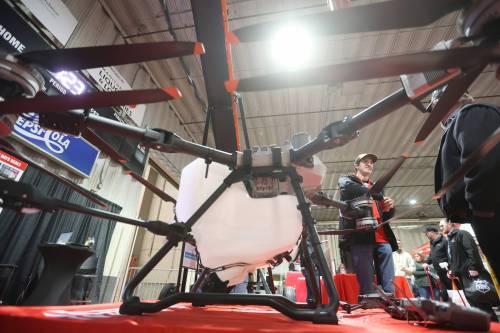
Drone application big step in crop protection
4 minute read Preview Saturday, Feb. 28, 2026
Airport land development expected to draw massive investment, create jobs in aerospace, aviation
4 minute read Preview Friday, Feb. 27, 2026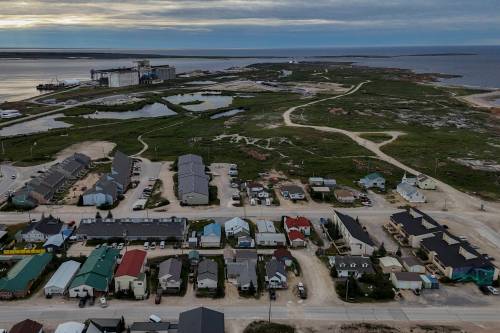
Big dreams, cold reality: Buzz builds for Port of Churchill, but risks could outweigh rewards
17 minute read Preview Friday, Feb. 27, 2026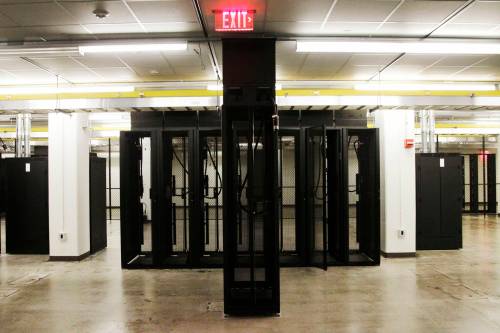
Data centres and Manitoba: a cautionary tale
5 minute read Preview Friday, Feb. 27, 2026
First Nations awaiting Hydro consults
5 minute read Preview Wednesday, Feb. 25, 2026In search of a better way to build Manitoba
4 minute read Tuesday, Feb. 24, 2026Manitoba was built through hard work, collaboration, and community. Every hospital, school, road, and bridge reflects the dedication of our construction industry. Today, the sector employs more than 57,000 Manitobans, contributes $4.2 billion annually to the provincial economy, and supports businesses in every region. We are proud of the role we play in building Manitoba’s future.
We are speaking out about the Manitoba Jobs Agreement (MJA) not to oppose the government’s goals, but to ensure public policy delivers real value, respects worker choice, and protects taxpayers. The practical consequences of the MJA are clear: fewer bidders, reduced competition, increased administrative burden, and higher project costs. When competition narrows, prices rise. When compliance complexity grows, risk premiums follow. All of this lands on a provincial budget already facing structural deficits.
The MJA imposes a specific labour relations structure on provincially funded projects exceeding $50 million. Successful bidders must hire union card-holding workers first if their own workforce is insufficient. Union membership becomes the deciding factor — not skill, experience, or performance. If the goal is to ensure Manitobans work on these projects, there is a simple solution: require contractors to certify that their workforce consists of Manitoba residents. A union card should not determine who is entitled to work on taxpayer-funded infrastructure. The agreement also introduces entirely new costs. All employers must pay 85 cents per hour worked to the Manitoba Building Trades Council; an unprecedented charge in Manitoba construction. On a typical school project, this payment alone can exceed $250,000, with no measurable benefit to taxpayers.
Open-shop contractors face additional costs, including compulsory union dues, numerous union fund contributions, and payments to third parties. Taken together, these requirements will add millions of dollars to publicly funded projects. It’s money that could otherwise be invested directly in classrooms, hospitals, and infrastructure.
Festival du Voyageur and the modern fur industry
5 minute read Tuesday, Feb. 24, 2026Festival du Voyageur, which wrapped up its 57th annual run this past weekend, is hard to pin down.
It is Western Canada’s largest winter festival and francophone event. It celebrates Indigenous history and culture. It used to hold staged gunfights or “skirmishes” and a casino.
It can be easy to forget that Festival du Voyageur is at its core a celebration of Canada’s fur trade history. Without the fur trade, there would be no Canada as we know it. Among other things, it was the engine of French settlement in North America and gave birth to the Metis Nation. At the same time, the fur trade had profound and lasting negative impacts on Indigenous communities and devastated local populations of beavers and other animals. Any event that commemorates a history as deeply contentious as that of the fur trade — especially one that draws tens of thousands of people each year — must do so responsibly.
Festival du Voyageur agrees.

Brandon-based Cando Rail & Terminals purchases Utah-based Savage Rail, absorbs 700+ U.S. employees
4 minute read Preview Monday, Feb. 23, 2026
Data centres and infrastructure: an expensive pairing
4 minute read Preview Friday, Feb. 20, 2026North at risk from ‘old battles,’ federal spending priorities, Axworthy says
5 minute read Thursday, Feb. 19, 2026Canada risks falling into a pattern of fighting “old battles” in the North — while ramping up defence spending — as it cuts funding to handle wildfires and internal migration, former federal minister Lloyd Axworthy warns.

U.S. International Trade Commission launches CUSMA rules-of-origin auto investigation
3 minute read Preview Saturday, Feb. 21, 2026
With new American pressure, will Cuba fall?
5 minute read Preview Wednesday, Feb. 18, 2026
Cuban drivers face monthslong wait for gasoline in a government app designed to reduce lines
5 minute read Preview Wednesday, Feb. 18, 2026
When it comes to fixing health care, province must follow doctors’ orders
5 minute read Preview Thursday, Feb. 12, 2026