Social Studies Grade 9: Canada in the Contemporary World
Please review each article prior to use: grade-level applicability and curricular alignment might not be obvious from the headline alone.
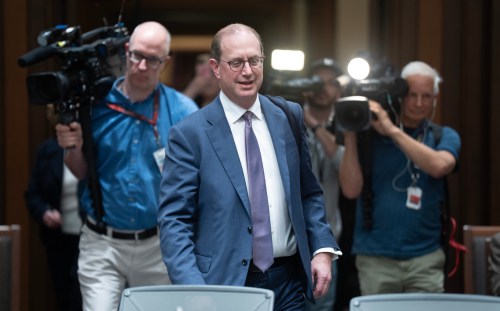
‘It’s all going to be OK’: Canada’s U.S. ambassador tries to ease CUSMA anxiety
4 minute read Preview Tuesday, Jun. 16, 2026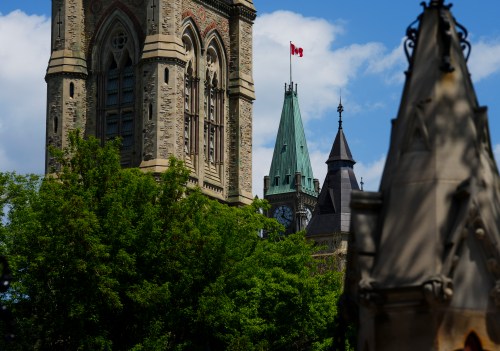
Ottawa introduces privacy bill covering children’s data, right to request deletion
4 minute read Preview Tuesday, Jul. 7, 2026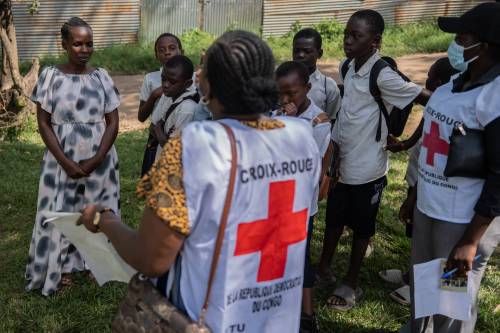
Manitoba’s role in a distant Ebola outbreak
5 minute read Preview Monday, Jun. 15, 2026
Taking Pride in what’s been built
4 minute read Preview Monday, Jun. 15, 2026
‘We’re doing a lot’: Manitoba Lt.-Gov., proud of reconciliation work being done
3 minute read Preview Saturday, Jun. 13, 2026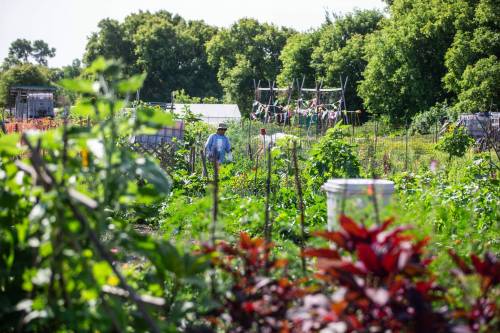
Community gardens, urban farms more than hobby spaces, report authors say
5 minute read Preview Saturday, Jun. 13, 2026Halting social media harm requires national solution
5 minute read Saturday, Jun. 13, 2026THE federal Liberal government’s proposed legislation to ban or restrict social media access for children under 16 appears to be a sensible approach to one of the most difficult public policy challenges of the digital age.
Whether Canadians ultimately support a ban, limited restrictions or exemptions for platforms that can demonstrate adequate safeguards, one thing is becoming increasingly clear: if governments are going to regulate children’s access to social media, it makes far more sense to do it at the federal level than through a patchwork of provincial laws.
That’s particularly relevant in Manitoba, where the provincial government has been exploring its own options to restrict social media use among young people.
The intentions are understandable. Parents, educators, health-care professionals and policymakers are becoming increasingly alarmed about the effects social media is having on many children and teenagers.
Church archivists swamped with requests for docs
5 minute read Saturday, Jun. 13, 2026There’s a rule in nature that you can’t only do one thing. If you dam a river to make hydroelectricity, you will impede the fish trying to swim upriver to spawn. If you drain wetlands, flooding usually increases elsewhere. If you remove trees from steep slopes, erosion results.
In December, last year, Canada experienced the truth of that rule in another way. That’s when Parliament passed Bill C-3 to extend citizenship to those born outside of Canada.
The new rules retroactively restore Canadian citizenship to someone who was born outside of Canada before December 15, 2025 and who can prove that an ancestor, such as grandparent or great-grandparent, was a Canadian citizen on or after January 1, 1947.
Called the Act to Amend the Citizenship Act, the bill was designed to fix a problem that arose after an Ontario court ruled the “first-generation limit” on citizenship was unconstitutional.
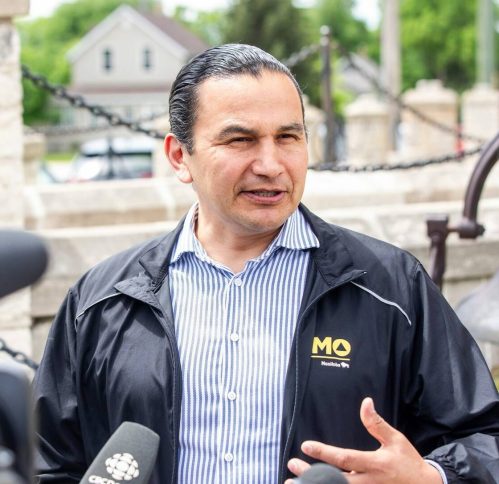
‘Fentanyl fold’ on city streets stresses prompt need for supervised consumption site: premier
3 minute read Preview Friday, Jun. 12, 2026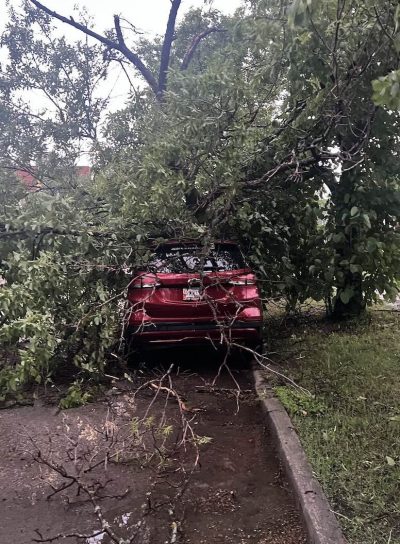
Storm insurance claims could set Manitoba record
6 minute read Preview Friday, Jun. 12, 2026
Winkler hosts first LGBTTQ+ celebration Saturday
6 minute read Preview Friday, Jun. 12, 2026
New Brunswick woman sues OpenAI, alleging ChatGPT led to daughter’s death
4 minute read Preview Sunday, Jul. 5, 2026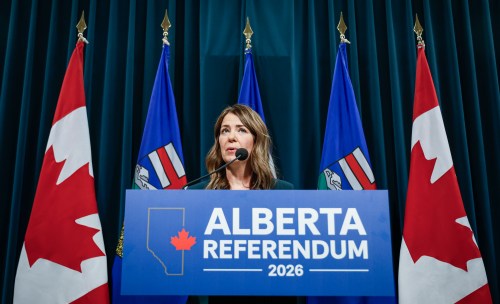
Alberta picks university to cost out separation, panel to assess ahead of referendum
5 minute read Preview Sunday, Jun. 14, 2026
Small grocers embrace Ottawa’s national food security strategy
5 minute read Preview Sunday, Jul. 5, 2026
Winnipeg police warn of nihilistic violent extremism targeting children
5 minute read Preview Friday, Jun. 12, 2026
Ottawa moves to tighten rules barring forced labour products from Canada
6 minute read Preview Sunday, Jun. 14, 2026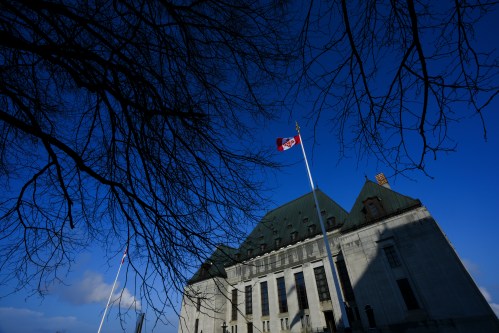
Supreme Court rules New Brunswick lieutenant-governor must be bilingual
4 minute read Preview Sunday, Jul. 5, 2026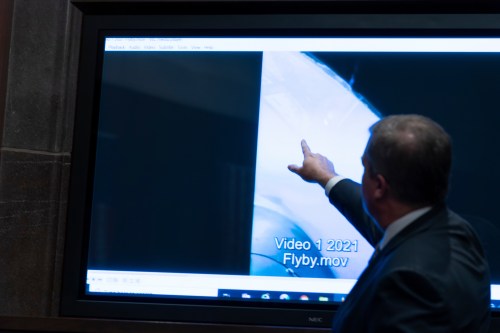
As UFOs go mainstream, the jury is out on what the existence of alien life might mean for religion
6 minute read Preview Sunday, Jun. 14, 2026
Carney announces new intelligence exchange agreement with France
6 minute read Preview Sunday, Jun. 14, 2026
B.C. firm ‘over the moon’ about contract to chart Canada’s role in lunar exploration
4 minute read Preview Sunday, Jun. 14, 2026
Next-generation 911 coming to Manitoba by early 2027
4 minute read Preview Friday, Jun. 12, 2026
A tale of two bridges and one president
4 minute read Preview Friday, Jun. 12, 2026Education, reconciliation and Murray Sinclair
4 minute read Friday, Jun. 12, 2026"Education got us into this mess and education will get us out of it.” With these familiar and powerful words, the late Justice Murray Sinclair, chair of the Truth and Reconciliation Commission, pointed deliberately and necessarily to education as the key to reconciliation.