Power and Authority
Please review each article prior to use: grade-level applicability and curricular alignment might not be obvious from the headline alone.
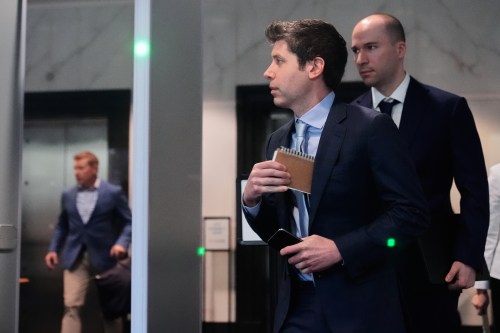
OpenAI faces 30 new lawsuits from witnesses to mass shooting in Tumbler Ridge, B.C.
6 minute read Preview Friday, Sep. 4, 2026
Élections Québec says it’s too late to print voter documents in English
5 minute read Preview Friday, Sep. 4, 2026
Canadian Tire and Tim Hortons launch partnership to boost loyalty programs
3 minute read Preview Friday, Sep. 4, 2026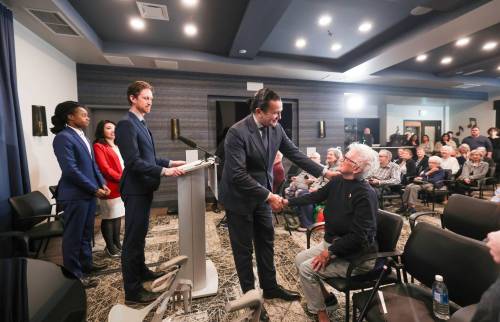
Long-term care best when public
4 minute read Preview Wednesday, Sep. 2, 2026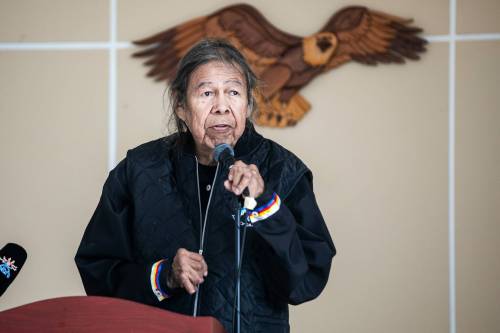
Renewed spirit and life: Indigenous treatment centre expands with $21-M revamp
5 minute read Preview Tuesday, Sep. 1, 2026
Schwartz’s Deli swaps black cherry soda for local alternative as U.S. tariffs bite
6 minute read Preview Friday, Sep. 4, 2026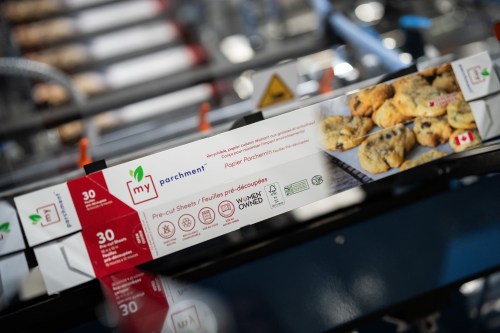
Local demand surges for Canadian-made food and household goods, but retailers lag
5 minute read Preview Wednesday, Sep. 2, 2026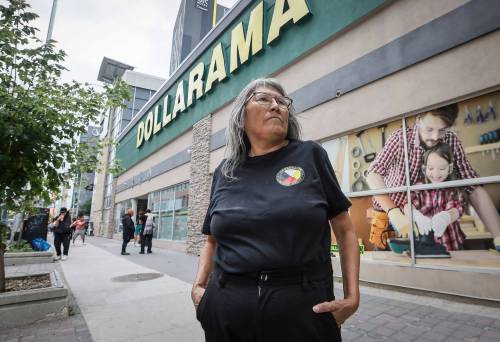
Security company rolling out Indigenous ambassador program
6 minute read Preview Monday, Aug. 31, 2026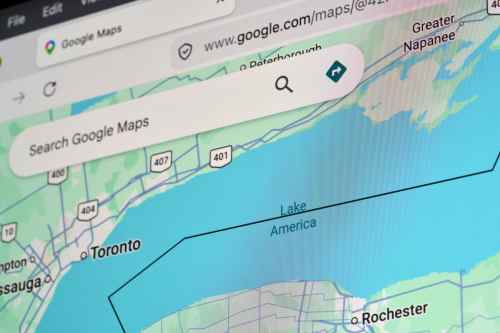
Author says Trump’s ‘Lake America’ order driving hits to guide on ditching U.S. tech
4 minute read Preview Tuesday, Sep. 1, 2026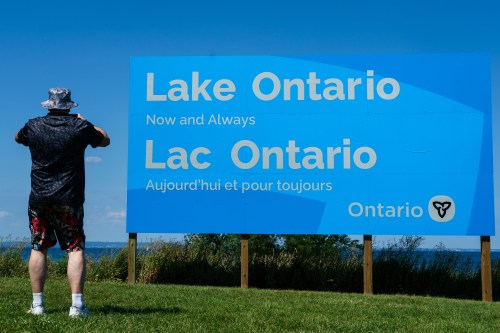
Trump contacted Apple directly to change name of Lake Ontario to Lake America: Burgum
5 minute read Preview Tuesday, Sep. 1, 2026
Amid backlash, museum cancels planned Met Gala exhibit on fashion designer John Galliano
6 minute read Preview Tuesday, Sep. 1, 2026Trump: Ozymandias revisited?
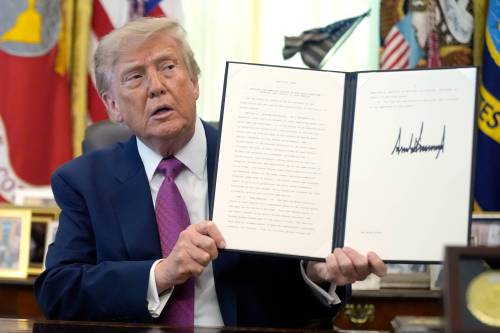
5 minute read Monday, Aug. 31, 2026In 1818, Percy Bysshe Shelley, inspired by the shattered statue of the most powerful Egyptian Pharaoh, Ramses II, wrote the sonnet Ozymandias as a comment on human hubris and impermanence. It provides a fitting epithet for the imperialistic forays of the current United States’ president and would-be autocrat, Donald J. Trump.
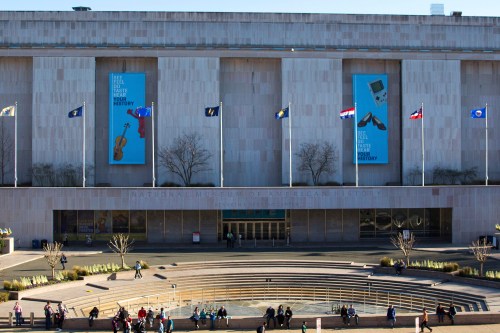
History not meant to be nice and comforting
5 minute read Preview Monday, Aug. 31, 2026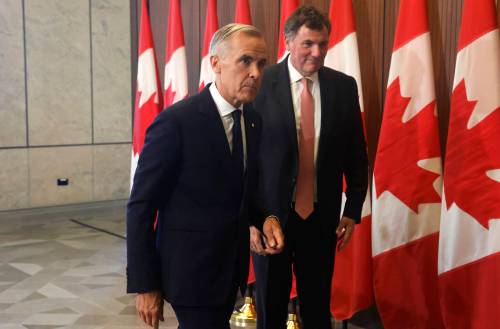
Knowing history — and not repeating it
5 minute read Preview Monday, Aug. 31, 2026
Lake Ontario now called Lake America on Google Maps for US users after Trump ordered name change
2 minute read Preview Monday, Aug. 31, 2026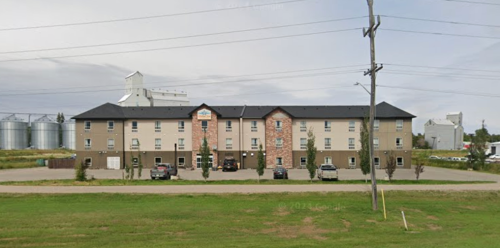
Foreign workers at Manitoba hotel are owed $138K in unpaid wages and fees, labour board rules
4 minute read Preview Sunday, Aug. 30, 2026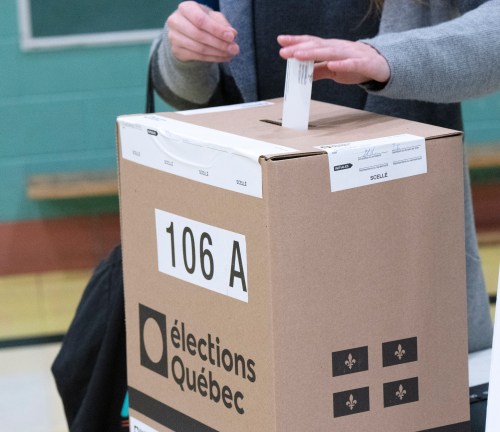
Candidates talk affordability on Day 4 of Quebec’s election campaign
4 minute read Preview Monday, Aug. 31, 2026
Icelandic voters reject a proposal to restart negotiations to join the European Union
5 minute read Preview Monday, Aug. 31, 2026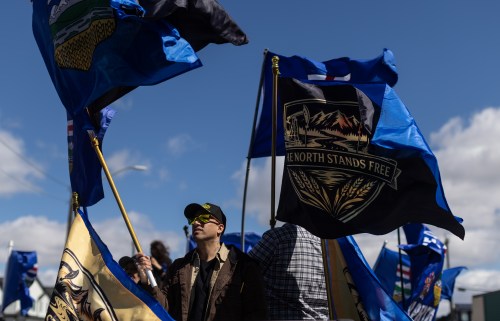
Separatists hold independence rally in lead-up to Alberta’s birthday bash
5 minute read Preview Monday, Aug. 31, 2026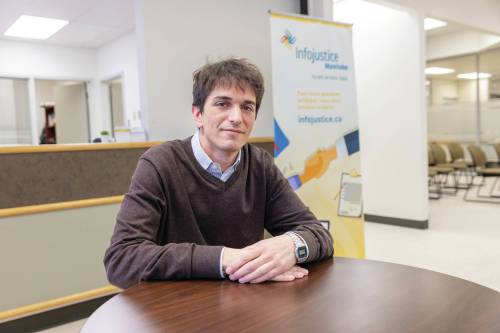
Assurer la continuité bilingue
4 minute read Preview Saturday, Aug. 29, 2026Gaza reporter’s Muslim faith helps him as journalist
5 minute read Saturday, Aug. 29, 2026“We are not numbers.”
That’s what Diaa Ostaz, a reporter in Gaza for ONE Magazine — the official publication of the Catholic Near East Welfare Association — and for ABC News, said earlier this month during a Zoom recording from the territory.
Ostaz, 26, was speaking about the many who have died in Gaza since October, 2023. According to the United Nations, that’s over 73,000 people killed and more than 173,000 injured since that time. At least 20,000 of the dead are children, with more than 44,000 injured.
The numbers of killed and injured in Gaza are staggering, but people there are not statistics, Ostaz said.
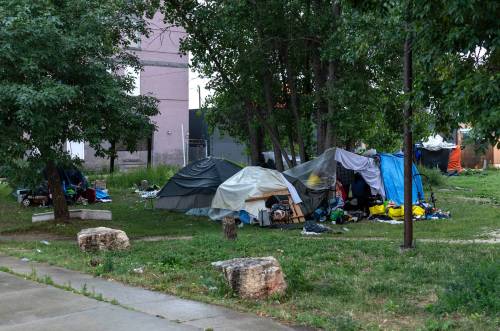
City advised 275 people in 72 camps as of July
5 minute read Preview Friday, Aug. 28, 2026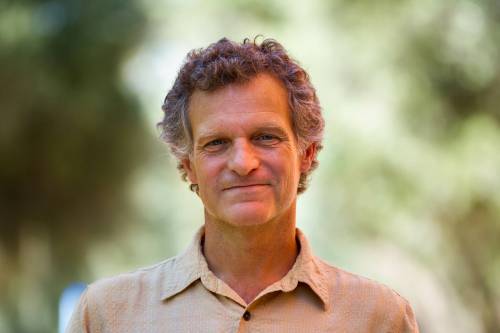
U of M research role expands after $79-M federal injection
5 minute read Preview Friday, Aug. 28, 2026