Youth culture
Please review each article prior to use: grade-level applicability and curricular alignment might not be obvious from the headline alone.
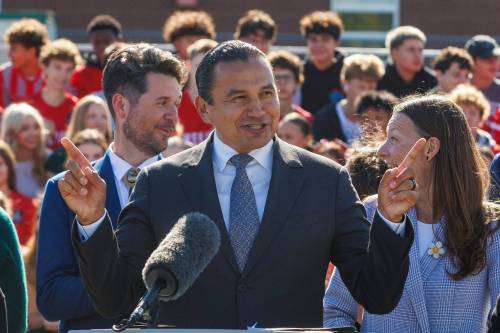
Wab Kinew as ‘communicator in chief’
6 minute read Preview Monday, Sep. 28, 2026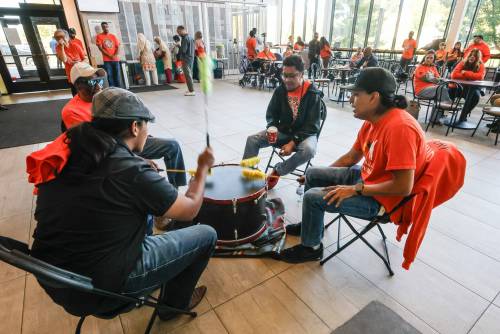
Local Muslims, Indigenous people hold interfaith event
3 minute read Preview Sunday, Sep. 27, 2026
Province invests $3.8M in culinary arts training facility for francophone high school students
3 minute read Preview Sunday, Sep. 27, 2026
Puck drops on new-look NHL broadcasting scene after major off-season changes
5 minute read Preview Monday, Sep. 28, 2026
Students from France visit Winnipeg to learn about soldiers who helped liberate their country
4 minute read Preview Saturday, Sep. 26, 2026
Gordon Bell students relish — ‘of all things’ — new pickleball courts
4 minute read Preview Saturday, Sep. 26, 2026A Recent Maggie Macintosh piece (Enrolment up at alternative schools, Sept. 7) and several letters to the editor touted the benefits and values of private schooling. The executive director of the Manitoba Federation of Independent Schools, Andrew Micklefield, emphasized schools of choice and governmental cost-saving. A private, formerly public, schoolteacher emphasized finances, academics and parental support.
None are wrong in their arguments, but they are missing the main reasons for the existence of public schools, which has less to do with money and academics than with inclusion and equality. Nor do they adequately acknowledge the downsides of exclusion and elitism fostered by some aspects of choice and inequality. The increase in numbers of private schools and their attendees is a cause for some public concern.
Micklefield’s assertion is that private schools save the government money. Letter-writer Paulo Borges intimates he saves the province $52,500 ($15,000 each for three home-schooled children and $7500 for one private-school tuition), further suggesting that the savings are not used wisely by governments in supporting public schools.
In the front-page article, Micklefield and others go further to suggest that the main reason parents choose private schools is to receive an education in a Christian setting. That is a very limited rationale and certainly does not include the much larger variety of reasons why people choose private schooling or an even more restricted version of schools of choice, home schooling.
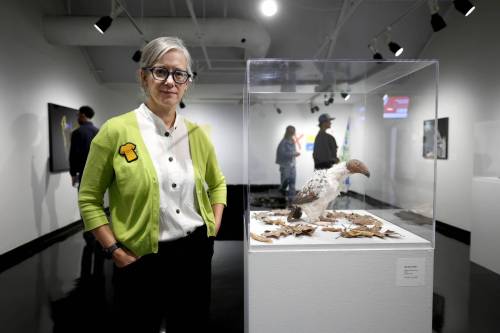
U of W marks gallery’s anniversary with group alumni exhibition
6 minute read Preview Friday, Sep. 25, 2026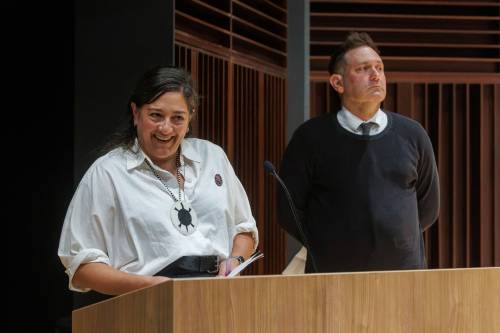
U of W marks 10 years of Indigenous education requirement
5 minute read Preview Friday, Sep. 25, 2026
Global prediction markets, local presence
5 minute read Preview Thursday, Sep. 24, 2026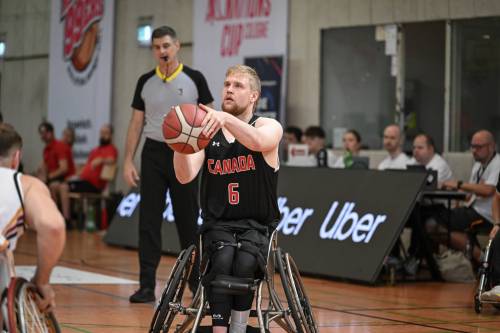
East St. Paul product’s next wheelchair basketball chapter in Spain’s best men’s division
5 minute read Preview Thursday, Sep. 24, 2026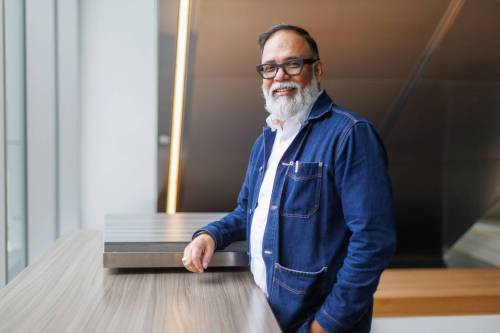
Indigenous Sports Fund listening to level playing field
4 minute read Preview Wednesday, Sep. 23, 2026Students in Manitoba are facing additional costs at a time when many are already struggling with the rising cost of living, despite repeated promises from the provincial government to make life more affordable.
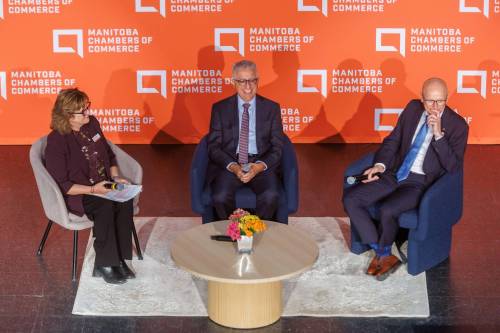
RRC Polytech among schools selected to train RCAF aircraft technicians
5 minute read Preview Tuesday, Sep. 22, 2026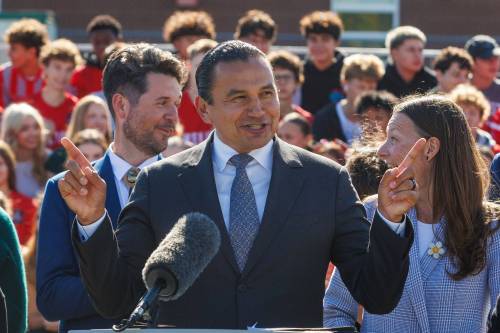
Manitoba students able to opt out of classes with sensitive lessons on sex, drug use
6 minute read Preview Tuesday, Sep. 22, 2026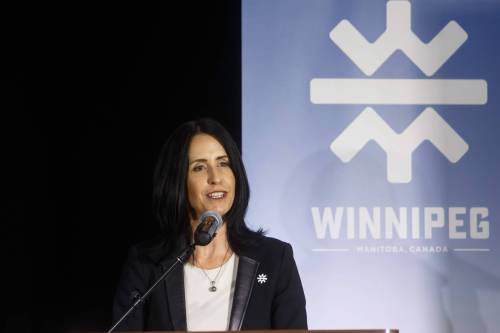
Decorated business vet Spiring announced as NSL Winnipeg president
5 minute read Preview Tuesday, Sep. 22, 2026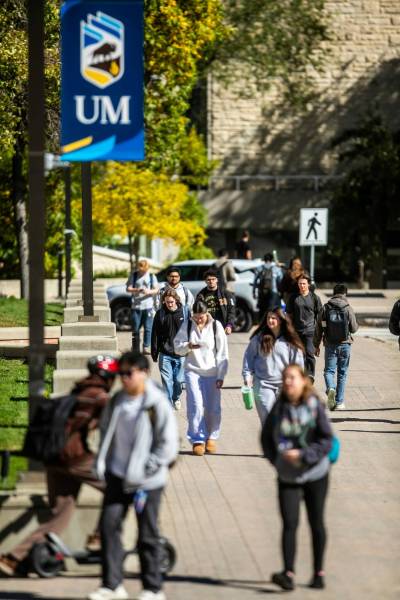
Post-secondary leaders to discuss cross-campus collaborations
4 minute read Preview Tuesday, Sep. 22, 2026
Thief steals almost $70K in Pokémon cards from flea-market owner
5 minute read Preview Monday, Sep. 21, 2026
‘La Bola Negra’ wins TIFF’s People Choice Award, putting it on Oscar path
3 minute read Preview Tuesday, Sep. 22, 2026
New health curriculum puts emphasis on harm reduction
4 minute read Preview Saturday, Sep. 19, 2026Province applauds apprenticeship numbers
4 minute read Friday, Sep. 18, 2026Apprentice use at build sites of the Victoria General Hospital emergency room and four new schools has doubled expectations, the Manitoba government reported on Friday.
The construction projects are subject to Manitoba Jobs Agreements, a controversial policy the New Democrats unveiled last year.
Through the contracts, at least 10 per cent of construction hours must be worked by apprentices. So far, apprentices have covered 21 per cent of hours, Public Service Delivery Minister Mintu Sandhu said.
Work on the schools and Winnipeg emergency room — the first Manitoba Jobs Agreement projects — began this year. The overall number of hours worked wasn’t available by end of day Friday.
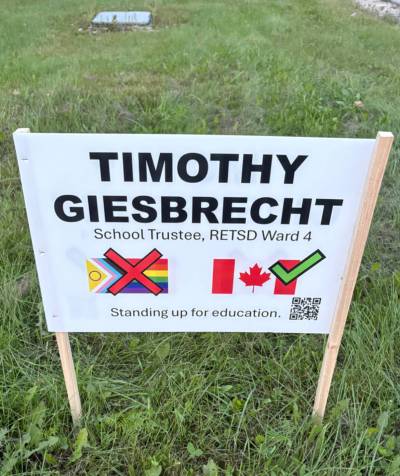
‘Parental rights’ issue resurfaces
5 minute read Preview Thursday, Sep. 17, 2026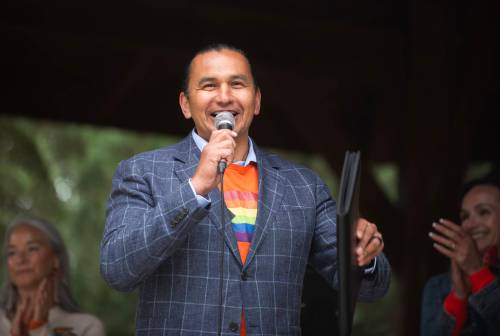
Food literacy curriculum on the menu
5 minute read Preview Wednesday, Sep. 16, 2026