Former judge and senator Murray Sinclair dies at 73
Read this article for free:
or
Already have an account? Log in here »
To continue reading, please subscribe:

Digital Subscription
One year of digital access for only $205*
- Enjoy unlimited reading on winnipegfreepress.com
- Read the E-Edition, our digital replica newspaper
- Access News Break, our award-winning app
- Play interactive puzzles
*First annual payment billed as $205.00 + GST for one year. This annual subscription will automatically renew at $233.00 + GST every 52 weeks (10% off the regular annual price of $259.35). Offer available to new and qualified returning subscribers only. Cancel any time.
To continue reading, please subscribe:
Add Free Press access to your Brandon Sun subscription for only an additional
$1 for the first 4 weeks*
- Enjoy unlimited reading on winnipegfreepress.com
- Read the E-Edition, our digital replica newspaper
- Access News Break, our award-winning app
- Play interactive puzzles
*Your next Brandon Sun subscription payment will increase by $1.00 and you will be charged $17.95 plus GST for four weeks. After four weeks, your payment will increase to $24.95 plus GST every four weeks.
Read unlimited articles for free today:
or
Already have an account? Log in here »
Hey there, time traveller!
This article was published 04/11/2024 (651 days ago), so information in it may no longer be current.
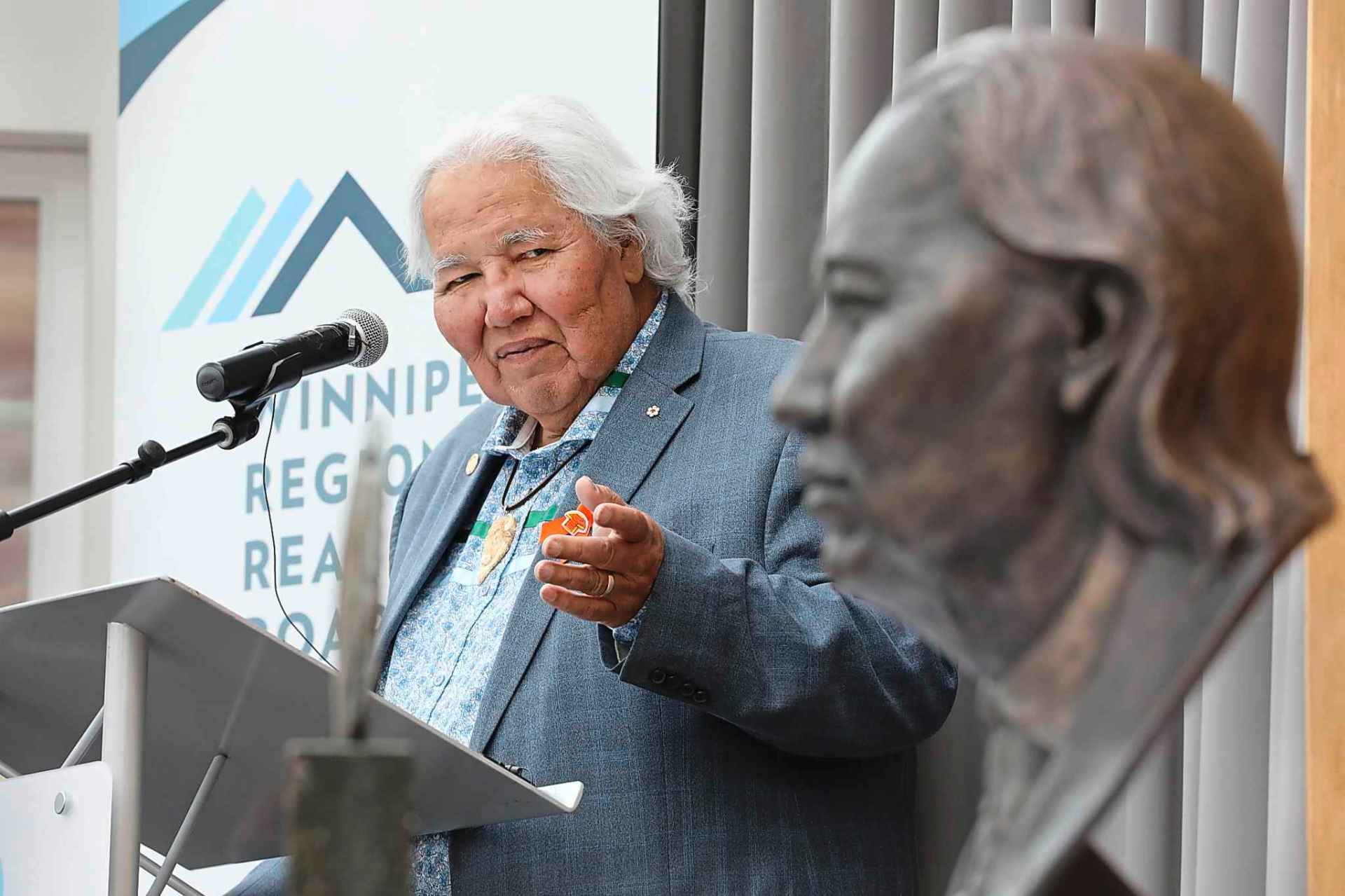
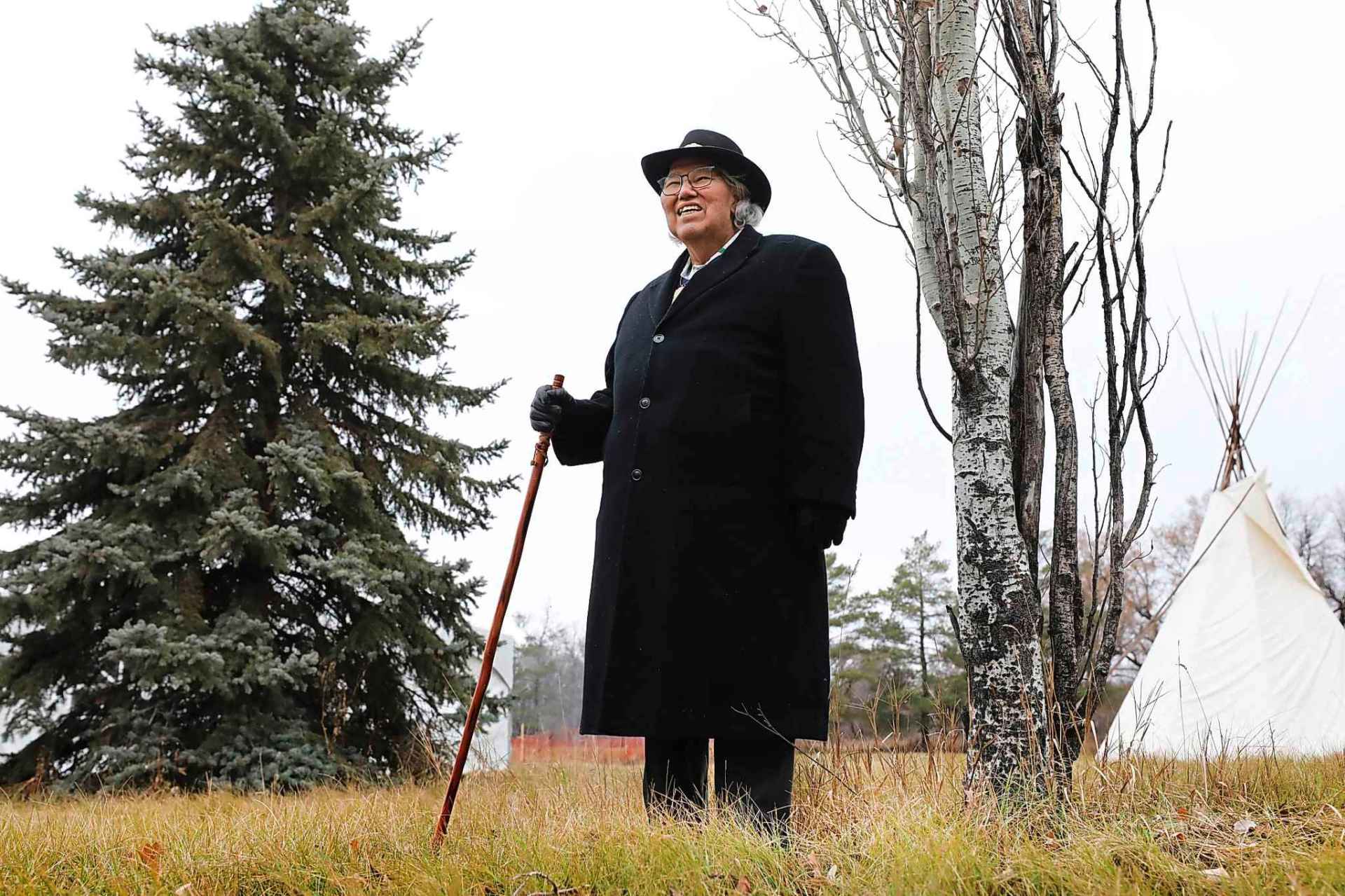
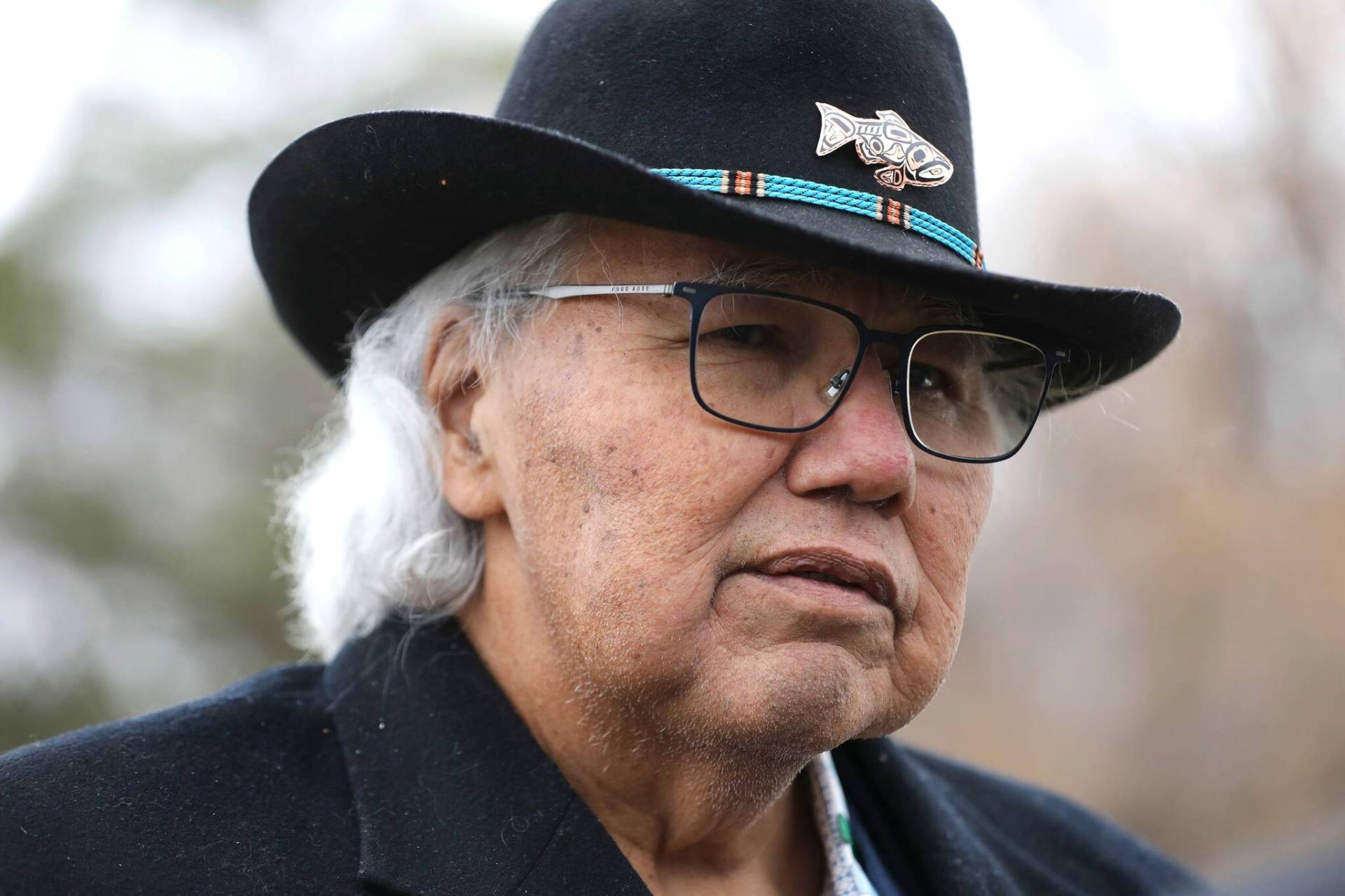
Whether as a lawyer, judge, commissioner of the Truth and Reconciliation Commission, senator, or family man, Murray Sinclair is being remembered for bringing reconciliation to the national consciousness to change the lives of Indigenous people in Manitoba and across the country.
Sinclair, whose spirit name was Mizhana Gheezhik (The One Who Speaks of Pictures in the Sky) died early Monday at St. Boniface Hospital surrounded by family. He was 73.
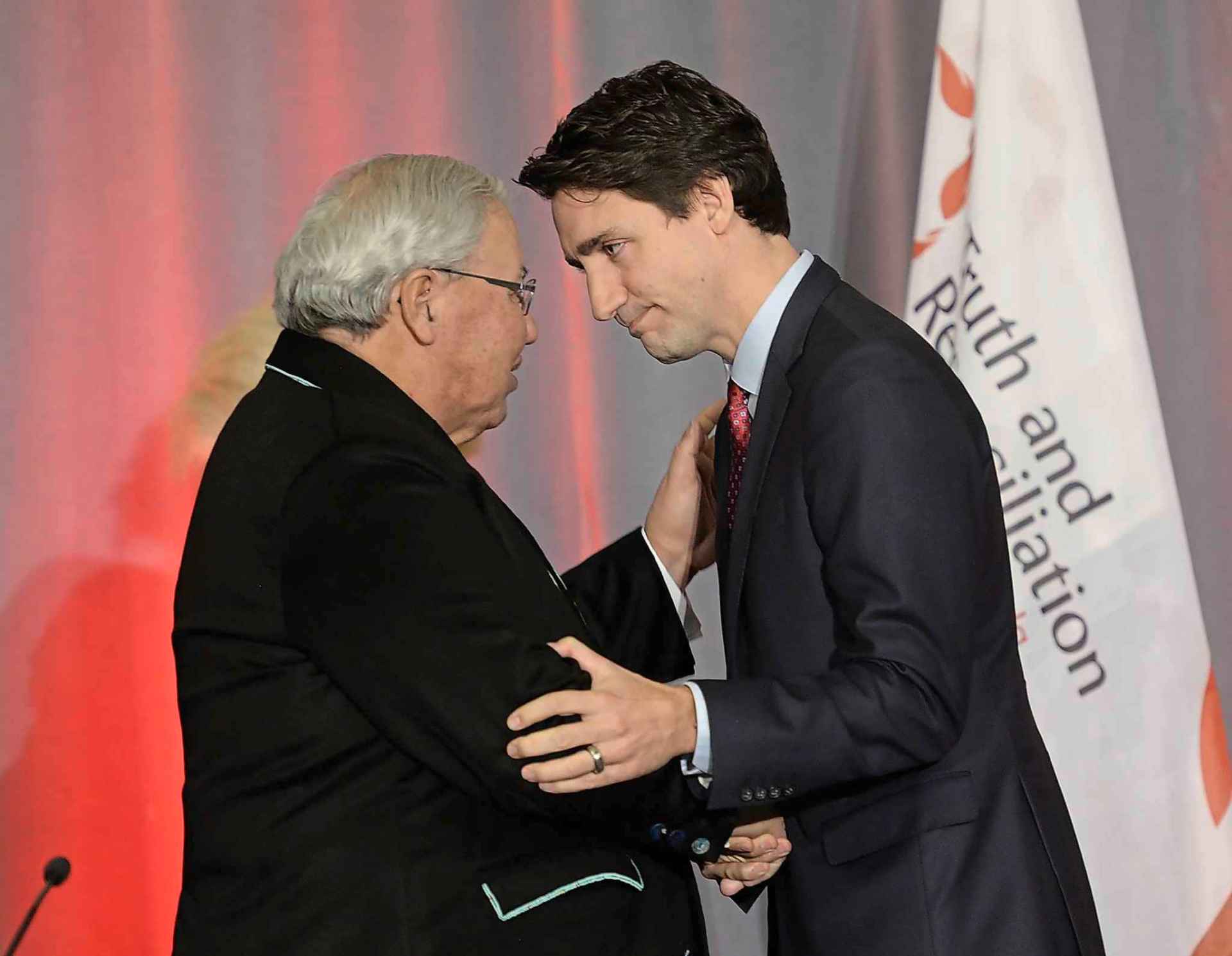
Prime Minister Justin Trudeau paid tribute to Sinclair both on social media and in the House of Commons saying he “leaves behind an extraordinary legacy.
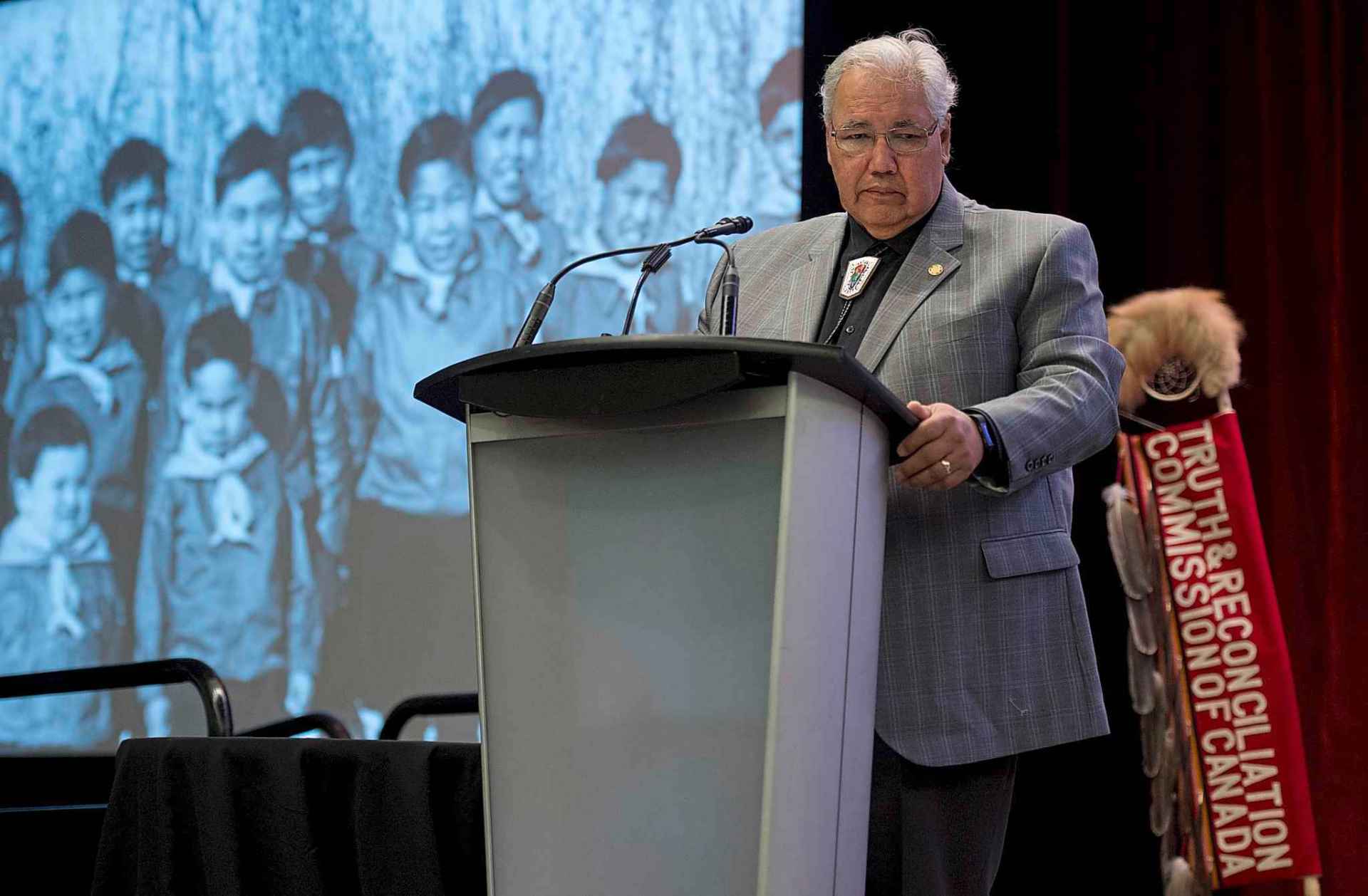
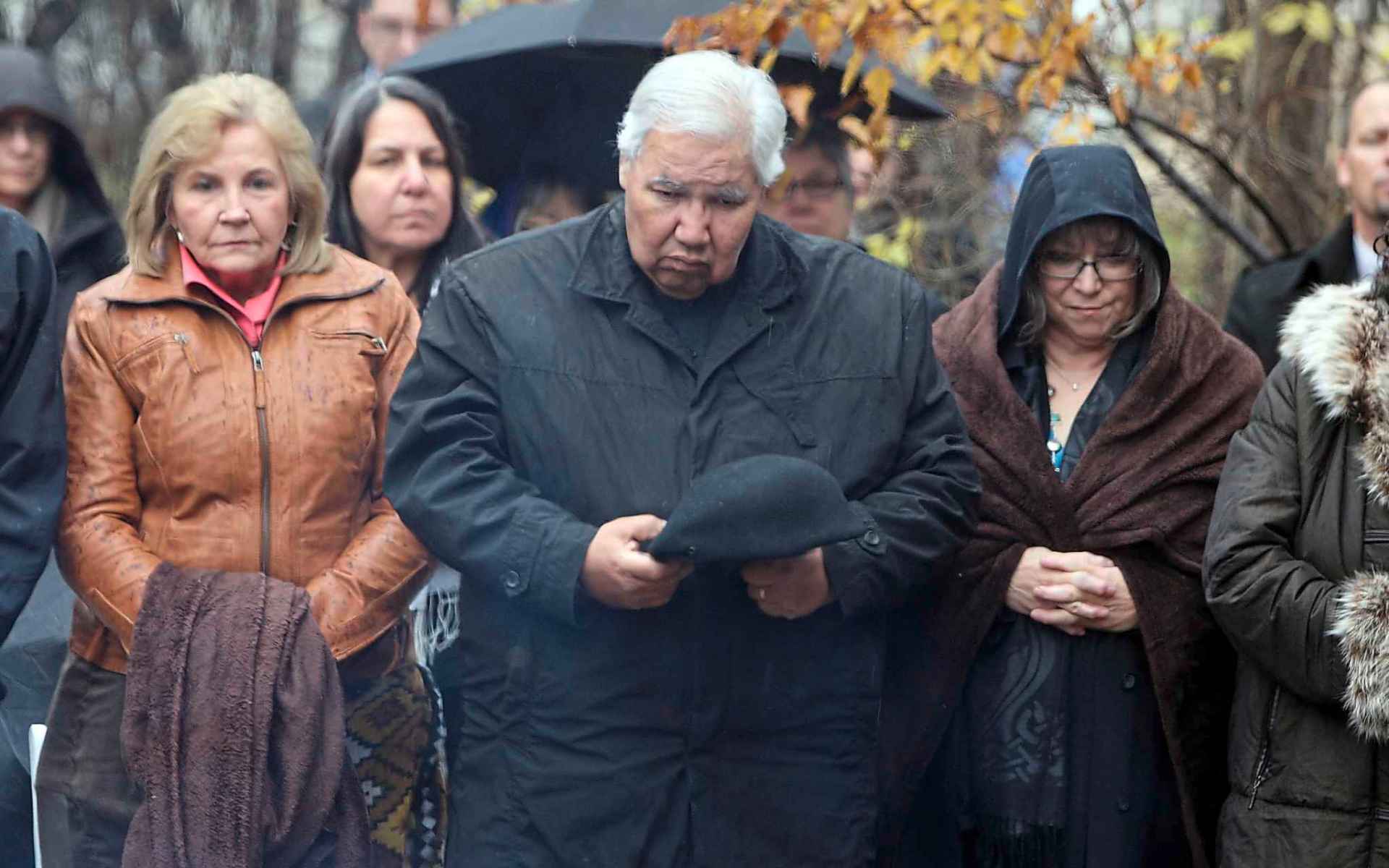
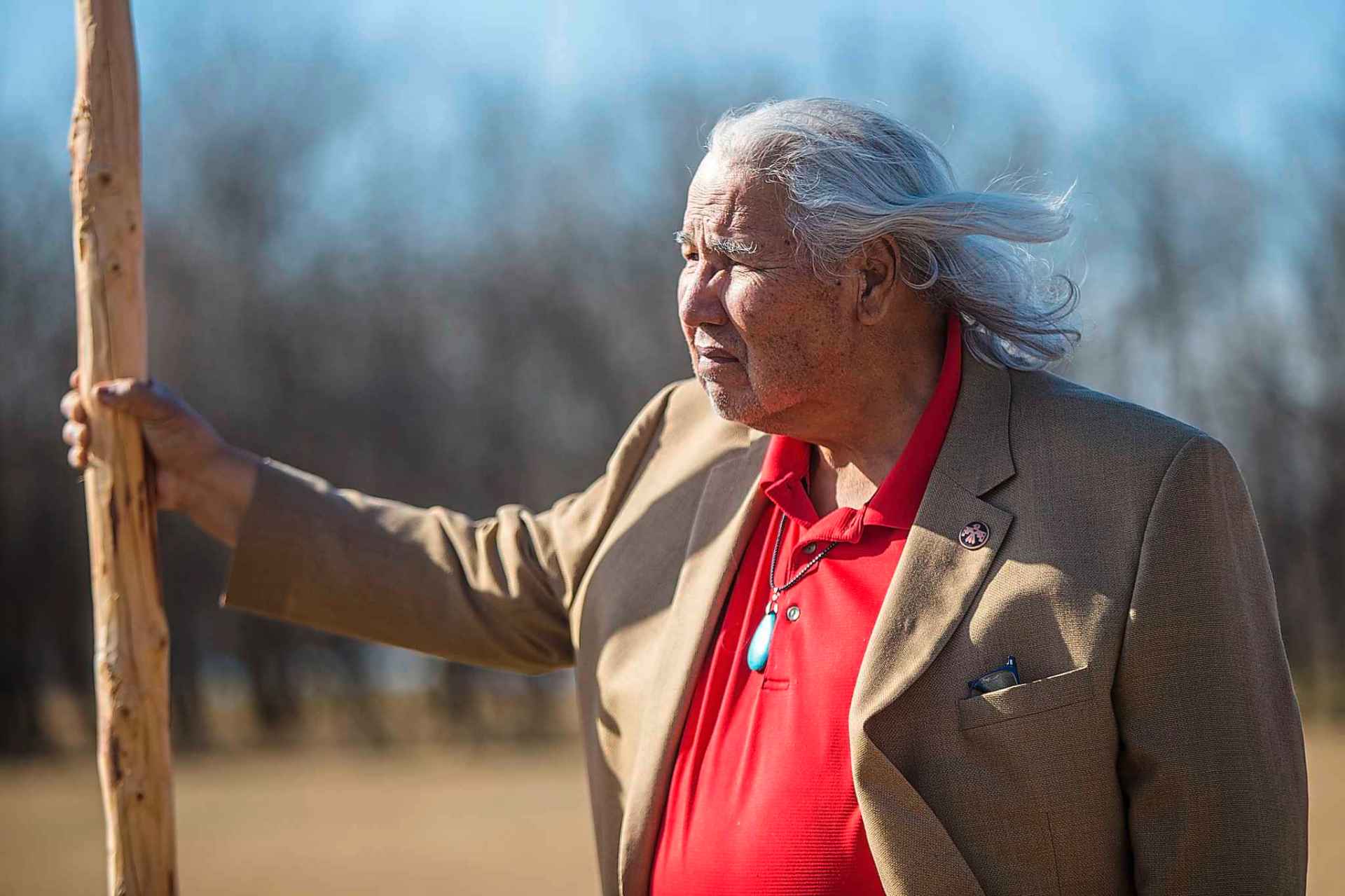
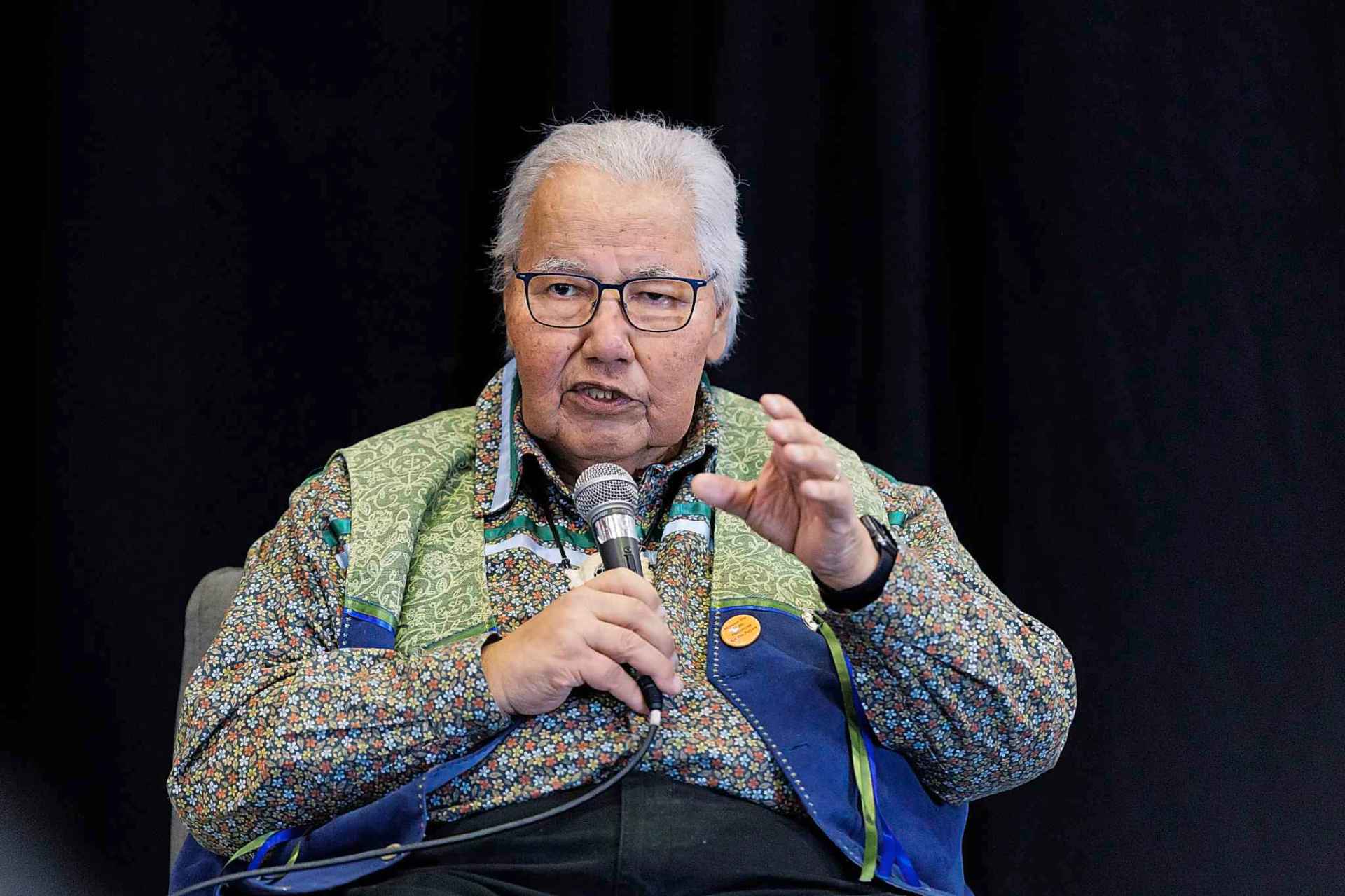
The Hon. Murray Sinclair, Commissioner of the Truth and Reconciliation Commission, in 2022. (Ruth Bonneville / Free Press files)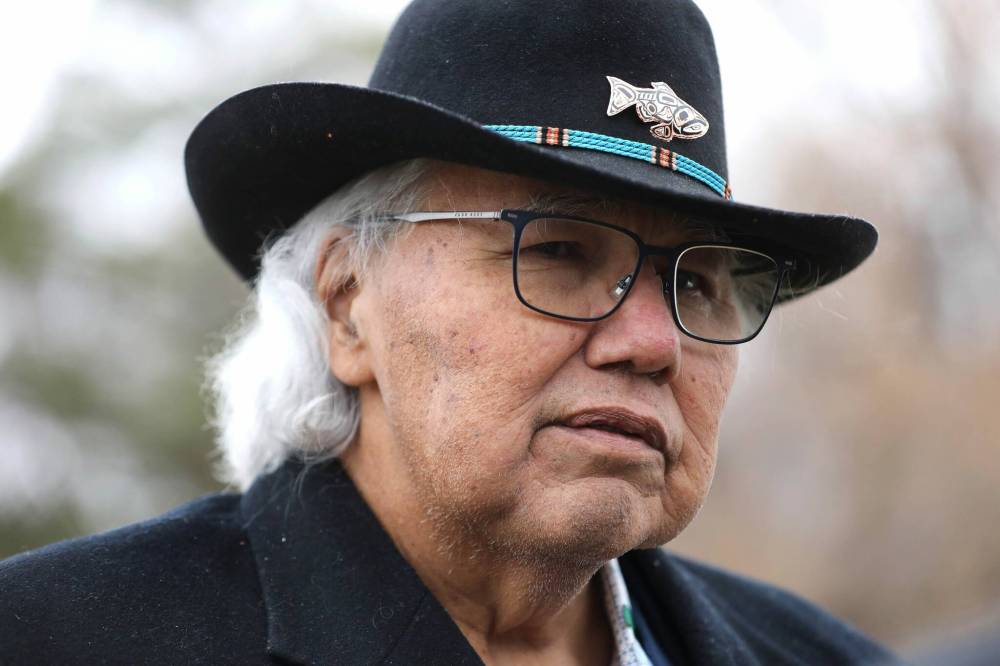
“With his passing, Canada has lost a giant — a brilliant legal mind, a champion of Indigenous rights, and a trusted leader on our journey of reconciliation. On behalf of the Government of Canada, I extend my deepest condolences to his children Dene, Niigaan, Gazheek, Kizhay and Miskodagwaaginikwe, his friends, and his colleagues as well as to Indigenous Peoples across Canada.
“He will be missed.”
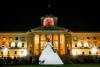
Premier Wab Kinew, who helped set up a sacred fire that will burn on the north side of the legislative building grounds until Sinclair’s funeral later this week, called him “a great Canadian, a great Manitoban, a great Anishinaabe.
“His career stands as a legacy of public service and a deep commitment to truth, fairness, and dignity for all people … It will be a long time before our nation produces another person the calibre of Murray Sinclair. He showed us there is no reconciliation without truth. We should hold dear in our hearts his words that our nation is on the cusp of a great new era and we must all ‘dare to live greatly together.’”
Sinclair was born in the former St. Peter’s Indian Reserve, north of Winnipeg. He was raised by his grandparents in Selkirk, along with his two brothers and a sister, after his mother died when he was a year old.
“We know that stories of his kindness, generosity and fairness will circulate for generations to come.”–Sinclair family
In a statement released Monday morning, the Sinclair family said “the impact of our dad’s work reached far across the country and the world.
“From residential school survivors to law students, to those who sat across from him in a courtroom, he was always known as an exceptional listener who treated everyone with dignity and respect.
“We know that stories of his kindness, generosity and fairness will circulate for generations to come.”
His first steps to a lifetime of leadership came when he was elected local vice president for the Manitoba Métis Federation and then became future NDP premier Howard Pawley’s executive assistant.
Sinclair graduated from the University of Manitoba’s law school and was called to the bar in 1980. He represented Indigenous people and First Nation communities until 1988 when he was named associate chief judge, the first Aboriginal judge to be appointed to the provincial court.
“He was and will be remembered as a born leader with great intelligence and great integrity.”–Gary Doer
Former NDP premier Gary Doer, then a member of Pawley’s cabinet, still remembers the cabinet meeting which changed Sinclair’s life.
“Howard Pawley was premier and he knew Murray Sinclair,” said Doer. “He was a strong advocate for his appointment to the bench. Normally, you’re not allowed to divulge cabinet meetings, but in this case I will.
“Murray had such great approval in the room. It was a very good consensus in nominating Murray Sinclair to become a judge. It turned out to be a very wise decision by Howard Pawley.
“I just remember we all felt very good coming out of that meeting. He was and will be remembered as a born leader with great intelligence and great integrity.”
“Murray was a truly historic and exemplary figure who both inspired and challenged a generation of Canadians.”–Chief Justice Glenn Joyal
Manitoba Court of King’s Bench Chief Justice Glenn Joyal appeared before Sinclair many times as a Crown attorney and private lawyer early in his career. Later, Joyal would become a colleague on the bench.
“Murray was a truly historic and exemplary figure who both inspired and challenged a generation of Canadians,” Joyal said. “His impact was, and I think it will remain, monumental, and I think that’s not really an exaggeration when you think of the context of his various roles.
“His legacy is unquestioned — it’s a significant loss.”
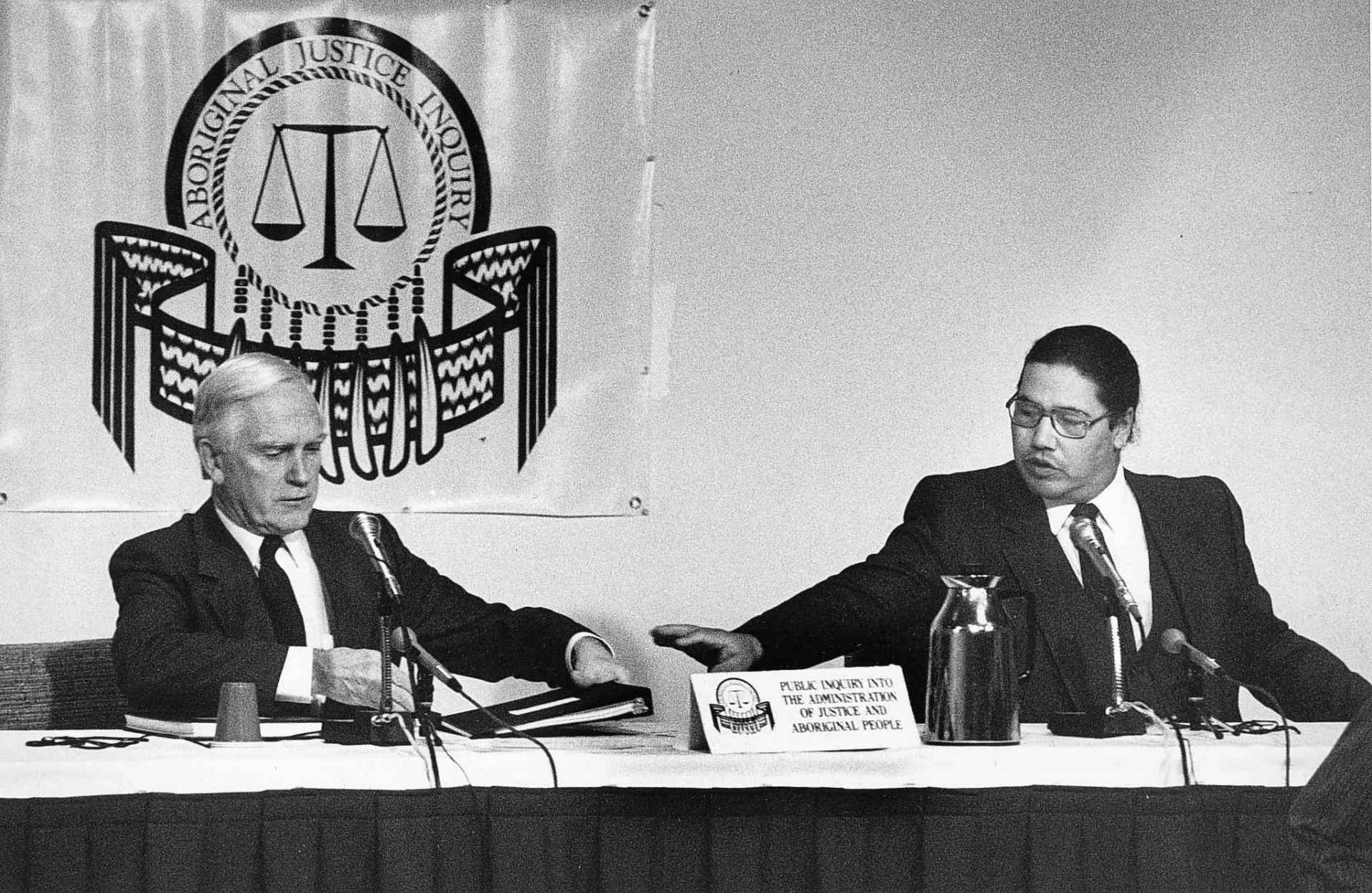
A month after being appointed judge, Sinclair was tapped to be co-chair of the Aboriginal Justice Inquiry.
The three-year inquiry, sparked by the police shooting of Indigenous leader J.J. Harper and the murder of Helen Betty Osborne, a Cree teen in The Pas, laid bare the systemic racism that still plagues the criminal justice system. Sinclair and co-commissioner Judge Alvin Hamilton made nearly 300 recommendations.
In 2013, on the 25th anniversary of the inquiry, Sinclair said some progress had been made but expressed concern he wouldn’t see tangible movement on some of the more sweeping recommendations, such as the creation of a separate aboriginal justice system, in his lifetime.
“The same factors that spoke to over-incarceration in 1991 when we did our analysis — the systemic discrimination, the lack of employment, the lack of social programs that address crime and misbehaviour, the poor educational attainment, higher suicide rates — are still present,” he said at the time.
“But I think we’re also now beginning to see and understand the inter-generational implications of residential schools.”
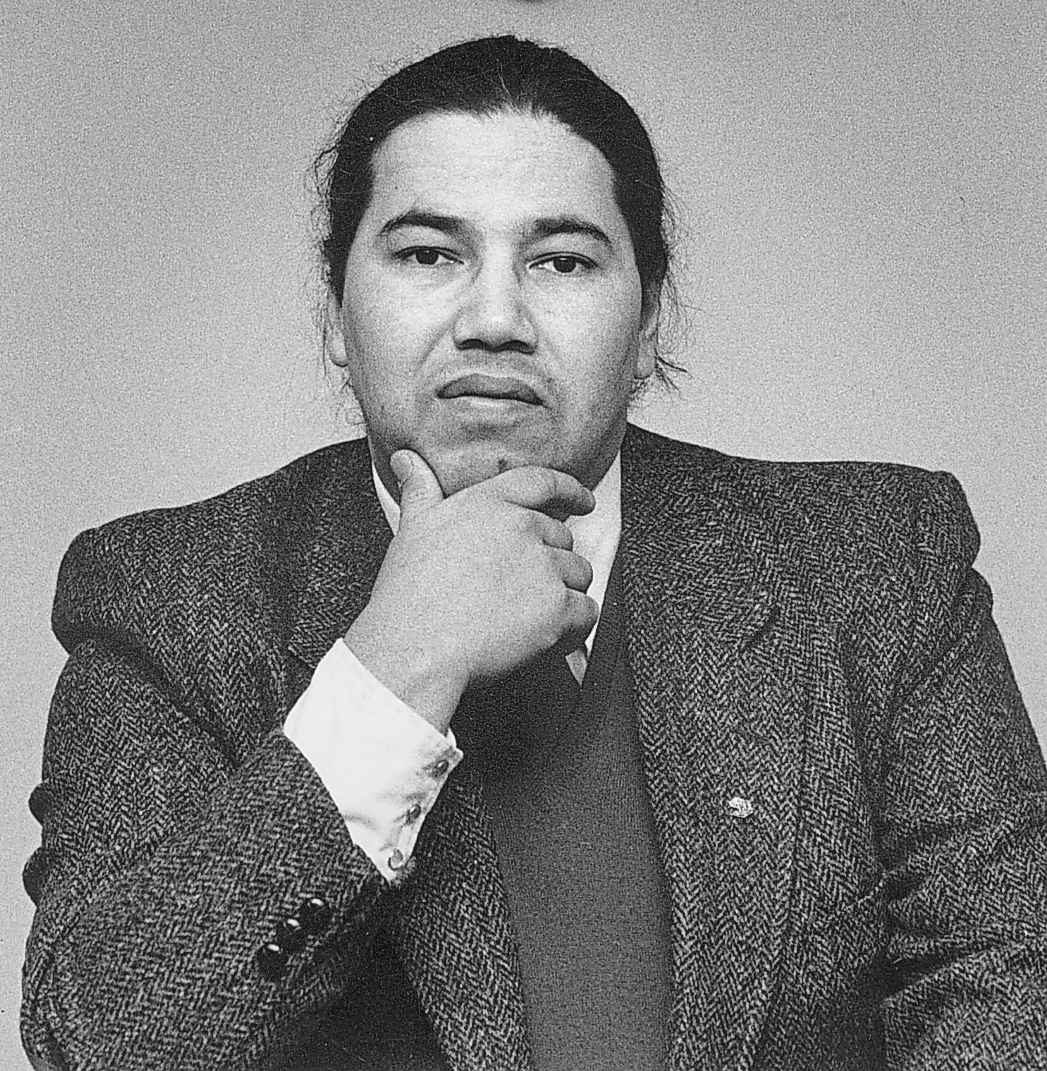
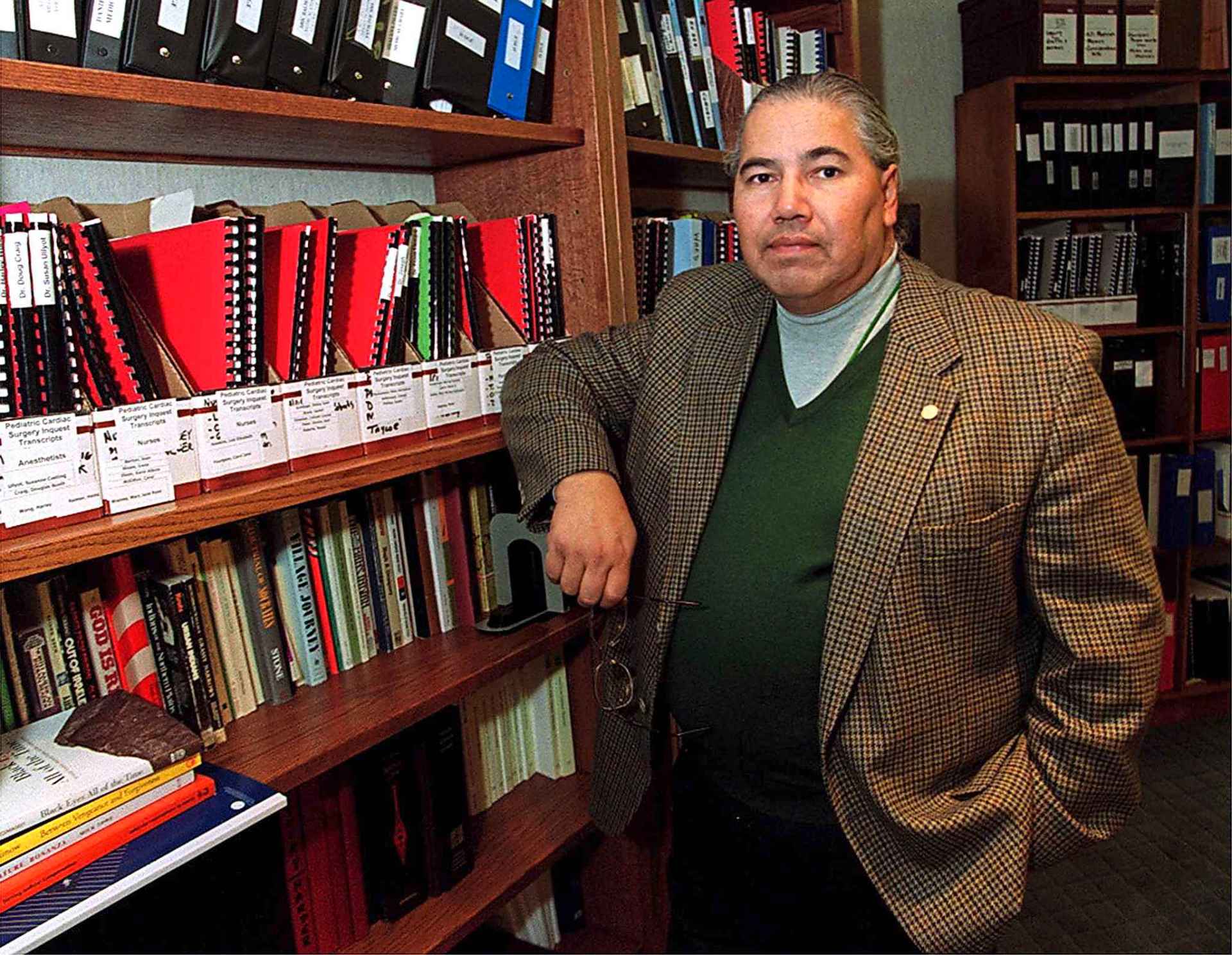
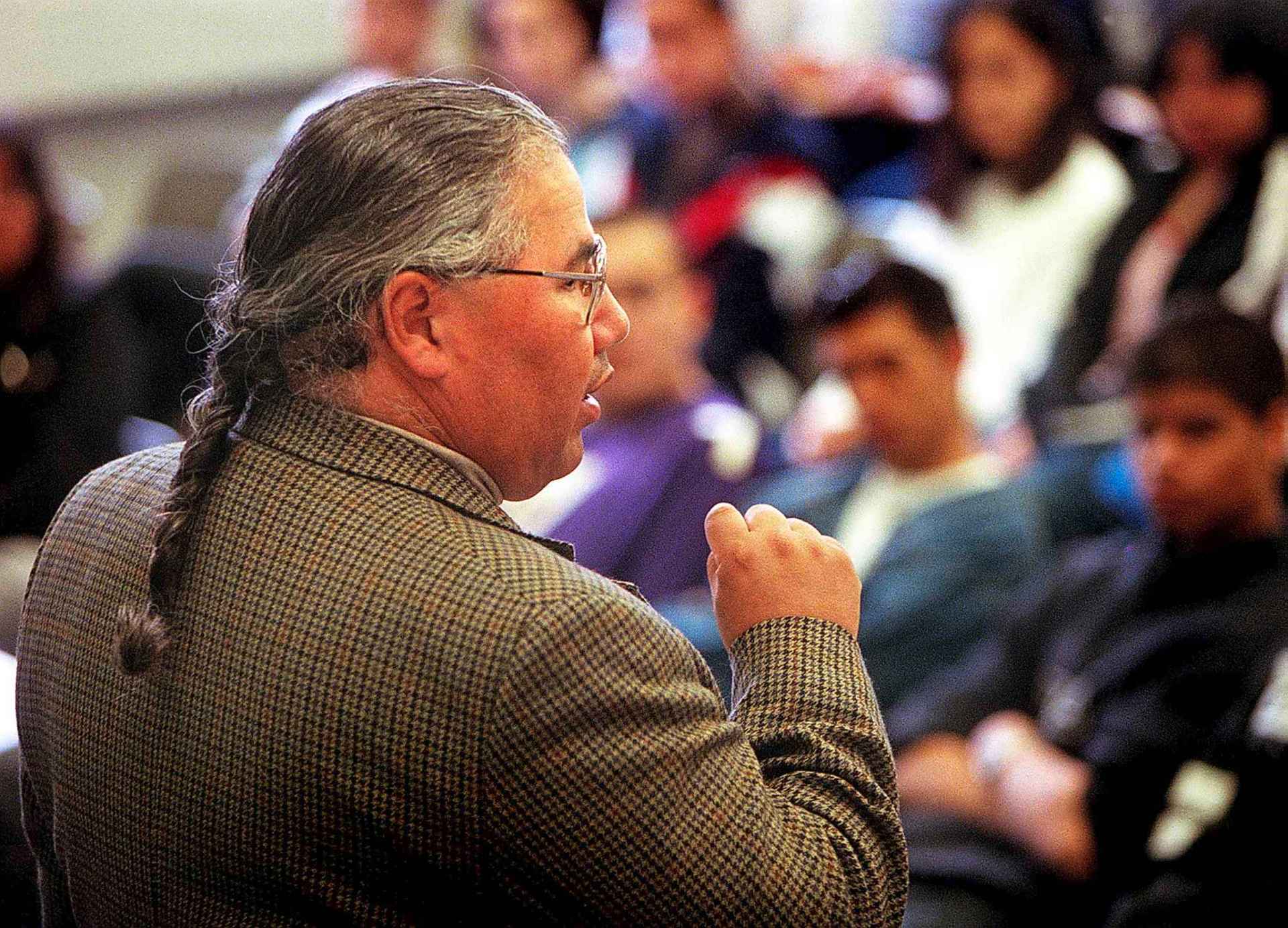
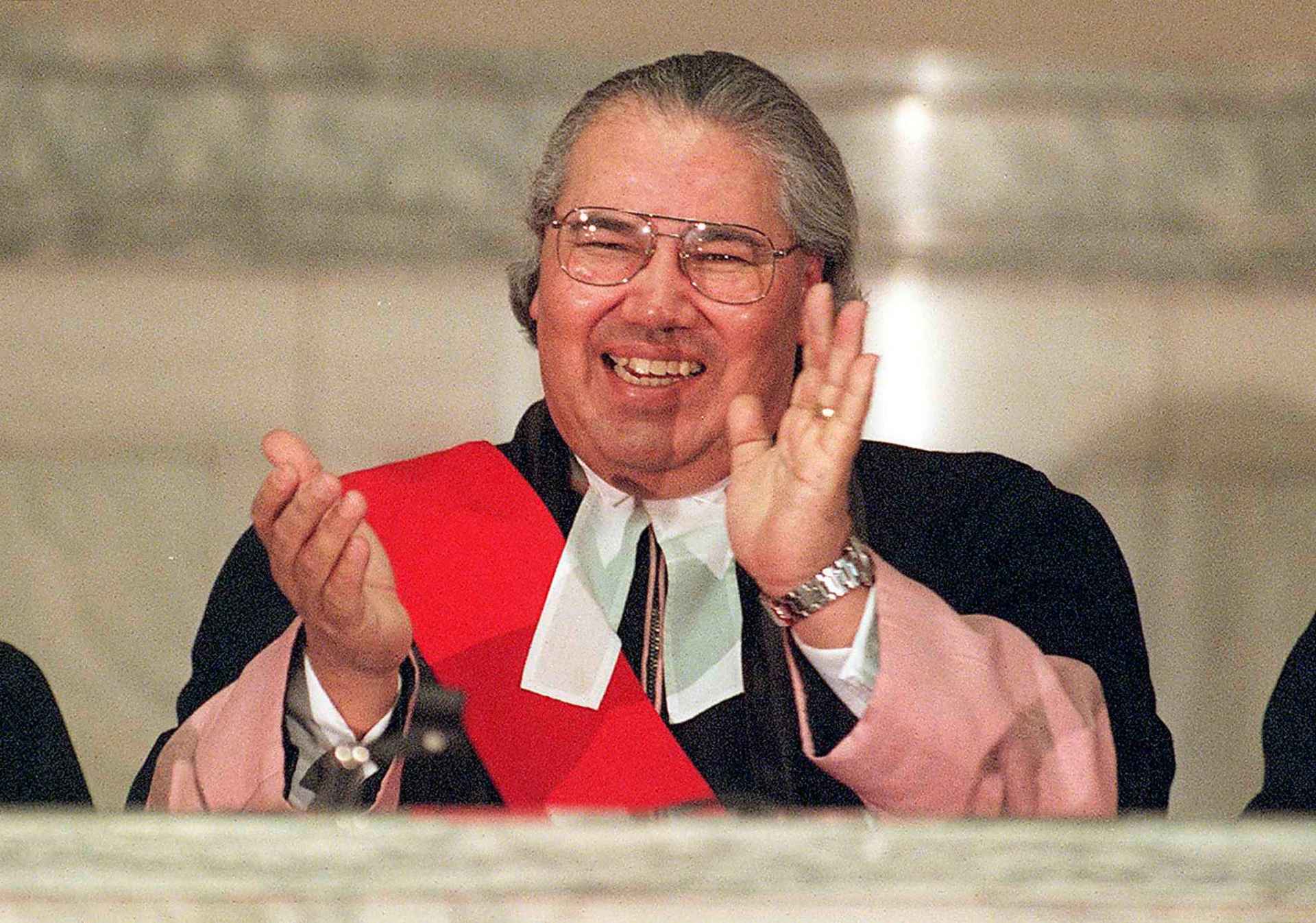
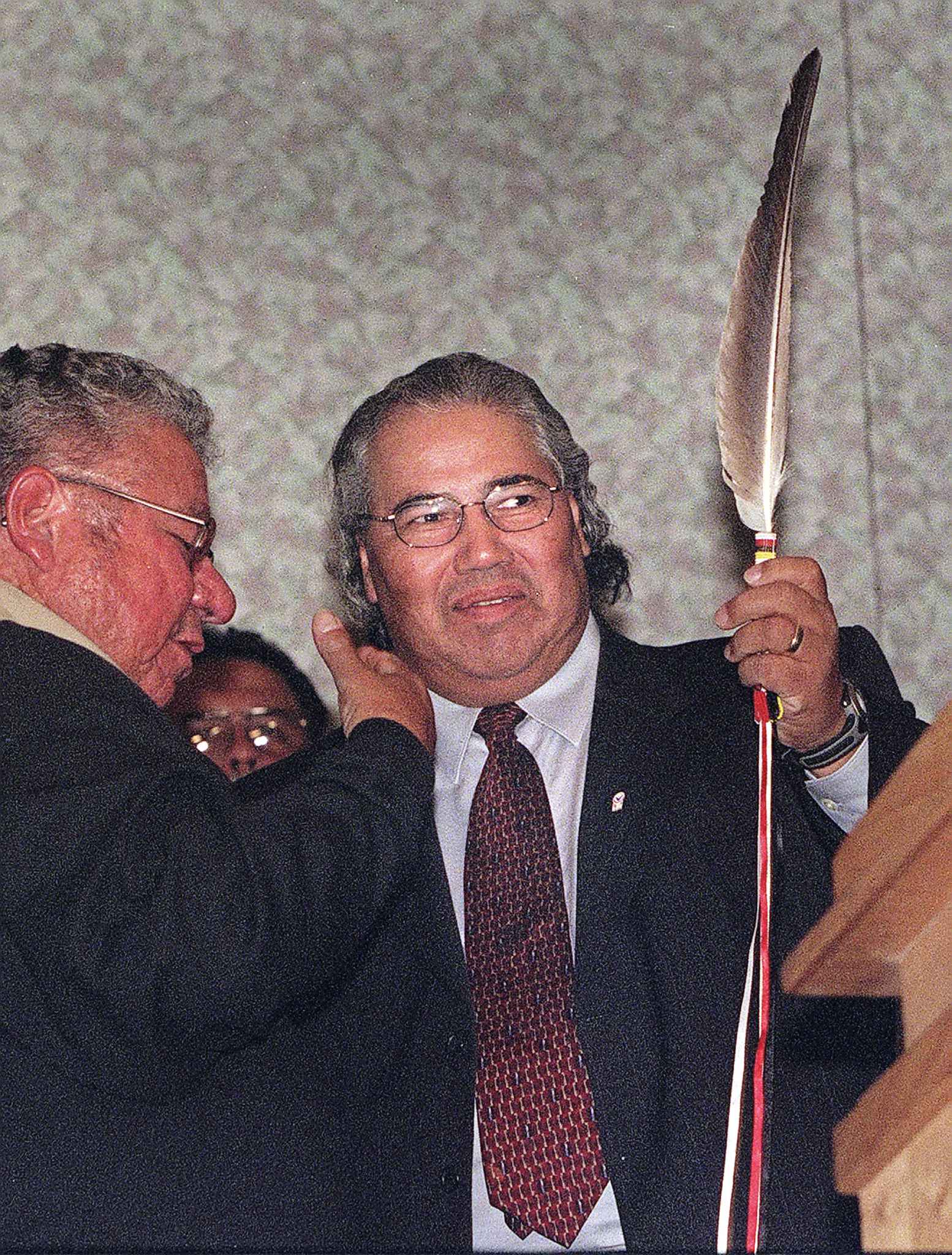
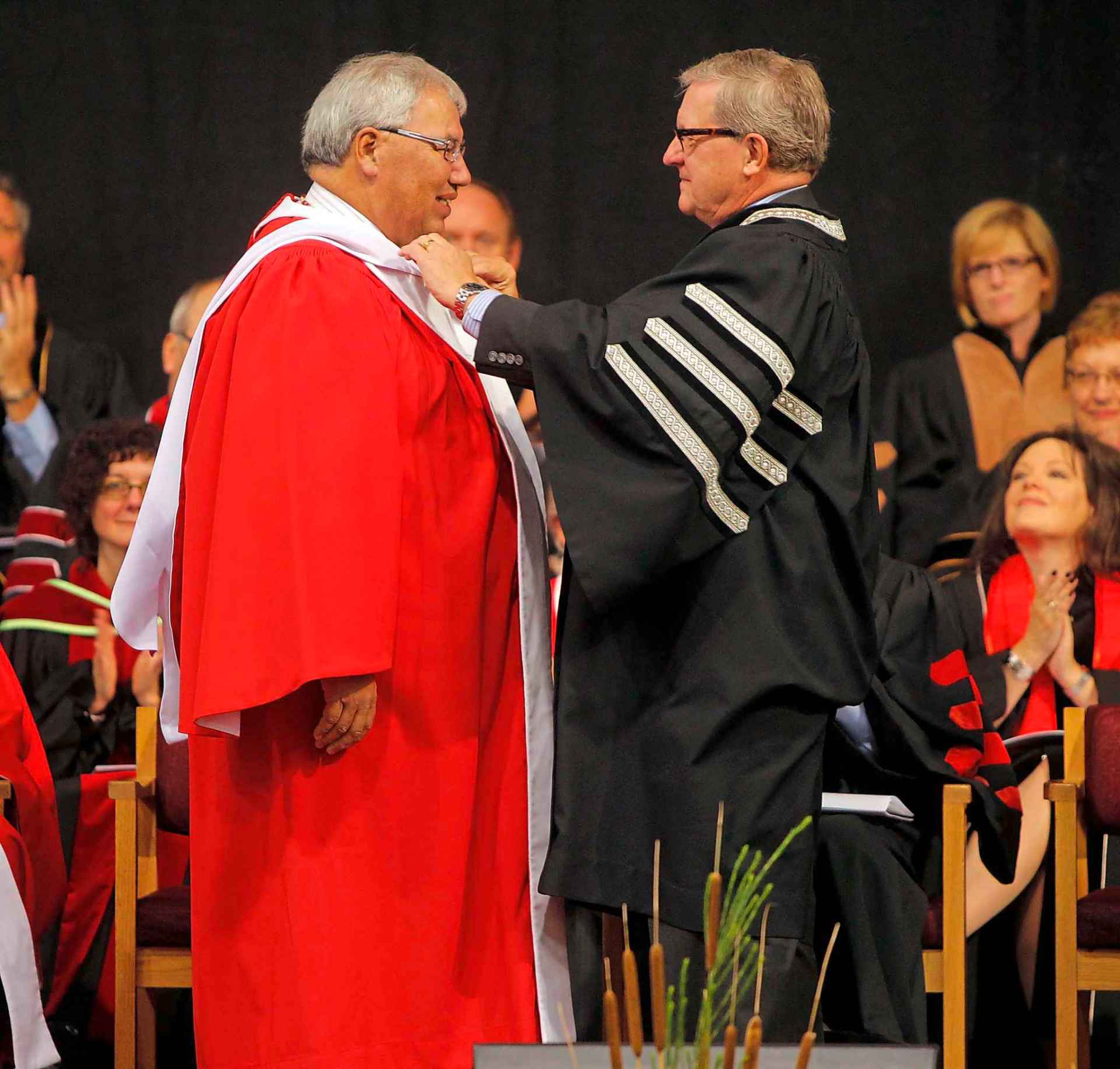
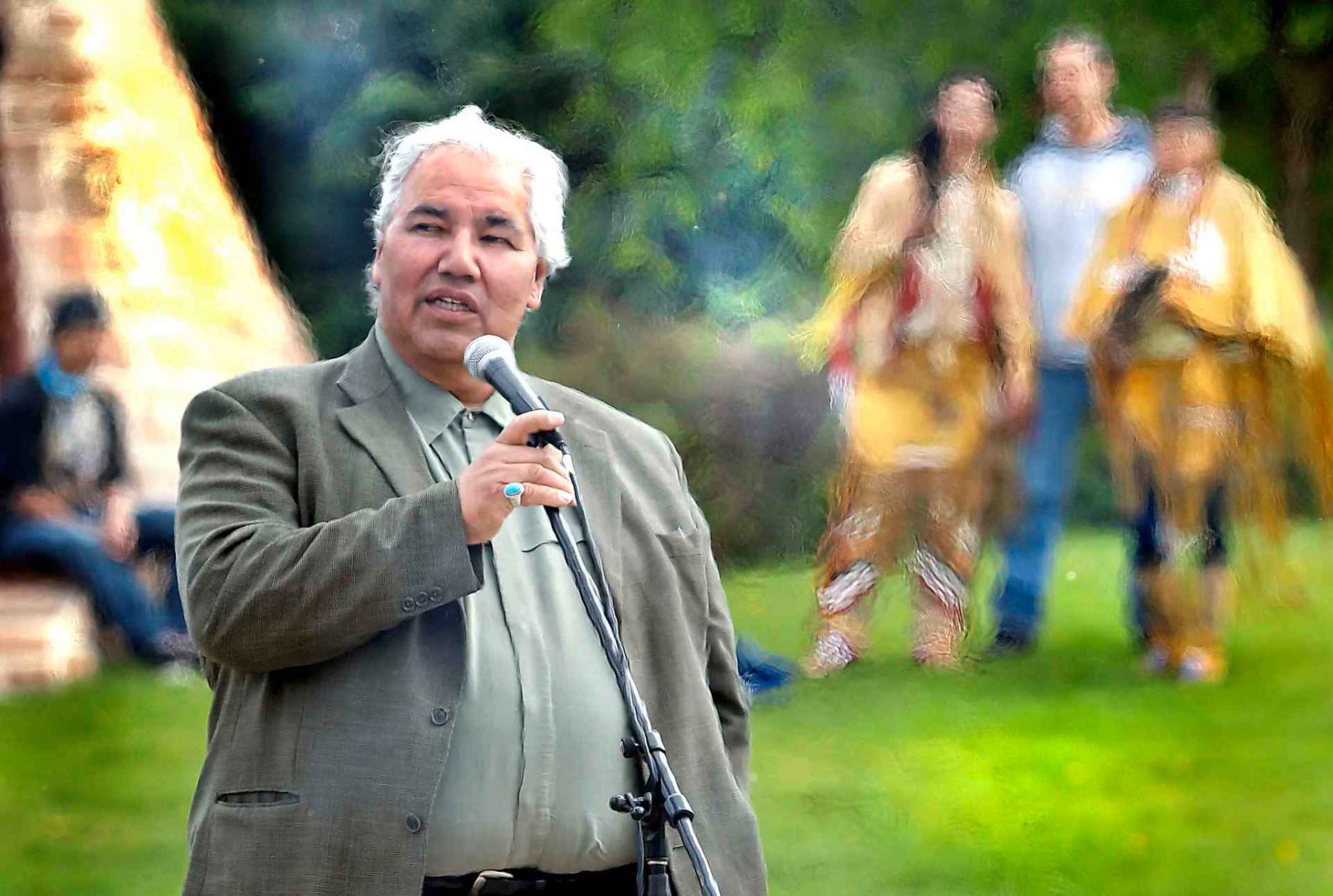
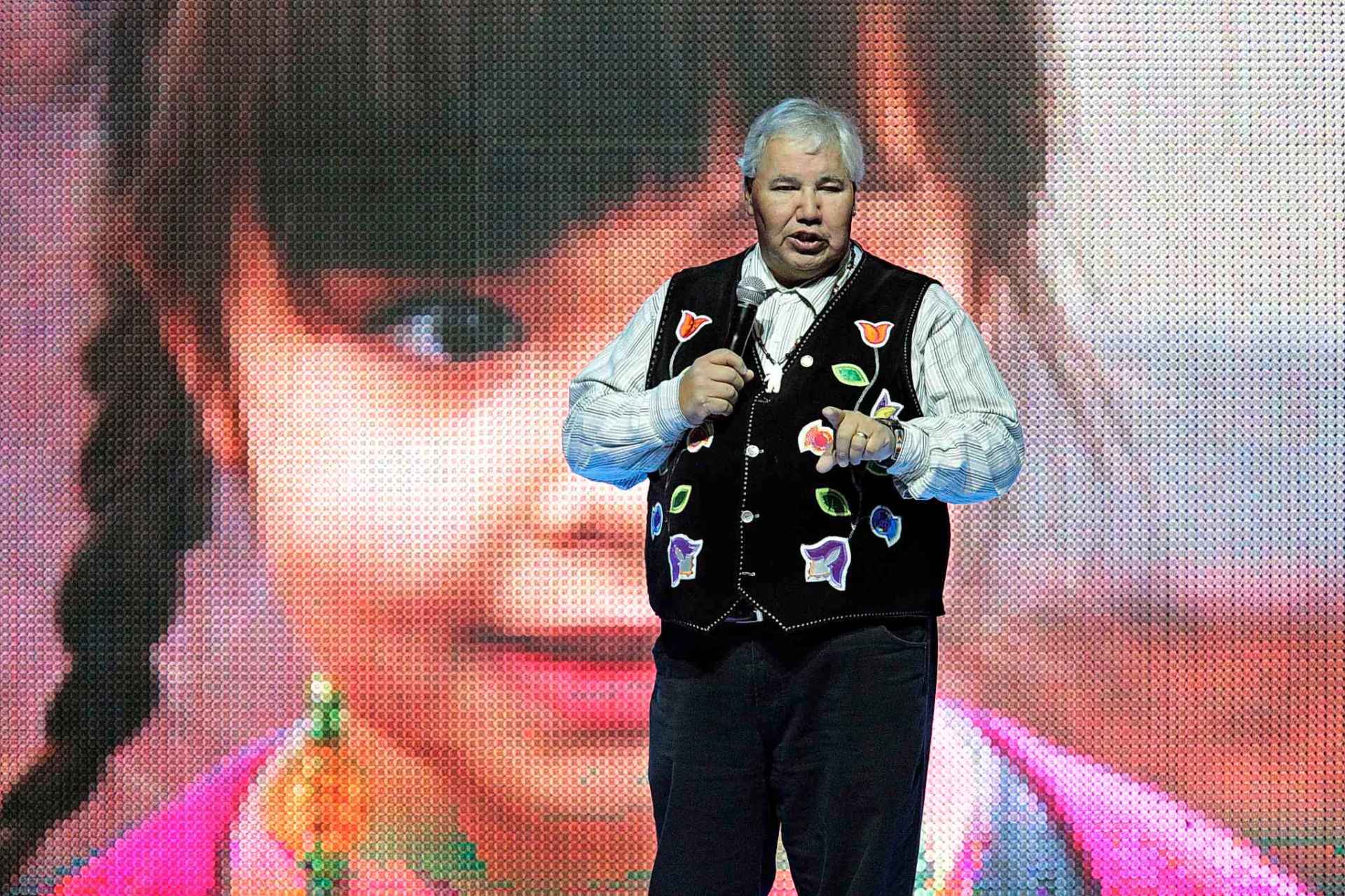
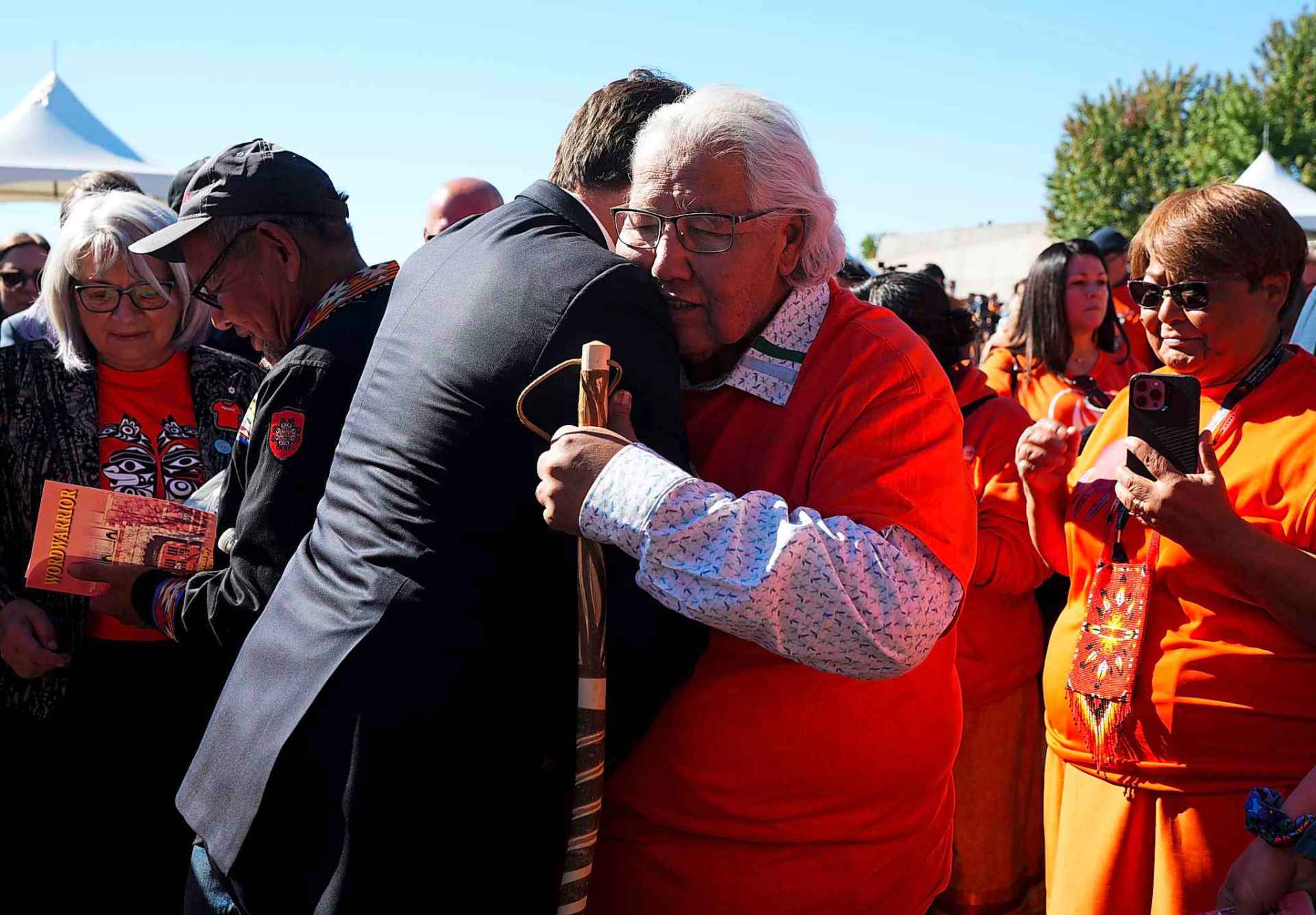
In 1994, Sinclair led the Pediatric Cardiac Surgery Inquest that reviewed the deaths of 12 children at the Health Sciences Centre. He often said the inquest, which spanned five years, exacted a profound emotional toll and was one of the reasons why he initially refused to lead the country’s reconciliation process.
“Hardly a week goes by that I don’t think about those kids,” Sinclair told the Free Press on the 20th anniversary of the inquest.
Sinclair was subsequently appointed a Court of King’s Bench justice, also a first for a Manitoba Indigenous person.
He moved to the national stage in 2009 as he began a six-year journey as chair of the Truth and Reconciliation Commission of Canada. The cross-country odyssey exploring the devastating impact of the residential school system resulted in 94 calls to action, which has helped reshape Canada’s relationship with Indigenous peoples.
“Education is the key to reconciliation,” Sinclair said at the time. “Education got us into this mess and education will get us out of it.”
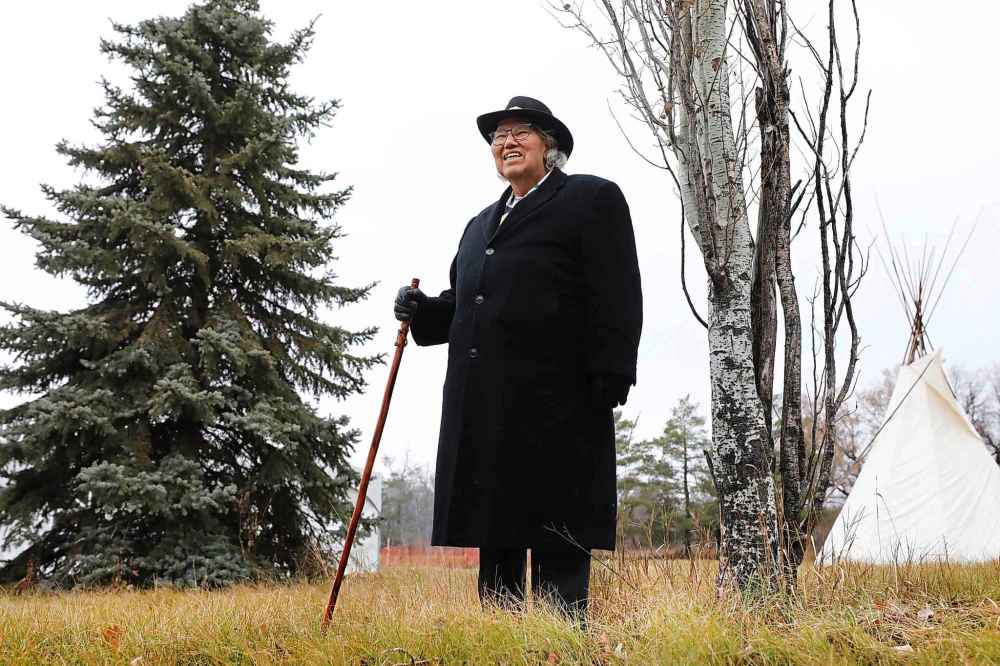
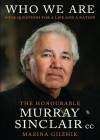
In his memoir Who We Are: Four Questions for a Life and a Nation, which was published in September, Sinclair wrote listening to stories from the mouths of residential school survivors affected him deeply.
“My view and my comment is that being in charge of the TRC and being involved in all of those hearings, and listening to all those survivors, profoundly changed my way of thinking about the government, thinking about Canadian society, and thinking about how far we have to go in order to restore Indigenous peoples’ self-respect,” he wrote.
Trudeau appointed Sinclair a senator in 2016. He served until retiring in 2021 and becoming chancellor of Queen’s University until June of this year.
Northern Affairs Minister Dan Vandal said he had met Sinclair years earlier when he was a youth worker and relished the chance to work with him later in life.
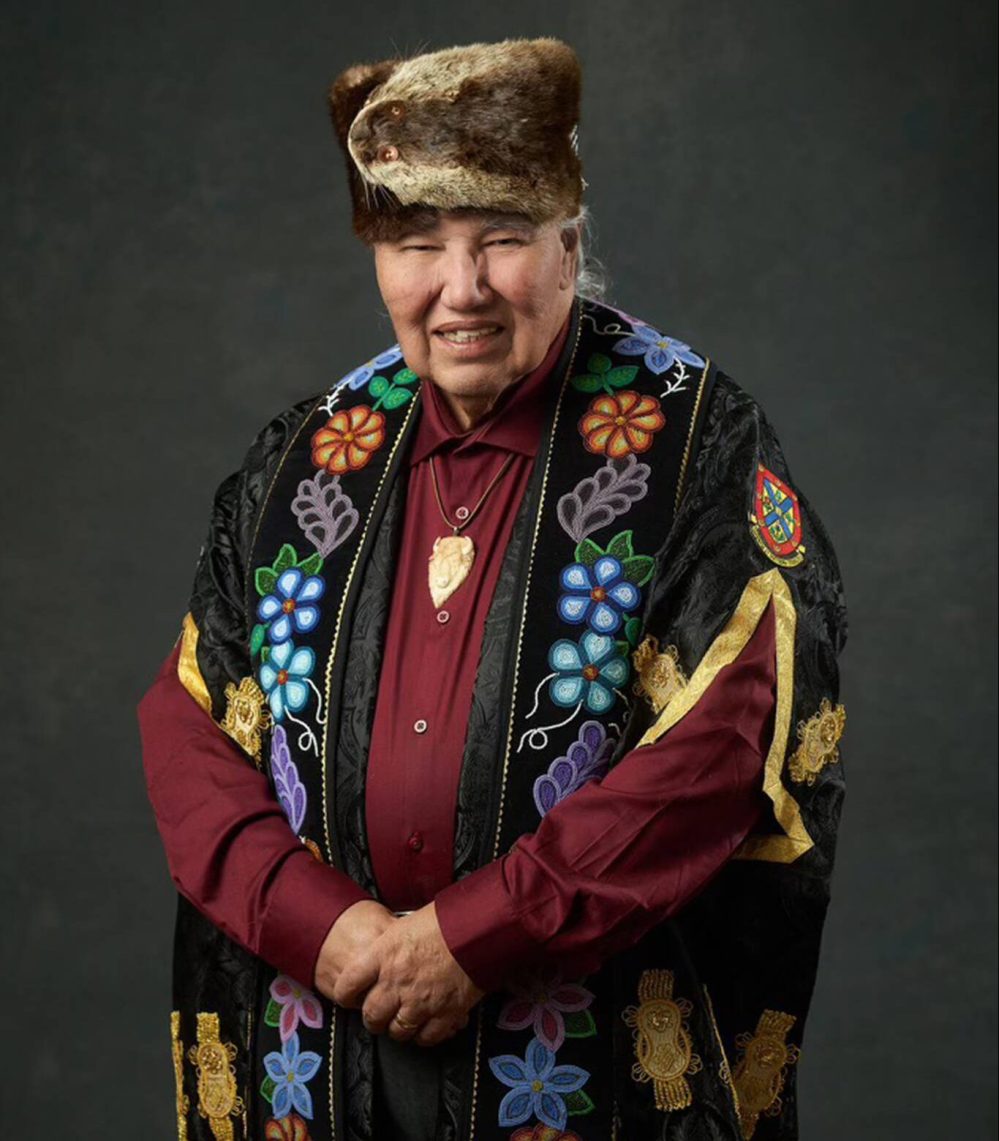
“He certainly awakened by spirit to politics and Indigenous justice issues at that time,” said Vandal. “I began a journey thanks, in large part, to the work and the words of Murray Sinclair.
“Here I would talk to him about reconciliation issues — there was no one more knowledgeable, kinder and wiser to chat with. I’m incredibly sad today and I think all of Canada is.”
Sinclair was honoured during his lifetime with the Order of Canada and Order of Manitoba. He also received dozens of honorary degrees from universities. A bronze bust is part of the Citizens Hall of Fame in Assiniboine Park.
Sinclair was predeceased by his wife, Katherine Morrisseau-Sinclair, in June, and is survived by five children and five grandchildren.
“The city has to see itself as a city that includes Indigenous people in prominent ways, not just as a problem in part of the city,” Sinclair said in 2022 when he became the first Indigenous member of the roll of luminaries.
kevin.rollason@freepress.mb.ca

Remembering a visionary
Tributes are pouring in for Murray Sinclair, a former judge, senator and chair of the Truth and Reconciliation Commission into residential schools, who died Monday in Winnipeg.
“Murray Sinclair brought to light the hard truths of the residential school system, based on survivors’ stories, and showed Canadians the realities we must confront to achieve real reconciliation. Winnipeg and all of Canada owe him a debt of gratitude for guiding us toward these truths and starting this important work.”
— Winnipeg Mayor Scott Gillingham
“A true visionary leader and a man for all people, the impact of his work will continue to create positive change that will resonate throughout Canada and the world for generations to come. He was pure of heart, an inspiration, a trusted friend… May we all honour his memory and legacy by continuing to walk together on the path to reconciliation.”
— Manitoba Lt.-Gov. Anita Neville
“A kind, wise and generous soul, he had an exceptional ability to inspire people and to touch hearts…. As a nation, let us honour his memory and sacrifice by forging ahead on the path of reconciliation.”
— Gov. Gen Mary Simon
“It was Justice Sinclair’s leadership that has brought us this far along in the reconciliation journey, and his example will continue to inspire this work for generations to come.”
— Assembly of First Nations National Chief Cindy Woodhouse Nepinak
“His Honour’s passing leaves a gaping hole in our hearts and in the fabric of our nation — we are heartbroken… His invaluable contributions have left an enduring legacy that will continue to guide and inspire future generations towards a more just and equitable society.”
— The National Centre for Truth and Reconciliation at the University of Manitoba
“I am grateful for his support and his vision for justice for ‘60s Scoop survivors and our parents who have never been recognized by the federal government… May he have a peaceful and safe final journey as we all mourn the loss of a great Anishinaabe leader and a dedicated advocate for justice across our nations.”
— Activist Katherine Strongwind, on Sinclair calling in 2021 for a national inquiry into the ’60s Scoop, that saw child-welfare authorities take Indigenous children from their families for placement in foster homes
“The Honourable Murray Sinclair always walked into dark places with a flashlight so that we can safely follow. A beam of light that cut through injustice and shows the way to hope.”
— Cindy Blackstock, executive director of the First Nations Child and Family Caring Society of Canada
“Murray Sinclair’s journey in advocacy broke barriers and inspired countless individuals to pursue reform and justice with courage and determination.”
— The Assembly of Manitoba Chiefs
“He was special and he paved the way for many people who came after him. And, while he couldn’t blame people at the inquest, he wrote (in the final report) to change cardiac surgery here in Manitoba. It’s because of him, most pediatric cardiac surgeries now go to Edmonton or Toronto.”
— lawyer Saul Simmonds, who represented several families at the Pediatric Cardiac Surgery inquest
“He was chosen for great things and he has accomplished it and now it is up to us to continue.”
— Manitoba Métis Federation president David Chartrand
“It’s an incredible loss and a hole that can’t be filled. He will be remembered as one of the most important Canadians to have lived here in Canada — we will realize that 50 years from now.”
— Richard Jochelson, dean of the University of Manitoba’s law school
“You could see that he was special — the way he thought, his thinking, the clarity with how he expressed his intelligence. You couldn’t help be impressed by him.”
— lawyer Martin Pollock who, with his father Harvey, represented the family of JJ Harper at the Aboriginal Justice Inquiry
“Murray was a Canadian hero and friend to many who helped to forge a path of respect and honouring of Indigenous stories, and we are all better because of his work.”
— Winnipeg NDP MP Leah Gazan
“As we mourn his passing, we also celebrate his remarkable life and the profound impact he had on our community and nation. His legacy will continue to inspire future generations to strive for fairness, equality, and respect for all.”
— Winnipeg Police Service
“His years of determination helped expose millions of Canadians to the shocking realities of residential schools. His tireless work has helped change textbooks, open minds and bring justice to countless victims of the residential school system.”
— Congress of Aboriginal Peoples National Chief Brendan Moore
“He would have been such an incredible addition to any court, any organization, anything that he joined. I presume for him it was ‘where can I use my gifts best? Where can I make a difference?’ He made a difference everywhere he went.”
— Mary Kate Harvie, provincial court judge and former law firm colleague
“His dignity, grace and advocacy will truly be missed and we are inspired by his legacy.”
— True North Sports & Entertainment
“He was a person who fought right to the last breath of his life on behalf of our people. We have lost a lot as Canadians and Manitobans.”
— Gordon Bluesky, Brokenhead Ojibway Nation Chief and chairman of Treaty One
“We mourn because he was a giant, a tower, a father and grandfather we seemed to share with the actual Sinclair family. No one was a better listener or answered the call of a nation who needed him to shape it more often.”
— Coun. Sherri Rollins
“He gave voice to thousands of survivors of the residential school system, revealed the awful truth of that injustice to all Canadians, and set us all on the path to reconciliation.”
— Allan Danroth, Manitoba Hydro president
“Every Manitoban can draw inspiration from his hard work, his story, his commitment to his culture and to justice for all Canadians.”
—Wayne Ewasko, interim leader of the Manitoba Progressive Conservative Party
— Compiled by The Canadian Press/Free Press staff
Statement from the family of Murray Sinclair
TREATY 1 TERRITORY/WINNIPEG — Peacefully and surrounded by love, The Hon. Murray Sinclair passed away early this morning, Monday, November 4, 2024. Mazina Giizhik (the One Who Speaks of Pictures in the Sky) committed his life in service to the people: creating change, revealing truth, and leading with fairness throughout his career.
The impact of our dad’s work reached far across the country and the world. From residential school survivors, to law students, to those who sat across from him in a courtroom, he was always known as an exceptional listener who treated everyone with dignity and respect. We know that stories of his kindness, generosity, and fairness will circulate for generations to come.
In lieu of flowers, and if you are able, please donate to The Murray Sinclair Memorial Fund at The Winnipeg Foundation. Our dad loved and supported many community organizations and your funds will prioritize Indigenous women, children, families, and Survivors.
For those who wish to pay their respects, a sacred fire to help guide Mazina Giizhik’s spirit home has been lit outside the Manitoba Legislative Building. Everyone is welcome to visit his sacred fire to make an offering of tobacco and send him your best wishes. Out of respect for his journey for the next few days, the family respectfully asks others across the country to please DO NOT light any other fires for him.
Additional information about public ceremonial events will be available in the coming days.
Our family asks for privacy in this time of mourning.

Kevin Rollason
Reporter
Kevin Rollason was a general assignment reporter at the Free Press.
Our newsroom depends on a growing audience of readers to power our journalism. If you are not a paid reader, please consider becoming a subscriber.
Our newsroom depends on its audience of readers to power our journalism. Thank you for your support.
Related Articles
A life in pictures: Hon. Murray Sinclair




History
Updated on Monday, November 4, 2024 10:20 AM CST: Adds statement from family.
Updated on Monday, November 4, 2024 1:27 PM CST: Add quotes
Updated on Monday, November 4, 2024 6:35 PM CST: Adds details
Updated on Monday, November 4, 2024 6:56 PM CST: Adds statement
Updated on Monday, November 4, 2024 8:01 PM CST: Fixes typos