Whose story is being told? How perspectives shape our understanding
Please review each article prior to use: grade-level applicability and curricular alignment might not be obvious from the headline alone.
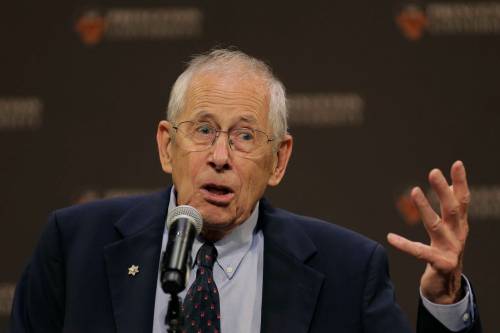
MMF objects to city renaming St. Boniface park
3 minute read Preview Monday, Sep. 22, 2025
North Dakota missing its Manitobans
7 minute read Preview Friday, Sep. 19, 2025
Read and research, before engaging your rage
4 minute read Preview Friday, Sep. 19, 2025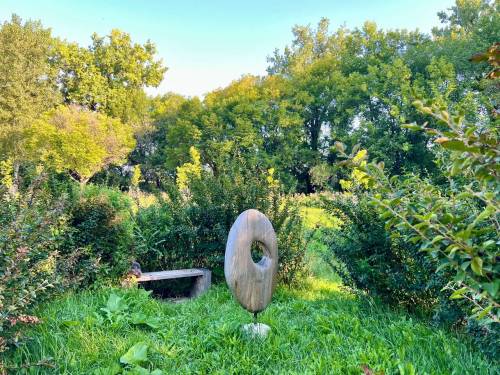
Discovering public art by chance
5 minute read Preview Thursday, Sep. 18, 2025
Play serves as prism for different politics, histories
4 minute read Preview Thursday, Sep. 18, 2025
Drunk driver who killed woman in 2022 hit-and-run denied parole
6 minute read Preview Thursday, Sep. 18, 2025
We all live in glass houses now
5 minute read Preview Wednesday, Sep. 17, 2025
Taking Reel Pride in transformation
5 minute read Preview Thursday, Sep. 18, 2025City council threatens rights without delivering safety
5 minute read Wednesday, Sep. 17, 2025As the City of Winnipeg appears poised to implement new rules that target people who live in encampments, questions should be raised about who — if anyone — will be safer as a result.
Winnipeg city council’s community services committee recently unanimously approved a motion, introduced and amended by Coun. Cindy Gilroy and seconded by Coun. Sherri Rollins, to prohibit encampments in and around a wide range of spaces, including playgrounds, pools, schools, daycares, transit stops, bridges and rail lines. It also directs the city to expand enforcement across all other city spaces during daylight hours, which could mean issuing bylaw tickets. The motion will go to council’s executive policy committee before a final vote by council.
While some, including Mayor Scott Gillingham, have described these new rules as a “balanced approach” to deal with encampments, we have seen this type of approach before and it does not work.
The motion is framed around safety, especially for children and families. That concern should not be dismissed — no one disputes that unsafe materials have been found in public spaces, but tying those concerns directly to encampments offers a misleading choice. It suggests that the safety of families must come at the expense of people experiencing homelessness. And with Winnipeg’s child poverty rate the highest in the nation, many of the children and families this ban claims to protect are also among those it targets.