Role of news media
Please review each article prior to use: grade-level applicability and curricular alignment might not be obvious from the headline alone.
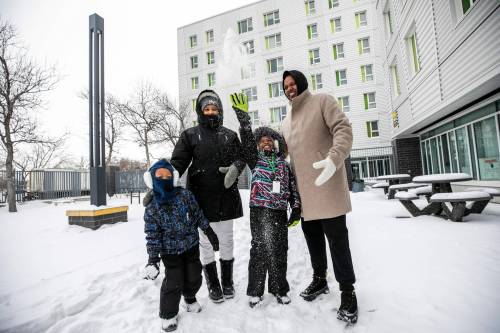
Family from the Democratic Republic of Congo navigates chilly firsts alongside IRCOM supports
8 minute read Preview Friday, Jan. 2, 2026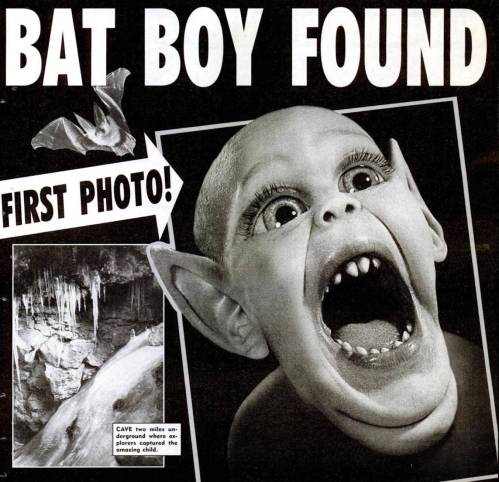
Fewer than one in five Manitobans are sure they know fabricated online content when they see it: survey
5 minute read Preview Tuesday, Jan. 6, 2026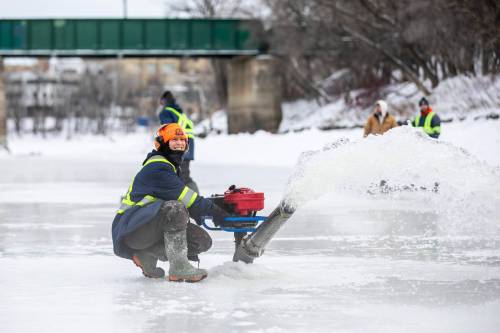
Skating trail expected to open in time for New Year’s Day activities at The Forks
2 minute read Preview Monday, Dec. 29, 2025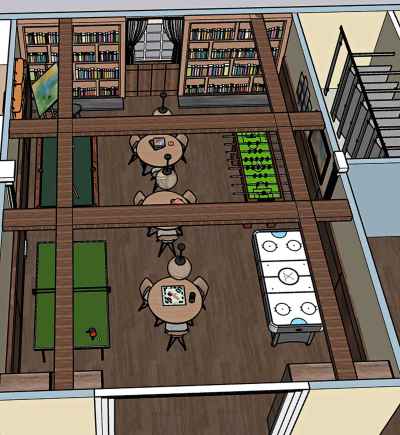
Students tasked with designing shelter for homeless
6 minute read Preview Sunday, Dec. 28, 2025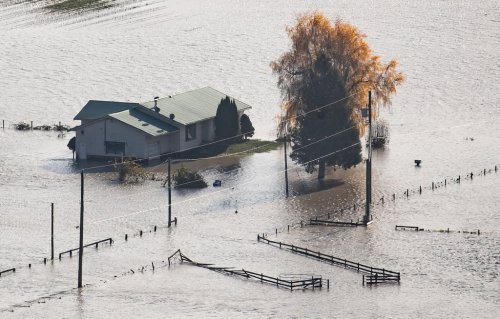
How does climate change affect the likelihood of extreme rain? Federal department aims to publish rapid results
3 minute read Preview Friday, Dec. 12, 2025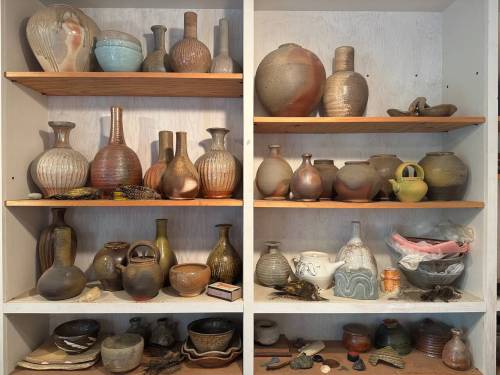
Robert Archambeau and the value of artistic legacy
6 minute read Preview Thursday, Dec. 11, 2025Tools we use to determine what to trust
5 minute read Thursday, Dec. 11, 2025I rarely use Facebook, but I recently took a brief look. I was reminded how annoying it is when I was presented with numerous posts, photos and videos from people I don’t know. One caught my attention. It was a video of three adult male moose, all with huge antlers, attacking a colourfully decorated bus. Could the video possibly be real?
Curiously, it reminded me of a sentence in the memorandum of understanding between Prime Minister Mark Carney and Alberta Premier Danielle Smith. It says, “Canada and Alberta remain committed to achieving net zero greenhouse gas emissions by 2050.” Is that a true statement?
How can I know if either is true? For the moose video, I could try examining it carefully for oddities. For the politicians’ assertion, I could delve into their past statements about climate change. But that’s rather impractical. Given the deluge of information I encounter every day, I couldn’t possibly research every statement to check its veracity. What should I do?
I could use a common tactic. I could rely on shortcuts.
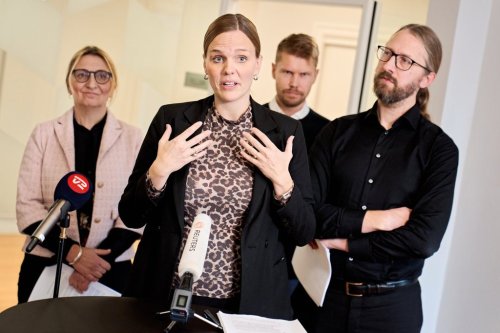
Denmark plans to severely restrict social media use for young people
5 minute read Preview Saturday, Dec. 13, 2025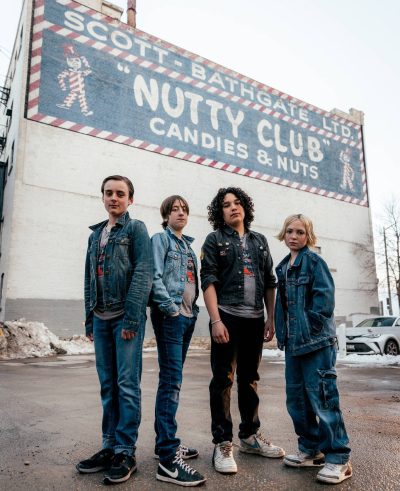
Teen quartet We’re Only Here for the Snacks to release debut album on limited-edition Winnipeg-inspired vinyl
4 minute read Preview Monday, Nov. 24, 2025