

Aw shucks, Tories lose folksy appeal
Advertisement
Read this article for free:
or
Already have an account? Log in here »
To continue reading, please subscribe:

Digital Subscription
One year of digital access for only $205*
- Enjoy unlimited reading on winnipegfreepress.com
- Read the E-Edition, our digital replica newspaper
- Access News Break, our award-winning app
- Play interactive puzzles
*First annual payment billed as $205.00 + GST for one year. This annual subscription will automatically renew at $233.00 + GST every 52 weeks (10% off the regular annual price of $259.35). Offer available to new and qualified returning subscribers only. Cancel any time.
To continue reading, please subscribe:
Add Free Press access to your Brandon Sun subscription for only an additional
$1 for the first 4 weeks*
- Enjoy unlimited reading on winnipegfreepress.com
- Read the E-Edition, our digital replica newspaper
- Access News Break, our award-winning app
- Play interactive puzzles
*Your next Brandon Sun subscription payment will increase by $1.00 and you will be charged $17.95 plus GST for four weeks. After four weeks, your payment will increase to $24.95 plus GST every four weeks.
Read unlimited articles for free today:
or
Already have an account? Log in here »
Hey there, time traveller!
This article was published 13/08/2015 (4036 days ago), so information in it may no longer be current.
The rise of the Reform party in Canada in the late 1980s — created at a convention in Winnipeg, no less — promised an end to big government, with central government reform, fiscal responsibility and the end to special status for Quebec, along with the end of multiculturalism and bilingualism. The two central characters in Reform party politics were Preston Manning and Deb Grey, the party’s first elected member of Parliament.
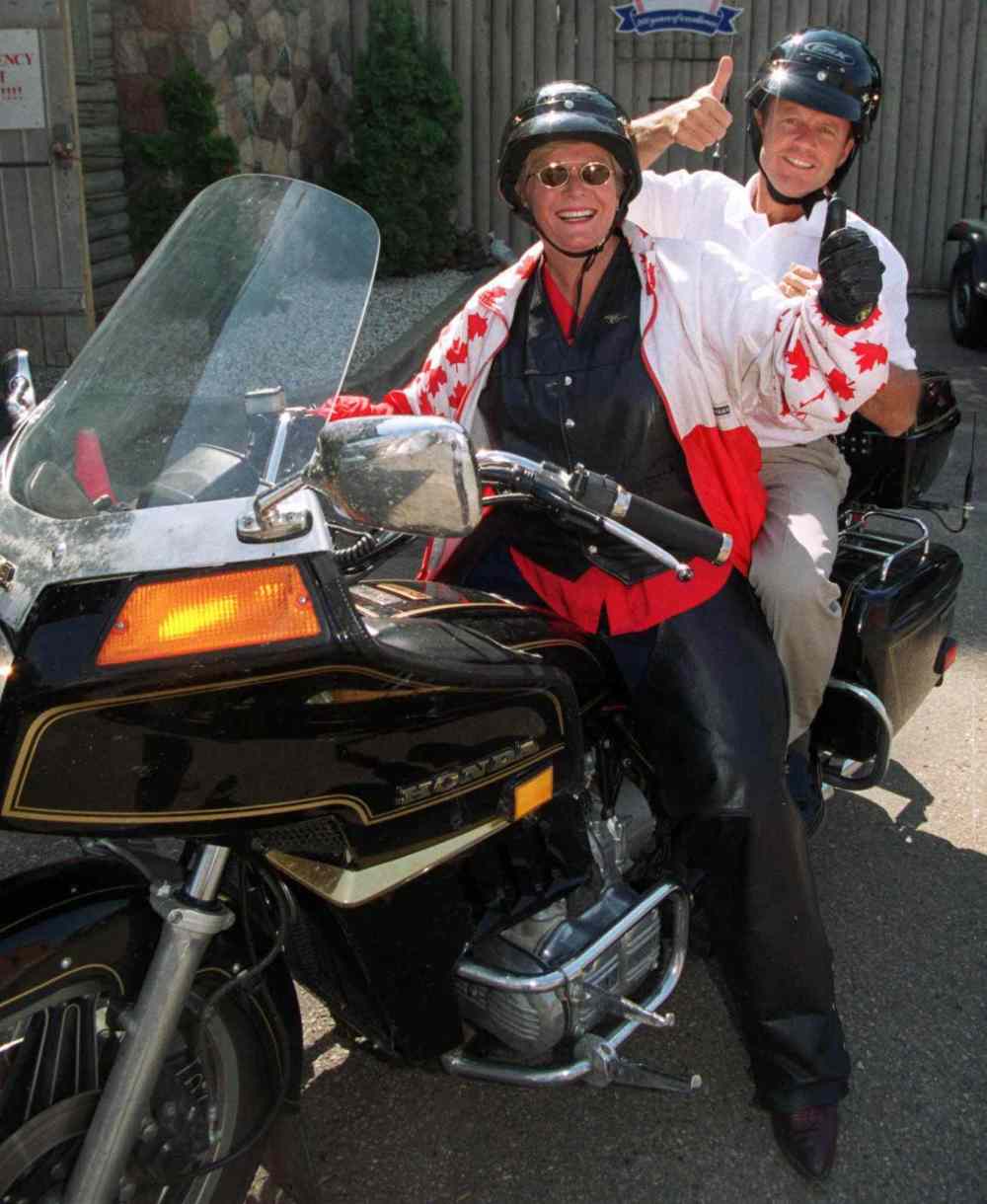
Manning was folksy with an “aw-shucks” sensibility. Deb Grey was a tough-talking straight shooter, who rode a motorcycle and wasn’t afraid of shaking things up. They represented populism at its best, tapping into the hopes and fears of the little guy — the average Joe or Jill next door who worries about paying the bills and feeding the kids.
Out of the Reform party ashes came the Alliance party and then from there, the Conservative party — a collaborative effort that united the right to beat the Liberals and eventually form government. With Stephen Harper at the controls, it’s fair to say that the Reform party’s populist roots have effectively been killed, as quickly and as effectively as Roundup on your front-lawn dandelions.
Take, for example, the tight control the Conservatives are exercising over who has access to party events and who does not. Want to go to a Conservative party event? Well, be sure you’ve been vetted by the party first and make sure you have your bar-coded invitation in hand. Otherwise, you won’t get the chance to press the flesh with the big cheese. No, unless you’re a tried-and-true Conservative supporter, you have to rely on prefab YouTube videos and party propaganda to get a sense of what Harper stands for.
Talk about your isolationist policies. Gadfly former Alberta premier Ralph Klein — a guy who never met a hand he didn’t want to shake — must be rolling in his grave right now. The king of the “everyman” with his rolled-up denim shirt and his elfish smile, Klein wrote the book on populism at one point Harper bought into.
Not anymore.
Granted, as prime minister, Harper should be concerned about security risks. He can’t wade into any situation without some concern for his own personal safety. But he also shouldn’t be so aloof he’s viewed as out of touch. Or worse, imperious and disdainful.
And it’s certainly coming across about controlling the message, an ongoing theme in this party’s repertoire. Deny access to reporters. Provide neatly package pre-recorded video greetings for public events. Refuse to take more than two questions a day on the campaign trail. Tell the undecided to watch their television if they want to know more about the party policy. Then refuse to participate in the broadcast consortium’s debates.
William Johnson outlines in his book Stephen Harper and the Future of Canada the differences between Manning’s style of populism and Harper’s. As he discusses, Harper’s view in the early days of the Reform party was to allow for more free votes and move away from party discipline because it was viewed as too constraining on MPs’ ability to represent their constituents if they could only toe the party line.
Fast-forward to the 2015 election and we see just how much that has changed. Conservative MPs aren’t allowed to move one inch off the party line. Take for example retiring MP Joy Smith, who earlier this week called on the federal government to commit to its share of funding for the so-called Freedom Road for Shoal Lake No. 40. Knowing how the Tory backroom works, it’s safe to assume she got a few terse calls, and suddenly the MP for Kildonan-St. Paul was backtracking. It would seem even when you’re about to retire from the Tory party, you have to make sure you don’t step out of line.

When the West wanted in, populists such as Manning and Harper railed against big government and patronage appointments. And today, one only needs to look at the stacking of the deck in the appointment of Tory-friendly judges, senators and public bureaucrats as a way of ensuring the Conservative policy is pushed through.
The problem is at some point, Canadians may start to push back. Oct. 19 seems about the right time to do that.
Shannon Sampert is the perspectives and politics editor for the Winnipeg Free Press.
shannon.sampert@freepress.mb.ca Twitter: @PaulySigh
Related Articles
Liberals win 4th mandate as NDP vote collapses and Singh announces he will resign







Advertisement Advertise With Us
Advertisement Advertise With Us