

An elegy for the smalls

Advertisement
Read this article for free:
or
Already have an account? Log in here »
To continue reading, please subscribe:

Digital Subscription
One year of digital access for only $205*
- Enjoy unlimited reading on winnipegfreepress.com
- Read the E-Edition, our digital replica newspaper
- Access News Break, our award-winning app
- Play interactive puzzles
*First annual payment billed as $205.00 + GST for one year. This annual subscription will automatically renew at $233.00 + GST every 52 weeks (10% off the regular annual price of $259.35). Offer available to new and qualified returning subscribers only. Cancel any time.
To continue reading, please subscribe:
Add Free Press access to your Brandon Sun subscription for only an additional
$1 for the first 4 weeks*
- Enjoy unlimited reading on winnipegfreepress.com
- Read the E-Edition, our digital replica newspaper
- Access News Break, our award-winning app
- Play interactive puzzles
*Your next Brandon Sun subscription payment will increase by $1.00 and you will be charged $17.95 plus GST for four weeks. After four weeks, your payment will increase to $24.95 plus GST every four weeks.
Read unlimited articles for free today:
or
Already have an account? Log in here »
He didn’t bend as much as he tentatively folded: his eyesight was bad, and his balance was as well, so he would make his way to the ground in stages, like a truck crane slowly ordering all of its rigid pieces down from the outstretched vertical to the tidy horizontal.
My father was a big man, a little over six feet tall and significantly over 200 pounds, a man, as he aged, used to moving deliberately to avoid the risk of falling.
He was an adept amateur photographer, working almost exclusively in black-and-white photographs which he developed and printed himself in his basement darkroom.
Russell Wangersky/Free Press
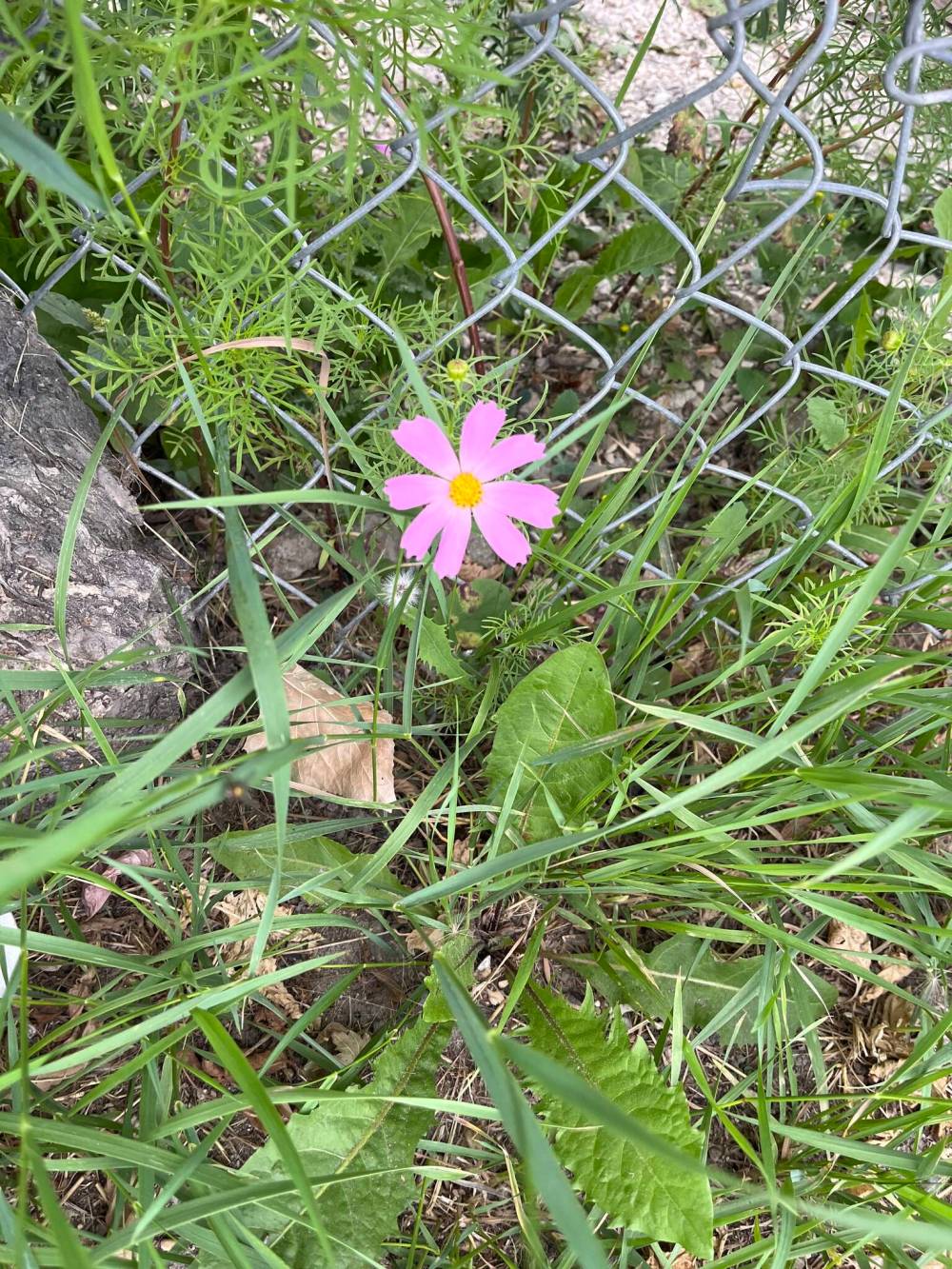
A fugitive Garden Cosmos on McPhillips.
The darkroom was a place of alchemy: dark except for the one red light that wouldn’t spoil the photographic paper, trays of developer and fixer and rinse water, the enlarger with its timer, a quiet darkened patch of peace.
Rocking the trays gently while the developer slowly pulled the images out of the white paper, gentle with the tongs, rinsing the prints and then putting them in the fixing solution, the radio muttering… it was wonderful to sit in the dark and watch his careful work, sense his quiet satisfaction.
Where did his style of movement and his photography collide?
He called them “belly flowers,” and over the years, he photographed hundreds of them.
He would lever himself carefully down to ground level, stretched out flat on his stomach, in order to focus on something as small as a single blossom on a bunchberry plant, finding the right angle and light to make a black-and-white print deliver the most possible impact. Carnivorous sundew plants with their shiny droplets; fragile white wild-strawberry blossoms; lingonberry stalks with their waxy, too-perfect-to-be-natural leaves.
Russell Wangersky/Free Press
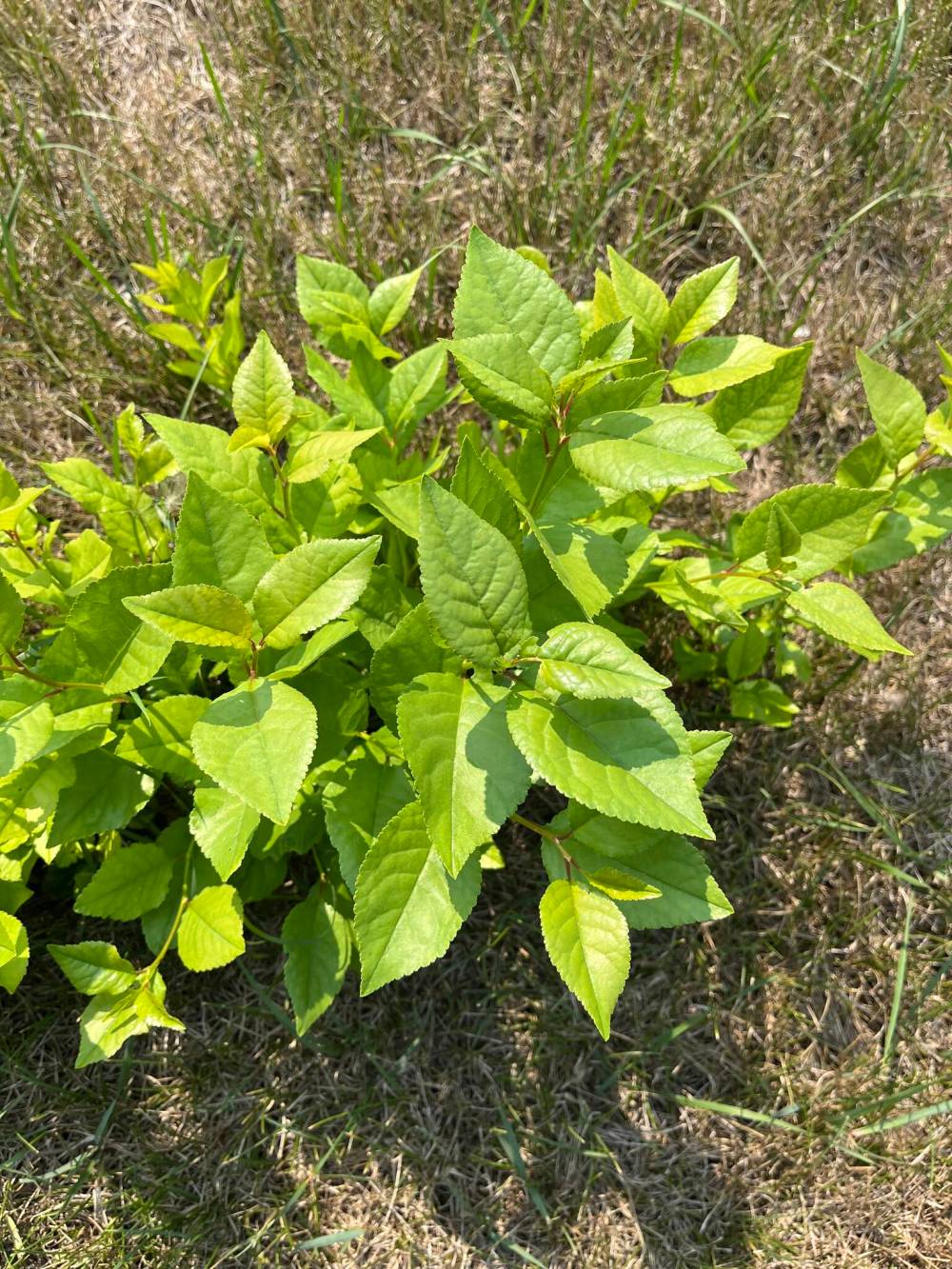
Yearling cherry seedlings on Fife, awaiting their date with the mower.
He’d print them large, so you’d stop and look and see details you hadn’t ever noticed. Make you realize there was much more to the world than you thought there was, and that you had let it pass you by. It was hard work for him, and he relished every bit of it.
And in the process, I think he gave me my love for the smalls.
The smalls — the small hardworking beauties of fields and forestland and even deserts, the plants that scrabble their way up in sheltered corners and bright sunlight, in unwelcoming, marginal soil that limits competition.
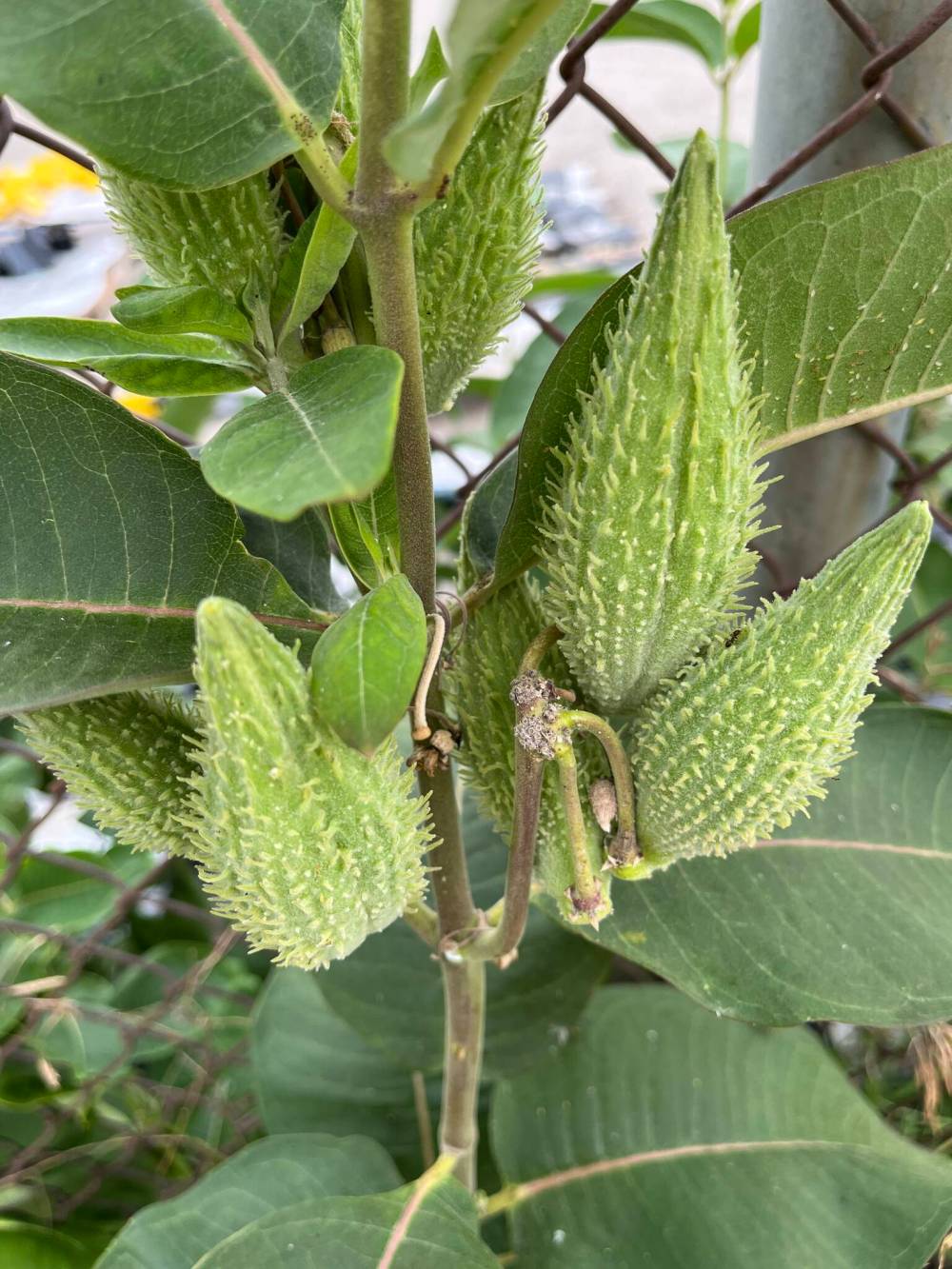
You can pass them by so easily: a fugitive Garden Cosmos blossom, just one, poking up through the litter and threading a gap in a chain-link fence on McPhillips near Selkirk. Milkweed pods threading through an industrial-park fence.
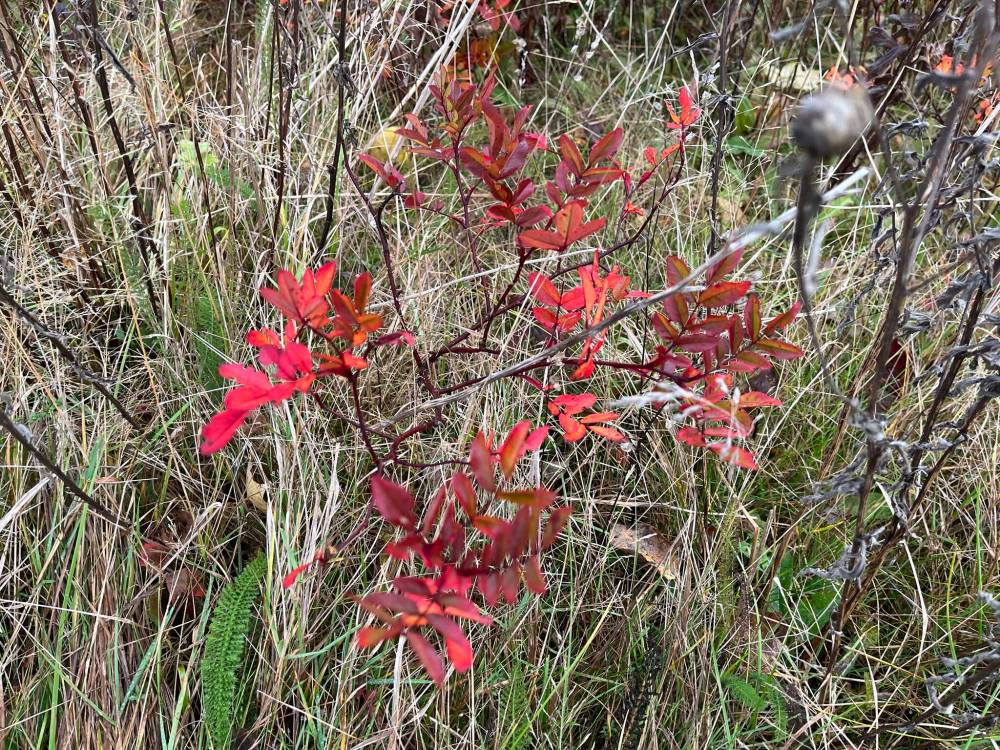
Prairie crocuses, with their strangely mangy stalks. Countless orchid relatives living separate and apart in marshes. Any number and colour of small, four-petalled lovelies that spring up under the cover of branches where you’d think there wasn’t enough sun to make it possible. Simple wild roses, wonderfully strong-smelling in early summer and ablaze with their red leaves of fall glory.
Russell Wangersky/Free Press
The leaves of wild roses flame in autumn.
And not just flowers, either. A scattering of yearling cherry seedlings pops up in the boulevard on Fife Street, the progeny of a trio of sour-cherry trees in an adjoining front yard. This year, I saw how they crossed the desert of sidewalk, as I watched a group of fence-sitting young crows plucking cherries and then dropping them, sometimes half-eaten, sometimes just the pits. Every year, the cherry seedlings rise from last fall’s discarded pits, and every year, a city mower dutifully cuts them down. Some die with the first cut; others struggle until the next mow. I saved a pair last year — they are almost two feet tall in our yard now.
And I haven’t even gotten to the marvel of the mosses in all their wet-footed variation, or the legions of the fungi. A choir of inky caps shoot up around an elm stump on Dominion Street after a summer rainfall, and it is as if no one ever stops to admire how perfectly their ranks dovetail together, and how synchronized they are through sprouting, spreading and then dying off melodramatically into black goo. It is a performance that opens — and closes — in a mere handful of days.
I get it. We are tall and important, and we look around and up and forward and ahead.

But it is worth getting off your high human horse, and spending a good long time prone on the ground, just looking at the wonders around you.
Bend a knee for the smalls. Make a habit of it. For their finery and their poise, for their colours and perfection.
Russell Wangersky/Free Press
Milkweed pods.
Yes, they are small, and they can hide their beauty well until you get close.
But they have the power to make you feel small, too, in a very important way.
Russell Wangersky is the Comment Editor at the Free Press. He can be reached at russell.wangersky@freepress.mb.ca
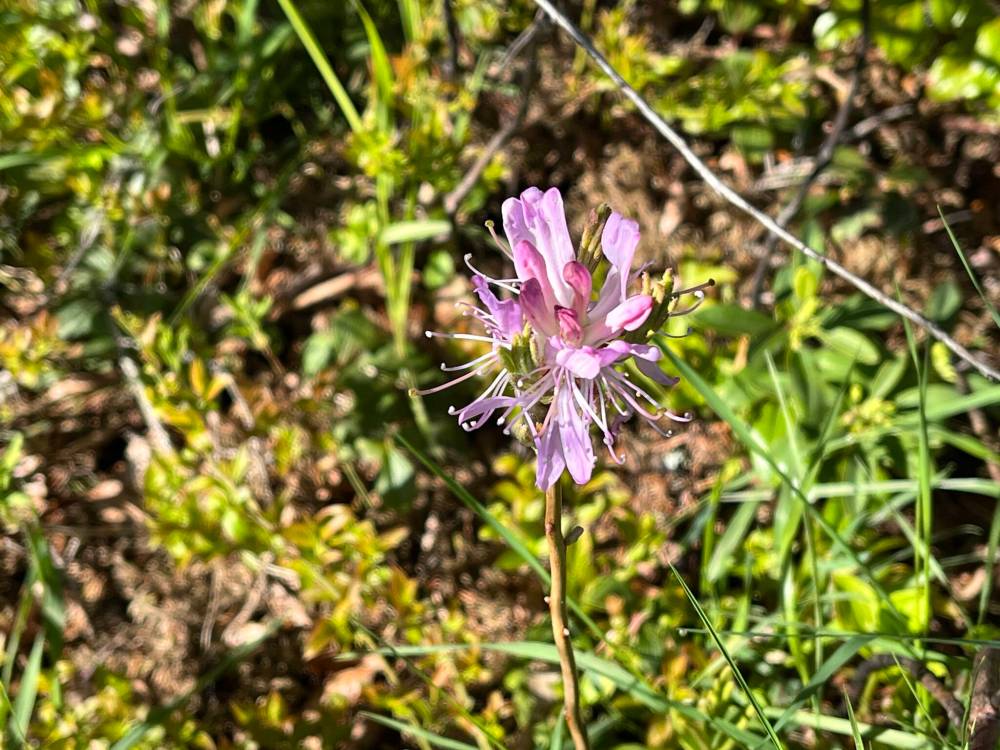
Russell Wangersky/Free Press
A solitary bog flower.
Russell Wangersky
Perspectives editor
Russell Wangersky is Perspectives Editor for the Winnipeg Free Press, and also writes editorials and columns. He worked at newspapers in Newfoundland and Labrador, Ontario and Saskatchewan before joining the Free Press in 2023. A seven-time National Newspaper Award finalist for opinion writing, he’s also penned eight books. Read more about Russell.
Russell oversees the team that publishes editorials, opinions and analysis — part of the Free Press‘s tradition, since 1872, of producing reliable independent journalism. Read more about Free Press’s history and mandate, and learn how our newsroom operates.
Our newsroom depends on a growing audience of readers to power our journalism. If you are not a paid reader, please consider becoming a subscriber.
Our newsroom depends on its audience of readers to power our journalism. Thank you for your support.
Russell Wangersky
Perspectives editor
Russell Wangersky is Perspectives Editor for the Winnipeg Free Press, and also writes editorials and columns. He worked at newspapers in Newfoundland and Labrador, Ontario and Saskatchewan before joining the Free Press in 2023. A seven-time National Newspaper Award finalist for opinion writing, he’s also penned eight books. Read more about Russell.
Russell oversees the team that publishes editorials, opinions and analysis — part of the Free Press‘s tradition, since 1872, of producing reliable independent journalism. Read more about Free Press’s history and mandate, and learn how our newsroom operates.
Our newsroom depends on a growing audience of readers to power our journalism. If you are not a paid reader, please consider becoming a subscriber.
Our newsroom depends on its audience of readers to power our journalism. Thank you for your support.
Advertisement Advertise With Us
Advertisement Advertise With Us