Winnipeg in deep water over sewage plant Four to six years of capacity left as mayor calls for senior government funds to upgrade facility
Read this article for free:
or
Already have an account? Log in here »
To continue reading, please subscribe:

Digital Subscription
One year of digital access for only $205*
- Enjoy unlimited reading on winnipegfreepress.com
- Read the E-Edition, our digital replica newspaper
- Access News Break, our award-winning app
- Play interactive puzzles
*First annual payment billed as $205.00 + GST for one year. This annual subscription will automatically renew at $233.00 + GST every 52 weeks (10% off the regular annual price of $259.35). Offer available to new and qualified returning subscribers only. Cancel any time.
To continue reading, please subscribe:
Add Free Press access to your Brandon Sun subscription for only an additional
$1 for the first 4 weeks*
- Enjoy unlimited reading on winnipegfreepress.com
- Read the E-Edition, our digital replica newspaper
- Access News Break, our award-winning app
- Play interactive puzzles
*Your next Brandon Sun subscription payment will increase by $1.00 and you will be charged $17.95 plus GST for four weeks. After four weeks, your payment will increase to $24.95 plus GST every four weeks.
Read unlimited articles for free today:
or
Already have an account? Log in here »
Hey there, time traveller!
This article was published 18/11/2024 (671 days ago), so information in it may no longer be current.
Winnipeg is facing a “crisis moment” as its risk of running out of sewage capacity rises, Mayor Scott Gillingham says.
The city has about four to six years of capacity left to process sewage sludge into “biosolids,” a key step in wastewater treatment, a new staff report notes.
“This is very urgent. We have four to six years of capacity left and it’s going to take at least four to five years to build (an upgraded biosolids facility to expand capacity). And then there’s no more room, no more capacity. In my mind, this is a crisis moment. We need to continue to work with the federal and provincial governments to get the funding in place to build the north end (sewage treatment) plant as quickly as possible,” said Gillingham.
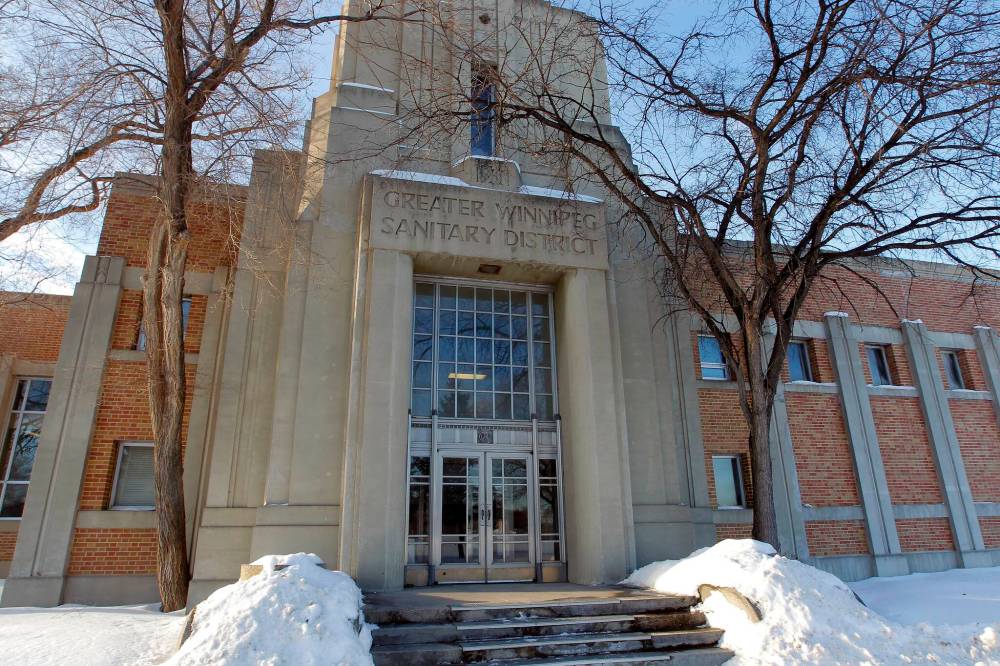
BORIS MINKEVICH / FREE PRESS FILES
The long-awaited second phase of north end sewage treatment plant upgrades would create a new biosolids facility that can handle more material.
“No capacity means no homes can be built, no commercial, no industrial. So, it’s very, very serious,” the mayor added.
The long-awaited second phase of north end sewage treatment plant upgrades will create a new biosolids facility that can handle more material.
The city, province and feds had a funding deal to complete that phase of the work for $553 million before the project’s price soared to $1.035 billion.
The city has yet to secure additional funding from senior governments to help cover the increased cost, though Gillingham said discussions are well underway.
Related Articles
Mayes questions wisdom of transferring revenue in light of mega-sewage projects


“We’re in good and deep discussions with the provincial government. (Premier Wab Kinew) has told me, and I believe him, that this has been a priority for him, as well … This is also a priority in my discussions with (Winnipeg South MP) Terry Duguid and (federal) Minister (Dan) Vandal. They’ve also said this is a priority,” he said.
The city expects it will cost at least $2.38 billion to complete the entire, three-phase north end sewage treatment plant upgrade, which a June water and waste report estimated could rise to $3 billion.
Gillingham said city staff are exploring ways to extend sewage treatment capacity at the existing biosolids facility but getting funding in place is critical.
MIKAELA MACKENZIE / FREE PRESS FILES
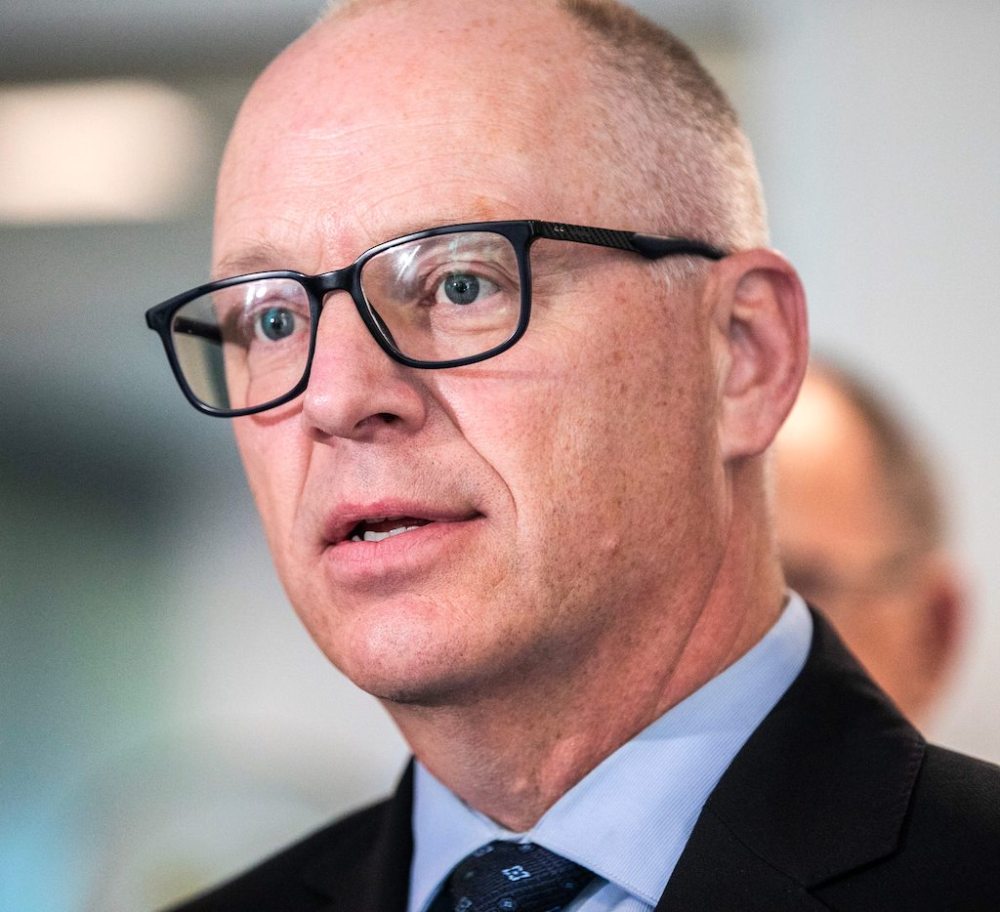
Winnipeg Mayor Scott Gillingham.
“Can you imagine coming to the place where we have to say no to any development in the City of Winnipeg? If we don’t have the capacity, we can’t build” he said.
A city staff report says other ongoing sewage upgrades could help extend sewage treatment capacity, while higher-than-expected commercial or residential growth could lead it to run out sooner. In 2023, staff estimated five to seven years of capacity remained.
Stakeholders in Manitoba’s construction and development sector are also advocating for senior government funding for the project, said Lanny McInnes, president of the Manitoba Home Builders’ Association.
“We share the mayor’s concern and sense of urgency over this. It is a critical component in — not just Winnipeg — but the municipalities surrounding Winnipeg (being able) to grow,” said McInnes, who also serves as executive director of the Urban Development Institute of Manitoba.
He said officials on all levels of government are aware of the situation and the potential consequences Manitoba will face should its capital be forced to halt development.
“We are at risk of putting a ‘closed for business’ sign up in terms of future development and future investment,” McInnes said. “Seeing a report that says we are four to six years away from reaching our maximum capacity means we are four to six years away from not being able to grow our economy. That’s a frightening scenario.”
If the city cannot move forward with the second phase of development at the north end facility, it could also limit population growth — crippling the tax base, he added.
MIKAELA MACKENZIE / FREE PRESS FILES
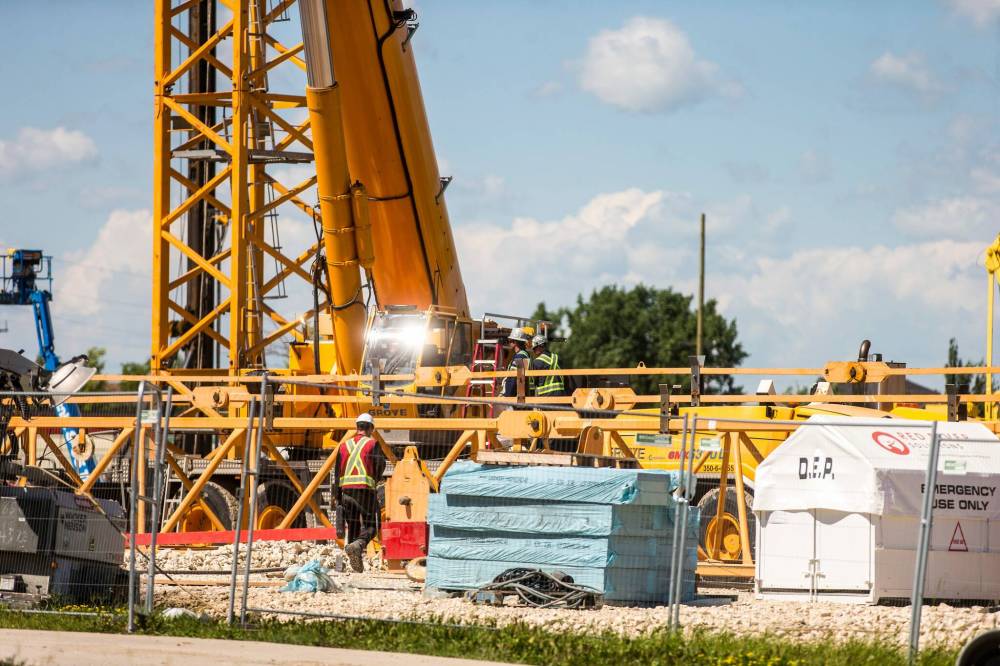
The city, province and federal government had a funding deal in place to complete the second phase of north end sewage treatment plant upgrades for $553 million before the project’s price soared to $1.035 billion.
Darryl Harrison, the director of stakeholder engagement at the Winnipeg Construction Association, echoed those concerns. The inability of the city to complete the upgrades, which are now more than 10 years behind schedule, will likely scare off commercial investors, he said.
The city also needs to overhaul the capacity of underground sewage pipes in some areas, Harrison said.
“Both issues need to be (looked) at jointly,” he said. “We want to see all three levels of government (on board) as soon as possible.”

The subject of capacity issues was raised last week during the Home Builders’ Association’s annual forum.
On Thursday, the premier said he would like to complete a funding deal on the upgrade within the next few months.
“The biggest risk for this cost continuing to go up is if there’s more delays to this project … The thing has to get built, so let’s just try to build it as soon as we can, so it’s the lowest cost (possible),” said Kinew.

BORIS MINKEVICH / FREE PRESS FILES
According to a new staff report, Winnipeg has about four to six years of capacity left to process sewage sludge into “biosolids,” a key step in wastewater treatment.
On Monday, a provincial government spokesman said there was no update available on whether the province will increase its funding for the project.
— with files from Tyler Searle
joyanne.pursaga@freepress.mb.ca
X: @joyanne_pursaga

Joyanne is city hall reporter for the Winnipeg Free Press. A reporter since 2004, she began covering politics exclusively in 2012, writing on city hall and the Manitoba Legislature for the Winnipeg Sun before joining the Free Press in early 2020. Read more about Joyanne.
Every piece of reporting Joyanne produces is reviewed by an editing team before it is posted online or published in print — part of the Free Press‘s tradition, since 1872, of producing reliable independent journalism. Read more about Free Press’s history and mandate, and learn how our newsroom operates.
Our newsroom depends on a growing audience of readers to power our journalism. If you are not a paid reader, please consider becoming a subscriber.
Our newsroom depends on its audience of readers to power our journalism. Thank you for your support.