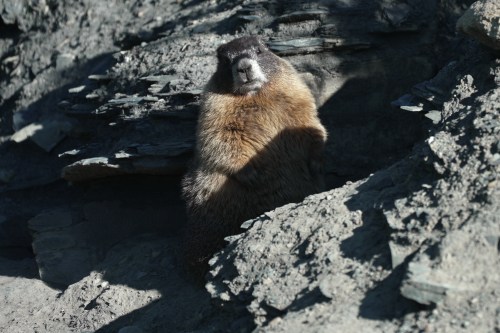
Move over bears. Fat Marmot Week puts a spotlight on the alpine rodents

Advertisement

Advertise with us

GOTHIC, Colo. (AP) — Last winter was tough for marmots living high in the Colorado mountains, where researchers say two-thirds of one population died while hibernating because of insufficient snow cover.

Read this article for free:


or

Already have an account? Log in here »

To continue reading, please subscribe:

Subscribe and receive a limited-edition Free Press branded hat or tote.

Digital Subscription

One year of digital access for only $205*

  • Enjoy unlimited reading on winnipegfreepress.com
  • Read the E-Edition, our digital replica newspaper
  • Access News Break, our award-winning app
  • Play interactive puzzles

*First annual payment billed as $205.00 + GST for one year. This annual subscription will automatically renew at $233.00 + GST every 52 weeks (10% off the regular annual price of $259.35). Offer available to new and qualified returning subscribers only. Cancel any time.

To continue reading, please subscribe:

Add Free Press access to your Brandon Sun subscription for only an additional

$1 for the first 4 weeks*

  • Enjoy unlimited reading on winnipegfreepress.com
  • Read the E-Edition, our digital replica newspaper
  • Access News Break, our award-winning app
  • Play interactive puzzles
Start now

*Your next Brandon Sun subscription payment will increase by $1.00 and you will be charged $17.95 plus GST for four weeks. After four weeks, your payment will increase to $24.95 plus GST every four weeks.

GOTHIC, Colo. (AP) — Last winter was tough for marmots living high in the Colorado mountains, where researchers say two-thirds of one population died while hibernating because of insufficient snow cover.

Those that survived are doing well, fattening up in time not just for fall and hibernation season but … drumroll, please … the very first Fat Marmot Week.

Just like Fat Bear Week, an online contest to vote for Alaskan brown bears plumped up for winter, Fat Marmot Week — beginning Monday — is mostly just for fun, but it also has a serious side: Scientists need to drum up donations for their long-running research into the rodents to keep it going through federal funding cuts.

“In some sense, we’re going to be laughing our way down as the Titanic sinks,” said Dan Blumstein, leader of the project launched decades ago at the Rocky Mountain Biological Laboratory in Gothic, Colorado. “Because what else are you going to do?”

But wait. What’s a marmot?

A marmot is a cat-sized, furry ground squirrel that lives in burrows in North America, Europe and Asia. The 15 or so species worldwide include groundhogs, which have their own special day, Feb. 2, in the U.S. and Canada.

In the Rocky Mountains, yellow-bellied marmots are plentiful. Hikers often spot these charismatic creatures perched on boulders or scurrying through wildflowers.

Marmots aren’t shy near trails popular with people. Watch out: A bold one might swipe your snack.

Like people, marmots have personalities and are “flexibly social,” meaning some like to intermingle in colonies of up to 30 animals while others prefer solitude, according to Emily Renkey, a master’s program student at the University of California, Los Angeles.
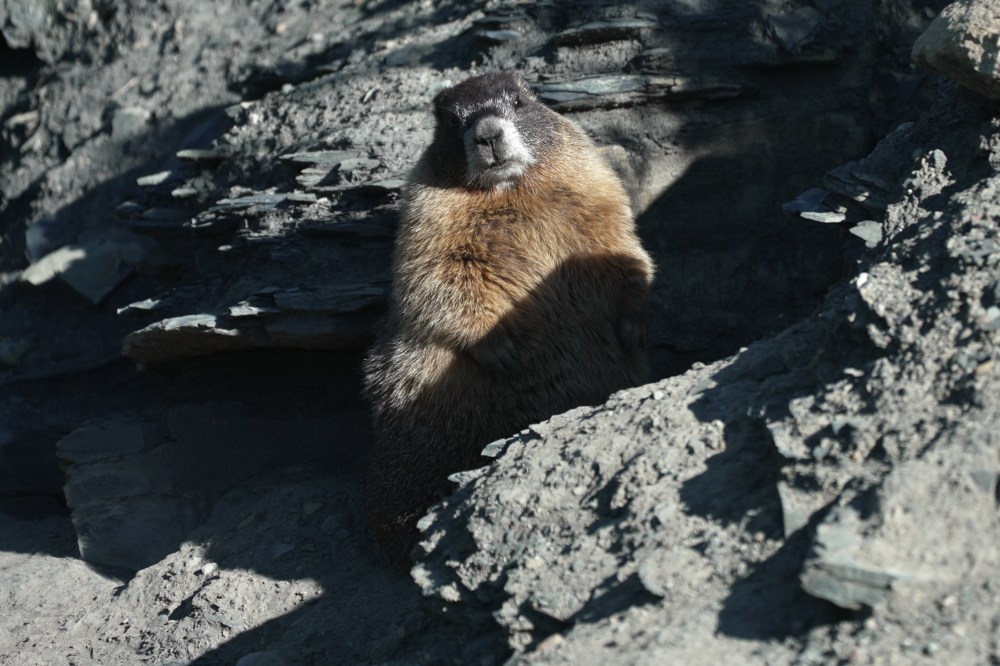
A marmot named 9 sits outside of her den Thursday, Aug. 6, 2026, in Gothic, Colo. (AP Photo/Brittany Peterson)

“We kind of understand these marmots just by looking at them sometimes, because we can kind of tell who’s who just by how they behave and how they interact with one another,” said Katie Adler, a UCLA doctoral student.

Some marmots are difficult to study because they are wary of researchers’ efforts to trap them using wire boxes baited with an enticing mixture of oats and peanut butter, Renkey said.

“Others, you could trap three or four times in the same morning,” she said.

Marmots are big-time snoozers

While hibernating bears snooze in a state called torpor, allowing them to wake up — or be woken up — every now and then, marmots slip into a far deeper form of hibernation. Their body temperature drops from about that of a human to as low as 41 degrees Fahrenheit (5 degrees Celsius), not much warmer than their burrows in winter.

“You pick up a hibernating marmot and it’s this fuzzy ball and it feels like a cold rock with fur. It’s completely surreal,” Blumstein said. “They breathe once a minute or two.”
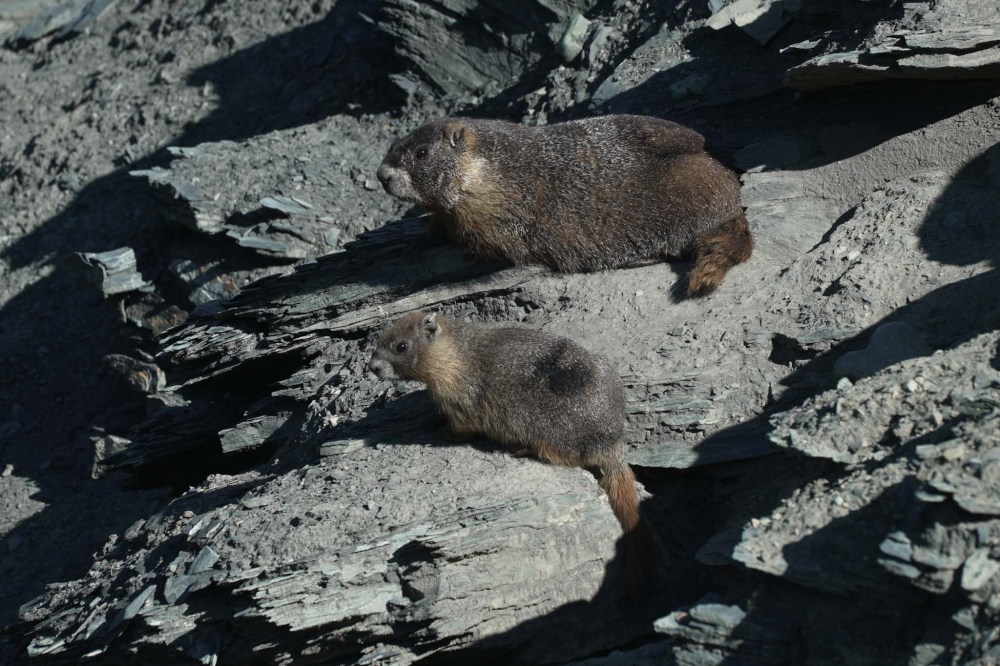
A marmot named 9 sits with one of her pups Thursday, Aug. 6, 2026, in Gothic, Colo. (AP Photo/Brittany Peterson)

To prepare for winter, the animals do a tremendous amount of fattening. They double their weight to as much as 13 pounds (6 kilograms), then lose all of that bulk during half a year or more of hibernation.

“Marmots come out of the ground really skinny, relative to what they look like now, at least,” Adler said.

A poor snowpack affects more than the ski season

Last winter, scant snowfall and warm temperatures due to global warming deprived many Colorado marmots of an insulating blanket of snow over their burrows. Researchers believe their hibernation quarters got too chilly, causing many to die of cold.

“We had over 160 animals and we ended with 60 at the start of this season,” Blumstein said. “Most of them died because of the lack of snow cover.”

This year’s snowpack was the worst on record in the Upper Colorado River Basin, which includes Wyoming, Colorado, Utah and New Mexico. Human-caused climate change made the snow drought about 14 times more likely, a new study confirms.
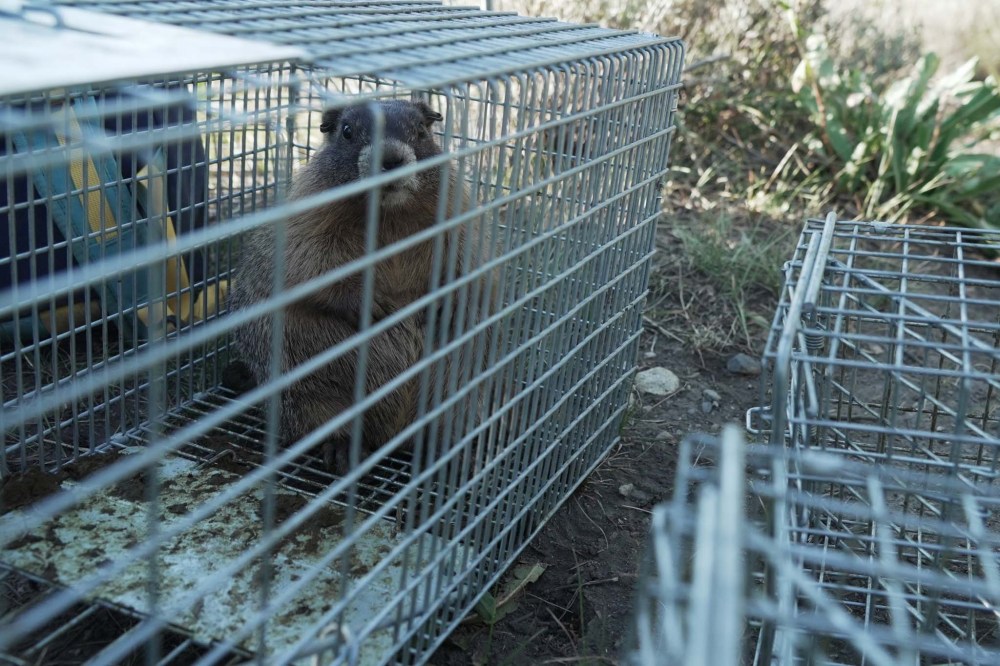
A marmot pup looks out from a trap Thursday, Aug. 6, 2026, in Gothic, Colo. (AP Photo/Brittany Peterson)

Hundreds of researchers at the Rocky Mountain Biological Laboratory have observed changes including fewer bees and other pollinators, and sagebrush encroaching in valleys once dominated by wildflowers.

Precipitation changes, meanwhile, literally cascade downstream to where farmers and communities need water to survive.

“The snowmelt here impacts the Colorado River which impacts our drinking water,” Renkey said. “What happens in these mountains doesn’t stay in these mountains. It impacts all of us.”

Mouseketeers, musketeers and marmoteers

The study in Gothic, about 20 miles (32 kilometers) south of Aspen, is run by researchers from UCLA and the University of Ottawa in Ontario. It was launched in 1962, making it one of the world’s longest-running studies of individual mammals.

The marmot researchers affectionately call themselves “marmoteers.”
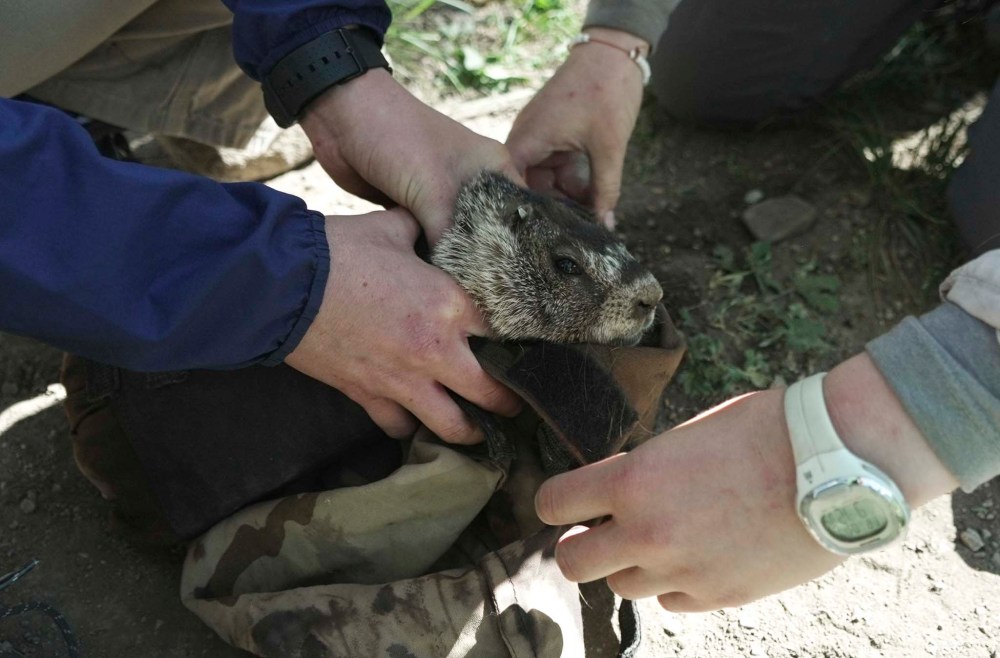
Researchers from the University of California, Los Angeles measure a marmot Friday, Aug. 7, 2026, in Gothic, Colo. (AP Photo/Brittany Peterson)

“It allows graduate students and other people to come in and suddenly capitalize on this knowledge and ask questions. Without doing all the grunt work,” Blumstein said.

Funding cuts have caused Blumstein’s UCLA department to lose one-third of its graduate students. Fat Marmot Week is one approach to attract interest — and hopefully donations — to keep the work going. Among the rodents on display: Stonehenge, who chirps at mountain bikers; and Citroen, whose mate is a leader of this matriarchal marmot motherland. Voting opens Monday.

The researchers have also been posting marmot videos to the OnlyFans adult content platform. To capitalize on the attention those posts have garnered, a “super fan” created a meme coin, a type of cryptocurrency, called $OnlyMarms, and donates transaction fees to the research program. That alone has raised around $100,000.

The team needs to bank three years of funding — over $200,000 — to ensure marmot research can continue next summer.

“People have to find funding in ways that we’ve never really thought of before,” Adler said. “Like reaching out to the broader community to get people engaged.”
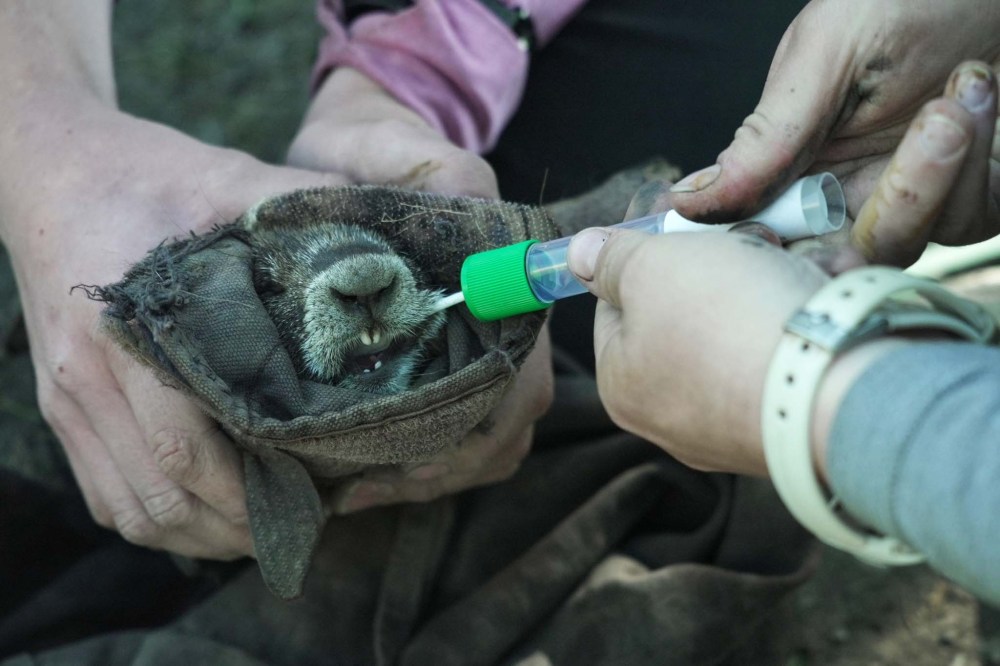
Researchers swab the cheek of a marmot Thursday, Aug. 6, 2026, in Gothic, Colo. (AP Photo/Brittany Peterson)

The Associated Press’ climate and environmental coverage receives financial support from multiple private foundations. AP is solely responsible for all content. Find AP’s standards for working with philanthropies, a list of supporters and funded coverage areas at AP.org.
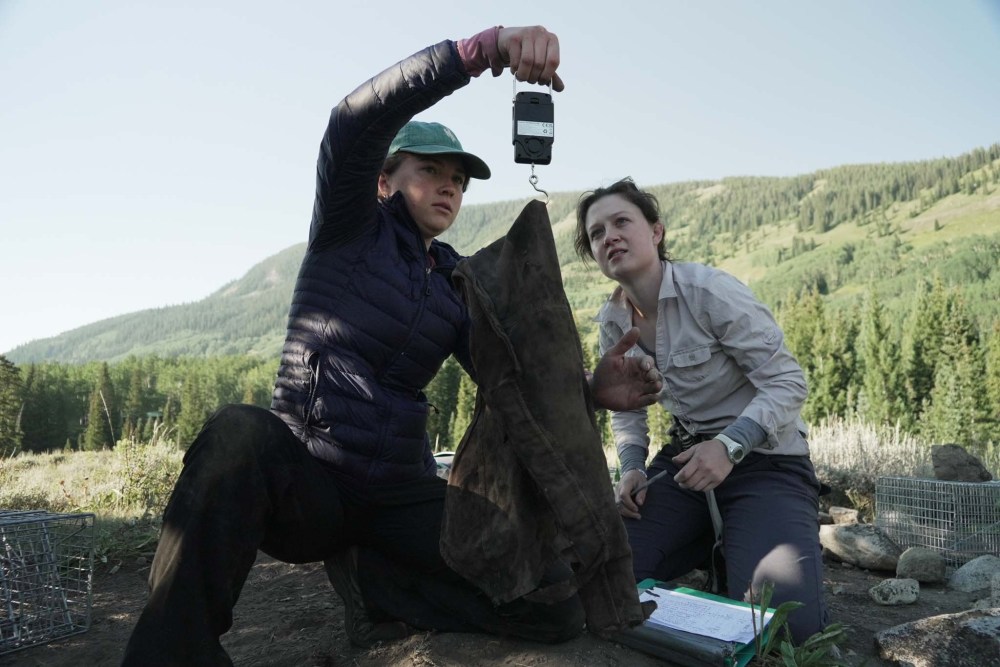
Columbia University undergraduate student Isabel Norman, left, learns how to weigh a marmot under the supervision of Katie Adler, a doctoral student at the University of California, Los Angeles, Thursday, Aug. 6, 2026, in Gothic, Colo. (AP Photo/Brittany Peterson)
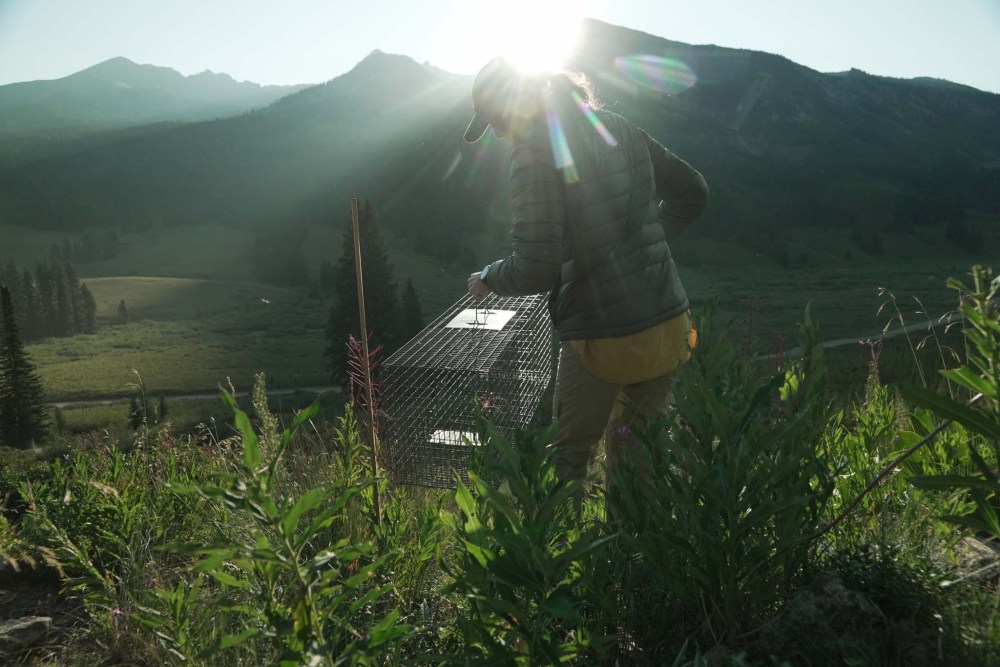
Emily Renkey, a University of California, Los Angeles masters student, moves a marmot trap Friday, Aug. 7, 2026, in Gothic, Colo. (AP Photo/Brittany Peterson)
Report Error Submit a Tip

More Stories

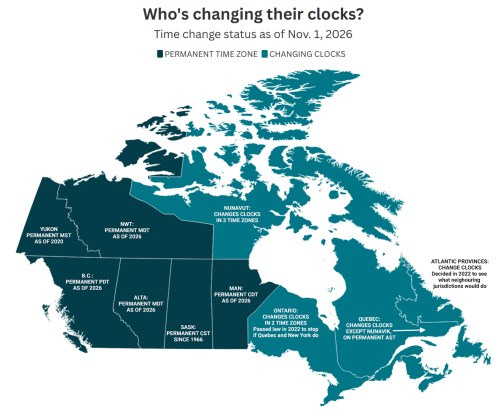
A quick look at where provinces and territories stand on time changes

The Canadian Press 2 minute read Preview

A quick look at where provinces and territories stand on time changes

The Canadian Press 2 minute read Friday, Sep. 18, 2026

WINNIPEG - Manitoba's government said Thursday the province will be sticking with daylight time year-round, making it the latest jurisdiction to move away from twice-annual time changes. Here's a look at where things stand across Canada:

British Columbia said in March that it was moving to permanent Pacific daylight time. The change also means that parts of northeastern B.C., which have been on mountain standard time year round, are now in alignment with the rest of the province.

Alberta also switched to permanent daylight time this year in what it calls Alberta time. The change means it now has the same time as Saskatchewan year round.

Saskatchewan has been on permanent central standard time since 1966.

Read
Friday, Sep. 18, 2026

Move over bears. Fat Marmot Week puts a spotlight on the alpine rodents

Brittany Peterson And Mead Gruver, The Associated Press 6 minute read Preview

Move over bears. Fat Marmot Week puts a spotlight on the alpine rodents

Brittany Peterson And Mead Gruver, The Associated Press 6 minute read Tuesday, Aug. 25, 2026

Just like Fat Bear Week, an online contest to vote for Alaskan brown bears plumped up for winter, Fat Marmot Week is mostly just for fun, but it also has a serious side: Scientists need to drum up donations for their long-running research into the rodents to keep it going through federal funding cuts.

Read
Tuesday, Aug. 25, 2026

Cabernet Sauvignon star of wine festival

Ben Sigurdson 6 minute read Preview

Cabernet Sauvignon star of wine festival

Ben Sigurdson 6 minute read Yesterday at 3:00 AM CDT

The Winnipeg Wine Festival will celebrate the king of red wine grapes next weekend — the theme of this year’s festival, which takes place Sept. 25 and 26 at the RBC Convention Centre, is Cabernet Sauvignon.

Cab Sauv, as it’s also known, is the world’s most widely planted wine grape of any colour, first coming to prominence in the 1800s in France’s Bordeaux region, where the grape is still popular. Rather than single-variety wines, Bordeaux reds tend to be blends, with those coming from the left bank of the Gironde estuary being Cabernet-dominant, while right-bank wines are Merlot-dominant, with Cabernet Sauvignon playing a supporting role. Cabernet and Merlot work well together and many other countries have followed suit in blending the two.

A team at University of California Davis put Cabernet Sauvignon through a DNA test in 1996 and discovered its parent grapes are Cabernet Franc and Sauvignon Blanc — it’s likely that at some point the two varieties, planted next to each other in some vineyard, crossed and mutated and became the grape we know today. (Someone growing grapes in the 19th century must have had an inkling of what was up, as the grape has been called Cabernet Sauvignon since long before the DNA test.)

Flavour-wise, most Cabernet Sauvignon wines are big and bold, with a core of deep dark berry flavours, some graphite and spice notes and relatively bright acidity. It’s a grape that is well-suited to barrel aging, with most examples seeing at least some time in wood.

Read
Yesterday at 3:00 AM CDT

Today’s horoscope

Georgia Nicols 4 minute read Preview

Today’s horoscope

Georgia Nicols 4 minute read 2:00 AM CDT

MOON ALERT: There are no restrictions to shopping or important decisions today. The moon is in Capricorn.

ARIES (March 21-April 19)

Be aware that people notice you more than usual. In fact, some people will even know personal details about your private life. Consider this in case you have to do some damage control. This is a relaxed day and a chatty one.

TAURUS (April 20-May 20)

Read
2:00 AM CDT

National Black Canadians Summit celebrates culture, combats racism

Gabrielle Piché 4 minute read Preview

National Black Canadians Summit celebrates culture, combats racism

Gabrielle Piché 4 minute read Yesterday at 6:06 PM CDT

Despite the event’s name — the National Black Canadians Summit — Bruce Miller felt he should attend.

He booked a ticket. And so, this weekend, the Indigenous Manitoban joined roughly 1,500 people flocking to the RBC Convention Centre.

It’s a full schedule — addresses from a former Canadian governor general, sessions on Black mental health and anti-Black racism.

The annual event draws politicians, artists and other professionals from across the country.

Read
Yesterday at 6:06 PM CDT

American Hostage stars recall warmth of Winnipeggers during brutal winter

Randall King 7 minute read Preview

American Hostage stars recall warmth of Winnipeggers during brutal winter

Randall King 7 minute read Friday, Sep. 18, 2026

TORONTO — When you stream the eight-part series American Hostage, a sense of familiarity may strike.

That’s because the show was shot in Winnipeg — especially in the Exchange District — from November of last year to the beginning of February, with Winnipeg portraying Indianapolis circa 1977.

The whole world seemed to be watching that midwest American city that year as a hostage crisis unfolded involving one Tony Kiritsis, an angry man who goes ballistic when a mortgage brokerage was poised to foreclose on property he had dreamed of developing into a shopping centre.

Kiritsis kidnapped his mortgage broker, Richard Hall, wiring a shotgun to the back of his head, and demanded a public airing of his grievances, with the reluctant help of popular radio broadcaster Fred Heckman.

Read
Friday, Sep. 18, 2026