Ready for turn out, day in, day out At Station No. 1, the city’s busiest firefighter and paramedic hall, first responders face a relentless, taxing workload within a system heavily strained by the opioid crisis
Read this article for free:
or
Already have an account? Log in here »
To continue reading, please subscribe:
Digital Subscription
One year of digital access for only $1.44 a week*
- Enjoy unlimited reading on winnipegfreepress.com
- Read the E-Edition, our digital replica newspaper
- Access News Break, our award-winning app
- Play interactive puzzles
*Billed as $5.77 plus GST every four weeks. After 52 weeks, price increases to the regular rate of $19.95 plus GST every four weeks. Offer available to new and qualified returning subscribers only. Cancel any time.
To continue reading, please subscribe:
Add Free Press access to your Brandon Sun subscription for only an additional
$1 for the first 4 weeks*
- Enjoy unlimited reading on winnipegfreepress.com
- Read the E-Edition, our digital replica newspaper
- Access News Break, our award-winning app
- Play interactive puzzles
*Your next Brandon Sun subscription payment will increase by $1.00 and you will be charged $17.95 plus GST for four weeks. After four weeks, your payment will increase to $24.95 plus GST every four weeks.
Read unlimited articles for free today:
or
Already have an account? Log in here »
As a soft rain begins to fall between the concrete walls of “Hope Alley,” little feels further away than the place’s namesake.
Winnipeg Fire Paramedic Service crews have been called to the narrow downtown passage, named by Al Wiebe, a formerly homeless man turned advocate. People regularly pass through here, moving between the shelters, drop-ins and resource centres clustered around Main Street between Logan and Higgins avenues.
Against a wall, as the sky switches into night mode, a man sits bleeding from his nose, seemingly unaware of how he ended up with blood running down his T-shirt.
His situation has already set Winnipeg’s emergency response network in motion.
ROBERT LEE / FREE PRESS The rainy weather and scant details in a 911 call add to the challenges facing first responders who assist a man who had fallen in a walkway off of Main Street.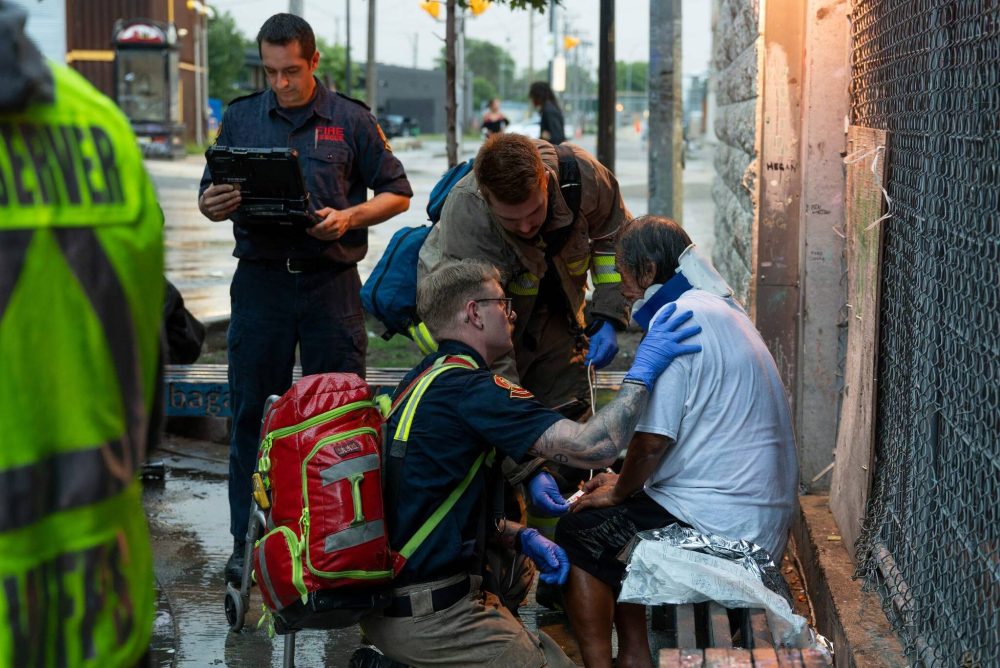
Each emergency call begins at the Winnipeg Police Service’s 911 call centre. When the caller needs fire or ambulance, the call is transferred to a trained — and often overworked — dispatcher at an undisclosed location.
Soon, the pertinent details crackle over the intercom at Station 1, at 65 Ellen St., the city’s busiest fire and paramedic hall and one of the busiest in Canada.
Four firefighters move quickly but without panic. Their turnout gear is already waiting for them, boots tucked into pants, ready to be stepped into and pulled up in one motion. The goal is to be dressed, aboard the truck and rolling within a minute.
Lights flashing and sirens sounding, Engine 101 pulls out of the hall. A pursuit vehicle follows, with firefighter Aaron Manaigre behind the wheel and district chief Brad Mazor riding shotgun.
The engine races north on Dagmar Street, turns east onto William Avenue and then north again on King Street before cutting through a parking lot and into the cramped back lane connecting to Hope Alley.
Spray-painted on a wall near the entrance is a welcome of sorts: Sup Bitch.
ROBERT LEE / FREE PRESS People regularly pass through "Hope Alley" moving between the shelters, drop-ins and resource centres clustered around Main Street between Logan and Higgins avenues.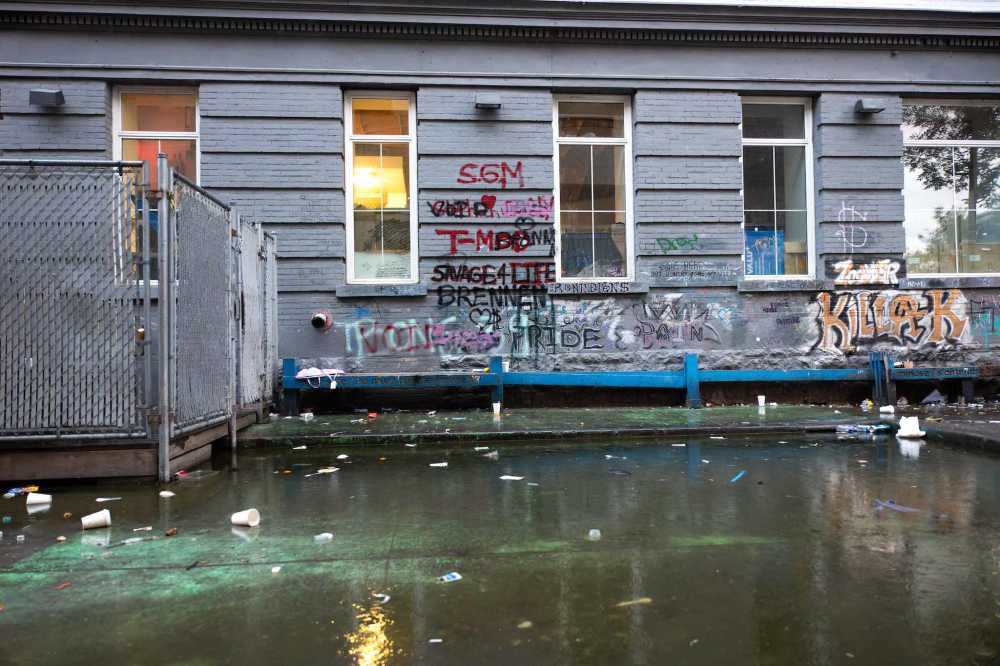
Within seconds, the four firefighters are out of the engine, which must negotiate around a Toyota 4Runner that’s been illegally parked.
The 911 call came from a worker with N’Dinawemak’s Community Team, which patrols the area, but the details are scant. The man fell, but no one saw it happen, the firefighters are told.
The rain has only just begun, driving people into the relative shelter of the alley. It is crowded, with many of those gathered seemingly unaware of the injured man being assessed by firefighter-paramedics only feet away.
The rain complicates things. The crew’s rugged laptops — the sort of heavy-duty machines that look more at home in a Jason Bourne movie — struggle in the wet.
The man is fitted with a neck brace. The blood on his face is cleaned as best as it can be.
Nearby, a captain watches everything around them. He scans the alley for anything that could endanger or distract the medics, trying to establish a makeshift perimeter in a place where there is barely room for one.
ROBERT LEE / FREE PRESS District Chief Brad Mazor says the sheer volume of calls puts immense pressure on the system.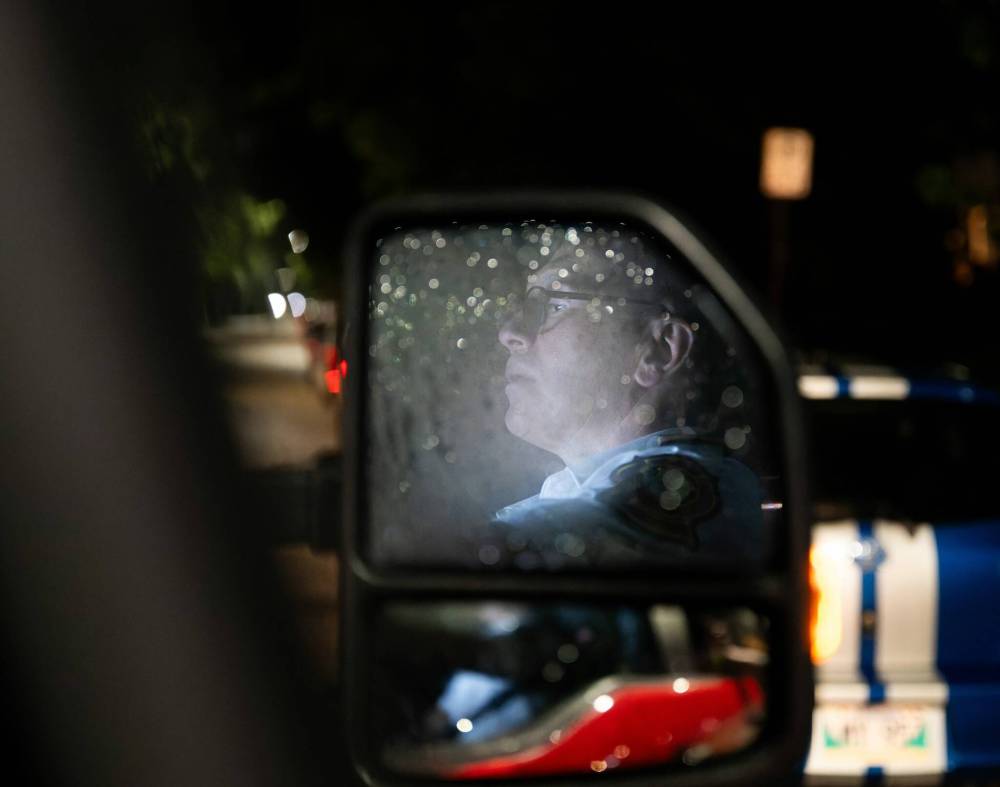
Another problem emerges.
Water is collecting in a depression, forming a growing pool in the alley.
“It’s making people sick,” a woman says.
She asks for a pair of latex gloves.
Mazor asks one of his firefighters to grab a pair. The woman, with a glove stretched over her left hand and up past a bandaged portion of her forearm, reaches into the murky water, pulling out bits of debris, then a metal signpost several feet taller than she is.
The firefighters keep working.
One slip, one injury, and the scene unfolding in Hope Alley could trigger another emergency response — another engine dispatched, another ambulance needed or some of the first responders already here forced to turn their attention elsewhere.
Eventually, an ambulance arrives.
Mazor, who is retiring in January after more than three decades on the job, helps the paramedics carve a path through the crowd. The injured man is lifted onto a stretcher, wheeled out of the alley and loaded into the ambulance for the trip to hospital.
One patient is on his way to care.
But now that ambulance is tied up.
For a system already stretched thin, every occupied unit matters.
Throughout the night, calls will stack up on the computer program used to track Winnipeg’s emergency medical resources. Again and again, a warning will appear:
EMS degradation. No EMS available.
ROBERT LEE / FREE PRESS Dispatchers answer calls in the dimly lit comms centre.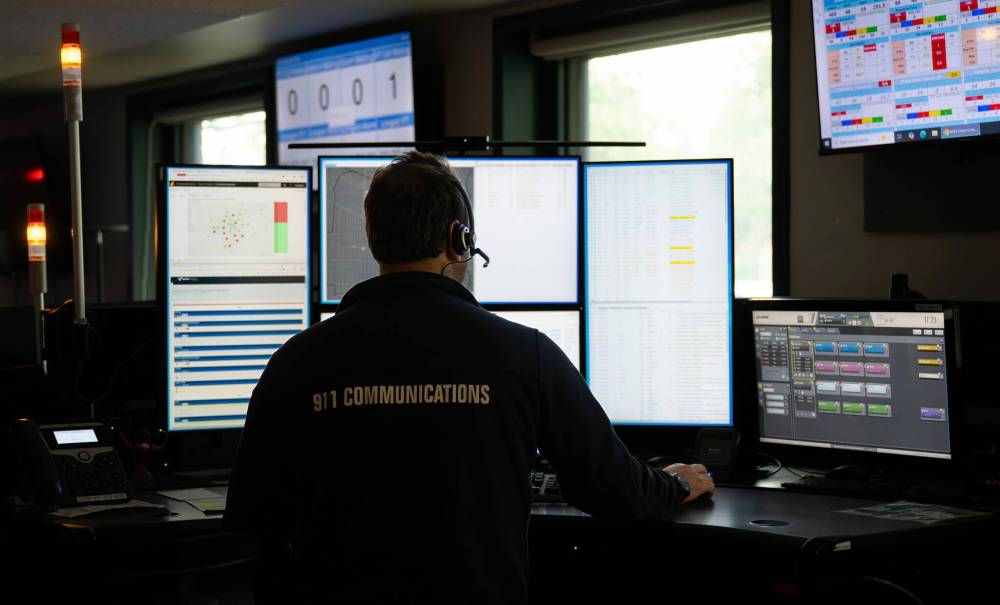
Back at the dimly lit comms centre, dispatchers sort calls into five categories. Category 1 is reserved for the most acute emergencies, when help is needed immediately. At the other end are patients whose conditions are considered less urgent.
They can wait. And, on this night, they will.
There is at least a small reprieve. Overdose calls, which have battered Winnipeg’s emergency services throughout the year, are not flooding the system at their usual pace. Crews speculate the rain may be keeping people indoors or under cover.
It hardly means they are idle.
Falls. Chest pain. Calls where the information is so limited dispatchers cannot immediately tell what crews will find when they arrive. The calls keep engines, ambulances and other emergency vehicles moving through Winnipeg and away from their home bases.
“It’s sad,” Mazor says later in the evening, during a 12-hour Free Press ride-along with fire and paramedic crews based at Station 1.
At one point, a 94-year-old woman who has fallen is waiting for help.
So is a man in his 30s experiencing chest pain.
ROBERT LEE / FREE PRESS Dispatchers sort calls into five categories, with category 1 reserved for the most acute emergencies.
Their calls matter, too. There simply aren’t enough available crews and vehicles to reach everyone at once.
Dispatchers will call waiting patients back periodically to find out whether their conditions have deteriorated. If they have, their priority can be upgraded, pushing them closer to the front of the queue.
But that queue never stands still.
Almost every minute of every hour brings another call, another person waiting somewhere in Winnipeg, another engine or ambulance pulled into motion.
The need for help is relentless.
The Winnipeg Fire Paramedic Service responded to more than 136,000 calls last year, a 30 per cent increase over five years earlier.
Every 911 call first goes through the city’s main emergency call centre. Those requiring fire or paramedic response are then routed to a separate dispatch location roughly the size of a classroom.
The lights are kept low, partly to ease the eye strain that comes with staring at banks of screens for hours at a time. Red lights glow beside each dispatcher’s desk, illuminating whenever a call comes in. If they were brighter, the room might be mistaken for a rave.
ROBERT LEE / FREE PRESS An illuminated red light signals an emergency services dispatcher taking a live call at the 911 comms centre.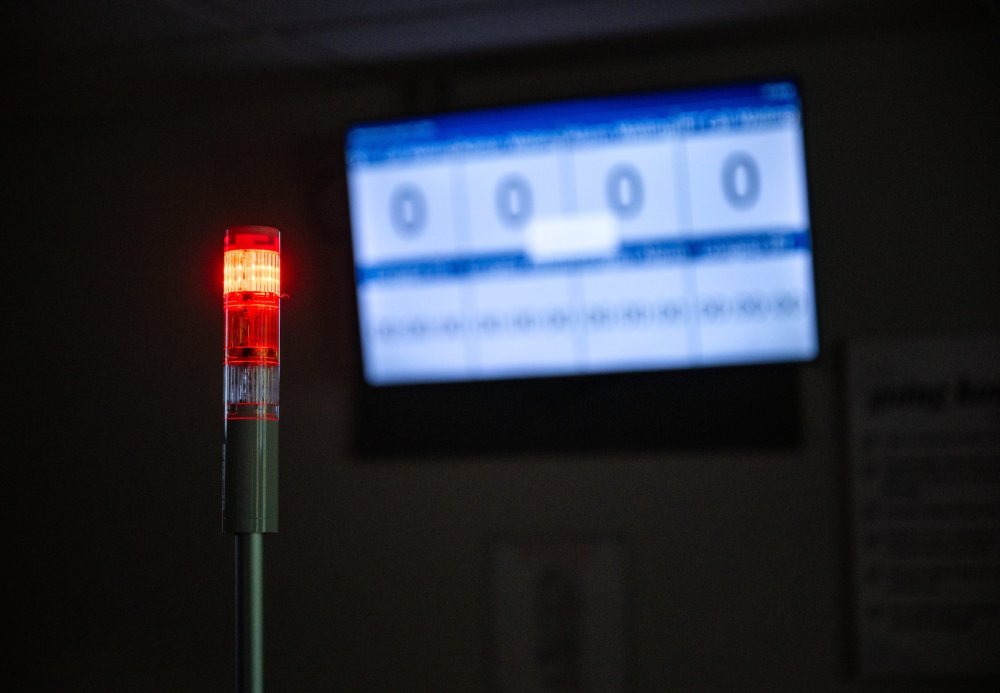
Dispatchers are the first of the first responders. And they are getting hammered.
The room is designed for 12 people. Some days, staffing is closer to half that.
“It’s insane,” one dispatcher says.
Each screen is filled with dozens of calls, each assigned a priority ranking.
Some are handled through a partnership with the Downtown Community Safety Partnership. Others are diverted through enhanced low-acuity triage, or ELAT, a program launched in 2021 where an advanced-care paramedic handles low-acuity 911 calls over the phone. The initiative dealt with more than 11,000 calls last year, with about 60 per cent requiring no emergency response.
The workload takes its toll.
Several dispatchers are currently on leave. Shawna Terletski, district chief of communications, is cognizant that calls can sometimes hit painfully close to home, whether a dispatcher has experienced a suicide in their own family or has a loved one struggling with addiction.
Other times, the frustration comes from knowing help isn’t available quickly enough.
ROBERT LEE / FREE PRESS Shawna Terletski, district chief of communications, acknowledges some calls exact a personal toll.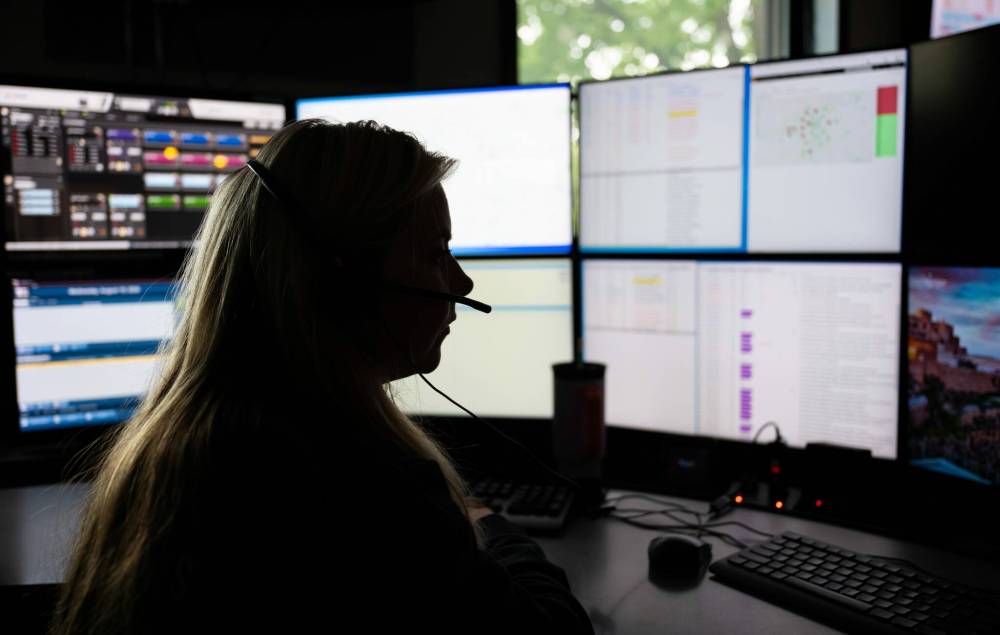
A senior who fell may have been lying there for hours, with no indication of when an ambulance will be free to reach them. The dispatcher can do little but provide a callback every few hours and explain the delay.
“That’s hard,” says one dispatcher, an 18-year veteran. “It’s a helpless feeling. We have to keep explaining to people that there’s not enough resources and that they aren’t sick enough.”
She believes more public education is needed about when it is appropriate to call 911. People call for “all sorts of ridiculous things,” she says, further taxing an already strained system.
When she started nearly two decades ago, she thought she could do the job forever. There was satisfaction in knowing she was helping people.
Now? Perhaps it’s because its near the end of her shift, or that this shift has been particularly taxing, but she’s candid.
“Seven more years,” she says, referring to when she can retire.
Breaks last five minutes. Even taking that much time can bring guilt: stepping away to collect themselves means leaving their already stretched co-workers down another person.
She compares it to another high-pressure workplace.
“It’s a helpless feeling. We have to keep explaining to people that there’s not enough resources and that they aren’t sick enough.”
“At a casino, you have dealers and they’re dealing with other people’s money. They have to stay fresh, so after every hour of them dealing cards, they have to take a 15-minute break so they’re on top of it. We don’t get that luxury, and we’re giving life-saving instructions, we’re delivering children, we’re going through overdoses, we’re doing CPR on people. We are talking to people who’ve just seen their loved one hanging. We’re talking about drownings, fires, people who are trapped. We’re getting hammered.”
Near the call centre’s entrance, a sign titled “Going Home Checklist” offers a reminder of what staff are supposed to do with all of that before heading home.
It encourages staff to take inventory of their shift, reflect on a difficult moment, find something positive in the day and then turn their attention toward life beyond the call centre.
If only it were that easy, some of the dispatchers say.
At the corner of Portage Avenue and Victor Street, a young man lies splayed at an awkward angle beside a fire hydrant.
The woman who called 911 thought he was in his 20s. Moments earlier, she reported, he had been wandering into traffic, apparently high. There’s little else written in the digital box designated for vital information on the call.
Now, he is prone and barely moving, his condition drifting dangerously close to an overdose as one of Station 1’s squad vans — a Ford Transit 350 cargo van fitted for emergency response — pulls to the curb.
ROBERT LEE / FREE PRESS Garrett Moss (left) and Lt. Scott Robertson assist a young man experiencing a drug overdose.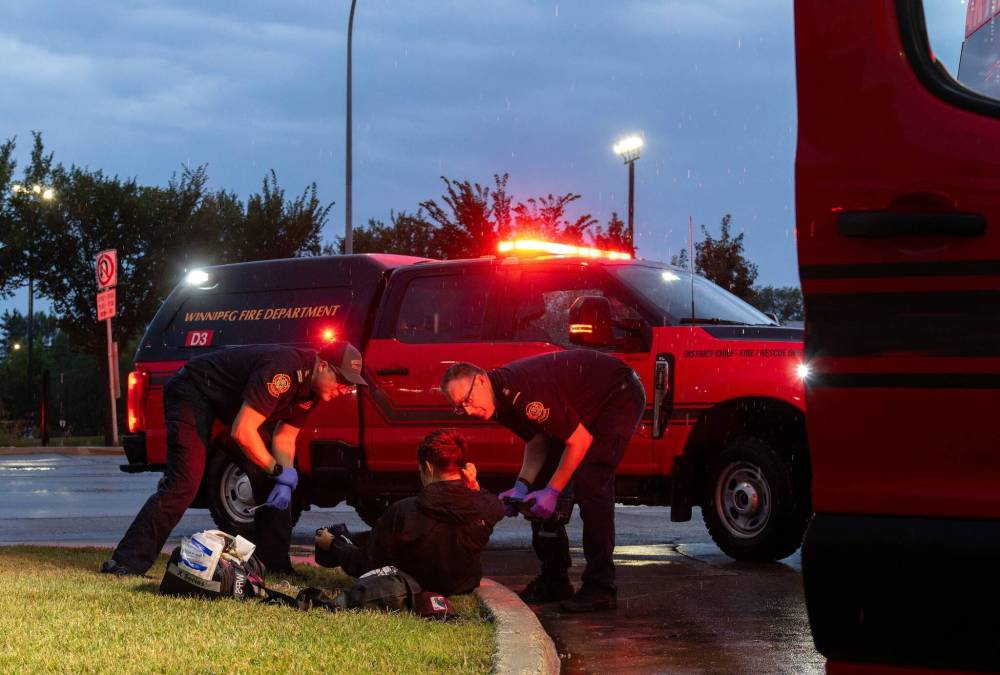
Two firefighters, Lt. Scott Robertson and Garrett Moss, are quickly at his side. Moss draws a large syringe of naloxone, the opioid-overdose reversal drug, as the man begins to stir.
Robertson and Moss repeatedly ask whether they can administer it.
A mask tucked beneath his chin, the man grows increasingly agitated as he comes around. The next few minutes will be unpredictable and could turn dangerous in an instant. Naloxone could save his life if he is overdosing, but it would also abruptly reverse the effects of the opioids in his system and could send him into withdrawal.
He scrambles to his feet and refuses the dose.
“We woke him up, with the magic words that we were going to give him Narcan,” Robertson says. “If they hear that, they feel there’s a risk of them taking their high away.”
For the moment, the danger of slipping into an overdose appears less important than preserving the drug-induced effects the young man is still experiencing. He walks away, rounding the corner of a shuttered commercial building and disappearing from view.
ROBERT LEE / FREE PRESS Moss packs up the ZOLL machine used by paramedics to diagnose, monitor and treat medical emergencies.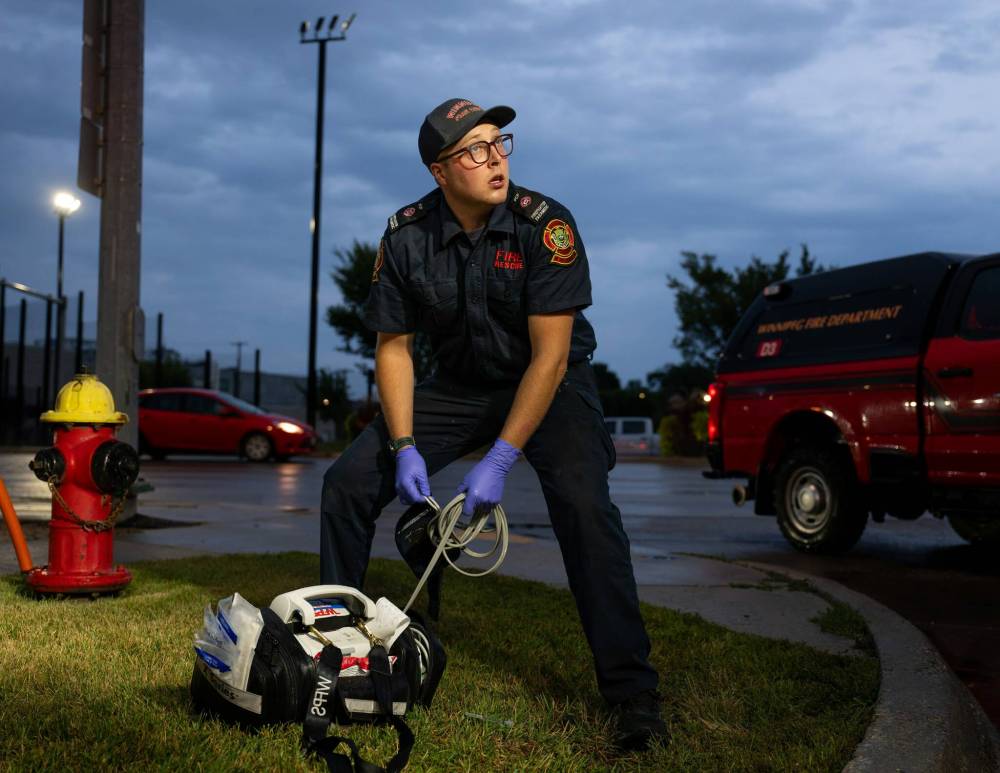
Robertson follows. The man is down again — prone and once more showing signs of a possible overdose. This time, there is no debate. Naloxone is administered.
The man, now revived, spews choice words toward the firefighters.
“He basically told me he’s dopesick now and that I ruined his high,” Robertson says.
Every firefighter and paramedic at the station house seems to have a story about being verbally abused, spat on, threatened with violence or physically assaulted.
John, a firefighter for more than a decade, recounts a call from days earlier where he was bitten by the person he had just revived with naloxone.
“You have to keep your head on a swivel,” he says.
At Portage and Victor, Robertson and Moss emerge unharmed, save for the verbal tongue-lashing.
“You become numb. You start to lose a little bit of compassion. You don’t feel like you’ve made a difference.”
The overdose calls, meanwhile, have become routine.
“I remember a few years ago when the crisis really took off, I did 14 calls before midnight,” Robertson says. “You become numb. You start to lose a little bit of compassion. You don’t feel like you’ve made a difference.”
The official numbers capture only part of what crews are seeing.
Some calls are clearly identified as overdoses. Others come through the call centre as a person down, someone unresponsive on the pavement or a fall, only for crews to discover drugs are involved once they arrive.
“Ones that self-identify as overdose are about two an hour,” Terletski says.
That works out to roughly 50 per day. Terletski says the actual number is at least double that.
There are fleeting moments when the radio quiets.
During a rare stretch of downtime at Station 1, several firefighters gather around a table for a game of TAC, a German board game that bears some resemblance to Sorry!.
It has been months since they’ve had this kind of time together.
ROBERT LEE / FREE PRESS A game of TAC is a popular distraction between calls.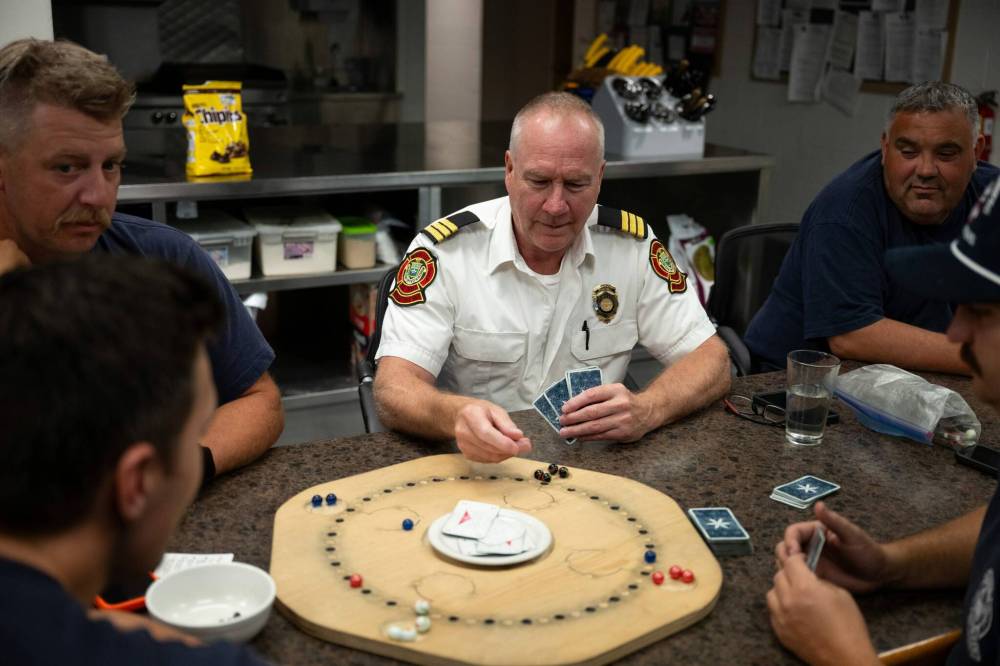
John recalls one shift when he and a co-worker from the same station were both planning to attend a Winnipeg Blue Bombers game later that day. They figured they would sort out where to meet sometime during their shifts.
Over the next 10 hours, they never saw each other once.
“So this is super rare, and super welcome,” John says, advancing one of his marbles a few spaces across the board.
Earlier, most of the firefighters managed to eat together: tri-tip steak, penne pasta and asparagus.
Inevitably, a call comes in.
ROBERT LEE / FREE PRESS A firefighter prepares a dinner of steak tips, pasta and asparagus for the Station 1 crew.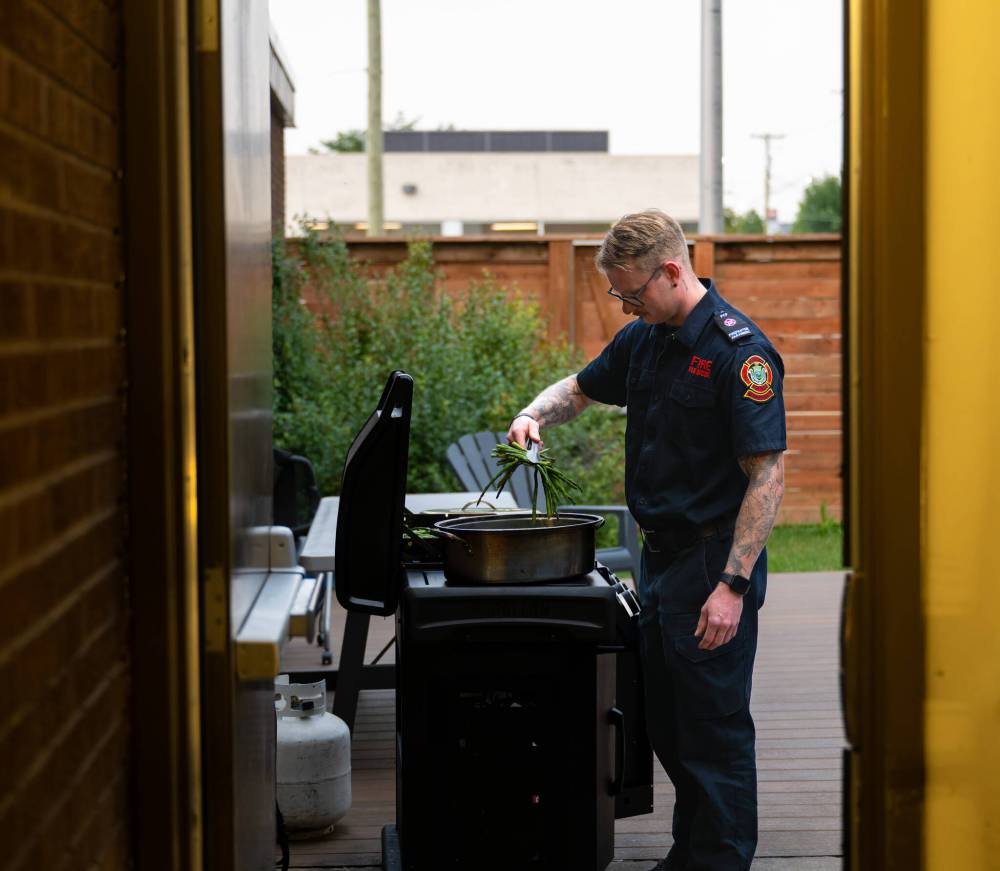
One squad leaves for a man-down call, abandoning two half-eaten plates. As they head out, two others cover their colleagues’ dinners with tinfoil to keep them warm.
It is a small ritual in a job built around interruption.
During these quieter stretches, conversations drift toward the pressures confronting Winnipeg’s emergency crews — and the crisis underlying so many of the calls they now answer.
There is talk about the province’s first supervised-consumption site, which opened earlier in the month. Most hope it will help, but some question how much of a difference it can make if it isn’t available 24 hours a day, seven days a week.
Others talk about Siloam Mission, the city’s largest homeless shelter and a frequent destination for emergency crews — a place some firefighters and paramedics now consider among the more unpredictable places they are called.
“I had a manager tell me there to just assume that everyone has a weapon,” one firefighter says.
WFPS Chief Ryan Sneath says his department has already responded to a thousand more calls at Siloam this year than during the same span last year.
For Mazor, the accumulation of those calls has pushed the service to a critical point.
“We’re stressing resources, stressing the firefighters, the physical fatigue, mental fatigue,” he says.
ROBERT LEE / FREE PRESS Calls to Siloam Mission have become among the most unpredictable they face, some first responders said.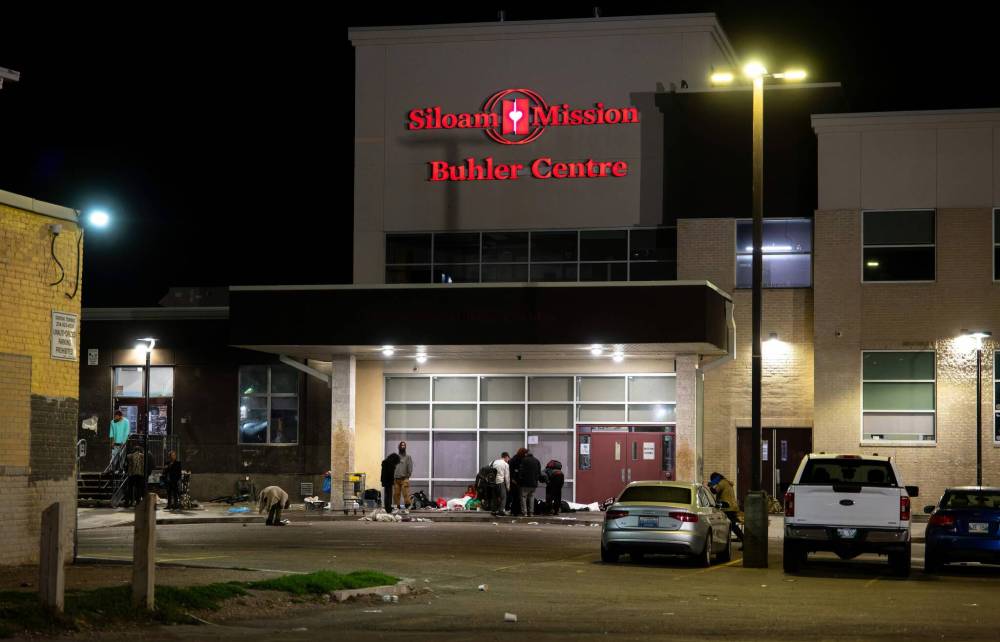
Around the dinner table, the stories come easily.
One firefighter had been at a large encampment in the 700 block of Furby Street earlier that day. As crews treated someone for an overdose, he watched a suspected drug dealer just steps away exchanging drugs for items pulled from backpacks.
Another firefighter recalls a recent overdose call involving a mother and her son. Crying, she desperately pleaded with crews not to administer naloxone, hoping the overdose might be the moment that pushes her son into treatment.
These are the stories they’re willing to share.
Others — the ones that have haunted them for years — go unmentioned.
An hour-long interview with Sneath, deputy chief Scott Wilkinson and Michelle Long, assistant chief of paramedic operations, begins around a kitchen table with firefighters milling around nearby.
Before the hour is over, Station 1 is empty.
One by one, crews are pulled away; not a single firefighter, paramedic or apparatus remains at the station in the middle of a Wednesday afternoon.
ROBERT LEE / FREE PRESS A crew prepares to depart on a call. The goal is always to be out of the station in less than a minute. 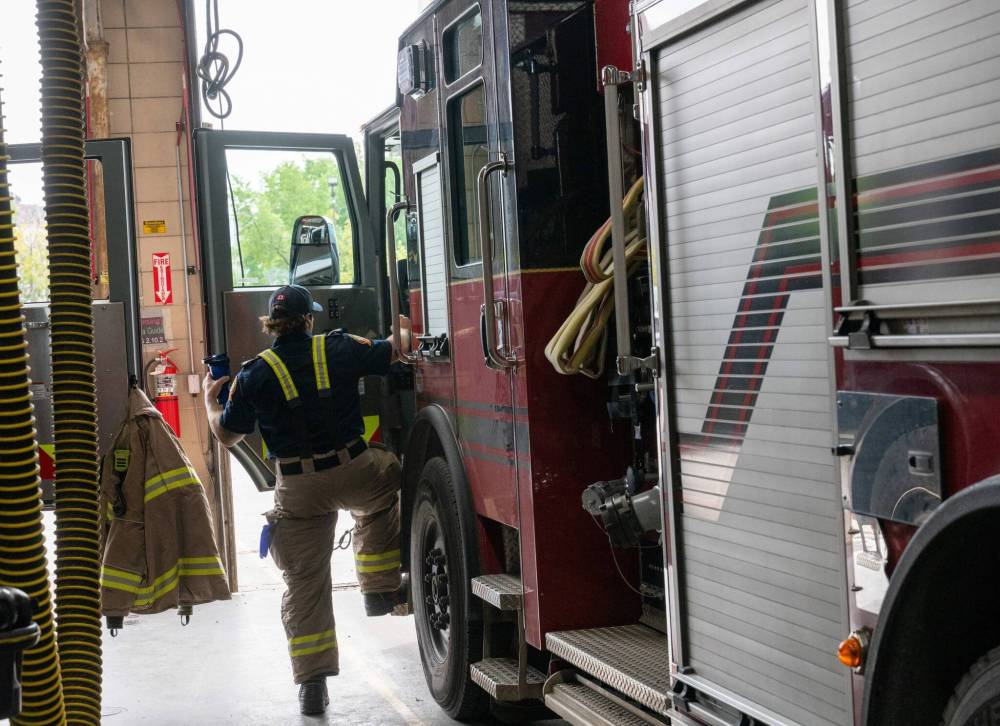
Calls come over the intercom so frequently that Sneath, Wilkinson and Long eventually stop pausing their answers to let the dispatches finish.
“Priority 1… overdose,” one announces.
“Priority 1… man down,” comes another.
There are a dozen or so calls during the hour.
Increasingly, opioids are behind them. WFPS has already responded to 3,604 opioid-related calls through July 31, already more than the 3,270 responded to in all of 2025.
ROBERT LEE / FREE PRESS Ryan
Sneath, Fire and Paramedic Chief.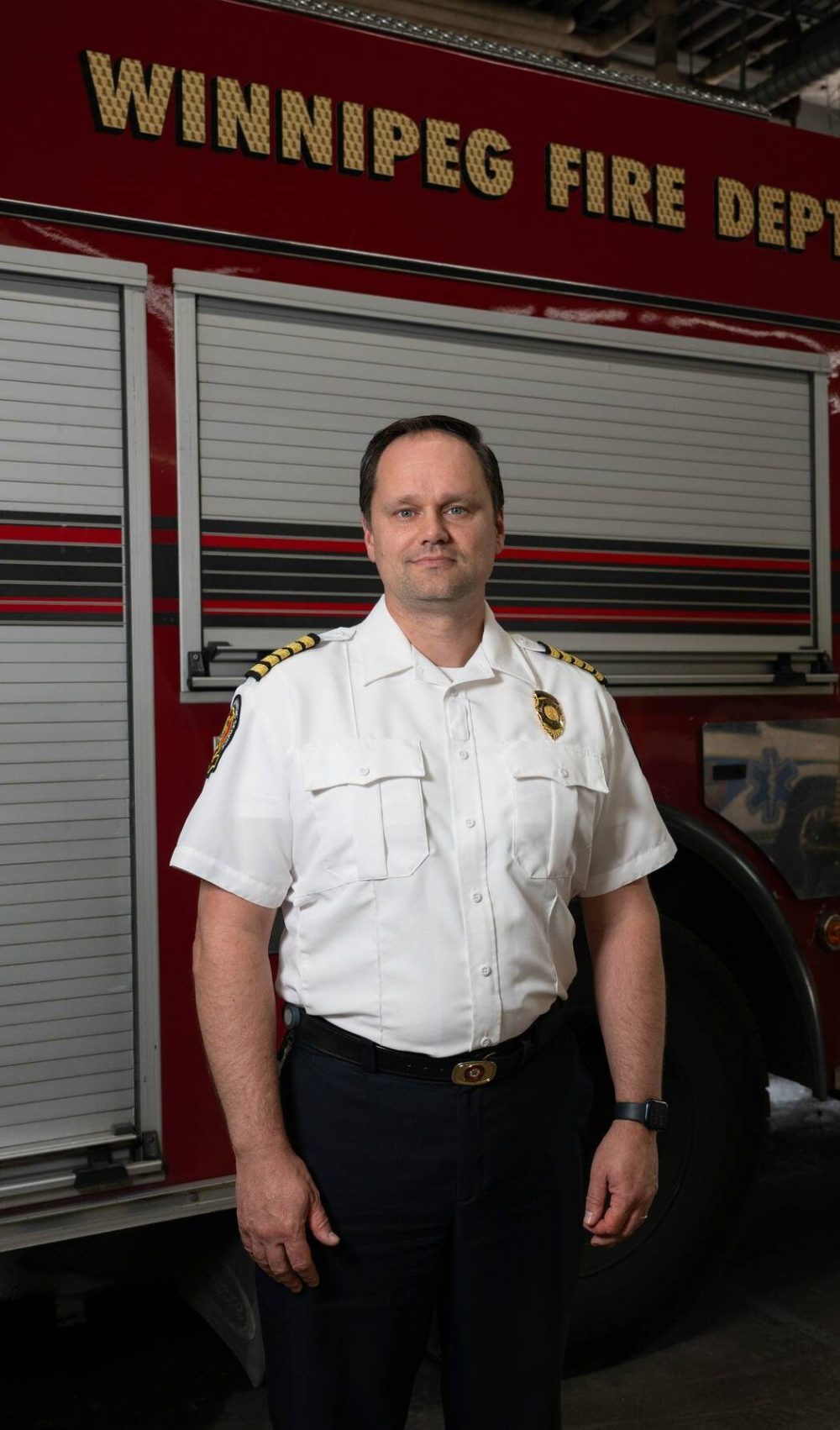
“Comparing this year to last year, the same time frame, we are seeing double the responses for opiates,” Sneath says. “And for us, I think the concerning part is we’re capturing just a portion of what is going on in the community through data, we’re capturing the ones we respond to. We’re seeing a fraction of the issue.”
But the numbers tell only one part of the story.
The toll on those answering the calls tells another.
Spend enough time with front-line firefighters and paramedics and the signs of compassion fatigue are easy to spot. Sometimes it’s spoken aloud. Other times, it’s written across their faces.
There are only so many times someone can be threatened, spat on, sworn at or ignored while trying to do the thing they signed up for: help.
“For us, it starts with our staff feeling like they want to help an individual, they want to feel there’s an outcome for them that’s positive.”
Sneath acknowledges compassion fatigue is a relatively new challenge for the service, one it is still trying to better understand. That has included looking at how organizations such as Main Street Project, which has long worked on the front lines of homelessness and addiction, build resilience among their own staff.
“A lot of it is through education and communication, and drawing upon the successes,” he says.
Wilkinson says some of the frustration is rooted in what crews see every day: the same people, facing the same problems, calling for the same help because the services they need remain out of reach.
ROBERT LEE / FREE PRESS Scott Wilkinson, Deputy Chief of Fire
Rescue Operations and Training.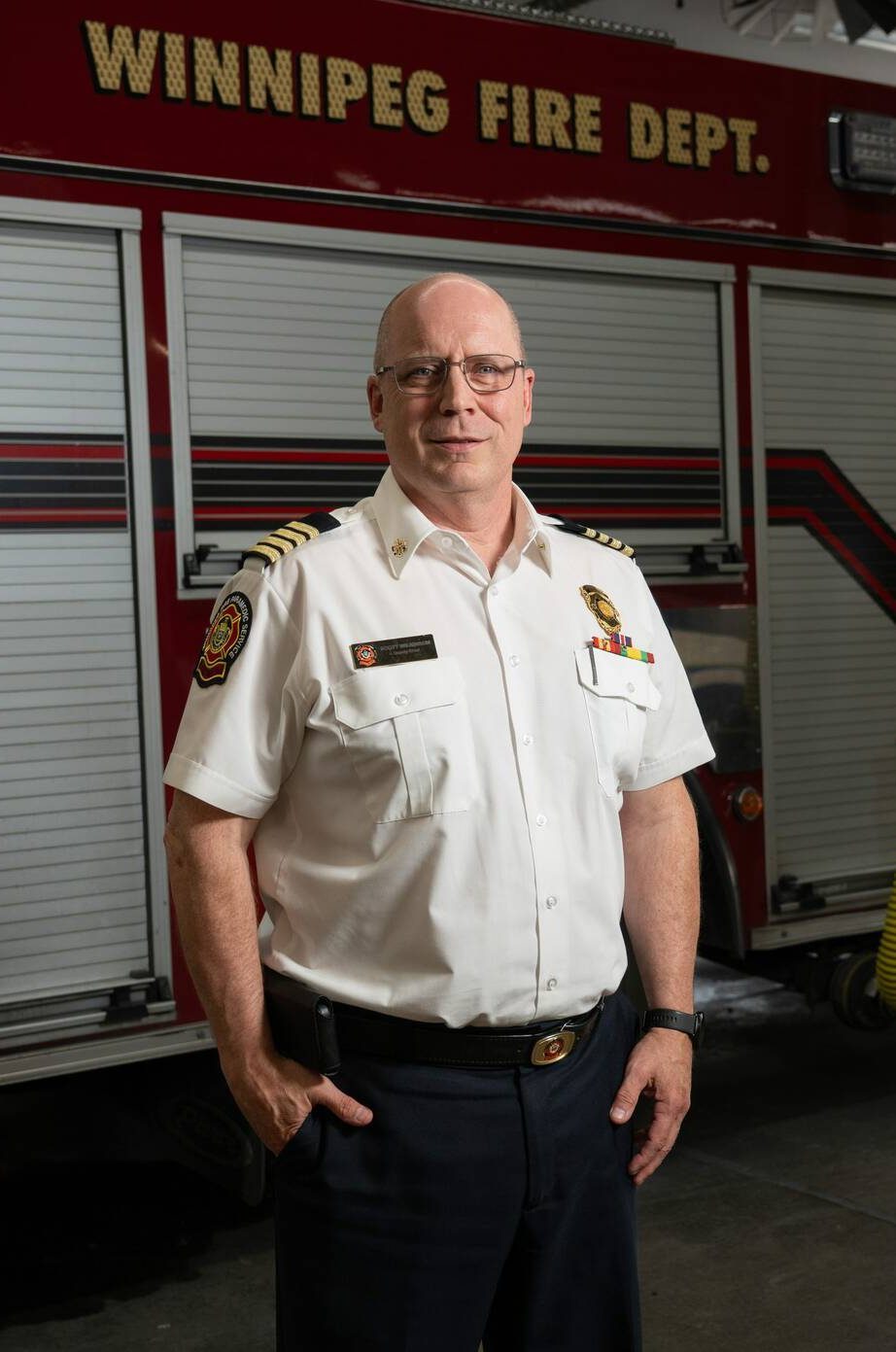
“There’s frustration, there’s stress,” he says. “There’s a certain sense of hopelessness, because we don’t see those incremental societal changes that are trying to be made. It’s the world they’re seeing — it’s demoralizing in and of itself.”
Few branches of the public system encounter Winnipeg’s drug crisis as directly or as frequently as emergency services. At times, that can leave firefighters and paramedics feeling as though they are being asked not simply to respond to the crisis, but to solve it.
Sneath says they can’t.
“So often we get viewed as the social safety net,” he says. “But when you’re using your social safety net as the primary, or the reason to solve a problem, that’s not the right answer.”
WFPS has, however, changed how it looks after the people being asked to hold that net.
Decades ago, Wilkinson says, speaking openly about the job’s psychological toll could come with consequences. In more than 30 years with the department, he has watched the culture shift from one where people could be “ostracized” for acknowledging they were struggling to one where mental-health supports have become part of the service.
Staff now have access to therapists specializing in trauma, peer-support programs and a behavioural-health unit.
“For the most part, our staff are able to rebound quicker, be more productive and recover from some of the things that they face,” Wilkinson says.
The need for those supports continues to grow.
Sneath says mental health-related Workers Compensation Board claims have increased over the past several years, helping drive the push for a better system. Previously, staff seeking help could wait weeks or even months to see a therapist. Dedicated supports have shortened that wait and, in some cases, the time employees spend away from work.
ROBERT LEE / FREE PRESS Michelle Long, Assistant Chief of Paramedic Operations.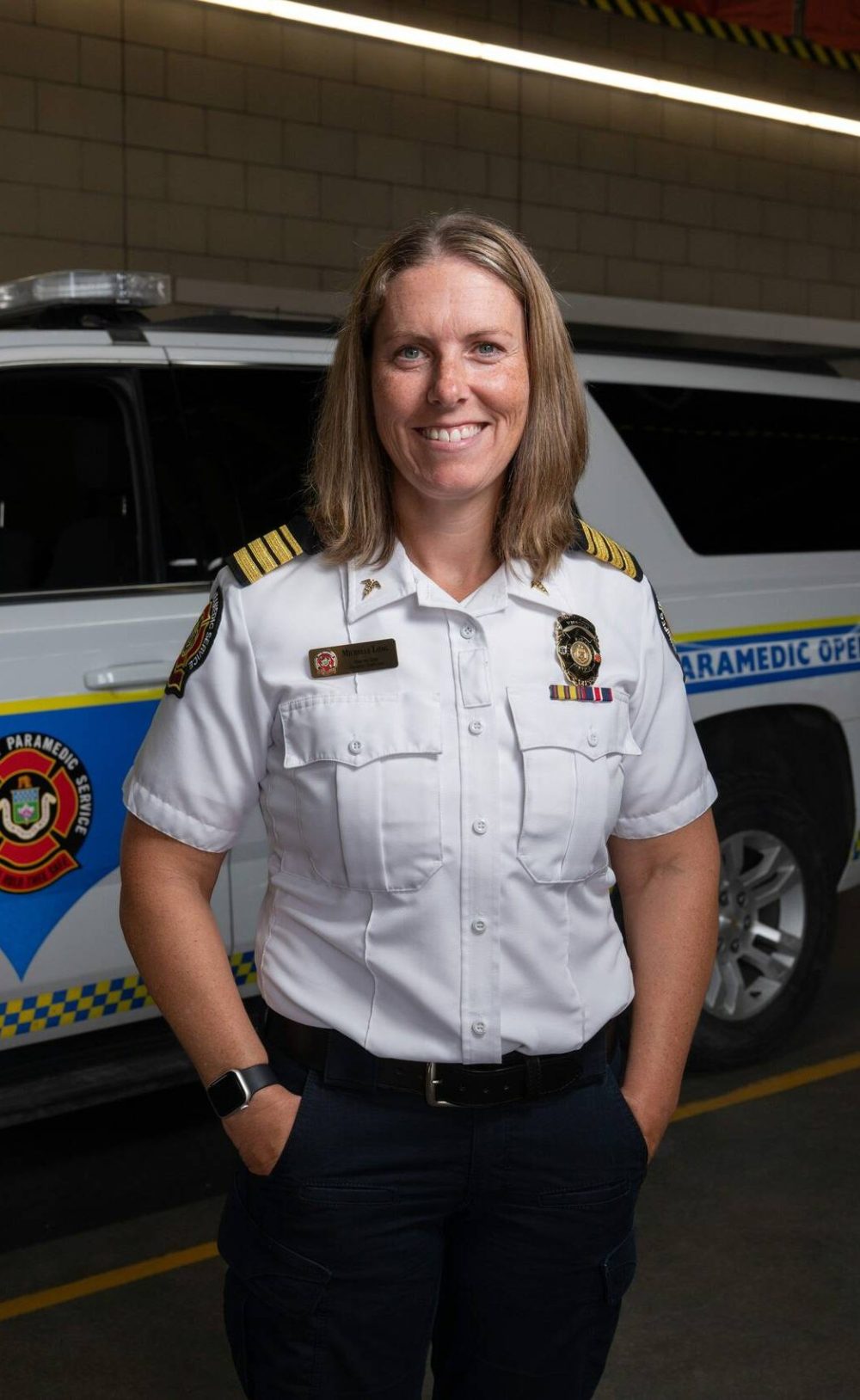
The department is also looking for ways to change what happens to patients before they ever reach an emergency department.
One potential tool is buprenorphine, a prescription opioid medication that curbs withdrawal symptoms and cravings for 24 to 36 hours. Long says there is hope registered paramedics — who are authorized to administer it beginning this fall — will create a window in which crews can talk with patients and potentially connect them with treatment.
“Hopefully, it will give us time to actually get them the help they need,” says Joel Laurier, district chief of paramedic operations. “Because we’re really not the solution for these individuals, but we’re going to a lot of these calls and there’s a lot of risk. It’s very challenging to navigate right now.”
There are other pressure valves WFPS wants to expand and improve.
Sneath points to ELAT, but says doing so comes down to money.
“We need funding to do that,” he says. “We need the government to understand that this resource helps divert patients away from emergency departments, away from urgent cares.”
He wants more stations for more timely responses, more ambulances to ensure transport is available and more staff to keep the system moving.
But adding resources to WFPS can only go so far.
Wilkinson notes that simply transporting every patient would shift the pressure elsewhere, overwhelming emergency departments and urgent-care centres that are already struggling to keep up with demand. Emergency response is one link in a much larger chain, and strengthening one part does little if another cannot handle what comes next.
Photos by ROBERT LEE / FREE PRESS The equipment closet at Station 1.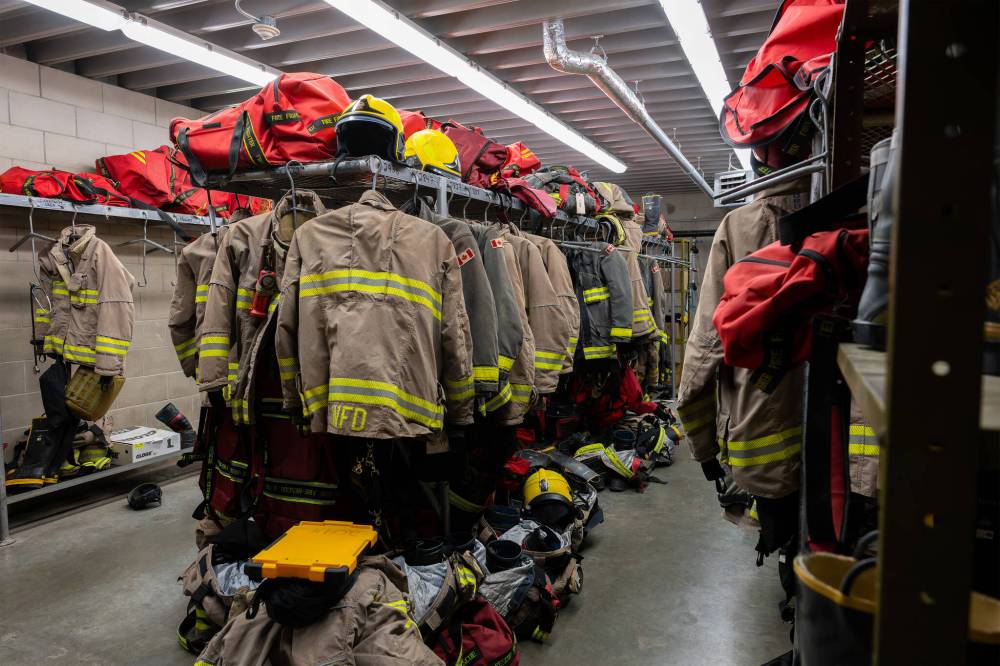
“We’ve had very few additions to the paramedic operations resources in the last 10 years, while our call volume has significantly grown and societal problems have grown as well,” Long says.
By the time the interview ends, the kitchen is quiet. The firefighters are gone. So are the trucks.
The calls haven’t stopped. They never do.
In the early hours of Thursday morning, the remnants of a furious effort to keep a man in his 60s alive are scattered across St. Boniface Hospital’s new emergency bay for ambulances.
Tags torn from oxygen bottles, electrode patches and other debris litter the ground behind an ambulance that looks as though it has been ransacked.
Caitlin and her paramedic partner, Natasha Neudorf, had arrived at St. Boniface after a code 99 — a cardiac arrest. The man had to be brought back twice on the way to hospital.
ROBERT LEE / FREE PRESS Paramedic Natasha Neudorf restocks the ambulance after a cardiac arrest call. She and her partner had to revive a man twice en route to St. Boniface Hospital.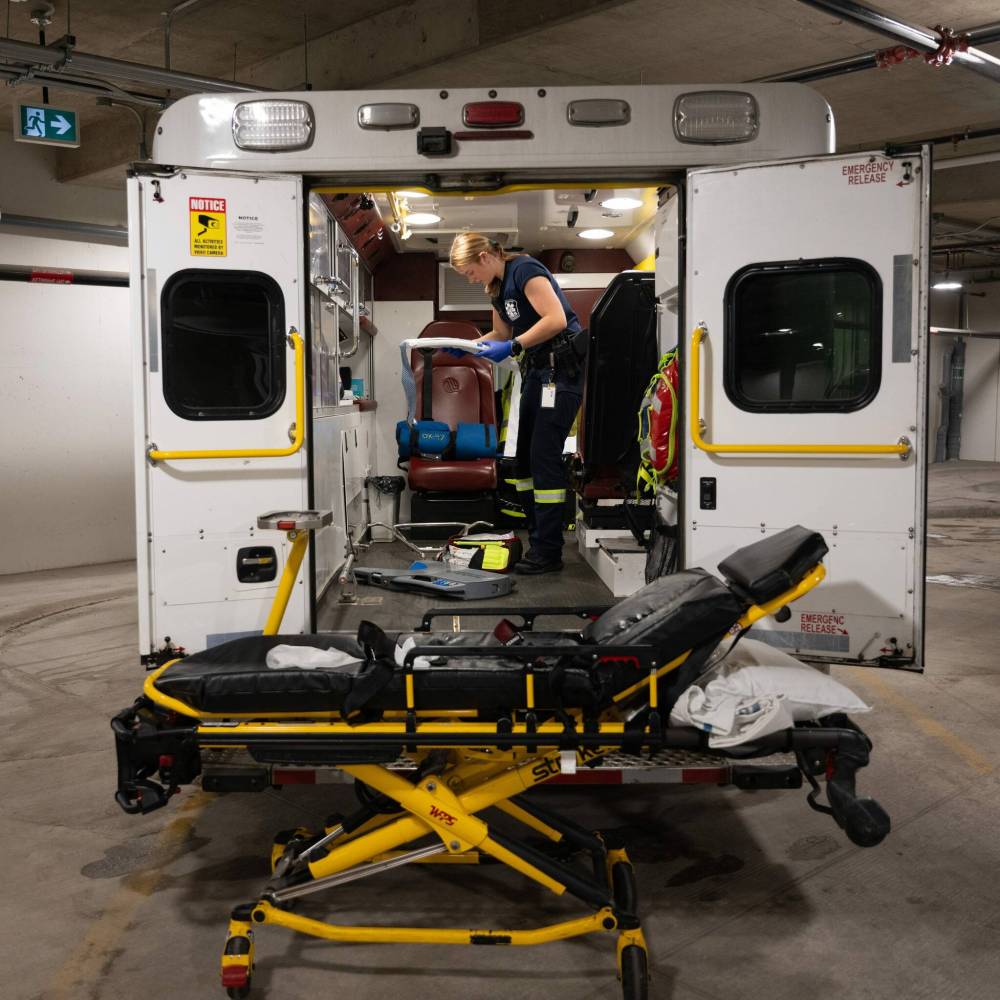
“Everything is a mess,” Caitlin says.
Dispatchers back at the 911 call centre want the ambulance back in service, ready for the next call. But it simply isn’t ready.
Minutes earlier, Caitlin sums up the call over the phone with Laurier. “Frazzled,” she says.
Laurier, who arrived at the hospital a short time later to help the paramedics decompress, calls dispatch, explains what the crew has been through and tells them they need more time.
“Received,” is all that comes across the radio.
Now, Neudorf and Caitlin are cleaning the stretcher, restocking shelves and replacing the supplies burned through during the frantic trip to hospital.
They still have to finish their report, entering details while they remain fresh. The call illustrates how stretched the system can become.
The pair had raced more than halfway across Winnipeg to reach the cardiac arrest in River Park South, dispatched from a call in the North End because there wasn’t a closer ambulance available.
“It leaves me very helpless.”
Both are in their sixth year as paramedics. They graduated in the same class and lean on one another for support.
Caitlin says one way she copes is by looking at the people she treats as a body, not as a soul, “to keep my sanity.”
Following the handover at hospital, paramedics rarely learn the outcome of the patient. Neudorf and Caitlin won’t know what becomes of the man they fought so hard to keep alive. In some ways, it’s a good thing.
The emotional strain comes on top of a profession already struggling with hiring and retention. The average tenure of a paramedic is currently seven years.
Laurier has been doing the job for 13. He says he can count on one hand the number of paramedics he knows who have made it to retirement age.
Upon reflection, Laurier says he might have pushed harder to become a physician, where he believes he could have helped people more than he has as a paramedic. He doesn’t regret the career he chose, but his sense that he can effect meaningful change has waned over the years.
The city’s drug crisis has driven much of that feeling.
“It leaves me very helpless,” he says.
ROBERT LEE / FREE PRESS Joel Laurier, district chief of paramedic operations, surveys the scene following a call. 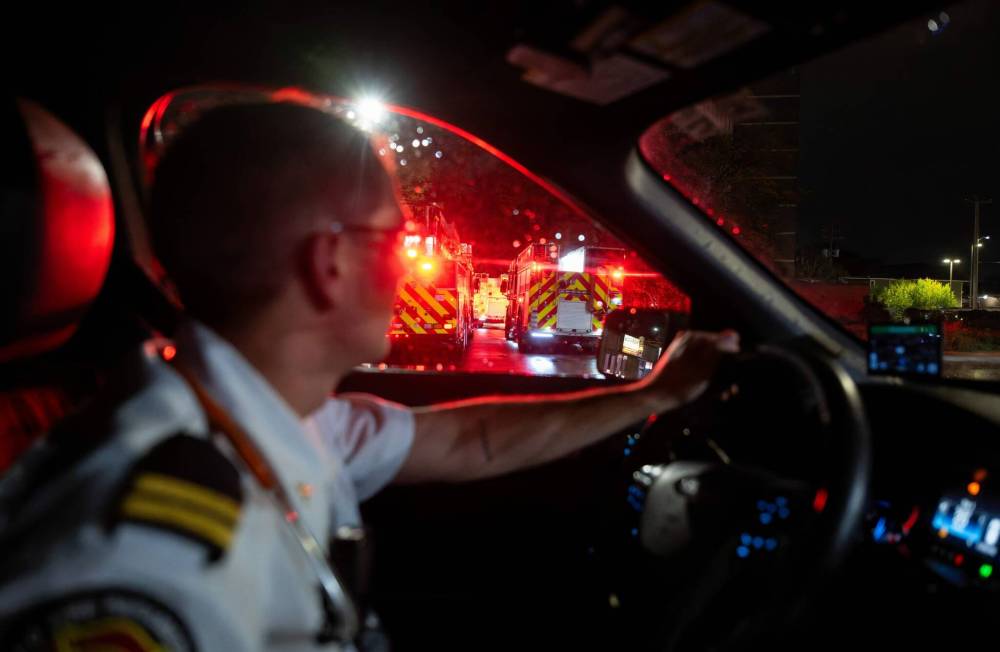
Inside Laurier’s vehicle earlier in the night, the conversation had turned to a question with no easy answer: What would it take to address the drug crisis?
Laurier believes the answer has to extend far beyond what firefighters and paramedics can do during an emergency. What’s needed, he says, is a holistic, wraparound system capable of addressing the circumstances that brought each person there in the first place.
“No one solution is going to fix this problem,” he says. “It really has to be meeting these people, and they’re all individuals, they’re going to have different needs, and there’s different paths that have led them into substances. Housing, employment, removing them from the environment they’re in, removing the stigma.”
His own role in something so enormous is small.
Laurier hopes that sometimes, in the few minutes he has with a patient, he can build a relationship, earn some trust and perhaps provide the spark that sends that person down a different path.

On this night, at least, helping looks different.
It means giving two exhausted paramedics the time they need to clean their stretcher, replenish their supplies and finish documenting the fight they have waged to keep someone alive.
For a few more minutes, the ambulance remains parked.
Neudorf and Caitlin put it — and themselves — back together.
Then they return to service.
scott.billeck@freepress.mb.ca

Scott Billeck is a general assignment reporter for the Free Press. A Creative Communications graduate from Red River College, Scott has more than a decade’s worth of experience covering hockey, football and global pandemics. He joined the Free Press in 2024. Read more about Scott.
Every piece of reporting Scott produces is reviewed by an editing team before it is posted online or published in print — part of the Free Press‘s tradition, since 1872, of producing reliable independent journalism. Read more about Free Press’s history and mandate, and learn how our newsroom operates.
Our newsroom depends on a growing audience of readers to power our journalism. If you are not a paid reader, please consider becoming a subscriber.
Our newsroom depends on its audience of readers to power our journalism. Thank you for your support.
Related Articles
City workplace injury claim costs jump by more than 30% last year