Birth rites
Indigenous midwife aims to bring birthing rituals back to First Nation communities

Advertisement
Read this article for free:
or
Already have an account? Log in here »
To continue reading, please subscribe:

Digital Subscription
One year of digital access for only $205*
- Enjoy unlimited reading on winnipegfreepress.com
- Read the E-Edition, our digital replica newspaper
- Access News Break, our award-winning app
- Play interactive puzzles
*First annual payment billed as $205.00 + GST for one year. This annual subscription will automatically renew at $233.00 + GST every 52 weeks (10% off the regular annual price of $259.35). Offer available to new and qualified returning subscribers only. Cancel any time.
To continue reading, please subscribe:
Add Free Press access to your Brandon Sun subscription for only an additional
$1 for the first 4 weeks*
- Enjoy unlimited reading on winnipegfreepress.com
- Read the E-Edition, our digital replica newspaper
- Access News Break, our award-winning app
- Play interactive puzzles
*Your next Brandon Sun subscription payment will increase by $1.00 and you will be charged $17.95 plus GST for four weeks. After four weeks, your payment will increase to $24.95 plus GST every four weeks.
Read unlimited articles for free today:
or
Already have an account? Log in here »
Hey there, time traveller!
This article was published 10/06/2024 (783 days ago), so information in it may no longer be current.
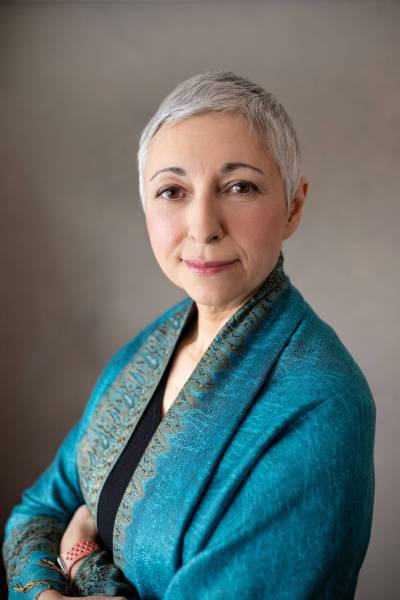
Melissa Brown Sveinson is Anishinaabe/Dine from Sagkeeng First Nation and the Navajo Nation. She is a registered non-practising midwife and holds a bachelor of midwifery though University College of the North’s Indigenous Midwifery program. She is the co-founder of Zaagi’idiwin, an Indigenous-led organization that strives to centre Indigenous people as the experts of maternal child health in their communities.
Brown Sveinson currently travels across Canada and the United States delivering full-spectrum Indigenous doula training in Indigenous communities.
A doula is …
MIKE DEAL / FREE PRESS
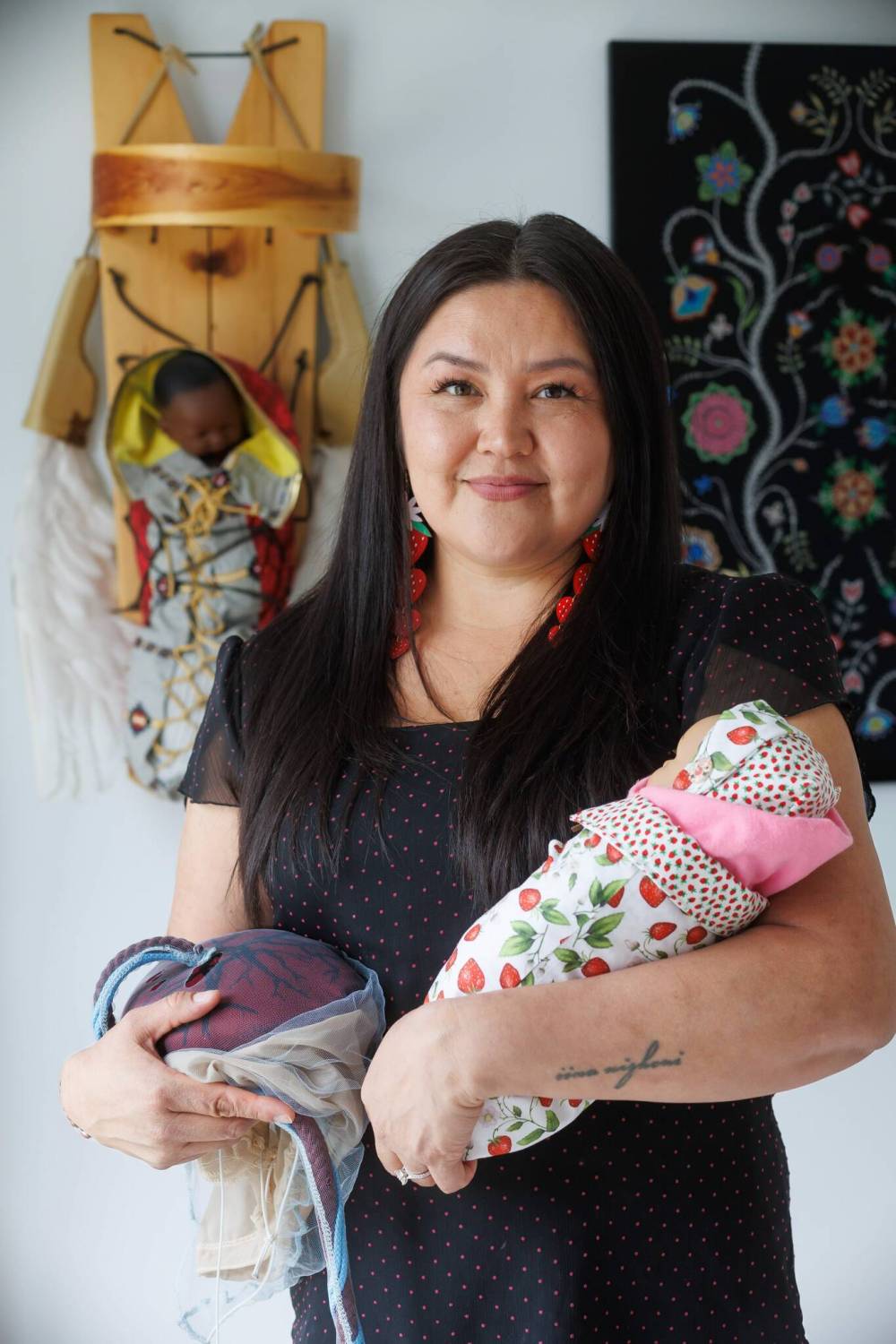
Midwife Melissa Brown Sveinson with a handmade plush placenta and a doll swaddled in a traditional moss bag.
… a highly trained birth companion who provides educational support through pregnancy, labour and birth, and post-partum. It is a non-clinical peer mentorship role. It is a very well-rounded role rooted in our teachings, culture, language and traditions.
There is a difference between …
… Indigenous midwifery and non-Indigenous midwifery. When I was practising I, as an Indigenous midwife, could incorporate our culture, our language and our traditions into care, as well as provide trauma-informed care.
Part of the reason …
…. I started Indigenous doula training is because you don’t have to be a clinical practitioner to reconnect with our culture, language, traditions and teachings around pregnancy, labour and birth. Those are really vital things to return to communities.
I travel across North America …
… creating safe spaces for Indigenous women to learn about their bodies, to learn about the system in which they receive care and learn about how there are more options than just having babies in a hospital.
Indigenous midwifery is about …
… really understanding that when we are caring for families, we have to take into account the very real colonial history that has impacted our practices of birthing, the removal of birth from our communities and how, when we are taking care of a person, we are not only taking care of them physically but also emotionally, mentally and spiritually.
The physiological process of birth …
… changes people. It really allows a person to see how strong, beautiful and powerful their body is and how important the connection to the land and ceremony and family is for their overall well-being. That used to be a rite of passage in becoming a parent.
The medicalization of birth …
… has resulted in giving birth at the hospital being normal, even within First Nations communities. It requires community education to remind people of their ability that, if they are healthy, birth isn’t a medical event — it is a physiological event. It requires a shift in thinking.
Not everyone is going to choose to …
… have a home birth, and that’s OK. The purpose is to provide another option because right now, in our First Nations communities, there are no options except for hospital. If you are living in an urban centre, you can give birth at home, at the birth centre or at the hospital, whereas in First Nations communities you have no choice. I do a lot of presentations around this and people are shocked because they don’t realize. There is a federal evacuation policy that says at 36 to 37 weeks, a person has to leave their community and go to either Thompson or Winnipeg or The Pas and wait until they have their baby. It’s inhumane.
I would like to see people …
MIKE DEAL / FREE PRESS
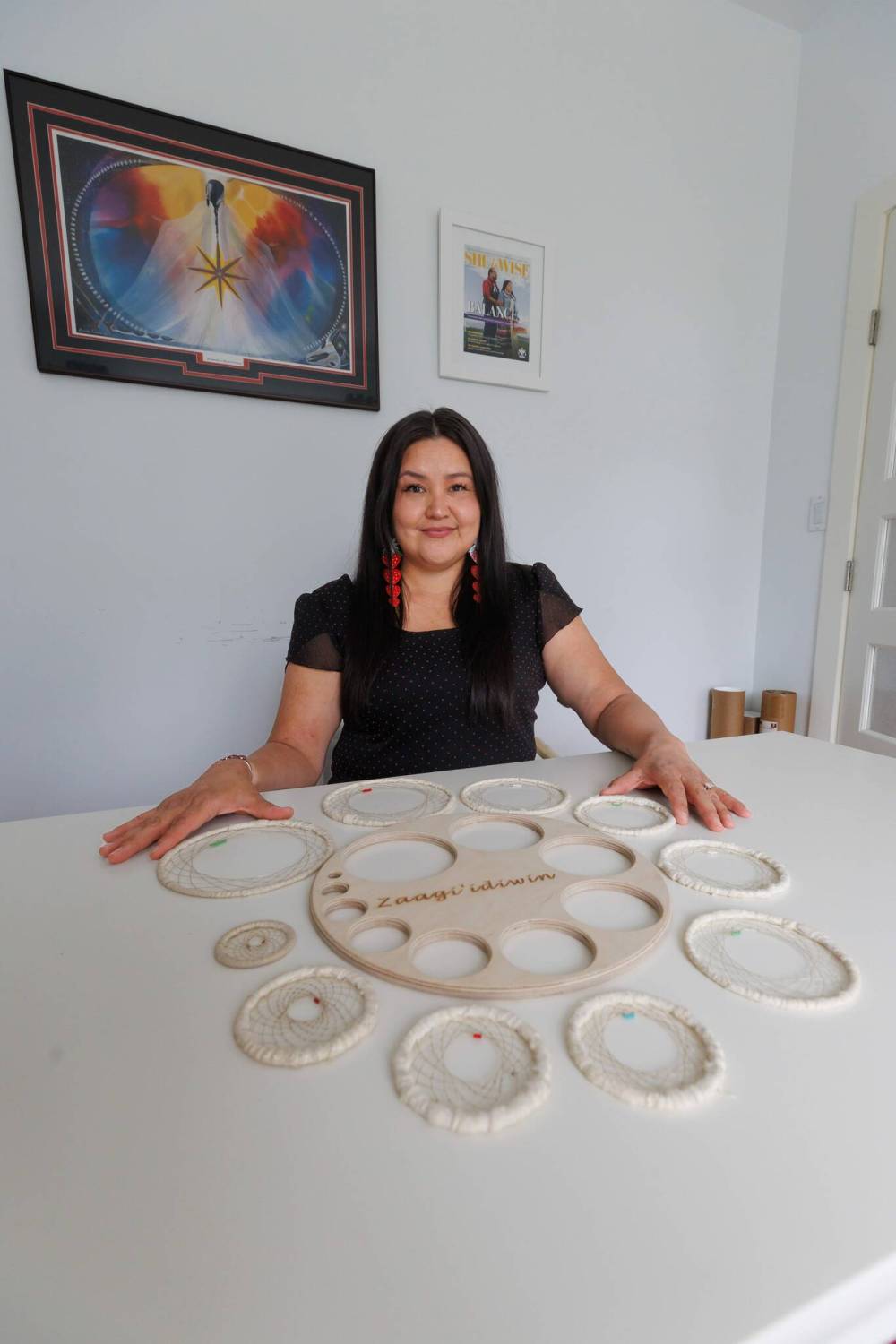
Brown Sveinson teaches women across North America about Indigenous midwifery.
… receive culturally grounded care in their communities. If baby and mom are low-risk, they have their choice to birth in their community. And, if they are evacuated for birth, there are people in their community who can care for them so when they come back they receive that support.
The ultimate goal is for Indigenous midwifery in the community …
… and what we found is birth-support people, birth helpers such as doulas, are a really valuable part of that puzzle. Having members of the community be a part of it is very important.
I do the work that I do …
… because of my two daughters. They are young Indigenous women and I know as a young Indigenous person I faced a lot of racism throughout my life including in the health-care system.
Indigenous people receive less prenatal care…
… than mainstream society. We have higher numbers of pre-term births, and higher admission to neonatal intensive care units, we have a higher infant-mortality rate than mainstream society and we have lower breastfeeding rates than the rest of society. All of that is tied to the removal of birth from our community and less access to cultural, safe supports than the rest of mainstream society.
So much choice is taken away from us …
… Are Indigenous women and families able to make true informed choices if there is no access? Having adequate prenatal care, having choice of birthplace, having the right to have our babies and raise them in a healthy place is a human right… We deserve choices, we deserve to receive education and care that aligns with who we are as Indigenous people.
The removal of birth from our communities …
… meant the intentional disconnection from teachings and knowledge around the perinatal period and the ways that we kept each other healthy. A lot of elders talk about how we can make our communities well again by getting that balance, by bringing birth back to the community.
One major barrier to doing this is …
… a reliable funding process. We have already done research projects, we have already done a pilot project; we know doula care is effective.
British Columbia has a reliable and stable …
… doula grant program where Indigenous families living in B.C. receive a certain amount of money (currently set at a maximum of $1,200 per pregnancy) to pay a doula to take care of them. We need that here in Manitoba.
My mom is a birth helper …
MIKE DEAL / FREE PRESS
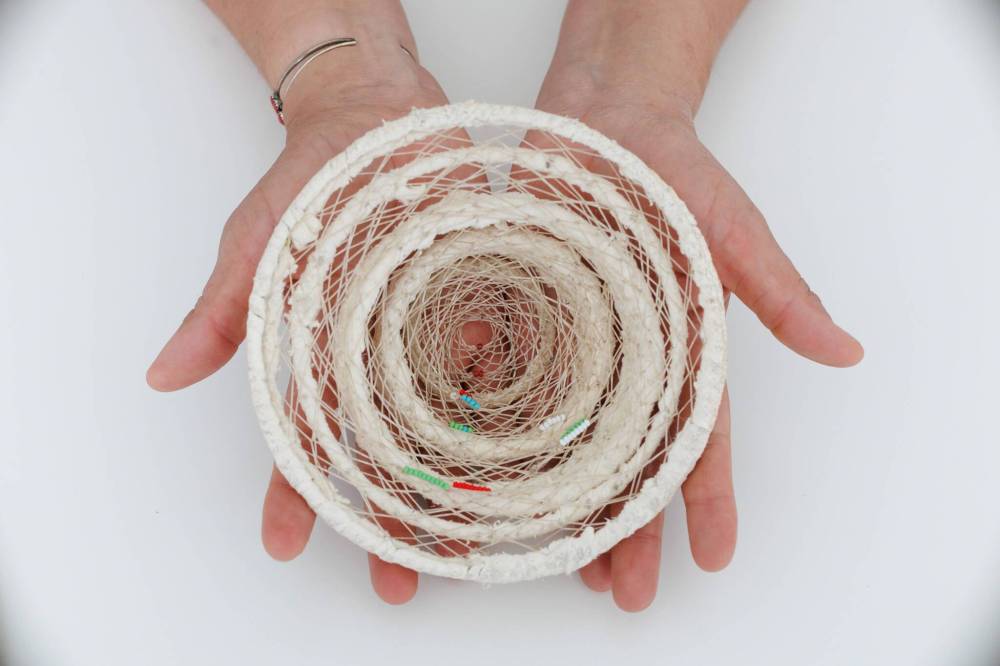
Brown Sveinson displays dream catchers that represent the various stages of a dilating cervix.
… and my great-aunt was a community midwife and a community healer, so I definitely have it in my blood.
My first birth with my daughter …
… I was a teen mom. I was taking prenatal education classes, I was reading all the books. I did all of those things, but nothing prepared me for the traumatic birth that I had.
Pregnant with my second daughter eight years later …
… I was terrified. But this time I had an Indigenous midwife and she was able to explain everything that had happened to me with my first birth. She was able to help me fully process it so I could let go. She understood that an important part of our healing as Indigenous people is ceremony. When I talked about sitting with elders throughout my prenatal care she understood what I was talking about.
I had an incredible second birth with no interventions …
… I did give birth in the hospital only because I was feeling cautious, but I didn’t have any medication, I didn’t have IVs. I had just a beautiful, life-changing experience. Right away I remember thinking how could I help more Indigenous women feel safe in their bodies, feel safe in the hospital and just have that culturally rooted care.

Birth work is …
… prevention work. It’s where we are supporting families to grow healthy babies, to be healthy and to bring them into the world in a beautiful way. Not only are you learning about what is happening in your body in pregnancy, birth and post-partum you are also learning really valuable skills about nutrition, about exercise and about ceremony.
I feel what I do is …
… a very small way for me to contribute to our community. People always hear about the worst parts of Indigenous people in the news. All we see is heartbreaking news all the time. I want people to see how strong and amazing and beautiful we are. We are doing the work; everybody wants to do better things for their community.
av.kitching@winnipegfreepress.com
AV Kitching is an arts and life writer at the Free Press. She has been a journalist for more than two decades and has worked across three continents writing about people, travel, food, and fashion. Read more about AV.
Every piece of reporting AV produces is reviewed by an editing team before it is posted online or published in print — part of the Free Press‘s tradition, since 1872, of producing reliable independent journalism. Read more about Free Press’s history and mandate, and learn how our newsroom operates.
Our newsroom depends on a growing audience of readers to power our journalism. If you are not a paid reader, please consider becoming a subscriber.
Our newsroom depends on its audience of readers to power our journalism. Thank you for your support.
AV Kitching is an arts and life writer at the Free Press. She has been a journalist for more than two decades and has worked across three continents writing about people, travel, food, and fashion. Read more about AV.
Every piece of reporting AV produces is reviewed by an editing team before it is posted online or published in print — part of the Free Press‘s tradition, since 1872, of producing reliable independent journalism. Read more about Free Press’s history and mandate, and learn how our newsroom operates.
Our newsroom depends on a growing audience of readers to power our journalism. If you are not a paid reader, please consider becoming a subscriber.
Our newsroom depends on its audience of readers to power our journalism. Thank you for your support.
Related Articles
At-home births suspended in western Manitoba
Advertisement Advertise With Us
Advertisement Advertise With Us
History
Updated on Monday, June 10, 2024 10:22 AM CDT: Fixes story tag