Following the leader

Pair of books on Justin Trudeau offer two insight into embattled Liberal Leader

Advertisement

Advertise with us

Just ahead of the federal election on Oct. 21, journalists Aaron Wherry and John Ivison provide different perspectives on Liberal Leader Justin Trudeau and his rise to power in Canadian politics. Both books provide excellent overviews of Trudeau’s time in office and excellent road maps for opposition war rooms to focus on what turned sunny days into a bleak 2019.

Read this article for free:


or

Already have an account? Log in here »

To continue reading, please subscribe:

Subscribe and receive a limited-edition Free Press branded hat or tote.

Digital Subscription

One year of digital access for only $205*

  • Enjoy unlimited reading on winnipegfreepress.com
  • Read the E-Edition, our digital replica newspaper
  • Access News Break, our award-winning app
  • Play interactive puzzles

*First annual payment billed as $205.00 + GST for one year. This annual subscription will automatically renew at $233.00 + GST every 52 weeks (10% off the regular annual price of $259.35). Offer available to new and qualified returning subscribers only. Cancel any time.

To continue reading, please subscribe:

Add Free Press access to your Brandon Sun subscription for only an additional

$1 for the first 4 weeks*

  • Enjoy unlimited reading on winnipegfreepress.com
  • Read the E-Edition, our digital replica newspaper
  • Access News Break, our award-winning app
  • Play interactive puzzles
Start now

*Your next Brandon Sun subscription payment will increase by $1.00 and you will be charged $17.95 plus GST for four weeks. After four weeks, your payment will increase to $24.95 plus GST every four weeks.

Hey there, time traveller!
This article was published 19/10/2019 (2500 days ago), so information in it may no longer be current.

Just ahead of the federal election on Oct. 21, journalists Aaron Wherry and John Ivison provide different perspectives on Liberal Leader Justin Trudeau and his rise to power in Canadian politics. Both books provide excellent overviews of Trudeau’s time in office and excellent road maps for opposition war rooms to focus on what turned sunny days into a bleak 2019.

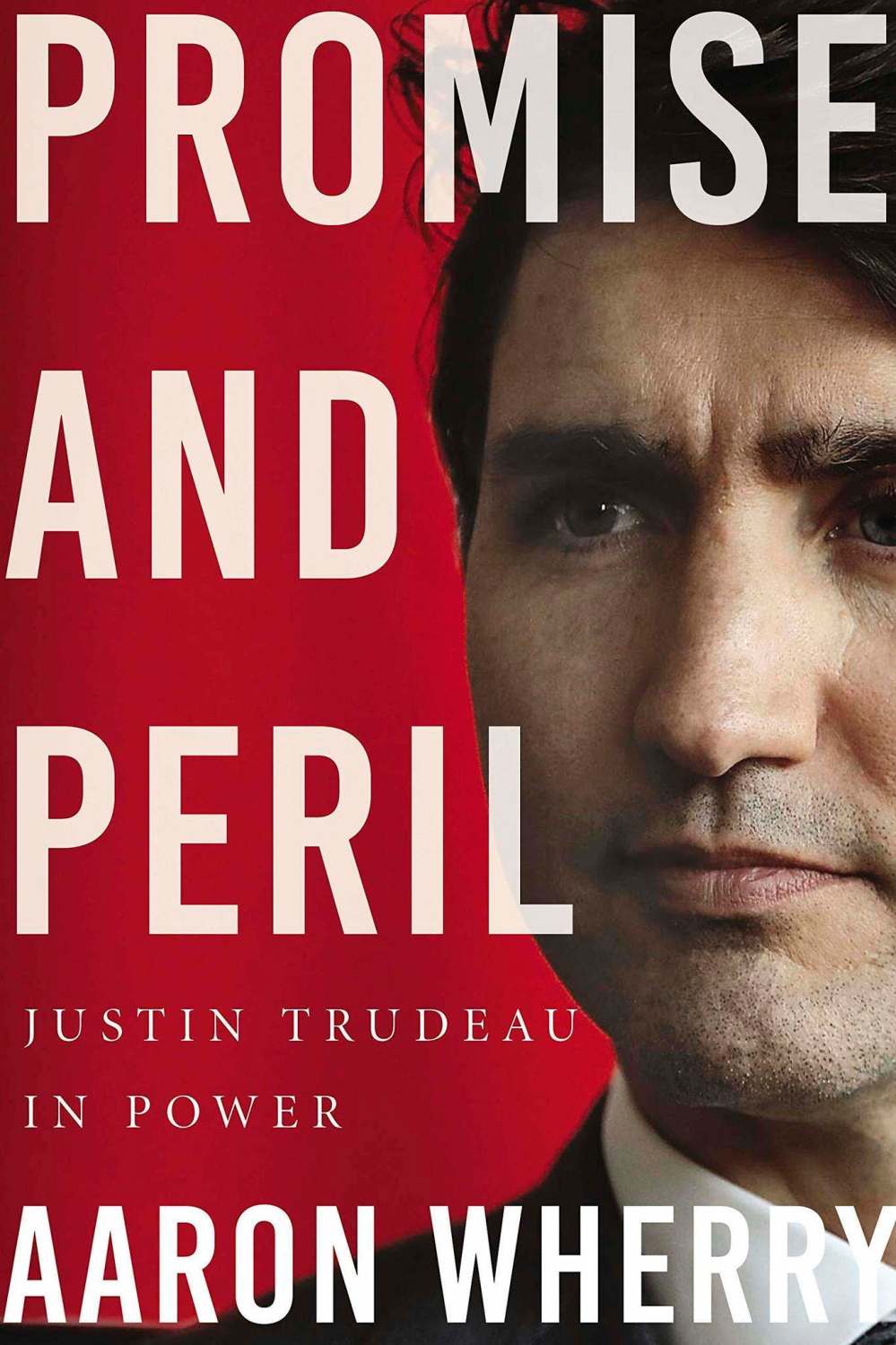
In Promise and Peril Wherry, a CBC Parliament Hill writer and former editor at Maclean’s, focuses on succinct events from Trudeau’s election in 2015 up until the fallout with former ministers Jodi Wilson-Raybould and Jane Philpott over the SNC-Lavalin affair. His narrative is much like one you’d find in a long-read magazine feature or newspaper story: it’s dense, filled with information and chronological.

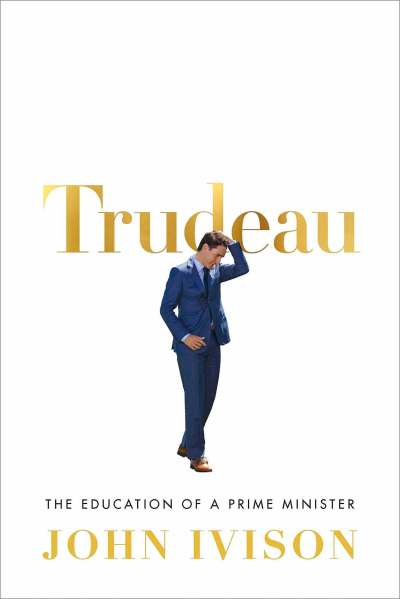
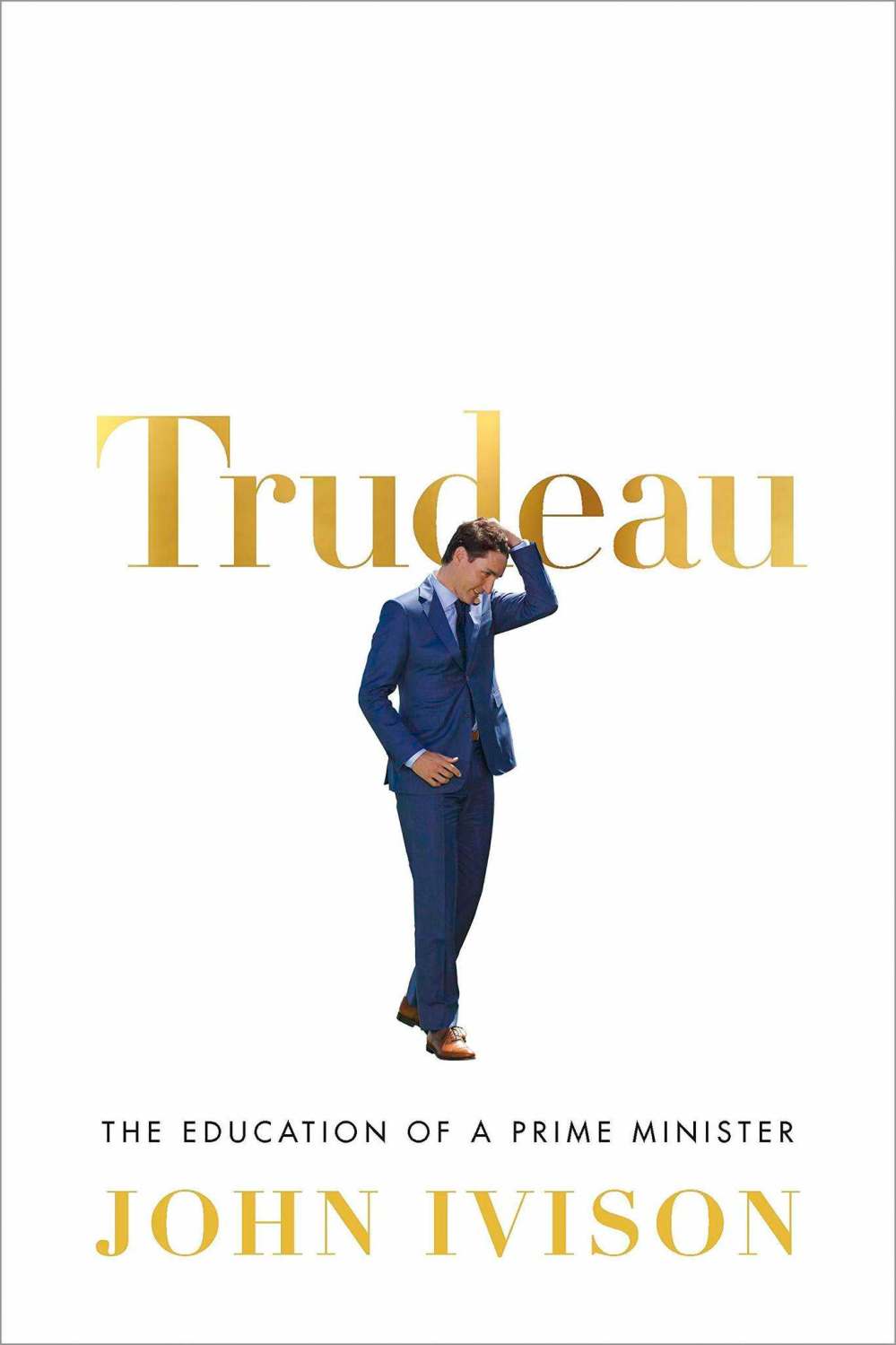
By contrast, Ivison’s Trudeau: The Education of a Prime Minister is more informal. As a political columnist for the National Post and the Ottawa bureau chief for Postmedia, Ivison’s ideological ilk is different than Wherry and, thus, his tone slightly sharper and more negative. There are few back pats for the Liberals in this book and a lot of criticisms. But his analysis garnered from interviews, both on and off record, and extensive research is exceptional. Ivison starts his profile much earlier than Wherry, beginning with Trudeau’s educational and career aspirations as a young man, providing insights into the prime minister he is today.
Both authors paint a picture of a prime minister who is at once too ambitious and at times too impetuous. Ivison interviewed a Liberal insider who said that following the election, Trudeau had the opportunity to ratchet down his election promises into manageable policy goals. Instead, the confidential source said, “they made the election platform promises into mandate letter commitments and published them. So rather than bring expectations down, they cranked them even higher.” Many of those promises were beyond Trudeau’s ability to deliver.

One major unkept promise was electoral reform. Wherry suggests that “electoral reform was a fatally flawed promise that, once made, was never properly corrected. The result was wasted energy and a self-inflicted wound to Trudeau’s credibility.”

But as Wherry points out, the failure of B.C. to pass a referendum supporting a form of proportional representation two years later — and, in April 2019, Prince Edward Island’s verdict to nix a PR option — suggests that perhaps Trudeau’s decision was not far off.

The Conservatives have made a great deal of Trudeau’s inability to deliver on his promises, with their attack ads on television which began in May of 2019 that suggest the Liberal Leader is “not as advertised.” Wherry quotes Trudeau as aware of his shortcomings: “One of the first things I said when I won my nomination (in 2008) is, look, there’s people out there who have incredibly high expectations there are people out there who have incredibly low expectations. I’m fairly certain I’m going to disappoint everybody by being somewhere in the middle between the stratosphere and the depths.”

Trudeau’s struggle to work with U.S. President Donald Trump takes up a fair amount of space in both books, and provides a lesson for anyone hoping to criticize the Canadian government for its actions in attempting to negotiate a free trade deal and just how difficult those negotiations were. As Ivison puts it, at the end of the 18-month drama, “many Canadians wouldn’t soon forget the disrespect shown to one of America’s most staunch allies. But at the same time, the sense of relief was palpable — there was a collective realization that being outside a trade deal with the United States could have been an existential threat to Canada’s future prosperity.”
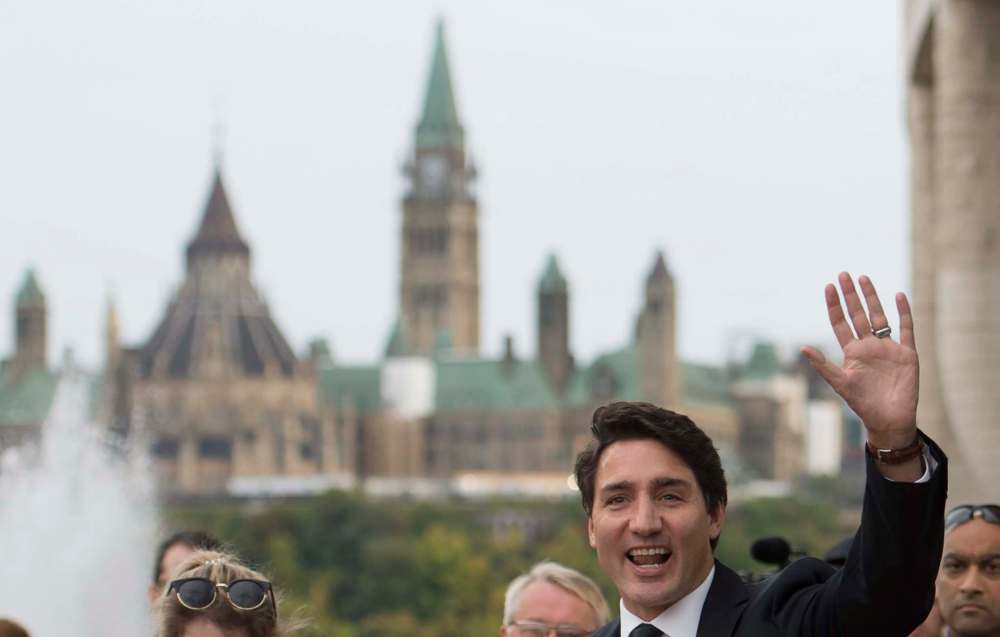
Jonathan Hayward / The Canadian Press files
Liberal Leader Justin Trudeau arrives for the English television debates in Gatineau, Que., earlier this month. Two new books delve into the ups and downs of his inaugural term as prime minister.
Jonathan Hayward / The Canadian Press files Liberal Leader Justin Trudeau arrives for the English television debates in Gatineau, Que., earlier this month. Two new books delve into the ups and downs of his inaugural term as prime minister.

Trudeau’s commitment to gender equality in cabinet and his emotional responses are treated with great derision by Ivison, who considers Trudeau’s crying — “one columnist calculated that Trudeau had wept openly, or had his eyes well up at least seven times on camera” by the end of 2017 — as insincere and overly demonstrative. Wherry, however, sees Trudeau’s vulnerability as an example of how he does government differently.

Wherry details Trudeau’s openness with the public, his participation in open town hall forums across the country and his phone calls to individuals who are angry with government decisions. He writes “Trudeau is, by any measure, a much more public figure than his predecessor,” and has been remarkably open to the media. In contrast, Ivison views this as an aspect of Trudeau’s ego: “It’s been a curious aspect of Trudeau’s time in office that he inserts himself into every crisis — as if he can’t bear being out of the spotlight. A charitable interpretation is that he feels the needs to support embattled colleagues.”

Two books, two decidedly different takes on Canada’s 23rd prime minister. Both provide excellent background on the foibles and the flaws of Justin Trudeau and insight into the changing landscape of politics in this country. Both should be required reading before voting on Oct. 21, and every lesson inside should be on memorized by all political candidates knocking on doors right now.

Shannon Sampert is a retired political scientist and a consultant.
Sean Kilpatrick / The Canadian Press files
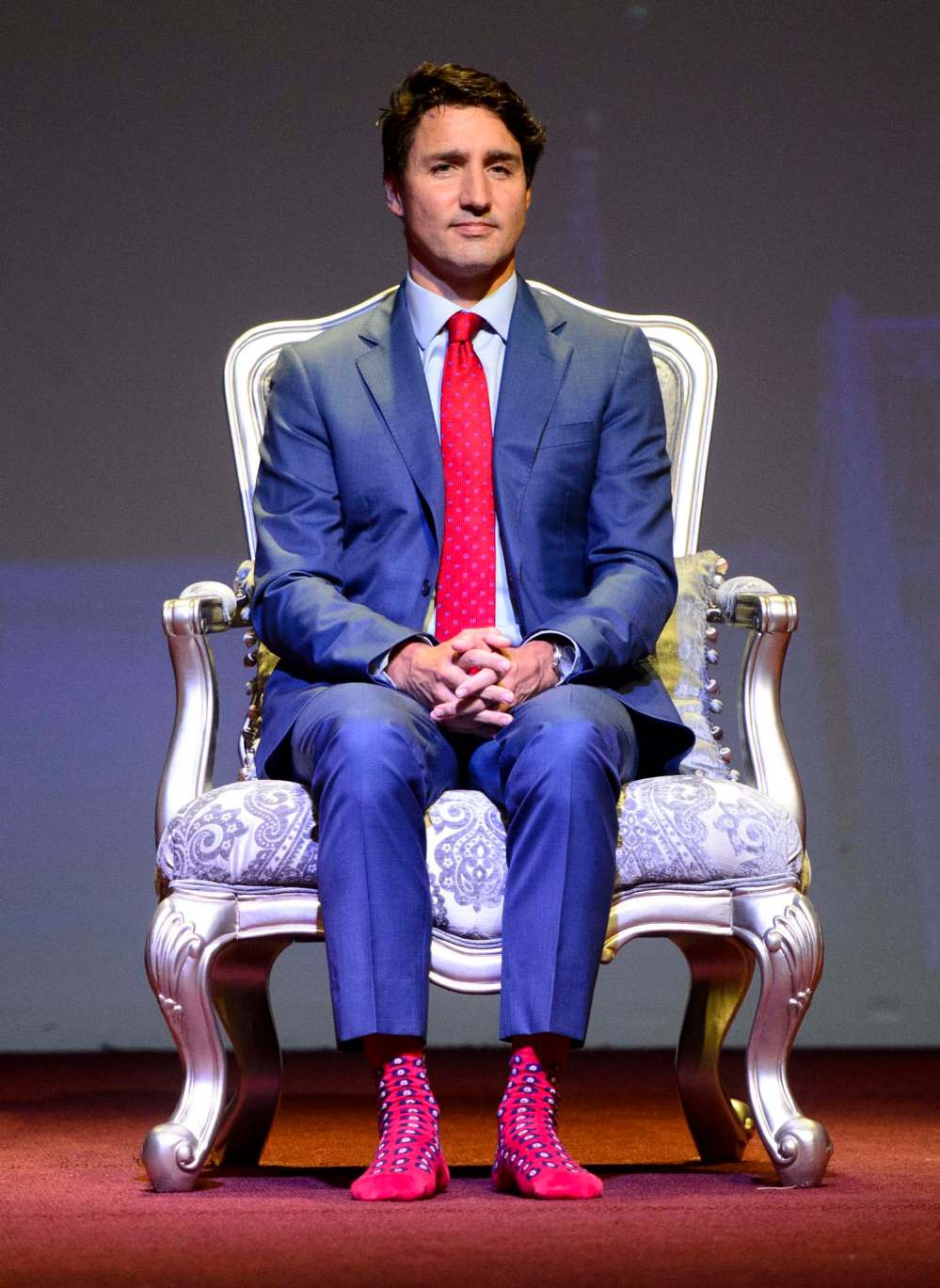
Liberal Leader Justin Trudeau attends an event at the BAPS Shri Swaminarayan Mandir in Etobicoke, Ont., while on the campaign trail earlier this month.
Sean Kilpatrick / The Canadian Press files Liberal Leader Justin Trudeau attends an event at the BAPS Shri Swaminarayan Mandir in Etobicoke, Ont., while on the campaign trail earlier this month.
Sean Kilpatrick / The Canadian Press
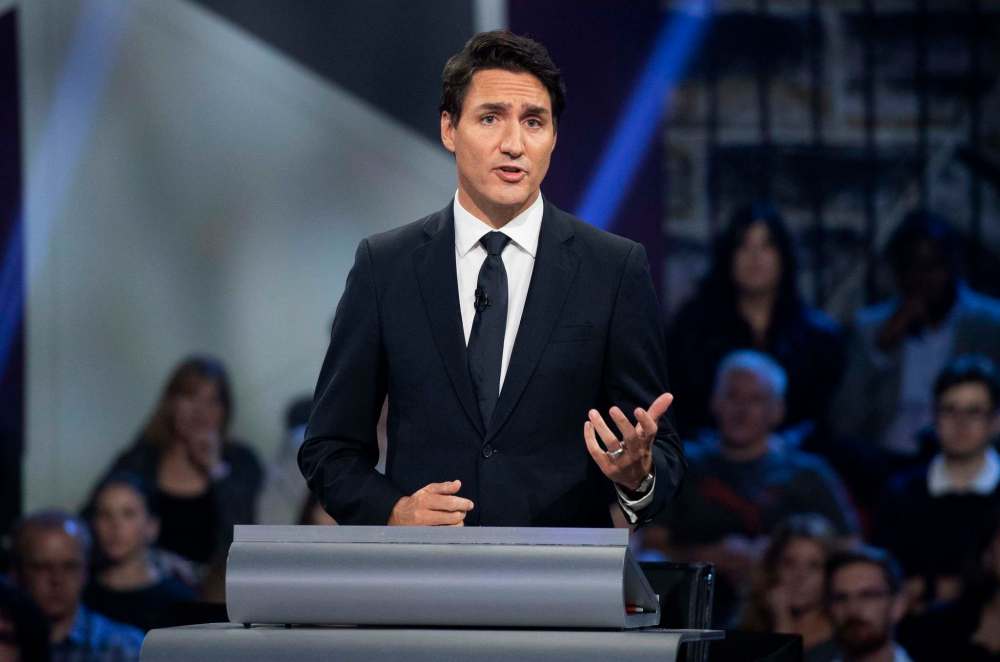
Liberal leader Justin Trudeau responds to a question during the Federal leaders' debate in Gatineau, Que. on Monday October 7, 2019.
Sean Kilpatrick / The Canadian Press Liberal leader Justin Trudeau responds to a question during the Federal leaders' debate in Gatineau, Que. on Monday October 7, 2019.
Report Error Submit a Tip

More Stories

Today’s horoscope

Georgia Nicols 4 minute read Preview

Today’s horoscope

Georgia Nicols 4 minute read 2:00 AM CDT

Moon Alert: Until 11 p.m. PDT tonight there are no restrictions to shopping or important decisions today. The Moon is in Capricorn.

Aries (March 21-April 19)

Steer clear of confrontation with authority figures this morning. Instead, get yourself ready for a productive four weeks ahead because you intend to work and get better organized. Oh yeah – you’re going to pull your act together so you can take it on the road.

Taurus (April 20-May 20)

Read
2:00 AM CDT

Wait times for MRIs getting worse in Brandon, Dauphin

Rylee Gerrard 4 minute read Yesterday at 2:01 AM CDT

BRANDON — Wait times for MRI scans have surged in the Prairie Mountain Health region during the last two years.

Despite a campaign promise by the NDP in September 2023 to increase the number of allied health professionals capable of administering diagnostic imaging in northern and rural areas, wait times for MRIs have increased dramatically in Brandon and Dauphin.

Median imaging wait times tripled at Dauphin Regional Health Centre between 2024 and 2026, increasing from eight to 24 weeks, according to the province’s wait time dashboard.

The Brandon Regional Health Centre median wait times for MRI scans more than doubled during the same period, from nine to 23 weeks.

Following the leader

Reviewed by Shannon Sampert 6 minute read Preview

Following the leader

Reviewed by Shannon Sampert 6 minute read Saturday, Oct. 19, 2019

Just ahead of the federal election on Oct. 21, journalists Aaron Wherry and John Ivison provide different perspectives on Liberal Leader Justin Trudeau and his rise to power in Canadian politics. Both books provide excellent overviews of Trudeau’s time in office and excellent road maps for opposition war rooms to focus on what turned sunny days into a bleak 2019.

In Promise and Peril Wherry, a CBC Parliament Hill writer and former editor at Maclean’s, focuses on succinct events from Trudeau’s election in 2015 up until the fallout with former ministers Jodi Wilson-Raybould and Jane Philpott over the SNC-Lavalin affair. His narrative is much like one you’d find in a long-read magazine feature or newspaper story: it’s dense, filled with information and chronological.

By contrast, Ivison’s Trudeau: The Education of a Prime Minister is more informal. As a political columnist for the National Post and the Ottawa bureau chief for Postmedia, Ivison’s ideological ilk is different than Wherry and, thus, his tone slightly sharper and more negative. There are few back pats for the Liberals in this book and a lot of criticisms. But his analysis garnered from interviews, both on and off record, and extensive research is exceptional. Ivison starts his profile much earlier than Wherry, beginning with Trudeau’s educational and career aspirations as a young man, providing insights into the prime minister he is today.

Both authors paint a picture of a prime minister who is at once too ambitious and at times too impetuous. Ivison interviewed a Liberal insider who said that following the election, Trudeau had the opportunity to ratchet down his election promises into manageable policy goals. Instead, the confidential source said, “they made the election platform promises into mandate letter commitments and published them. So rather than bring expectations down, they cranked them even higher.” Many of those promises were beyond Trudeau’s ability to deliver.

Read
Saturday, Oct. 19, 2019

The trolls inside the Conservative tent

David McLaughlin 5 minute read Preview

The trolls inside the Conservative tent

David McLaughlin 5 minute read Yesterday at 2:00 AM CDT

The Conservative Party of Canada has a troll problem. And it’s coming from inside the tent.

Once, trolls existed only in imagination. They were figures of mythical proportion, big and small. They lived solitary lives under bridges, in caves, or forests. They were considered dim-witted and mean. Best avoided.

Today, they are real, unavoidable, and ubiquitous on social media. They are anything but solitary. There are tribes of them out there and tribal is how they think and post. As for dim-witted and mean, others can opine but they are uniformly mean and dismissive.

Mean to anyone who disagrees with their views. Dismissive of any view but their own. They distribute questionable, at best, facts and opinions grounded in hostility towards anything or anyone deemed disagreeable or heretical to their world view.

Read
Yesterday at 2:00 AM CDT

‘Strong sense of unity’

By Melissa Martin 6 minute read Preview

‘Strong sense of unity’

By Melissa Martin 6 minute read Yesterday at 5:14 PM CDT

Manitoba government and business leaders are rallying behind Prime Minister Mark Carney’s plan to fight back, after a sudden collapse of trade talks between the U.S. and Canada sparked a new salvo of U.S. tariffs on some Canadian goods.

On Saturday, after Carney vowed to respond with retaliatory tariffs, Manitoba premier Wab Kinew said his government stood “100 per cent” behind the prime minister’s plan to respond to what Kinew called U.S. president Donald Trump’s “unjustified and immoral” tariffs.

“History will not be kind to Donald Trump, so we should never appease him,” Kinew said. “We should fight back, which is what Canada is doing today.”

Kinew met reporters for a brief news conference at the legislature on Saturday afternoon, about an hour after finishing a call with Carney and the other premiers. There was a “really strong sense of unity” on that call, Kinew said, and emphasized that he backs the federal decision to “walk away from what would have been a bad deal.”

Read
Yesterday at 5:14 PM CDT

Canada vows dollar-for-dollar tariff retaliation, suspends trade talks with U.S.

Catherine Morrison, The Canadian Press 7 minute read Preview

Canada vows dollar-for-dollar tariff retaliation, suspends trade talks with U.S.

Catherine Morrison, The Canadian Press 7 minute read Updated: Yesterday at 8:27 AM CDT

OTTAWA - A last-ditch effort to reach a new trade deal before a midnight tariff deadline failed Friday, as Prime Minister Mark Carney suspended talks with the United States and summoned his negotiators back to Ottawa.

The decision meant new 50 per cent tariffs on billions of dollars in Canadian exports to the U.S. took effect at 12:01 a.m., and Carney vowed Canada would retaliate with equal measures of its own.

"In recent weeks, we made important progress toward improving Canada's position as having the best deal in the world with the U.S.," Carney said in a statement just before Trump's tariff deadline.

"However, that progress has not been enough to meet our objectives for Canadians."

Read
Updated: Yesterday at 8:27 AM CDT