Nowhere to hide

Years-long investigation sought to determine who gave Frank family up to Nazis

Advertisement

Advertise with us

There are words of such sorrow in The Betrayal of Anne Frank that they may lodge forever in the cupboards of your mind.

Read this article for free:


or

Already have an account? Log in here »

To continue reading, please subscribe:

Subscribe and receive a limited-edition Free Press branded hat or tote.

Digital Subscription

One year of digital access for only $205*

  • Enjoy unlimited reading on winnipegfreepress.com
  • Read the E-Edition, our digital replica newspaper
  • Access News Break, our award-winning app
  • Play interactive puzzles

*First annual payment billed as $205.00 + GST for one year. This annual subscription will automatically renew at $233.00 + GST every 52 weeks (10% off the regular annual price of $259.35). Offer available to new and qualified returning subscribers only. Cancel any time.

To continue reading, please subscribe:

Add Free Press access to your Brandon Sun subscription for only an additional

$1 for the first 4 weeks*

  • Enjoy unlimited reading on winnipegfreepress.com
  • Read the E-Edition, our digital replica newspaper
  • Access News Break, our award-winning app
  • Play interactive puzzles
Start now

*Your next Brandon Sun subscription payment will increase by $1.00 and you will be charged $17.95 plus GST for four weeks. After four weeks, your payment will increase to $24.95 plus GST every four weeks.

Hey there, time traveller!
This article was published 26/02/2022 (1665 days ago), so information in it may no longer be current.

There are words of such sorrow in The Betrayal of Anne Frank that they may lodge forever in the cupboards of your mind.

This includes the description of the torturous last days of the legendary diary writer Anne Frank in the Nazis’ Bergen-Belsen concentration camp in Germany in 1945.

The German-born Jewish teenager was outdoors alone within the camp. Sullivan quotes a surviving inmate who knew Anne: “It wasn’t the same Anne. She was a broken girl. It was February. It was cold. Anne had thrown off her clothes because she could no longer tolerate the lice. She stood naked except for a blanket covering her shoulders. She was delirious from typhus.” Anne died shortly after. Her older sister, Margot, also in the camp, predeceased her. She too died of typhus.
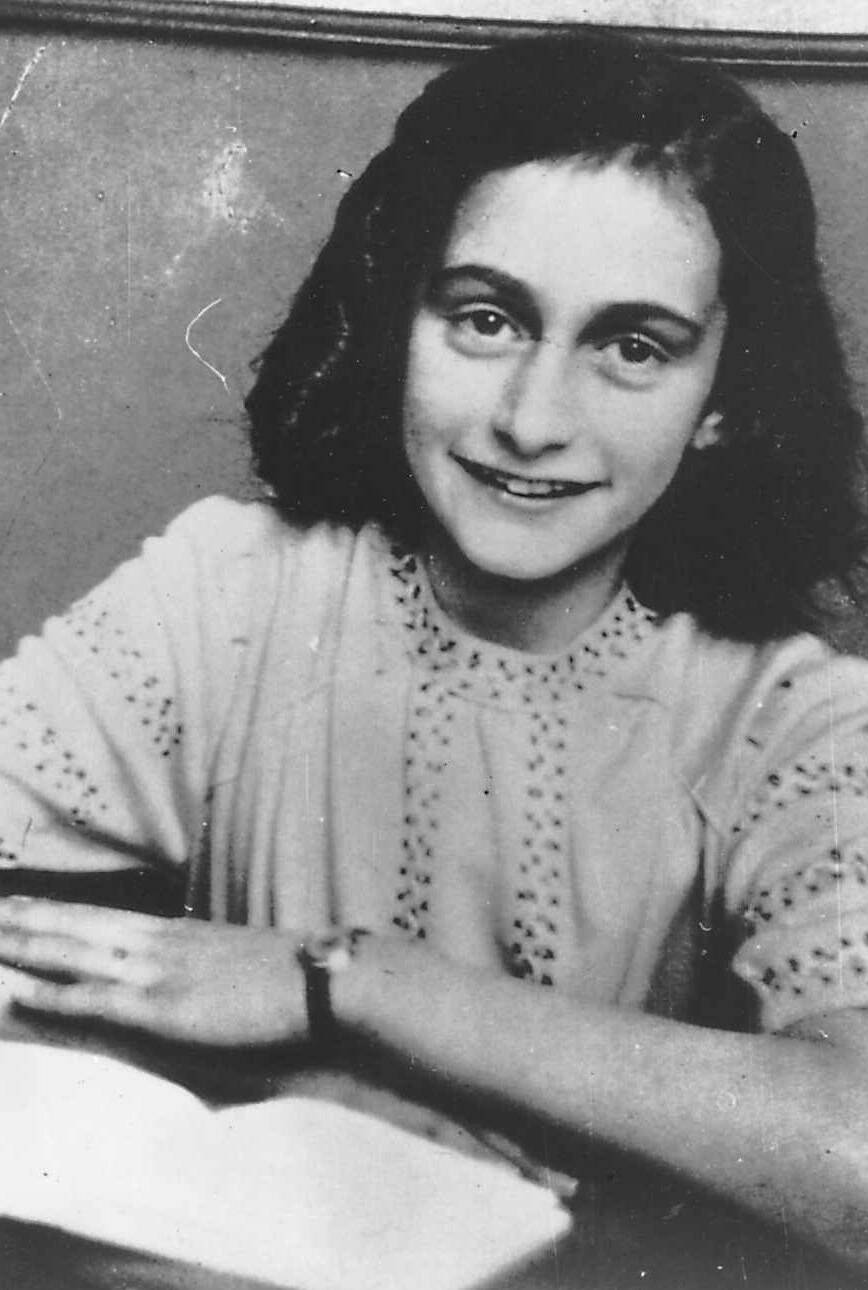
The Associated Press files
Anne Frank died at age 15 of typhus in the Nazis’ Bergen-Belsen concentration camp in Germany in 1945.
The Associated Press files Anne Frank died at age 15 of typhus in the Nazis’ Bergen-Belsen concentration camp in Germany in 1945.

Another survivor who also knew Anne said: “There (in the camp) it took superhuman effort to remain alive… But I feel certain that Anne died of her sister’s death. Dying is so frightfully easy for anyone left alone in a concentration camp.”

The Nazis eliminated three-quarters of the entire Jewish population of the Netherlands during the Second World War. About 27,000 were in hiding. One-third were betrayed for financial reward. On the other hand, over 20,000 Dutch hid Jews at their own peril.

The much-admired Canadian author of 15 books, Rosemary Sullivan is a professor emeritus at the University of Toronto. Her most recent book of non-fiction was Stalin’s Daughter, published in 2015.

The Betrayal of Anne Frank is Sullivan’s account of an exhaustive, truly Herculean review, undertaken over six years by a team of specialists — assembled by Dutch journalist Pieter van Twisk and filmmaker Thijs Bayens and including psychologists, criminologists and forensic scientists — on the fate and treatment of Jews in the Netherlands and how the Nazis tried to murder them all. The book focuses in on the identity of who, in 1944, put the Nazis in Amsterdam on to the location of the hiding place of the Frank family and four others.

The team identifies the person they say betrayed the Franks — and this is where the book gets itself into a mess of trouble. It says on the inside cover (where readers usually first learn what a book is about) that a team “has finally solved the mystery” of who betrayed Anne Frank and her family to the Nazis.
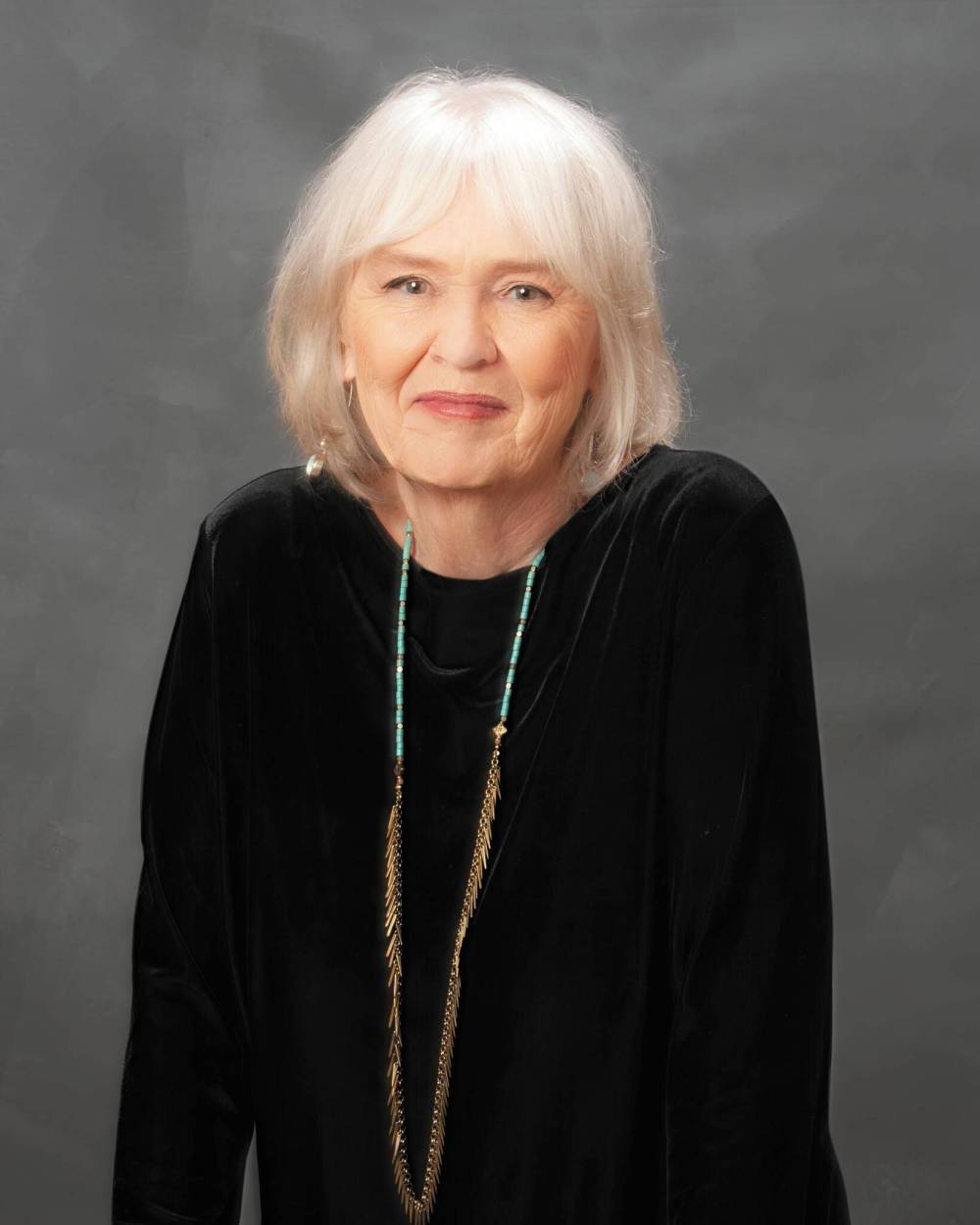
Supplied photo
Author Rosemary Sullivan
Supplied photo Author Rosemary Sullivan

However, a month before release of The Betrayal of Anne Frank, the leader of the investigating team cast some doubt on the team’s identification of the Franks’ betrayer. An American documentary asked him if he’d get a conviction if he took the person to court. “No,” says former FBI investigator Vince Pankoke. “There could be some reasonable doubt.”

Because the Anne Frank case was so long ago, and everyone involved is dead, the body of evidence is circumstantial. Such evidence suggests something, but doesn’t exactly prove it to be so.

“Circumstantial evidence is a tricky thing,” Sherlock Holmes once observed, and that’s probably what detective Pankoke was thinking in his TV interview. The Betrayal of Anne Frank, to put it bluntly, cannot provide any direct evidence that the person they name told the Nazis where the Franks were hiding, although the alleged betrayer may not have known it was the Frank family they were identifying. To call the person, now dead, guilty of betrayal — when you believe you couldn’t convince a court he or she was, and admit as much — is not only bizarre, but also unjust and grossly unfair to the deceased and especially to their descendants. As one scholar of Holocaust studies reacted: “With big accusations you also need big evidence.”

Sullivan essentially wrote The Betrayal of Anne Frank based on information gathered not by her, but by the team of specialists. The best that can be said about her questionable whodunit is that it nevertheless adds to the scholarship of what life was like for the Jews living in urban cocoons under the constant fear of discovery and death.

Sullivan describes in much detail the artificial life Anne et al were forced to live, hidden in a secret room in an attic above a spice warehouse where around-the-clock silence was the sound of survival, snoring threatened discovery, there was no privacy and they lived with a daily 10-hour time period in which the toilet couldn’t be flushed, lest it give them away to the people working below. All of this, for 761 consecutive days. It is surprising none of them went mad.
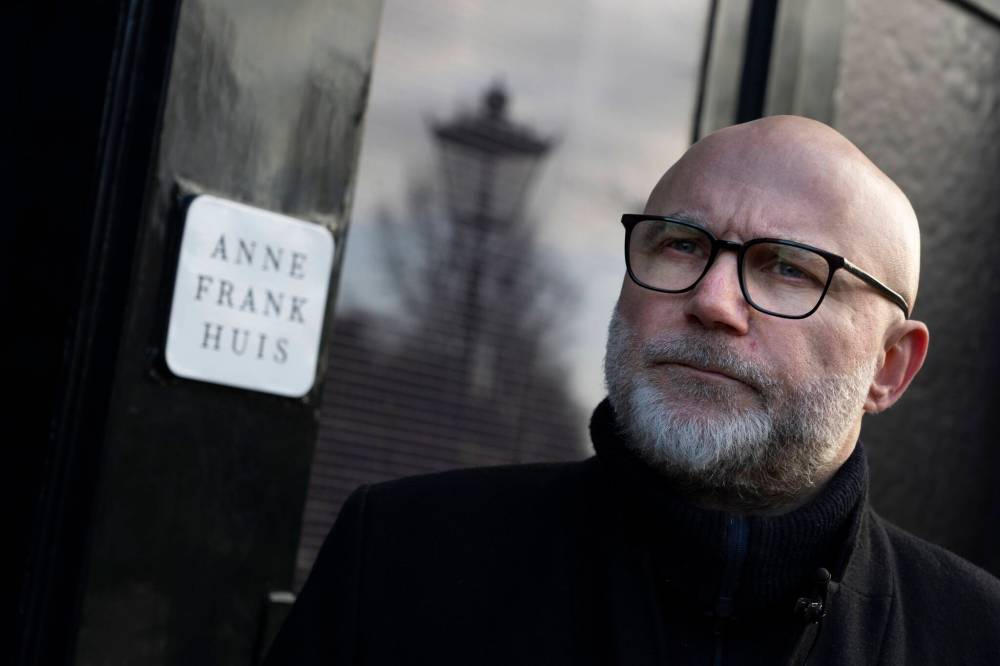
Peter Dejong / The Associated Press files
Dutch filmmaker Thijs Bayens helped pull together a cold case team to analyze evidence in the hunt for the person who betrayed Anne Frank and her family.
Peter Dejong / The Associated Press files Dutch filmmaker Thijs Bayens helped pull together a cold case team to analyze evidence in the hunt for the person who betrayed Anne Frank and her family.

However, this chronicle of what such life was like for Jews in Amsterdam in the Second World War is nowhere enough to save The Betrayal of Anne Frank from criticism, and the book has sparked a firestorm of comment.

The team set out to determine who ratted out the hideout of the Franks, and to prove it. Sometime after the war, an anonymous note was sent to Otto Frank, Anne’s father and lone member of the family to survive the war. It named who it said had betrayed them, along with a list of numbers.

During his life, Otto never publicly named the person. But the team caught a break and ended up with access to a typewritten copy of the note from long ago.

Otto Frank died in 1980 at the age of 91. His alleged betrayer died in 1950. Who sent the note is lost forever, and there is no verifiable proof that the person the note names, an Amsterdam resident, betrayed anybody. The real culprit in all this was the Nazis.

As for the name of the betrayer, The Beatles said it best: “Speaking words of wisdom, let it be.”
Supplied Photo
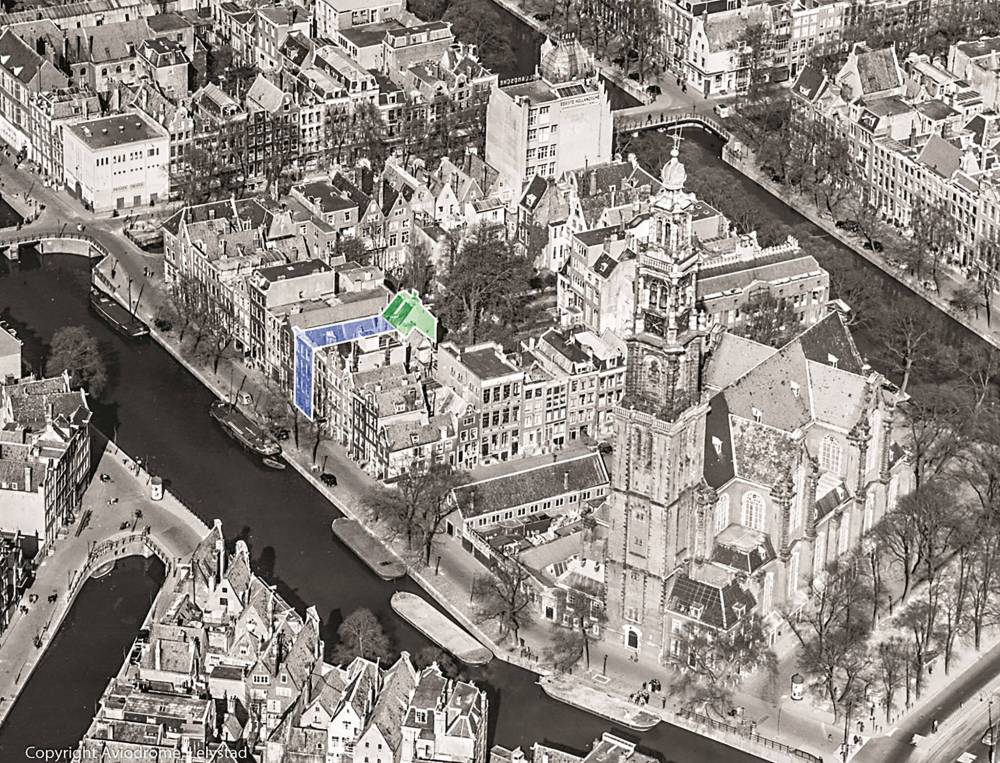
In this supplied image, the building in Amsterdam where the Frank family and others hid from the Nazis, until their discovery in 1944, is shown in blue and green.
Supplied Photo In this supplied image, the building in Amsterdam where the Frank family and others hid from the Nazis, until their discovery in 1944, is shown in blue and green.

Barry Craig is a retired journalist.

The Betrayal of Anne Frank: A Cold Case Investigation
Report Error Submit a Tip

More Stories

‘She was looking to destroy me’: convicted harasser faces new charges

Dean Pritchard 6 minute read Preview

‘She was looking to destroy me’: convicted harasser faces new charges

Dean Pritchard 6 minute read Yesterday at 6:54 PM CDT

When Agnieszka Ciochon-Newton moved into the 55-plus apartment building on Stradbrook Avenue last year, she came across as “timid, soft-spoken and sensitive,” said building manager Tanya Owen.

Little did Owen know the meek-looking 58-year-old woman would soon turn her life and the lives of many of her tenants upside down and threaten her career and family.

“She was looking to destroy me for a simple tenant disagreement,” Owen said Thursday.

Court records show Ciochon-Newton was arrested earlier this month and charged with seven counts of criminal harassment, two counts of uttering threats and one count each of fraud, breaking and entering, attempting to obstruct justice, intimidation of a justice official, mischief and defamatory libel.

Read
Yesterday at 6:54 PM CDT

We used to love a good thunderstorm

Jessica Scott-Reid 5 minute read Preview

We used to love a good thunderstorm

Jessica Scott-Reid 5 minute read 2:00 AM CDT

Growing up on the prairies, even as a city girl, summertime thunderstorms were always cause for excitement. That first rumble signalled it was time to go search for the sleeping bags.

We’d cuddle under them on the front step, under the awning, as we watched the rain pour. And we’d stay out there until we were soaked.

If the lightning wasn’t bad enough for our parents to call us in, we neighbourhood kids would then throw on our bathing suits and go play in the warm puddles. It was some of the best stuff of summer.

As a mom now, with a little girl of my own, I was excited to watch her growing up loving Winnipeg thunderstorms, too.

Read
2:00 AM CDT

Jets suspend goaltender Hellebuyck for failure to report to training camp

The Canadian Press 2 minute read Preview

Jets suspend goaltender Hellebuyck for failure to report to training camp

The Canadian Press 2 minute read Updated: Yesterday at 4:20 PM CDT

WINNIPEG - The Winnipeg Jets suspended goaltender Connor Hellebuyck on Wednesday night for failing to report to training camp.

The team said general manager Kevin Cheveldayoff would address the media Thursday morning. It did not specify the length of the suspension for the U.S. Olympic star.

Hellebuyck, a three-time Vezina Trophy winner and 2025 Hart Trophy winner as NHL MVP, publicly requested a trade from the team on Aug. 27.

In a statement posted on X by his agent, Ray Petkau, Hellebuyck said he had privately requested a trade “several months ago” and that he gave the organization time to address it “quietly and respectfully.”

Read
Updated: Yesterday at 4:20 PM CDT

His blissful kiss is well worth the risk

Maureen Scurfield 4 minute read 2:00 AM CDT

DEAR MISS LONELYHEARTS: The best kisser I ever met knocked me off balance. My little joke was, “That’s why we have to go home now and lie down in a hurry!” We’ve been seeing each other for almost six months. This man can convince me to do almost anything — so much fun!

But, now he’s been transferred out of province for bigger money at a new company.

He’s leaving soon and he could have asked me to move with him, as his trucking partner, but he didn’t! Other women will soon have their hands on him, believe me!

I’m already 27 and I don’t want to date any more guys — just him. Now what can I do? I feel sadder every day.

Canada-U.S. trade relationship is broken, but the damage can — and will — be repaired

Tom Brodbeck 5 minute read Preview

Canada-U.S. trade relationship is broken, but the damage can — and will — be repaired

Tom Brodbeck 5 minute read Yesterday at 1:35 PM CDT

Canada needs to get serious about diversifying its trade beyond the United States. But at the same time, Canadians should expect relations with the U.S. to normalize after Donald Trump is no longer in the White House.

For generations, Canada-U.S. trade was considered almost a fact of geography. The two countries share the world’s longest undefended border, deeply integrated supply chains and a century of commercial relationships.

Canadian manufacturers depend on American customers. American manufacturers depend on Canadian suppliers. Energy, agriculture, automotive production and countless other industries operate across the border as though it barely exists.

That isn’t going to change dramatically, even in the midst of a bitter trade war unleashed by the U.S. president.

Read
Yesterday at 1:35 PM CDT

United Way, other charities fight for dollars as donor base shrinks

Scott Billeck 8 minute read Preview

United Way, other charities fight for dollars as donor base shrinks

Scott Billeck 8 minute read 2:00 AM CDT

Winnipeg’s charitable sector is being squeezed from both sides: demand for help is growing while the pool of donors to meet that need is shrinking.

The imbalance is increasingly being carried by a relatively small group of deep-pocketed donors. Last year, 600 people — about three per cent of United Way Winnipeg’s individual donors — accounted for roughly $8 million, or 55 per cent of individual donations.

The fundraising pitch isn’t getting any easier.

Homelessness and public drug use have become increasingly visible, household budgets remain strained and the problems charities are trying to address can seem so entrenched that donors may reasonably wonder what difference another contribution can make.

Read
2:00 AM CDT