Manipulating the market
In the midst of economic free fall, Guelph’s Arthur Cutten reaped riches from farm commodities, company stock offers
Advertisement
Read this article for free:
or
Already have an account? Log in here »
To continue reading, please subscribe:

Digital Subscription
One year of digital access for only $205*
- Enjoy unlimited reading on winnipegfreepress.com
- Read the E-Edition, our digital replica newspaper
- Access News Break, our award-winning app
- Play interactive puzzles
*First annual payment billed as $205.00 + GST for one year. This annual subscription will automatically renew at $233.00 + GST every 52 weeks (10% off the regular annual price of $259.35). Offer available to new and qualified returning subscribers only. Cancel any time.
To continue reading, please subscribe:
Add Free Press access to your Brandon Sun subscription for only an additional
$1 for the first 4 weeks*
- Enjoy unlimited reading on winnipegfreepress.com
- Read the E-Edition, our digital replica newspaper
- Access News Break, our award-winning app
- Play interactive puzzles
*Your next Brandon Sun subscription payment will increase by $1.00 and you will be charged $17.95 plus GST for four weeks. After four weeks, your payment will increase to $24.95 plus GST every four weeks.
Read unlimited articles for free today:
or
Already have an account? Log in here »
Hey there, time traveller!
This article was published 02/03/2024 (914 days ago), so information in it may no longer be current.
We Canadians like to be smug about our money-hungry neighbours to the south with all the tales of their rapacious financial dealings, such as the sub-prime mortgage debacle, multi-million-dollar Ponzi schemes, Bitcoin fraud and stock price manipulation.
In To Make a Killing, however, biographer Robert Stephens puts us in our place with his detailed story of Canadian Arthur Cutten and his leading role as a commodities and stock manipulator in the run-up to the financial crash that precipitated the Great Depression.
The Roaring ‘20s were an exhilarating, exuberant time in American society and finance. Prohibition saw an influx of bootleg liquor consumed in speakeasy clubs by crowds listening and dancing to wild jazz and thumbing their noses at authorities, and there were great fortunes to be made in the commodities and stock markets for those in the know and, supposedly, for anyone willing to risk some cash.
Courtesy of McGill-Queen’s University Press
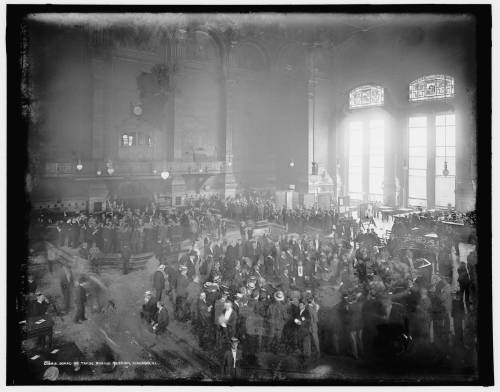
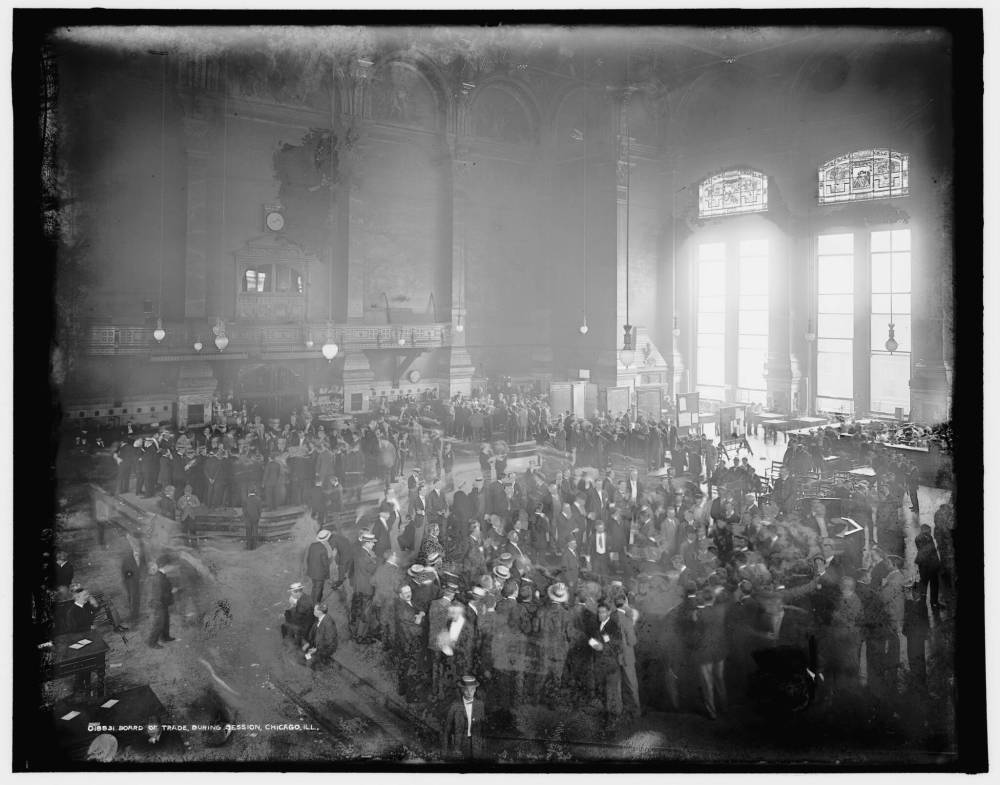
Cutten worked the trading floor of the Chicago Board of Trade (seen here in 1905) early on.
We know how that turned out.
By the end of the decade the economy was in the free fall that heralded the Great Depression — banks failed, speculators lost their fortunes, businesses closed and hordes of working-class Americans were unemployed, relying on meagre government aid and soup kitchens to survive.
The speculators, working alone or in syndicates, who manipulated the commodities market in Chicago and stock market in New York, included a who’s who of American financial aristocracy, patriarchs of clans such as Kennedy, DuPont, Armour and Durant.
While those with the ability to reap riches by playing the markets for farm commodities and company stock offers like a fiddle were primarily Americans, one of the most successful market manipulators of the time hailed from Guelph, Ont. — Arthur William Cutten, who made massive amounts of money by being ruthless in his pursuit of fortune.
Stephens sums up Cutten’s business life: “With utter ruthlessness, he conducted corners and bear raids, buying and selling more wheat and corn than anyone before, millions of bushels at a time. On Wall Street, he manipulated prices through syndicates and pools, engaged in wash trading (simultaneously buying and selling a security to attract interest), traded on insider information, and promoted shares to a gullible public. Anyone could get rich quick. All you had to do was follow this new Midas.”
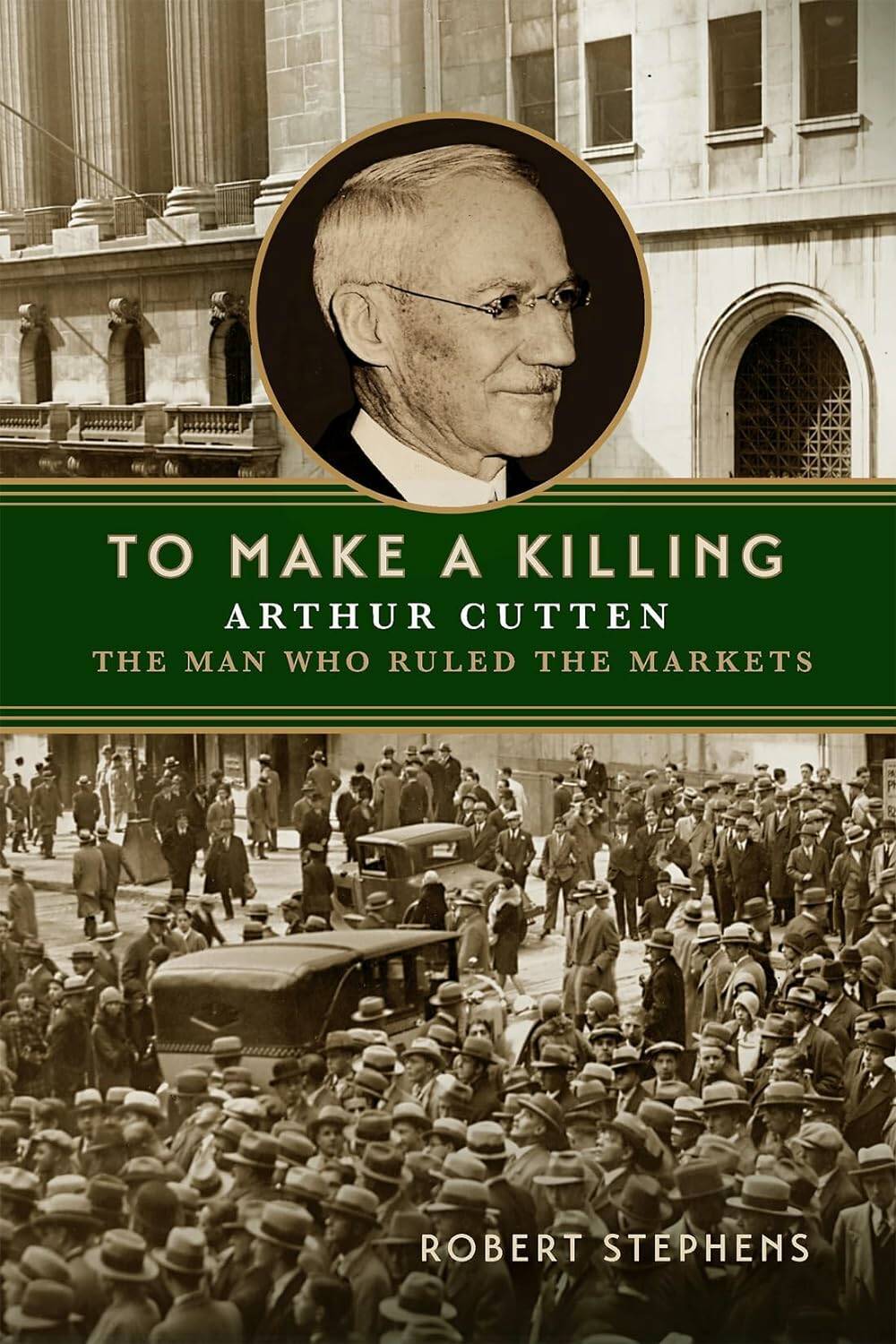
To Make a Killing
How very un-Canadian, we would say.
Cutten’s story begins in 1870 when he was born in Guelph. His father was an important lawyer who set up a successful private bank in town that allowed him to send Arthur and one of his brothers to Trinity College, an institution based on British boarding schools.
When the bank collapsed in 1888, criminal charges were dismissed, but his father’s reputation was in tatters. Two years later, Arthur headed to Chicago to make a name for himself and try to earn back the respect for the family name that his father had squandered. He success in the first wish made the second one impossible to attain.
Cutten learned the business by working on the trading floor in Chicago and made his initial fortune manipulating the price of commodities like wheat, reducing the price paid to farmers and causing unsophisticated investors to lose money in his favour. He later applied his expertise to the New York Stock Exchange.
The fortunes of Cutten and his fellow manipulators grew rapidly, and it is said his profits from Chicago and New York markets exceeded US$100 million, equal to US$1.5 billion today, writes Stephens, president of a public relations company and a former journalist. Cutten walked away from the carnage of the market crash with at least half of that intact, the author adds.

Courtesy of McGill-Queen’s University Press
Robert Stephens
The lack of market regulation allowed Cutten and the others to make a killing, as the book’s title implies, but the crash finally provoked the federal government to enact safeguards to prevent it happening again.

Cutten was the target of several regulatory and judicial attempts, including a Senate commission, to hold him responsible for his financial misdeeds, but none of them stuck.
And in the end, after his death in 1936, he won one last battle by besting the taxman. The government missed a chance to prosecute him for US$1.2 million in unpaid taxes and penalties because of his death.
When his will was probated, it included assets worth only US$350,000, after his having salvaged US$50 million after the crash and adding to it. No trace could be found of the missing money, and the IRS was paid US$333,464 in 1948 against its US$1.2 million claim.
Stephens has written a detailed, interesting account of those wild times and how a young man from Guelph came be known as a market king in the unfettered world of U.S. finance.
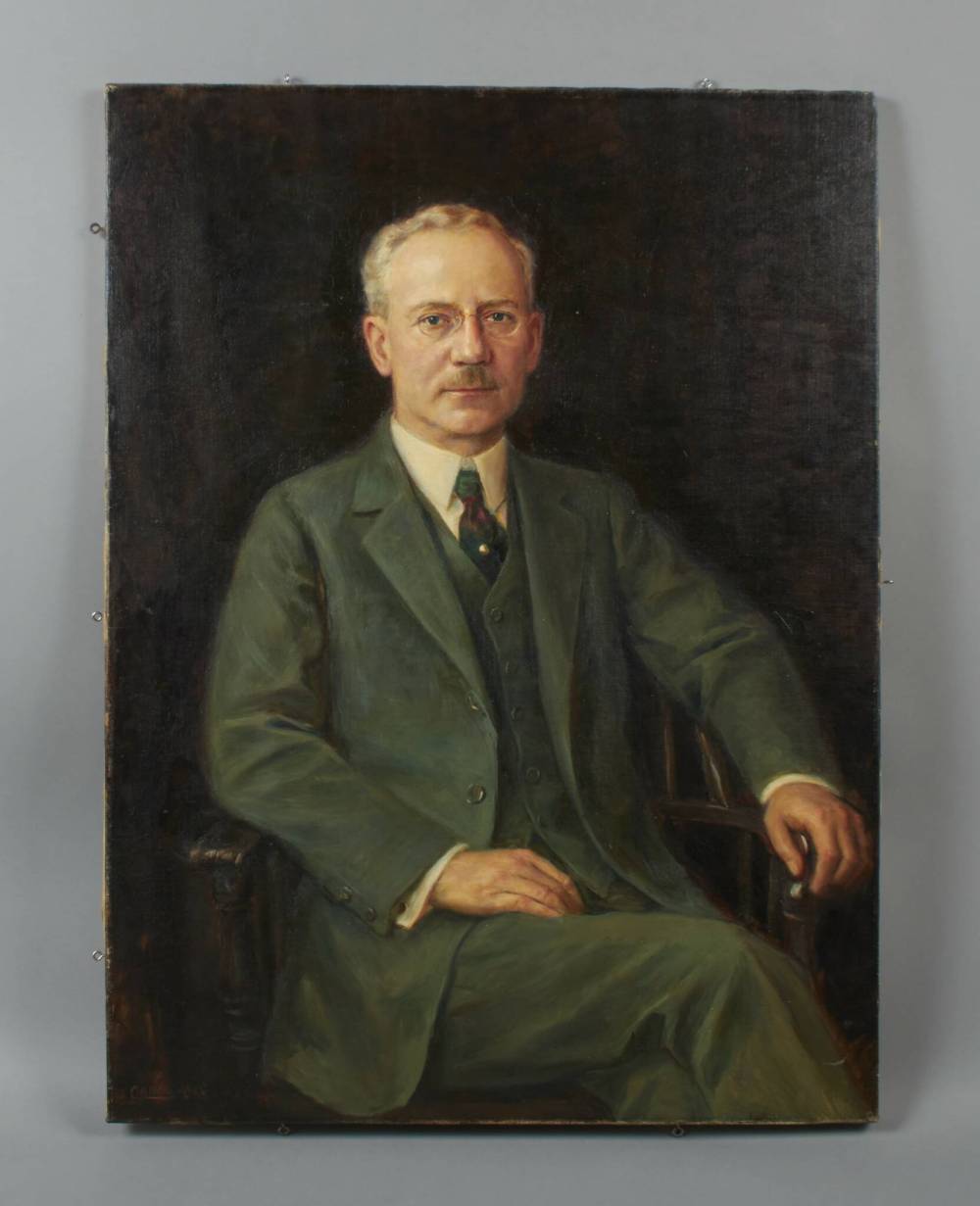
Courtesy of McGill-Queen’s University Press
Arthur Cutten
Chris Smith is a Winnipeg writer.
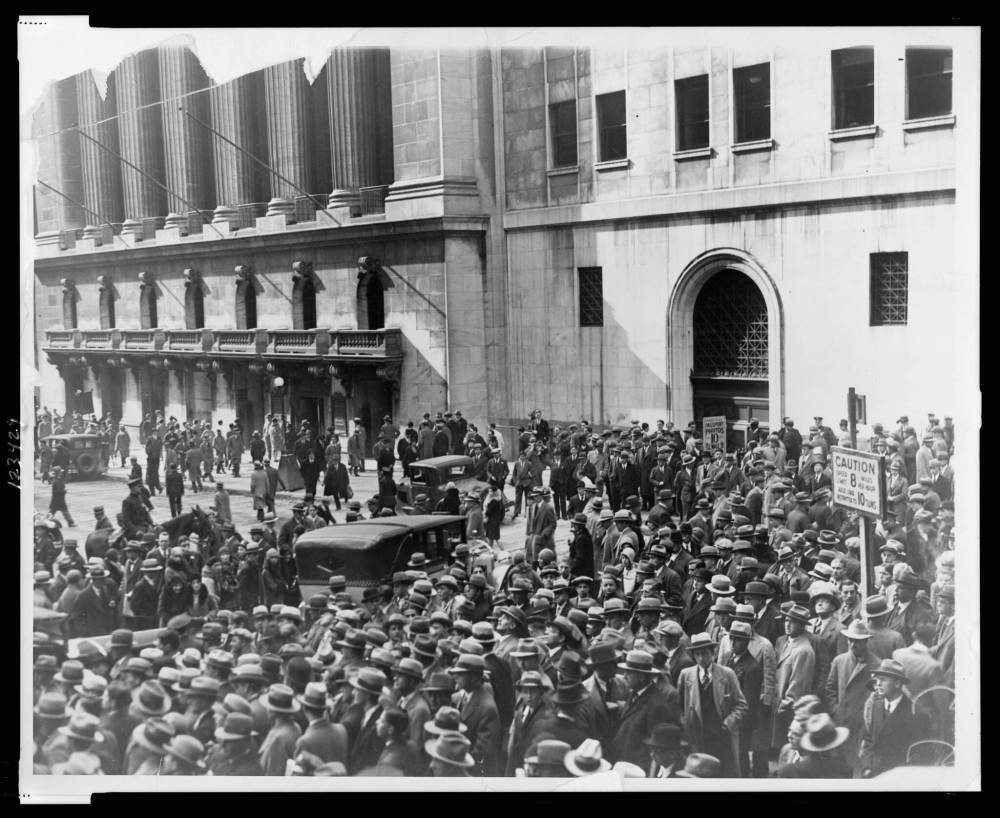
Courtesy of McGill-Queen’s University Press
In this 1929 photo, a crowd gathers outside the New York Stock Exchange during the economic crash. The end of the 1920s saw banks fail, speculators lose their fortunes and businesses close.