Concrete doc befits brutalist Winnipeg

Advertisement
Read this article for free:
or
Already have an account? Log in here »
To continue reading, please subscribe:

Digital Subscription
One year of digital access for only $205*
- Enjoy unlimited reading on winnipegfreepress.com
- Read the E-Edition, our digital replica newspaper
- Access News Break, our award-winning app
- Play interactive puzzles
*First annual payment billed as $205.00 + GST for one year. This annual subscription will automatically renew at $233.00 + GST every 52 weeks (10% off the regular annual price of $259.35). Offer available to new and qualified returning subscribers only. Cancel any time.
To continue reading, please subscribe:
Add Free Press access to your Brandon Sun subscription for only an additional
$1 for the first 4 weeks*
- Enjoy unlimited reading on winnipegfreepress.com
- Read the E-Edition, our digital replica newspaper
- Access News Break, our award-winning app
- Play interactive puzzles
*Your next Brandon Sun subscription payment will increase by $1.00 and you will be charged $17.95 plus GST for four weeks. After four weeks, your payment will increase to $24.95 plus GST every four weeks.
Read unlimited articles for free today:
or
Already have an account? Log in here »
Moviegoers across North America are pounding the pavement and lining up around the block to see The History of Concrete, small-screen documentarian John Wilson’s feature-length debut.
At the IFC Centre, a New York City film haven, the doc by Wilson — the creator of HBO docuseries How To With John Wilson — smashed records during its opening stand, posting US$90,000 in sales for the second-highest weekend gross in the theatre’s history, trailing only Parasite, per Deadline.
It’s a rock-solid response for a film exploring an oft-misunderstood material, says Daniel Guenther, the assistant director for the Winnipeg Architecture Foundation.
Winnipeg architecture foundation The Royal Manitoba Theatre Centre is an example of brutalist architecture.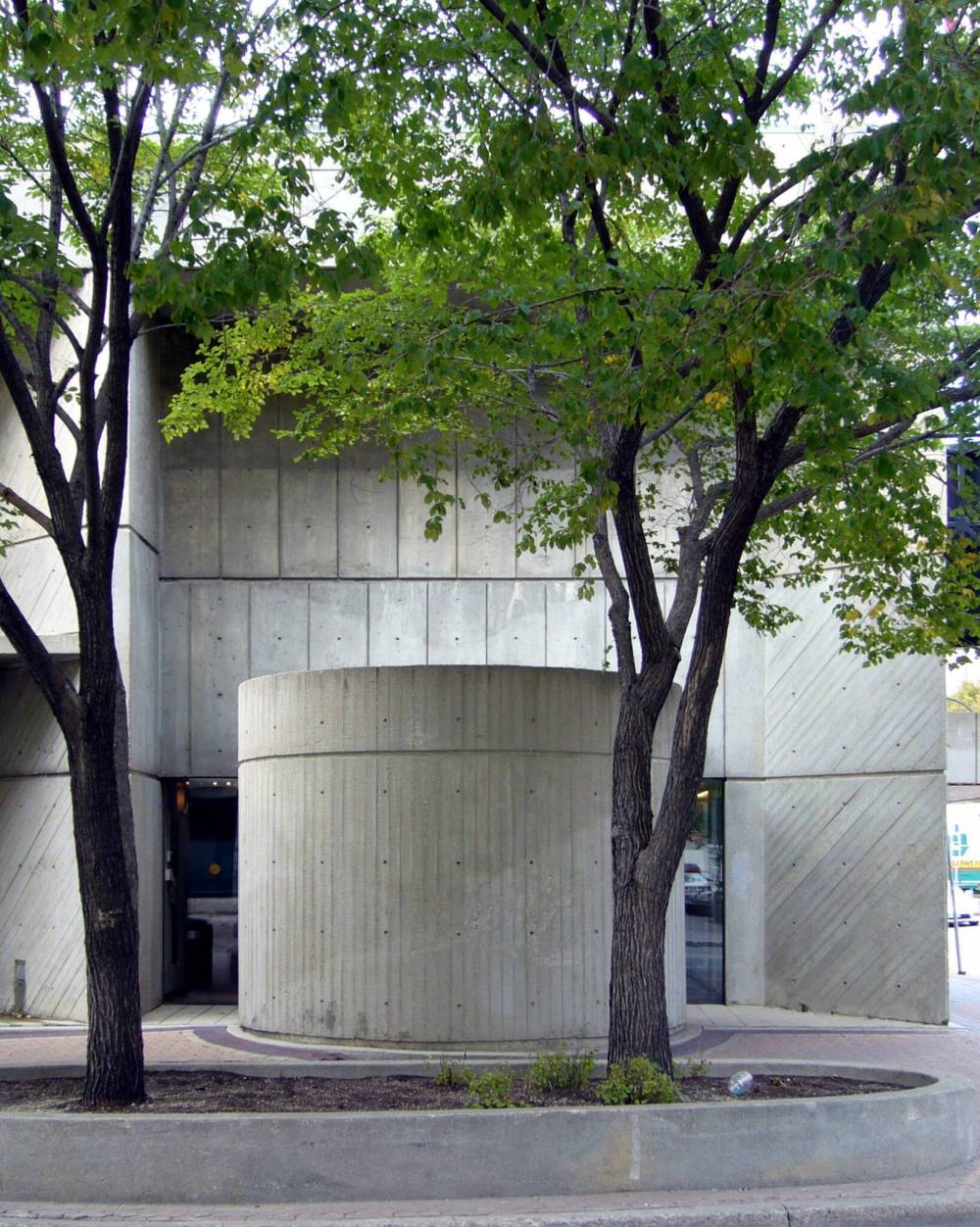
From tonight until Oct. 6, the documentary, which sold out its Toronto première at the Hot Docs festival, will screen at the Dave Barber Cinematheque as part of the architecture foundation’s year-round Architecture+Film series.
“Some people, let’s say, have a love-hate relationship with concrete,” says Guenther, who has yet to see the film. In Winnipeg, a city that has achieved international renown for its embrace of the material in the tradition of brutalist architecture, he expects the film to have no trouble finding an engaged audience.
“Many Winnipeggers might not know that we regularly have people contacting the architecture foundation, coming to Winnipeg to see our brutalist architecture,” says Guenther.
Some key examples of the material’s and style’s most cutting-edge expressions include the Royal Manitoba Theatre Centre and the Manitoba Teachers’ Society building at the corner of Portage Avenue and Harcourt Street.
“We regularly have people contacting the architecture foundation, coming to Winnipeg to see our brutalist architecture”
Called McMaster House, the MTS headquarters “could be used in films,” Guenther says.
But while exposed concrete has its fair share of devotées, Guenther says that in his capacity with the foundation he’s toured some “fantastic” buildings with lobbies floored by poured concrete, which are often tiled over or hidden.
“Concrete is often covered up with the notion that we need to do something nicer, or softer, for people,” he says. “But how can we better understand the material if it’s constantly covered up? How do we know and learn about it?”
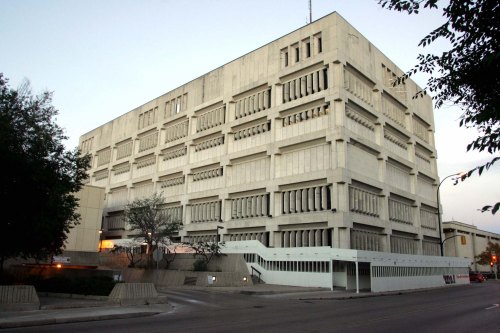
A fan of concrete, Guenther still laments the loss of the Public Safety Building, a brutalist structure built in 1966 on Princess Street from designs by the firm Libling Michener and Associates, the same group responsible for the teachers’ society building.
Six years after its demolition, Guenther says that the Public Safety Building still inspires debate and inquiry.
BORIS MINKEVICH / FREE PRESS FILES Winnipeg's former Public Safety Building, a brutalist structure built in 1966, was demolished six years ago.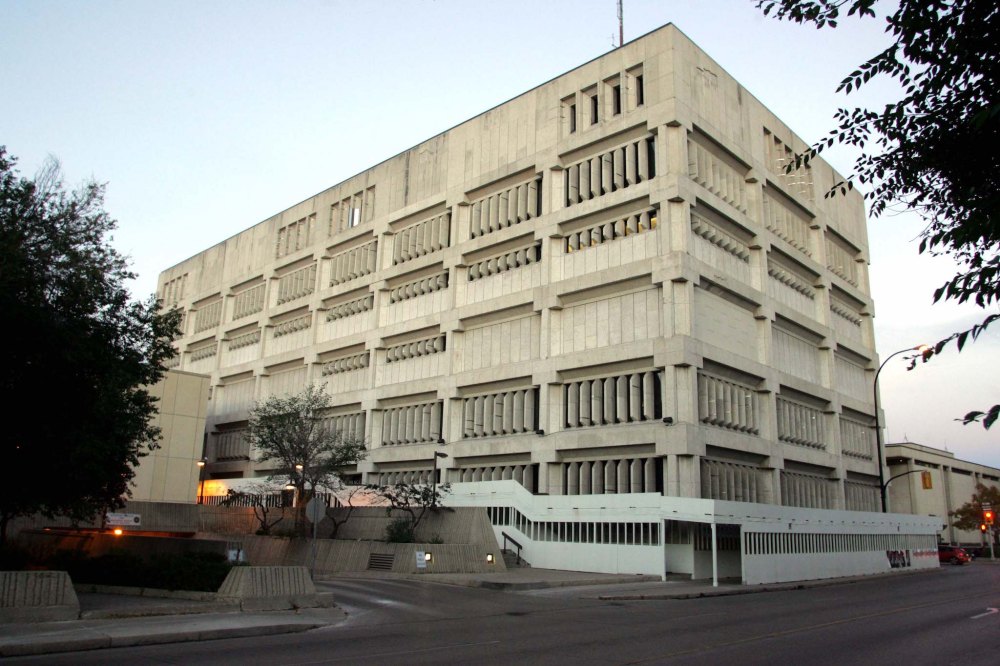
“We now have architecture students regularly studying the building and what could have been done to repurpose it,” he says. “A lot of people don’t know that the building was entirely demolished, and most of it sent to the landfill, which is terrible for our carbon footprint.
“There are so many uses that could have been for that building … but I digress.”
The History of Concrete’s international buzz — plus the abundance of civic reference points to Wilson’s chosen subject — has made for steady advance sales for the screening series at Cinematheque.
And the local twists keep on coming.
“There are so many uses that could have been for that building.”
According to the theatre’s plot summary of The History of Concrete, Wilson uses another definitive material of Winnipeg’s narrative — our frequent shooting location for Hallmark films — to help ensure the film reaches its audience.
“After attending a workshop on how to write and sell a Hallmark movie, he decides to use the industry-approved Hallmark formula to tell this seemingly drab story and increase his movie’s appeal. But his foundation soon begins to crumble — literally and figuratively — as he struggles to balance artistic freedom with the realities of the modern film industry.”
The History of Concrete screens through Oct. 6 at Dave Barber Cinematheque (100 Arthur St.). Tickets at davebarbercinematheque.com.

Ben Waldman is a National Newspaper Award-nominated reporter on the Arts & Life desk at the Free Press. Born and raised in Winnipeg, Ben completed three internships with the Free Press while earning his degree at Ryerson University’s (now Toronto Metropolitan University’s) School of Journalism before joining the newsroom full-time in 2019. Read more about Ben.
Every piece of reporting Ben produces is reviewed by an editing team before it is posted online or published in print — part of the Free Press‘s tradition, since 1872, of producing reliable independent journalism. Read more about Free Press’s history and mandate, and learn how our newsroom operates.
Our newsroom depends on a growing audience of readers to power our journalism. If you are not a paid reader, please consider becoming a subscriber.
Our newsroom depends on its audience of readers to power our journalism. Thank you for your support.
Ben Waldman is a National Newspaper Award-nominated reporter on the Arts & Life desk at the Free Press. Born and raised in Winnipeg, Ben completed three internships with the Free Press while earning his degree at Ryerson University’s (now Toronto Metropolitan University’s) School of Journalism before joining the newsroom full-time in 2019. Read more about Ben.
Every piece of reporting Ben produces is reviewed by an editing team before it is posted online or published in print — part of the Free Press‘s tradition, since 1872, of producing reliable independent journalism. Read more about Free Press’s history and mandate, and learn how our newsroom operates.
Our newsroom depends on a growing audience of readers to power our journalism. If you are not a paid reader, please consider becoming a subscriber.
Our newsroom depends on its audience of readers to power our journalism. Thank you for your support.
Related Articles
Concrete documentary aided by filmmaker’s tender, affecting manner
Advertisement Advertise With Us
Advertisement Advertise With Us