Can I get the coronavirus twice?
Advertisement
Read this article for free:
or
Already have an account? Log in here »
To continue reading, please subscribe:

Digital Subscription
One year of digital access for only $205*
- Enjoy unlimited reading on winnipegfreepress.com
- Read the E-Edition, our digital replica newspaper
- Access News Break, our award-winning app
- Play interactive puzzles
*First annual payment billed as $205.00 + GST for one year. This annual subscription will automatically renew at $233.00 + GST every 52 weeks (10% off the regular annual price of $259.35). Offer available to new and qualified returning subscribers only. Cancel any time.
To continue reading, please subscribe:
Add Free Press access to your Brandon Sun subscription for only an additional
$1 for the first 4 weeks*
- Enjoy unlimited reading on winnipegfreepress.com
- Read the E-Edition, our digital replica newspaper
- Access News Break, our award-winning app
- Play interactive puzzles
*Your next Brandon Sun subscription payment will increase by $1.00 and you will be charged $17.95 plus GST for four weeks. After four weeks, your payment will increase to $24.95 plus GST every four weeks.
Read unlimited articles for free today:
or
Already have an account? Log in here »
Hey there, time traveller!
This article was published 03/09/2020 (2205 days ago), so information in it may no longer be current.
Can I get the coronavirus twice?
It seems possible, though how often it happens isn’t known.
Researchers in Hong Kong recently reported evidence of a person who got the coronavirus a second time, months after an initial infection.
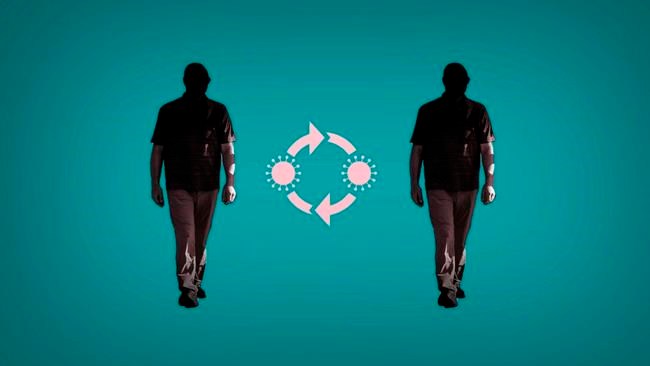
The finding has not yet been published in a journal. But scientists said the 33-year-old man had mild symptoms the first time and none the second time, suggesting his immune system may have provided some protection against serious illness even if it could not prevent a reinfection. His more recent infection was detected through screening and testing at the Hong Kong airport, and researchers said genetic tests revealed different strains of the virus.
Several other possible cases have been reported, including a U.S. man who was sicker the second time than the first.
Even if people can get reinfected, the World Health Organization says it likely wouldn’t happen regularly.
Health experts generally believe people who had COVID-19 will have some immunity against a repeat infection. But they don’t know how much protection, or how long it would last.
This is important because if immunity wears off, it could pose a challenge for vaccines. Some experts say booster shots may be needed.
It’s also unclear whether reinfected people would be able to spread the virus to others. That’s another reason scientists say people should continue to wear masks, social distance and practice good hygiene.
____
The AP is answering your questions about the coronavirus in this series. Submit them at: FactCheck@AP.org.
More Viral Questions:
Can I use a face shield instead of a mask?
Has the coronavirus mutated in any significant way?
Can the coronavirus spread through the air?