A degree in caring
For beloved pediatrician, saying no was never an option
Advertisement
Read this article for free:
or
Already have an account? Log in here »
To continue reading, please subscribe:

Digital Subscription
One year of digital access for only $205*
- Enjoy unlimited reading on winnipegfreepress.com
- Read the E-Edition, our digital replica newspaper
- Access News Break, our award-winning app
- Play interactive puzzles
*First annual payment billed as $205.00 + GST for one year. This annual subscription will automatically renew at $233.00 + GST every 52 weeks (10% off the regular annual price of $259.35). Offer available to new and qualified returning subscribers only. Cancel any time.
To continue reading, please subscribe:
Add Free Press access to your Brandon Sun subscription for only an additional
$1 for the first 4 weeks*
- Enjoy unlimited reading on winnipegfreepress.com
- Read the E-Edition, our digital replica newspaper
- Access News Break, our award-winning app
- Play interactive puzzles
*Your next Brandon Sun subscription payment will increase by $1.00 and you will be charged $17.95 plus GST for four weeks. After four weeks, your payment will increase to $24.95 plus GST every four weeks.
Read unlimited articles for free today:
or
Already have an account? Log in here »
Hey there, time traveller!
This article was published 17/05/2025 (491 days ago), so information in it may no longer be current.
Marilyn Goldberg remembers getting things ready for a family dinner. Her husband Norman had headed out to pick up the promised pizza.
After some time, she wondered why he hadn’t yet returned. He was late. Very late.
“He walked in covered in soot,” she recalled.
SUPPLIED
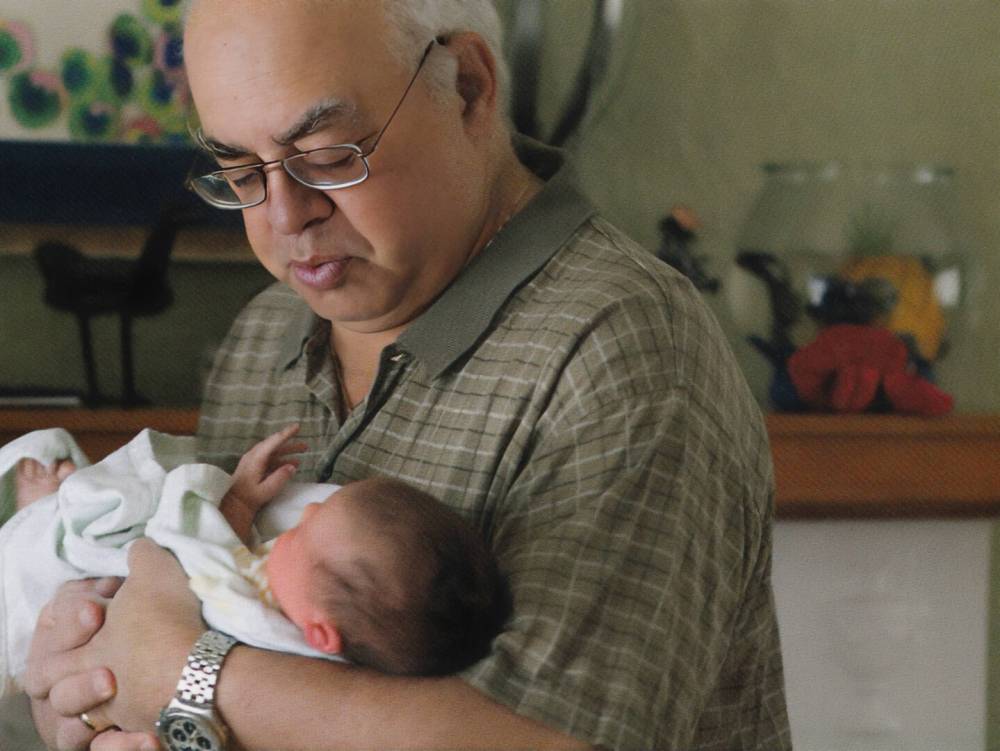
Norman Goldberg holding his infant grandson, Isaac, in 2010.
“There’d be a media story that there was a fire on Corydon and he’d helped a child out of the building,” Marilyn said. “‘Local pediatrician stopped to help.’ He never said a thing.”
That was Norman Goldberg. He always helped. Caring for people was a sacred responsibility Goldberg took seriously. He never said no, nor sought recognition, but his humility, at the core of his being, was noticed by everyone.
The beloved pediatrician saved and nurtured countless children and families. A founding director of the Winnipeg Ronald McDonald House, he devised the popular “monster spray” (actually diluted mouthwash), which warded off monsters from under the beds of frightened children.
Goldberg was a university teacher and mentor, authoring several pediatric journal articles.
He served in leadership roles in the Manitoba and the Canadian pediatric societies, the Society for Manitobans with Disabilities, the Learning Disabilities Association of Manitoba, Planned Parenthood and many other organizations.
SUPPLIED
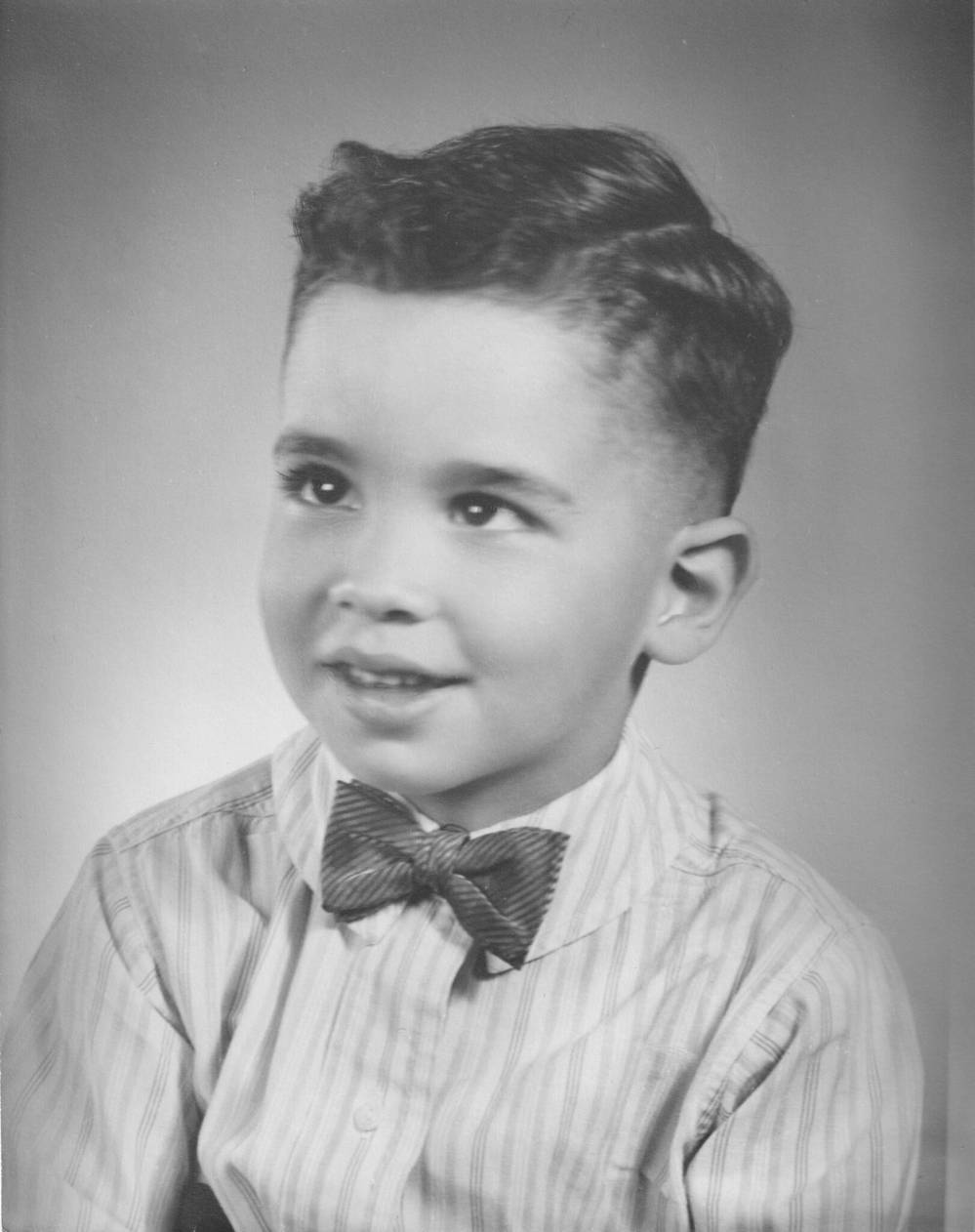
Five-year-old Goldberg in 1953.
He served on two synagogue boards. He helped co-ordinate a major project to settle refugees from Darfur. He worked with immigrants locally and with Indigenous communities when he travelled up North. And he did it all without fanfare.
Goldberg died on Jan. 4, 2025, at age 76.
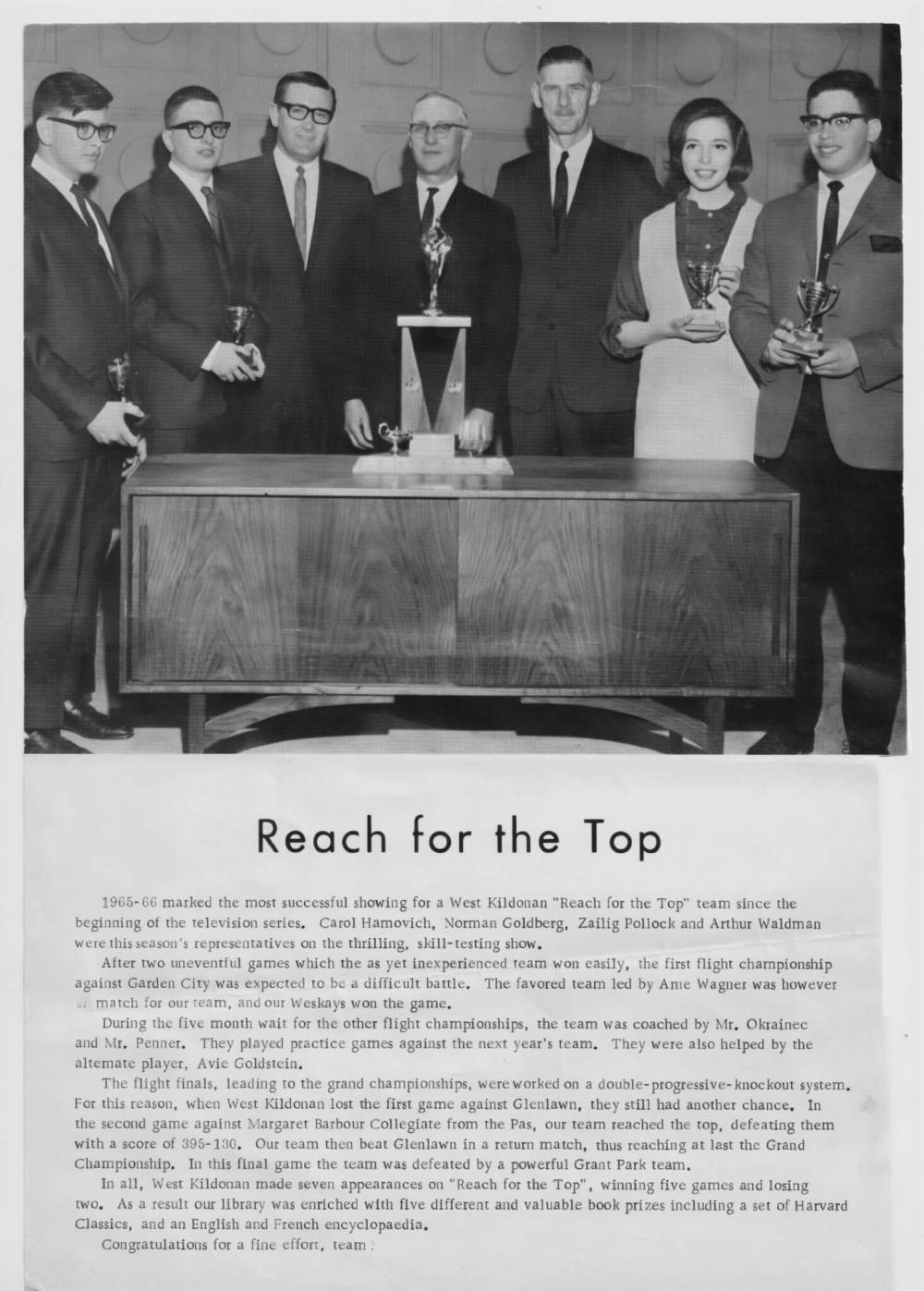
He grew up with parents of modest means. At 16, when his childhood friend died, he decided he’d find a way to be a doctor. A finalist on the high school television quiz show Reach for the Top, he went on to work hard in university and during the summers, securing a few scholarships and student loans.
Goldberg earned his medical degree from the University of Manitoba, fulfilling his dream of becoming a pediatrician specializing in adolescent medicine.
“He went above and beyond in his profession,” said Marilyn. “Sometimes he’d visit people at home who couldn’t get out of the house for reasons related to health or poverty. He didn’t advertise or talk about it, but he’d stop by their house.
SUPPLIED
Goldberg’s team won at Reach for the Top, a televised academic inter-school competition, in 1966.
“For many years he assisted at baby deliveries at the hospital, worked with obstetricians, was called into the hospital many times — particularly if there was a risk to the newborn — ran out at all hours day or night if needed at the hospital, even if he had worked all day. He saved many newborns with resuscitation.”
A tireless advocate for his patients, he received the Dr. Leighton N. Young Distinguished Pediatrician Award.
Serving on various hospital teams, including two decades with the Pediatric Brain Injury team, he never shied away from challenges, and instead embraced the management of complex cases, including children with brain injuries, disabilities, HIV and developmental and adolescent issues.
“He spent a lot of time with mothers, grandmothers, families,” Marilyn said.
“He’d meet with the school team. He didn’t get paid for those meetings. He was always running to this meeting, that meeting — he spent a lot of time doing that. He said to me, ‘I could have made a lot of money, but I wouldn’t have changed a thing.’”
SUPPLIED
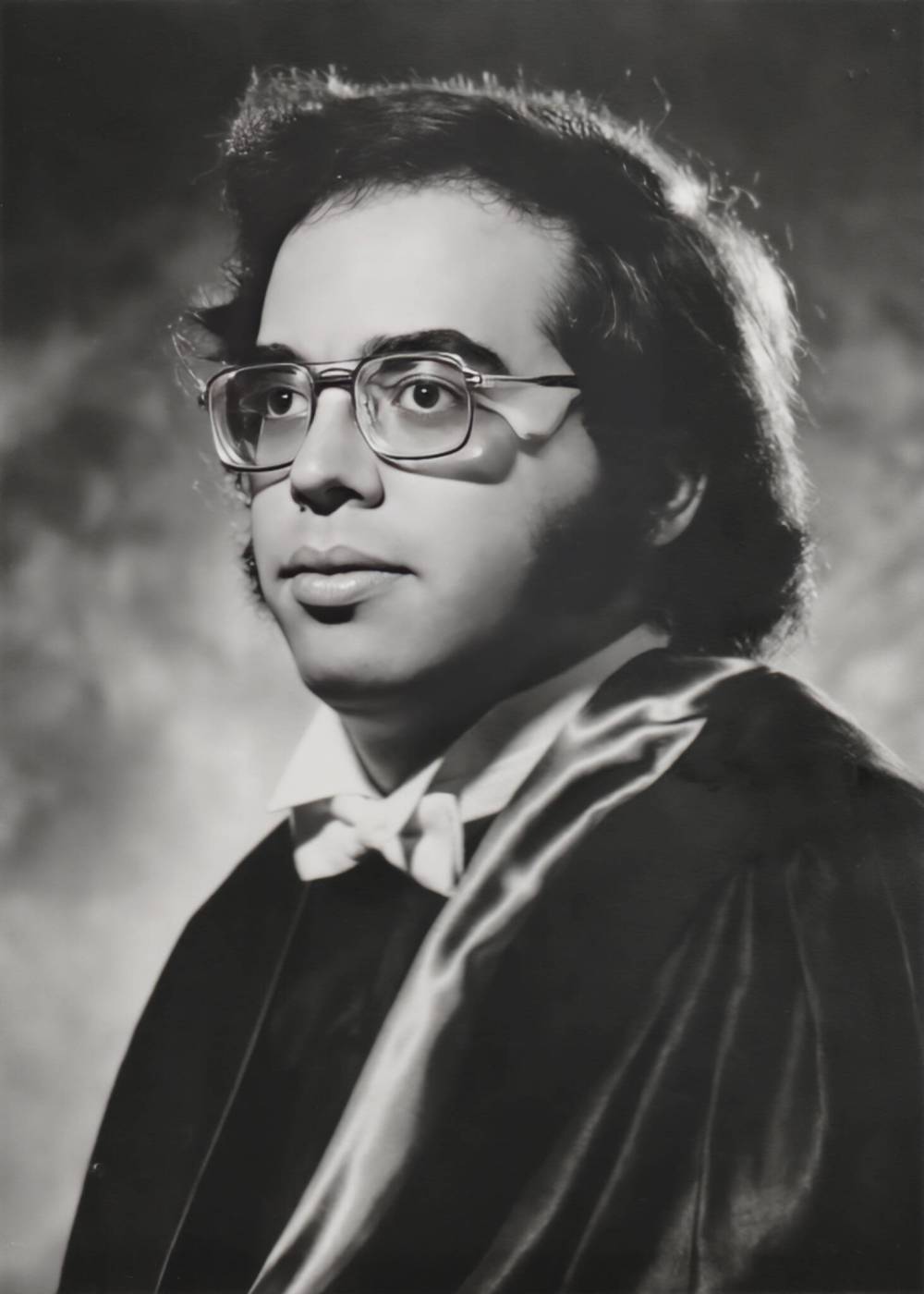
Goldberg graduated medical school in 1972.
Goldberg met Marilyn when they were in high school together. They were married for 53 happy years.
“We were both different kinds of nerds,” Marilyn recalled. “On our first date, he invited me to a Gordon Lightfoot concert. Our love song was The Wreck of the Edmund Fitzgerald, we would joke.
“About 50 years later, the kids bought us tickets to go to the (Lightfoot) concert,” Marilyn said, adding how thoroughly they enjoyed seeing him perform again.
Over the years, Marilyn came to learn about his interest in photography, reading, history, travel, listening to jazz, his elaborate collection of hats and, most importantly, his deep connection to Judaism and his investment in relationships with patients, colleagues, community and family.
Together, they delighted in family vacations in Gimli and mealtimes around the table with their three children — Aviva, Amy and Daniel — and later two grandchildren.
SUPPLIED
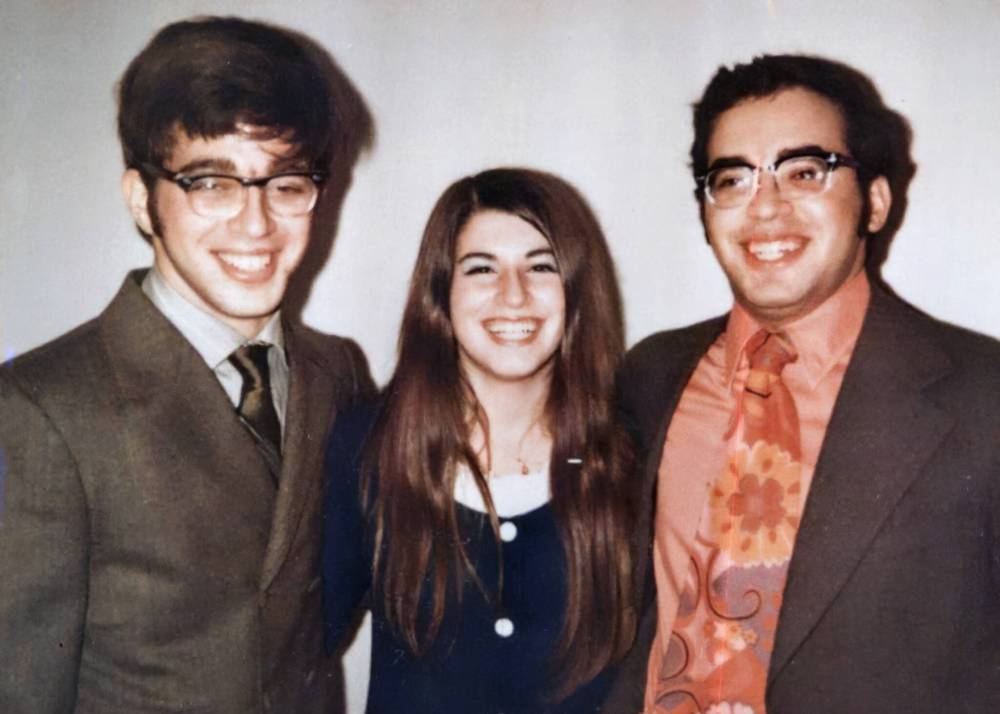
Siblings Harvey, Penny and Norman Goldberg in 1969.
Despite his unwavering responsiveness to the numerous evening and night calls, he always did everything he could to join his family for dinner.
Goldberg’s daughter Aviva inherited her father’s passion for pediatrics and is now a physician in the same field.
Before starting her first residency rotation in the neonatal intensive care unit, dealing with very sick infants, her father shared some advice she carries with her every day.
“He said, ‘If you see a dirty diaper, change it.’ He meant that we all had to do the work of caring for these babies. If you examined a baby and left them dirty, you were leaving work for other people to do — the nurses or their parents.
“I’ve tried to live my whole career with that same ethos that we all have to get the work done and that none of us are above changing a dirty diaper.”
SUPPLIED
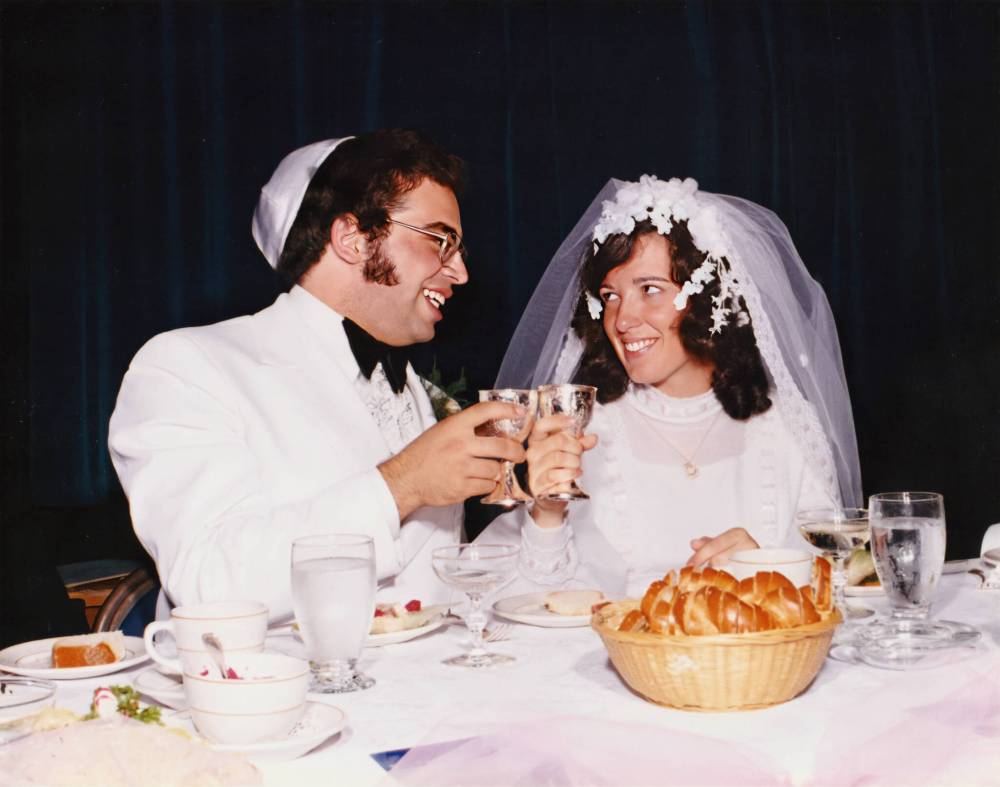
Goldberg at his 1971 wedding to Marilyn.
In the early days of his practice, Aviva recalls learning about a child who needed a liver transplant while that technology was still rare and experimental.
“He wasn’t happy to give the parents the answer that he couldn’t do anything because transplantation wasn’t available yet in Canada, so he decided to solve the puzzle by reaching out to the surgeon in the U.S. who was doing these transplants, very experimentally.
“He did good things for people in quiet ways. He got down to the level of the children he treated, whether that was by crouching down or sitting down or speaking in ways that they could understand. He was a great teacher to med students and residents, because he was able to break down complicated topics and acknowledge the emotional side of the work we do.”
When Goldberg wasn’t busy saving lives, he was absorbed in enhancing the lives of his family members, often with a playful approach.
Renowned for his fluffy scrambled eggs, he managed to convince his grandchildren that the cruise they were all enjoying together had been paid for because Zaide (Yiddish for grandfather) was up early every morning making scrambled eggs for the whole boat.
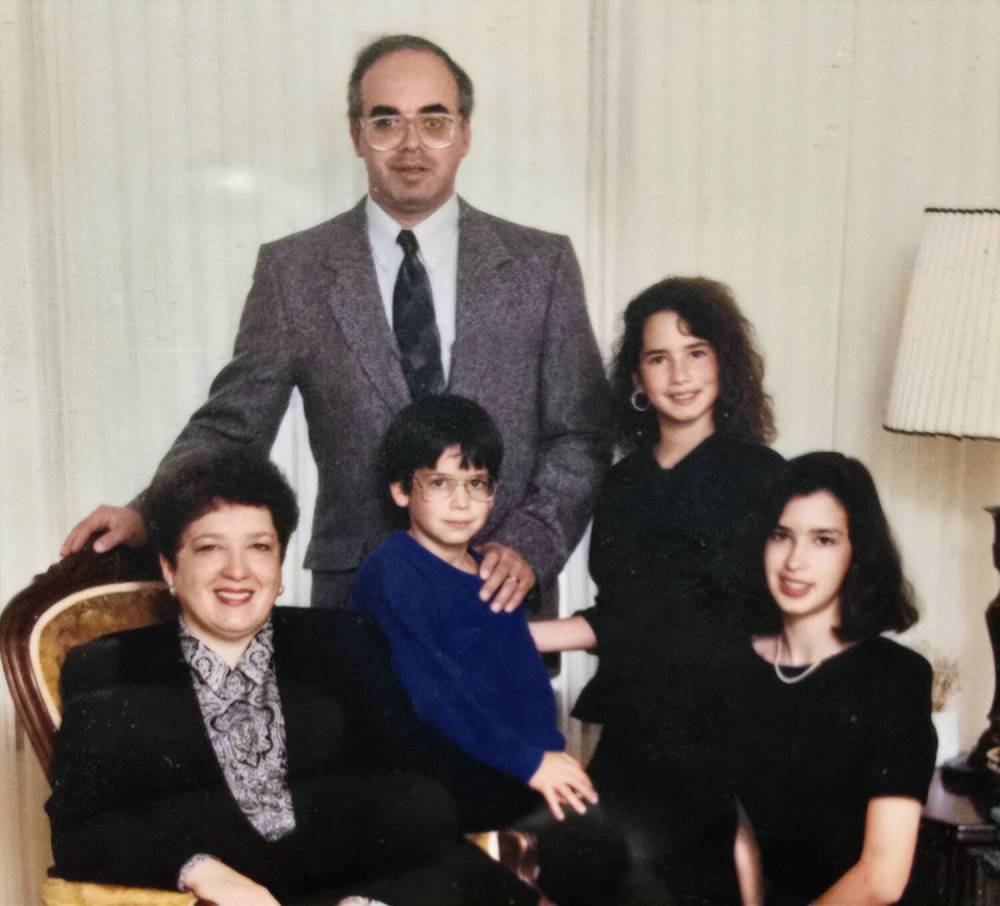
SUPPLIED
The Goldberg family at their home on Ramsgate Bay in 1992.

“He helped me convince my mom that the very large nose ring I came home with one day was real,” recalled Aviva. (It was not.)
“He once surprised my mom with a gift by bringing home an accessory for a sewing machine that she did not own.
“When she very politely said thank you, even though she couldn’t use the accessory, he pulled the full sewing machine out from its hiding place,” she said, adding that her mother still has the sewing machine and accessory arm more than 20 years later and loves them more because of that prank.
“He wasn’t outwardly emotional and didn’t talk much about love, but he showed love in almost everything he did.”
fpcity@freepress.mb.ca

SUPPLIED
The Goldberg family at Daniel’s bar mitzvah in 1995.