Clergy burnout is a growing concern in polarized churches. A summit offers coping strategies
Advertisement
Read this article for free:
or
Already have an account? Log in here »
To continue reading, please subscribe:

Digital Subscription
One year of digital access for only $205*
- Enjoy unlimited reading on winnipegfreepress.com
- Read the E-Edition, our digital replica newspaper
- Access News Break, our award-winning app
- Play interactive puzzles
*First annual payment billed as $205.00 + GST for one year. This annual subscription will automatically renew at $233.00 + GST every 52 weeks (10% off the regular annual price of $259.35). Offer available to new and qualified returning subscribers only. Cancel any time.
To continue reading, please subscribe:
Add Free Press access to your Brandon Sun subscription for only an additional
$1 for the first 4 weeks*
- Enjoy unlimited reading on winnipegfreepress.com
- Read the E-Edition, our digital replica newspaper
- Access News Break, our award-winning app
- Play interactive puzzles
*Your next Brandon Sun subscription payment will increase by $1.00 and you will be charged $17.95 plus GST for four weeks. After four weeks, your payment will increase to $24.95 plus GST every four weeks.
Read unlimited articles for free today:
or
Already have an account? Log in here »
Hey there, time traveller!
This article was published 08/10/2023 (1088 days ago), so information in it may no longer be current.
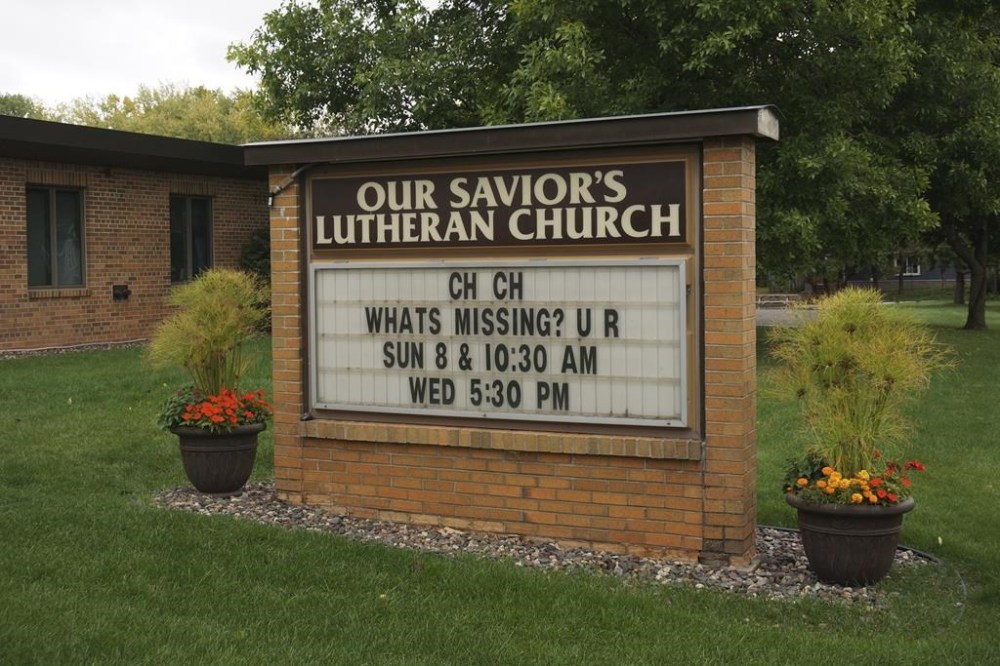
STILLWATER, Minn. (AP) — Every morning, the Rev. Karna Moskalik goes through a “grounding” routine that involves prayer, Bible reading, positive affirmations, and meditations about the best outcomes for the day’s tasks, as well as lighting a perfumed candle and walking through each space of her Lutheran church.
“I always feel like work never ends, but at the same time I beefed up grounding because without it, I feel absolutely ineffective,” said Moskalik, who grew up a pastor’s daughter and has led the 700-member Our Savior’s congregation for four years in this small riverside town.
That level of faith-based self-care is just what many clergy should practice to avoid the burnout and deteriorating mental health symptoms like anxiety and depression that experts say are affecting religious leaders at a worrisome pace.
“Mental health needs are just overwhelming faith communities,” said Jamie Aten, a professor at Wheaton College and the co-founder of Spiritual First Aid. He is helping organize a free one-day, online “church mental health summit” on Tuesday that already has about 9,000 registrations from over 100 countries. Participants can access 60 pre-recorded expert talks.
Faith leaders have increasingly stepped into the frontlines of care for growing mental health distress across the U.S., from college campuses to the military and rural communities.
___
EDITOR’S NOTE — This story includes discussion of suicide. The national suicide and crisis lifeline is available by calling or texting 988. There is also an online chat at 988lifeline.org.
___
But being constantly on call to share other people’s trauma is one of the unique stressors that makes being a pastor so challenging and can lead to burnout symptoms, which some studies estimate affect one third of clergy, said the Rev. Chris Adams, who leads the Mental Health and the Church Initiative at Biola University.
“Pastors attribute spiritual significance to their work, so it’s a whole-life, whole-self thing,” said Adams, one of the summit’s speakers and an ordained Church of the Nazarene minister as well as a clinical psychologist. “People expect them to be omnipresent, giving pastoral care in the grocery aisle at 10 p.m.”
And congregants tend to feel entitled to judge what a faith leader’s family is buying at the grocery store, too, said Kay Warren, who with her husband, the Rev. Rick Warren, founded Saddleback, the evangelical megachurch in California, and has been a vocal mental health advocate since her youngest son died by suicide.
“We live in a glass house. You’re always on and everybody is in your business,” said Warren, who started experiencing such scrutiny in childhood as a pastor’s daughter.
That leaves many clergy feeling they’re expected somehow to nail all tasks, from administrative ones like growing churches at a time of widespread financial and attendance decline to pastoral care that doesn’t leave space to process their own response to traumatic events.
“I’m no longer Alex Lang the person whose job is a pastor, I’m Alex Lang, the pastor,” said Lang, whose post about why he quit being a Presbyterian pastor touched a chord among many burned-out ministers this summer.
He said therapy helped him find a “safe place to unload” and work through unresolved trauma. But many clergy still feel a stigma in seeking mental health care, fearing that admitting to struggles means they’re failing their caregiving mission or they could lose their congregations’ respect – and even their job.
“I thought everybody would hate me,” the Rev. Katie O’Dunne recalled of the time she told the school where she worked as chaplain that she had started seeking treatment for obsessive-compulsive disorder. Instead, parents asked her advice on how to share similar struggles with their own children’s faith leaders.
A United Church of Christ minister in Atlanta, O’Dunne has since started a task force on OCD and faith, whose insights she will share at the summit. She encourages seeking treatment and well-being strategies as part of a faith mission that can inspire congregants.
“Self-care is strategic, not selfish,” said Mark Dance, one of the summit’s speakers, who was a Southern Baptist pastor for nearly three decades and struggled with depression before healing through medication and therapy. “There’s no challenge that’s greater than God.”
Developing strategies to tackle mental health distress is essential when research suggests a third of leaders from Abrahamic faiths suffer from traumatic stress, a rate even higher than in the military, said Steven Sandage, a Boston University professor of psychology of religion and theology.
Compassion fatigue can develop from the constant exposure to other people’s trauma without taking time to process one’s own grief, according to Laura Howe, a clinical mental health social worker near Toronto who organized the first summit in 2020. It can lead pastors to blame themselves for feeling numb, jaded and resentful, she said.
For people of faith, a sense of belonging, hope and purpose all help overcome these challenges, she added. Churches can also leverage ongoing clergy formation and traditional spiritual exercises to present ways to metabolize that suffering, get grounded and nurture self-compassion.
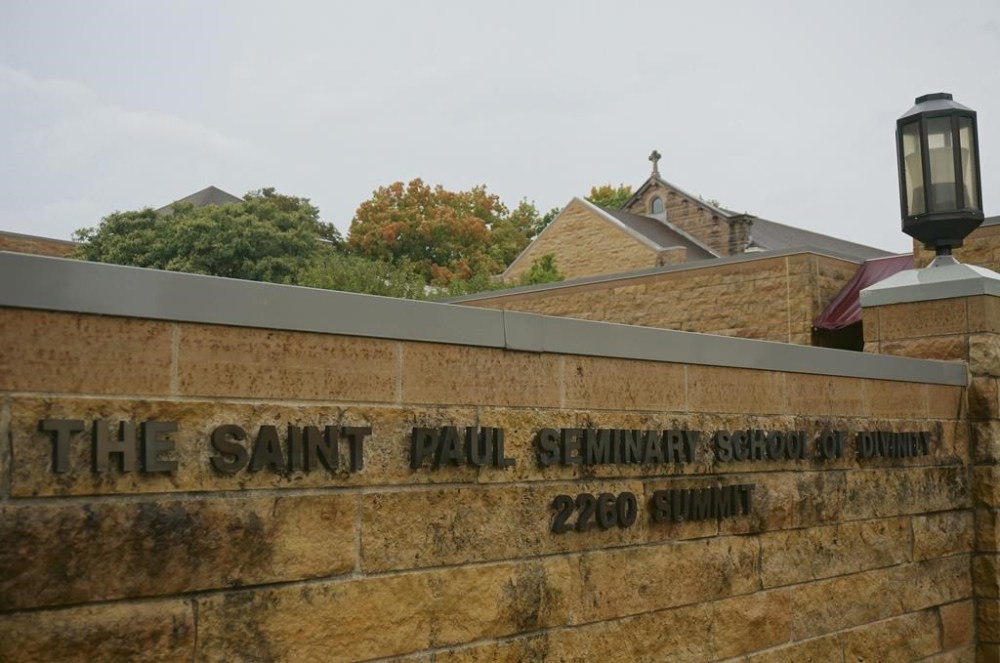
“Priests who have a very sound prayer life do well, that’s their primary love relationship,” said Paul Ruff, a licensed psychologist and director of counseling services at Saint Paul Seminary in Minnesota. He’s been increasing workshops and retreats for Catholic seminarians as well as priests to help overcome the isolation that many clergy feel, especially as their numbers decline.
In her research about United Methodist ministers, Rae Jean Proeschold-Bell, who leads Duke University’s Clergy Health Initiative, also found that making specific, Scripture-centered daily plans for mental, physical and spiritual health helps them flourish.
So does what she calls “alignment with God” – or evaluating criticism based on how relevant it is to the mission pastors feel God has entrusted to them.
Since the COVID-19 pandemic, many faith leaders say they have become unwitting lightning rods as they had to make polarizing and politicized choices, such when to close and re-open their church. That has subjected them to increasingly aggressive criticism from their flock.
“That’s the No. 1 thing I hear every day. The vitriol is abusive in many cases,” said Adams, who has spent more than a decade studying thousands of pastors.
Left unaddressed, the anxiety and even depression from these encounters can paradoxically end up hurting such warring communities even beyond the pews.

“If our religious leaders are better supported, those congregations are better equipped to serve their communities,” said the Rev. Thad Austin, who started the Common Table Collaborative to help integrate mental health resources for mostly Protestant clergy.
One shared take-away from experts, including the upcoming summit speakers, is that clergy should draw deep from their calling – nourishing their spirituality, holding onto the joy of seeing lives transformed – while also finding healthy ways to be a person, not only a pastor.
“Faith leaders have to accept the responsibility to care for yourself, because frankly nobody else is going to do it,” Warren said. “Take control of the controllables and leave the uncontrollable to God.”
___
Associated Press religion coverage receives support through the AP’s collaboration with The Conversation US, with funding from Lilly Endowment Inc. The AP is solely responsible for this content.
The Free Press acknowledges the financial support it receives from members of the city’s faith community, which makes our coverage of religion possible.