Symposium examines Jewish response to climate crisis
Advertisement
Read this article for free:
or
Already have an account? Log in here »
To continue reading, please subscribe:

Digital Subscription
One year of digital access for only $205*
- Enjoy unlimited reading on winnipegfreepress.com
- Read the E-Edition, our digital replica newspaper
- Access News Break, our award-winning app
- Play interactive puzzles
*First annual payment billed as $205.00 + GST for one year. This annual subscription will automatically renew at $233.00 + GST every 52 weeks (10% off the regular annual price of $259.35). Offer available to new and qualified returning subscribers only. Cancel any time.
To continue reading, please subscribe:
Add Free Press access to your Brandon Sun subscription for only an additional
$1 for the first 4 weeks*
- Enjoy unlimited reading on winnipegfreepress.com
- Read the E-Edition, our digital replica newspaper
- Access News Break, our award-winning app
- Play interactive puzzles
*Your next Brandon Sun subscription payment will increase by $1.00 and you will be charged $17.95 plus GST for four weeks. After four weeks, your payment will increase to $24.95 plus GST every four weeks.
Read unlimited articles for free today:
or
Already have an account? Log in here »
Hey there, time traveller!
This article was published 06/04/2024 (907 days ago), so information in it may no longer be current.
Adamah, Dayenu, Jewish Earth Alliance, The Shalom Center, the Jewish Farmer Network, and Repair the Sea are just a few of the North American Jewish non-profits committed to cementing a faith-based response to climate change and helping stem the global climate crisis. On April 14-16, these organizations are coming together in support of the Limmud North America climate crisis symposium.
“Limmud North America exists to build community through Jewish learning while embracing the multifaceted nature of Jewish life in North America,” explains Hannah Henza, the organization’s director of networks and leadership.
It focuses on creating connections, respectful dialogue and the sharing of knowledge via a variety of in-person and virtual programs on a range of timely topics that affect Jewish life, both directly and indirectly, and civil society in general. These programs include a global day of Jewish learning and annual weekend Limmud festivals, such as the one held in Winnipeg every March.
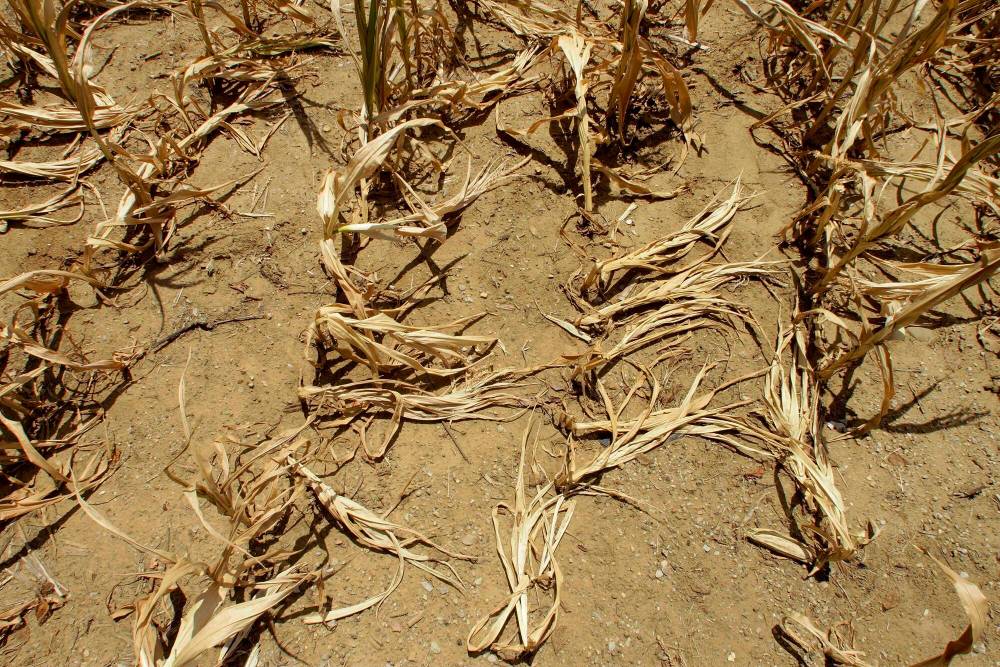
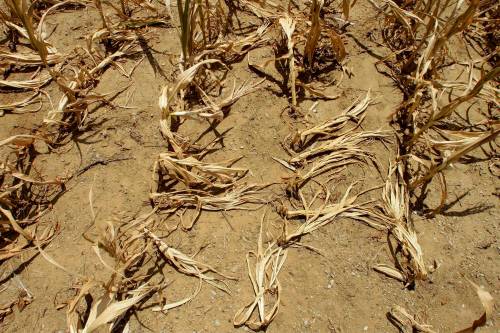
Seth Perlman / The Associated Press files
Corn stalks struggle from lack of rain and a heat wave in Farmingdale, Ill., July 16, 2012.
The Climate Crisis: A Limmud Symposium of Jewish Ideas is a first time event.
“It is hard to deny that climate change is one of, if not, the most pressing issues of our time,” Henza says. “It is the cause of so many of the other crises we face today and it plays a direct role in the development of the future of Jewish life.”
The Limmud symposium will feature lectures, workshops and panel discussions with policy makers, climate change social activists, authors, rabbis and representatives of many of the signatories to the Jewish Climate Change Leadership Coalition.
As Liore Milgrom-Gartner explains, the language drafted to launch that coalition in 2023 articulates exactly why the climate crisis is a Jewish concern. Milgrom-Gartner is the deputy climate action director of Adamah, which oversees the coalition, and is one of the symposium speakers.
“The Jewish people have a long history,” Milgrom-Gartner quotes. “Our ancestors endured suffering and calamity, then rose to meet the next challenge. It is now our generation’s imperative to confront this existential crisis together with communities across the world. Our children and grandchildren need us. Our hope is not yet lost.”
Milgrom-Gartner’s symposium session will look at the paths that individual organizations are taking towards net-zero greenhouse gas emissions and recommend how other organizations can embark on similar paths. Other symposium sessions will discuss and debate how organizations and individuals can leverage their power to create systematic change, the psychological impact of climate change, addressing climate change through a Jewish soul, what God might have to say about the climate crisis and the role that diet and agricultural practices play in the climate crisis.
Although it seems true that most North American Jews live in cities and suburbs, Jews are actually people of the land, Henza emphasizes.

“Our first commandments are to respect, care for and steward the earth,” she says.
“Jewish tradition is rooted in the land. The Torah narrates our lives through the rhythms of nature and our holidays cycle around an agrarian calendar celebrating the planting, harvesting and counting of the fields. Our relationship to the environment is woven into the very fabric of our identity as Jewish people — from the mikvah to our burial practices the Torah teaches that we are one with the earth.”
As a people of the land, and a people committed to tikkun olam, or repair of the world, it is logical and imperative that members of Jewish communities everywhere concern themselves with the climate crisis, and act upon that concern.
Limmud North America’s virtual climate crisis symposium is designed to give them the opportunity to do just that.
swchisvin@gmail.com
The Free Press is committed to covering faith in Manitoba through our Religion in the News project. This reporting continues because readers like you step forward to fund it.
Donate now to support our reporting on religion.
Your donation is eligible for a charitable tax receipt.
BECOME A FAITH JOURNALISM SUPPORTER
The Free Press acknowledges the financial support it receives from members of the city’s faith community, which makes our coverage of religion possible.