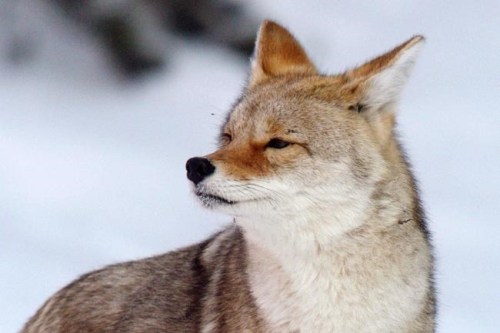
Coyote fur numbers, demand snagging more trappers in Saskatchewan
Advertisement
Read this article for free:
or
Already have an account? Log in here »
To continue reading, please subscribe:

Digital Subscription
One year of digital access for only $205*
- Enjoy unlimited reading on winnipegfreepress.com
- Read the E-Edition, our digital replica newspaper
- Access News Break, our award-winning app
- Play interactive puzzles
*First annual payment billed as $205.00 + GST for one year. This annual subscription will automatically renew at $233.00 + GST every 52 weeks (10% off the regular annual price of $259.35). Offer available to new and qualified returning subscribers only. Cancel any time.
To continue reading, please subscribe:
Add Free Press access to your Brandon Sun subscription for only an additional
$1 for the first 4 weeks*
- Enjoy unlimited reading on winnipegfreepress.com
- Read the E-Edition, our digital replica newspaper
- Access News Break, our award-winning app
- Play interactive puzzles
*Your next Brandon Sun subscription payment will increase by $1.00 and you will be charged $17.95 plus GST for four weeks. After four weeks, your payment will increase to $24.95 plus GST every four weeks.
Read unlimited articles for free today:
or
Already have an account? Log in here »
Hey there, time traveller!
This article was published 20/11/2019 (2496 days ago), so information in it may no longer be current.
PRINCE ALBERT, Sask. – A healthy coyote population is helping to drive what Saskatchewan fur trappers expect will be another good year for their industry.
Figures from last year show coyote pelts made up the bulk of fur sales in the province that reached a record $4.6 million.
Most of the coyotes were trapped in southern Saskatchewan.
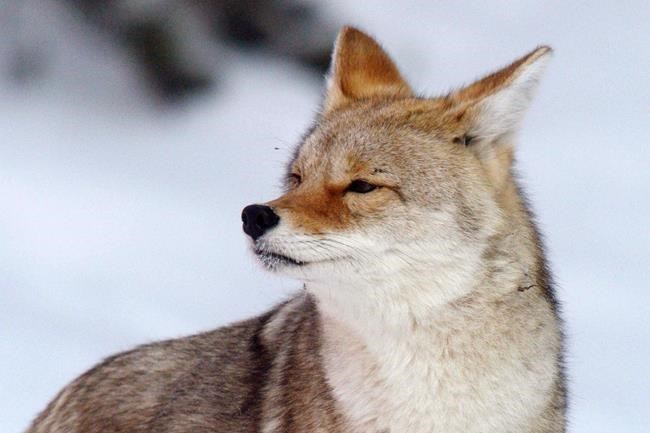
The Saskatchewan Trappers Association says worldwide demand for fur from the Prairies remains strong, especially for coyote.
A Saskatchewan Wild Fur Harvest and Cash Values report says the average price at auction for a coyote pelt last year was $116, while marten pelts went for nearly $82 each.
There is no bag limit or restricted hunting season for coyotes.
“We’ve boasted about having some of the world’s best (coyote pelts) and it has to do with the heaviness of the fur and the size and colour of the coyotes,” said association president Wrangler Hamm.
Overall, the number of trapping licences in Saskatchewan has increased in recent years.
During the 2017-2018 season, there were more than 4,600 licences distributed, not including Indigenous trappers on First Nations land. In 2010, there were just over 2,700 licences issued.
Mike Gollop, fur and problem wildlife specialist with the Ministry of Environment, said licence sales and general interest in trapping tends to be steadier in northern Saskatchewan.
“In the south there are a lot of people that are focused on coyotes, and when coyote prices go up, they jump back into trapping, so that could be a driver that’s increasing licences,” he said.
Saskatchewan fur typically gets shipped out to auction or to private buyers worldwide. Gollop said harvest levels will probably be similar to the last few years, which have been up from the long-term average.
“It’s great to see for the trapping industry and also wildlife management purposes,” said Hamm.
The trapping season typically runs until mid-February. (CKBI)
This report by The Canadian Press was first published Nov. 20, 2019.