Heavy rains pummel St. Vincent and the Grenadines, forcing school closures
Advertisement
Read this article for free:
or
Already have an account? Log in here »
To continue reading, please subscribe:

Digital Subscription
One year of digital access for only $205*
- Enjoy unlimited reading on winnipegfreepress.com
- Read the E-Edition, our digital replica newspaper
- Access News Break, our award-winning app
- Play interactive puzzles
*First annual payment billed as $205.00 + GST for one year. This annual subscription will automatically renew at $233.00 + GST every 52 weeks (10% off the regular annual price of $259.35). Offer available to new and qualified returning subscribers only. Cancel any time.
To continue reading, please subscribe:
Add Free Press access to your Brandon Sun subscription for only an additional
$1 for the first 4 weeks*
- Enjoy unlimited reading on winnipegfreepress.com
- Read the E-Edition, our digital replica newspaper
- Access News Break, our award-winning app
- Play interactive puzzles
*Your next Brandon Sun subscription payment will increase by $1.00 and you will be charged $17.95 plus GST for four weeks. After four weeks, your payment will increase to $24.95 plus GST every four weeks.
Read unlimited articles for free today:
or
Already have an account? Log in here »
SAN JUAN, Puerto Rico (AP) — The government of St. Vincent and the Grenadines shuttered all schools on Tuesday after heavy rains unleashed flooding and landslides across the eastern Caribbean island.
The local meteorological office said that more than 5 inches (13 centimeters) of rain have fallen in 24 hours as a tropical wave moves through the region.
Authorities said fallen trees and landslides blocked main roads, while severe flooding damaged homes and affected infrastructure, including healthcare facilities.
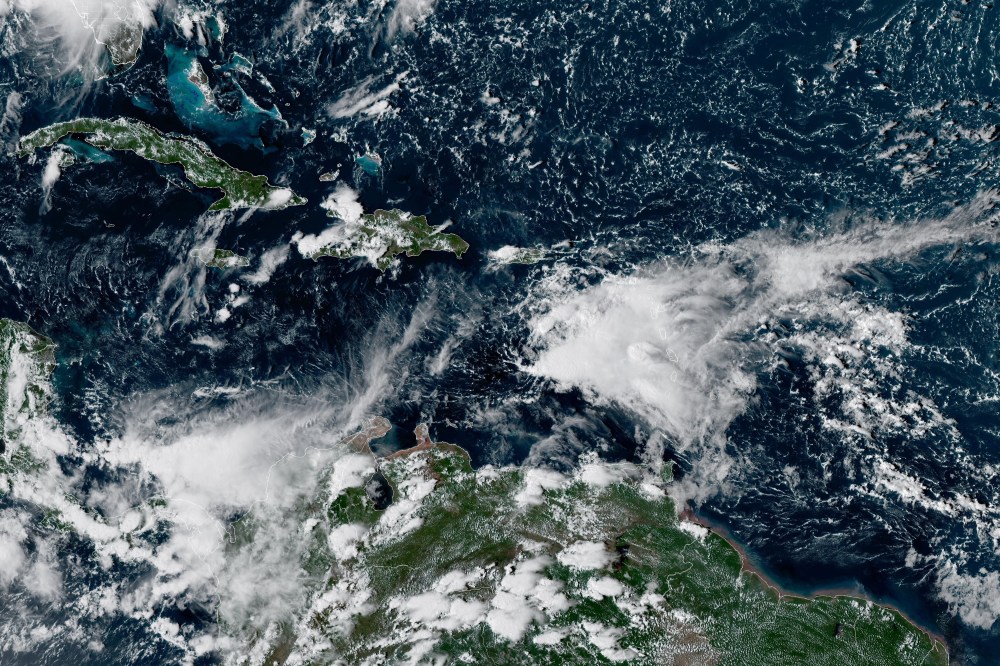
The National Hurricane Center in Miami said the tropical wave was moving westward across the eastern Caribbean as it reported strong thunderstorms in the vicinity. It noted that another tropical wave was forming off Africa’s west coast.

The storm comes as the Atlantic hurricane season has been unusually quiet this year due to a strong El Niño, which disrupts storm formation over that ocean.
No hurricanes have been reported during this year’s Atlantic hurricane season, which runs from June 1 to Nov. 30. The last time the first Atlantic hurricane formed this late in the season was Oct. 8, 1905.