Digital outlets The Intercept, Raw Story and AlterNet sue OpenAI for unauthorized use of journalism
Advertisement
Read this article for free:
or
Already have an account? Log in here »
To continue reading, please subscribe:

Digital Subscription
One year of digital access for only $205*
- Enjoy unlimited reading on winnipegfreepress.com
- Read the E-Edition, our digital replica newspaper
- Access News Break, our award-winning app
- Play interactive puzzles
*First annual payment billed as $205.00 + GST for one year. This annual subscription will automatically renew at $233.00 + GST every 52 weeks (10% off the regular annual price of $259.35). Offer available to new and qualified returning subscribers only. Cancel any time.
To continue reading, please subscribe:
Add Free Press access to your Brandon Sun subscription for only an additional
$1 for the first 4 weeks*
- Enjoy unlimited reading on winnipegfreepress.com
- Read the E-Edition, our digital replica newspaper
- Access News Break, our award-winning app
- Play interactive puzzles
*Your next Brandon Sun subscription payment will increase by $1.00 and you will be charged $17.95 plus GST for four weeks. After four weeks, your payment will increase to $24.95 plus GST every four weeks.
Read unlimited articles for free today:
or
Already have an account? Log in here »
Hey there, time traveller!
This article was published 28/02/2024 (945 days ago), so information in it may no longer be current.
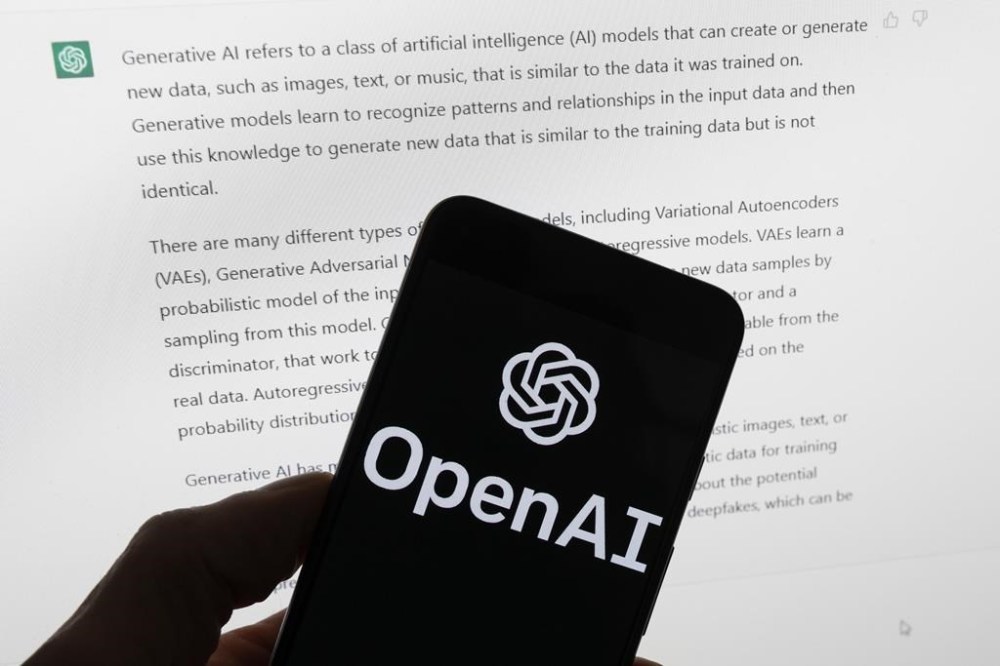
NEW YORK (AP) — Digital news outlets The Intercept, Raw Story and AlterNet are joining the fight against unauthorized use of their journalism in artificial intelligence, filing a copyright-infringement lawsuit Wednesday against ChatGPT owner OpenAI.
The organizations say thousands of their stories were used by OpenAI to train chatbots to answer questions posed to it by users, in effect piggybacking on their journalism without permission, payment or credit.
San Francisco-based OpenAI did not immediately respond to a request for comment.
The already beleaguered news industry sees the practice as a financial threat. Some news outlets, including The Associated Press, have struck licensing deals for use of their material. After similar negotiations broke down, The New York Times filed its own lawsuit in December to halt the practice or receive compensation.
The three outlets suing OpenAI did not offer specific examples of stories they allege were stolen. But they said recreations of what ChatGPT used to train its bots turned up examples of material from the three news outlets.
“When providing responses, ChatGPT gives the impression that it is an all-knowing ‘intelligent’ source of the information being provided, when in reality, the responses are frequently based on copyrighted works of journalism that ChatGPT simply mimics,” the lawsuit says.

While the Times, as a print publication, is able to pay for a federal copyright registration for all of its material in bulk, digital publications have no such ability. But lawyers for the three outlets suing Wednesday in U.S. District Court in Southern District of New York contend that their journalism is copyright-protected even without paying the fee.
Besides the Times, authors, including Sarah Silverman, have similarly sued the company for copyright infringement.
The Intercept lists Microsoft as a defendant because the tech giant has invested billions of dollars in OpenAI’s artificial-intelligence efforts. Raw Story and AlterNet did not sue Microsoft because they have a news partnership with the company, a spokesman said.
The lawsuit asks for at least $2,500 in damages for each time one of their stories has been used by ChatGPT.
“As newsrooms throughout the country are decimated by financial imperatives to cut back, OpenAI reaps the benefits of our content,” said Annie Chabel, chief executive officer of The Intercept. “We hope this lawsuit will send a strong message to AI developers who chose to ignore our copyrights and free ride on the hard work of our journalists.”