World’s first hydrogen-powered commercial ferry to run on San Francisco Bay, and it’s free to ride
Advertisement
Read this article for free:
or
Already have an account? Log in here »
To continue reading, please subscribe:

Digital Subscription
One year of digital access for only $205*
- Enjoy unlimited reading on winnipegfreepress.com
- Read the E-Edition, our digital replica newspaper
- Access News Break, our award-winning app
- Play interactive puzzles
*First annual payment billed as $205.00 + GST for one year. This annual subscription will automatically renew at $233.00 + GST every 52 weeks (10% off the regular annual price of $259.35). Offer available to new and qualified returning subscribers only. Cancel any time.
To continue reading, please subscribe:
Add Free Press access to your Brandon Sun subscription for only an additional
$1 for the first 4 weeks*
- Enjoy unlimited reading on winnipegfreepress.com
- Read the E-Edition, our digital replica newspaper
- Access News Break, our award-winning app
- Play interactive puzzles
*Your next Brandon Sun subscription payment will increase by $1.00 and you will be charged $17.95 plus GST for four weeks. After four weeks, your payment will increase to $24.95 plus GST every four weeks.
Read unlimited articles for free today:
or
Already have an account? Log in here »
Hey there, time traveller!
This article was published 12/07/2024 (810 days ago), so information in it may no longer be current.
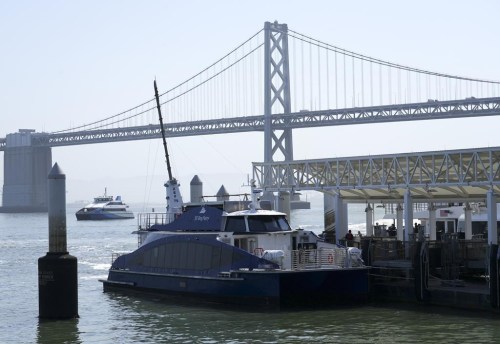
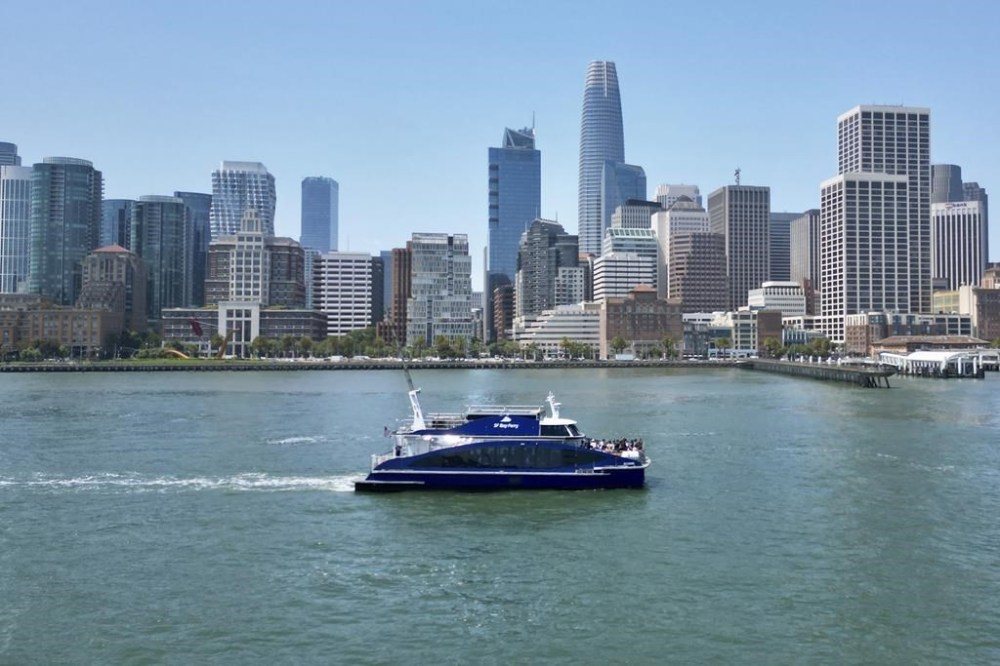
SAN FRANCISCO (AP) — The world’s first hydrogen-powered commercial passenger ferry will start operating on San Francisco Bay as part of plans to phase out diesel-powered vessels and reduce planet-warming carbon emissions, California officials said Friday, demonstrating the ship.
The 70-foot (21-meter) catamaran called the MV Sea Change will transport up to 75 passengers along the waterfront between Pier 41 and the downtown San Francisco ferry terminal starting July 19, officials said. The service will be free for six months while it’s being run as part of a pilot program.
“The implications for this are huge because this isn’t its last stop,” said Jim Wunderman, chair of the San Francisco Bay Area Water Emergency Transportation Authority, which runs commuter ferries across the bay. “If we can operate this successfully, there are going to be more of these vessels in our fleet and in other folks’ fleets in the United States and we think in the world.”
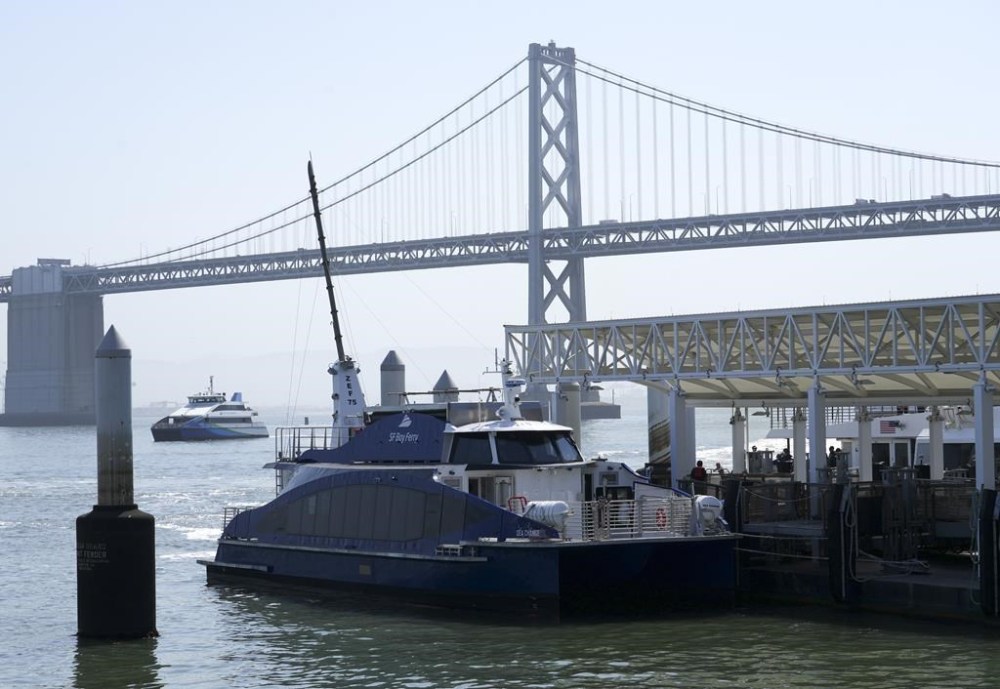
Sea Change can travel about 300 nautical miles and operate for 16 hours before it needs to refuel. The fuel cells produce electricity by combining oxygen and hydrogen in an electrochemical reaction that emits water as a byproduct.
The technology could help clean up the shipping industry, which produces nearly 3% of the world’s total greenhouse gas emissions, officials said. That’s less than from cars, trucks, rail or aviation but still a lot — and it’s rising.
Frank Wolak, president and CEO of the Fuel Cell & Hydrogen Energy Association, said the ferry is meaningful because it’s hard to reduce greenhouse gas emissions from vessels.
“The real value of this is when you multiply out by the number of ferries operating around the world,” he said. “There’s great potential here. This is how you can start chipping away at the carbon intensity of your ports.”
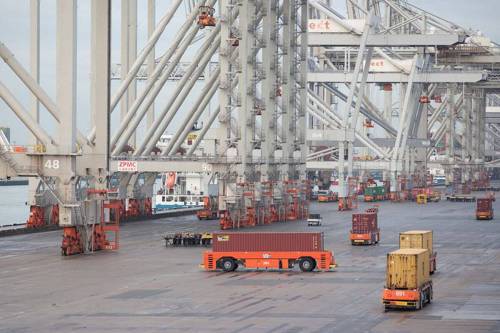
Backers also hope hydrogen fuel cells could eventually power container ships.
The International Maritime Organization, which regulates commercial shipping, wants to halve its greenhouse gas releases by midcentury.
As fossil fuel emissions continue warming Earth’s atmosphere, the Biden administration is turning to hydrogen as an energy source for vehicles, manufacturing and generating electricity. It has been offering $8 billion to entice the nation’s industries, engineers and planners to figure out how to produce and deliver clean hydrogen.
Environmental groups say hydrogen presents its own pollution and climate risks.
For now, the hydrogen that is produced globally each year, mainly for refineries and fertilizer manufacturing, is made using natural gas. That process warms the planet rather than saving it. Indeed, a new study by researchers from Cornell and Stanford universities found that most hydrogen production emits carbon dioxide, which means that hydrogen-fueled transportation cannot yet be considered clean energy.
Yet proponents of hydrogen-powered transportation say that in the long run, hydrogen production is destined to become more environmentally safe. They envision a growing use of electricity from wind and solar energy, which can separate hydrogen and oxygen in water. As such renewable forms of energy gain broader use, hydrogen production should become a cleaner and less expensive process.
The Sea Change project was financed and managed by the investment firm SWITCH Maritime. The vessel was constructed at Bay Ship and Yacht in Alameda, California, and All-American Marine in Bellingham, Washington.
___
Associated Press journalist Jennifer McDermott contributed to this report from Providence, Rhode Island.