Biology
Please review each article prior to use: grade-level applicability and curricular alignment might not be obvious from the headline alone.
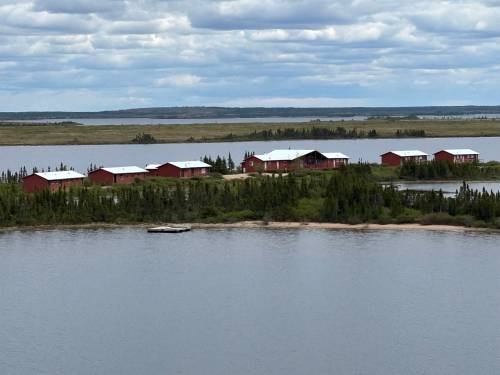
Northern First Nation purchases popular tourist lodge in Seal River watershed
5 minute read Preview Thursday, Jun. 11, 2026
Tory MP says 4,000 letters sent urging Carney to amend Indian Act status rules
4 minute read Preview Thursday, Jul. 2, 2026
Health experts tell Quebec politicians there are no benefits from energy drinks
5 minute read Preview Wednesday, Jul. 1, 2026
Rabies vaccination program for skunks, raccoons in effort to stop spread to Montreal
4 minute read Preview Wednesday, Jul. 1, 2026
Online therapy developed in Montreal helps seniors sleep better, study finds
4 minute read Preview Tuesday, Jun. 30, 2026
A flesh-eating cattle parasite spreads beyond Texas as new screwworm cases are found
5 minute read Preview Tuesday, Jun. 9, 2026Fifty years ago this June, Manitoba Hydro destroyed one of the province’s finest lakes, its fourth-largest, when it began operating a newly constructed control structure at Missi Falls, the outlet where Southern Indian Lake flows into the lower Churchill River.
This raised the water level of the lake, creating a reservoir and diverting the flow southward via the Rat and Burntwood River systems to increase power output at its hydroelectric generating stations along the Nelson River.
More than 3,500 km of shorelines on the lake alone were permanently inundated, and along with its adjacent waterways, an area of 840 square kilometres was flooded. The entire Indigenous community of South Indian Lake had to be moved to higher ground to avoid the flooding, and the island community of Nelson House was irreparably harmed.
The Churchill River diversion project had a disastrous effect on the natural environment and the Indigenous people whose subsistence and way of life depended on the lake.

Saying ‘no’ to AI data centre a huge win for Manitoba — and Kinew
5 minute read Preview Friday, Jun. 5, 2026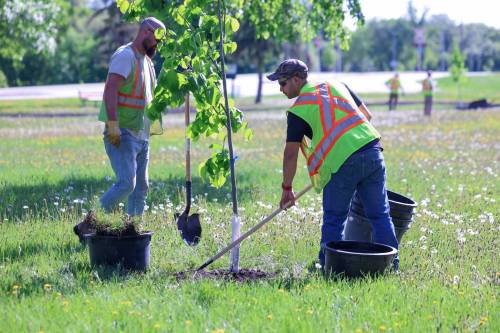
Efforts underway to determine ecological, economic benefits of Winnipeg’s trees
9 minute read Preview Friday, Jun. 5, 2026
Quebec health minister tables bill banning energy drink sales to youth under 16
4 minute read Preview Monday, Jun. 29, 2026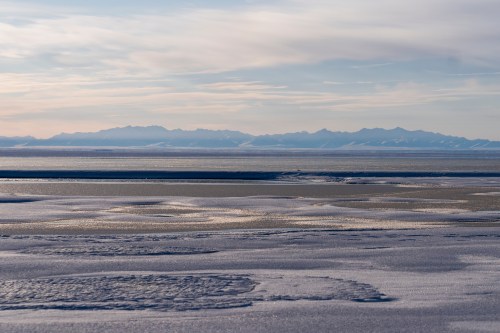
Limited interest in latest oil and gas lease sale for Alaska’s Arctic National Wildlife Refuge
5 minute read Preview Sunday, Jun. 7, 2026
Ottawa pumps the brakes on proposed changes to major project environmental reviews
4 minute read Preview Saturday, Jun. 6, 2026
Treating the fever while ignoring the infection
6 minute read Preview Thursday, Jun. 4, 2026
Screwworm fly detected in Texas decades after cattle threat was largely eradicated in US
4 minute read Preview Thursday, Jun. 4, 2026
Early childhood educators discuss First Nations students’ needs
4 minute read Preview Wednesday, Jun. 3, 2026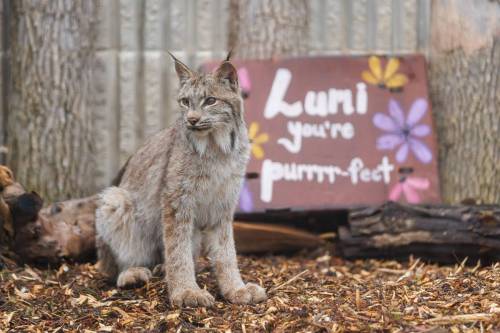
Lumi the lynx finds new home at Assiniboine Park Zoo
3 minute read Preview Wednesday, Jun. 3, 2026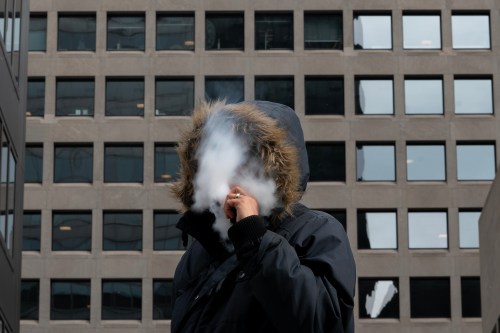
Advocates call on Ottawa to limit nicotine use among youth, demand stricter measures
4 minute read Preview Monday, Jun. 22, 2026Protected areas and thriving lodges can co-exist
5 minute read Saturday, May. 30, 2026Spring is crunch-time when you work at a remote fishing or hunting lodge. Crews are busy updating cabins, repairing generators, getting boats in the water, and preparing to welcome clients. These same activities are unfolding across the Seal River Watershed in northern Manitoba. And this year, they come with an added sense of opportunity.
A new proposal to protect the Seal River Watershed was recently released for public comment on the EngageMB website.
Designed by the Sayisi Dene, Northlands Denesuline, Barren Lands, and O-Pipon-Na-Piwin Cree First Nations, the Manitoba government, and the government of Canada, with input from stakeholders and the public, the plan calls for creating a network of protected areas across 50,000 sq. kilometres of healthy lands and waters.
These new designations — a combination of Indigenous Protected and Conserved Area, provincial parks, and a national park reserve — would honour Dene and Cree cultures and sustain caribou, grizzlies, and polar bears.
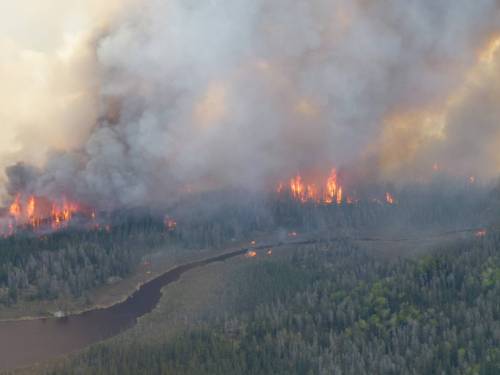
Wilderness committee draws up plan to restore Nopiming after 2025 wildfire
5 minute read Preview Thursday, May. 28, 2026
Bear rescue takes RM to court over quarries
3 minute read Preview Wednesday, May. 27, 2026
School science changes spark concerns
6 minute read Preview Wednesday, May. 27, 2026
Manitoba bill would reduce availability of flavoured vapes; one group wants more
3 minute read Preview Wednesday, May. 27, 2026
Manitobans prefer later sunsets in time-change debate: poll
4 minute read Preview Tuesday, May. 26, 2026