
Career development
Please review each article prior to use: grade-level applicability and curricular alignment might not be obvious from the headline alone.

CFB Wainwright fire highlights long, painful process of burn recovery, specialists say
6 minute read Preview Updated: 11:45 AM CDT
Salvation Army calls on Winnipeggers to donate merchandise as sales soar
4 minute read Preview Monday, Oct. 19, 2026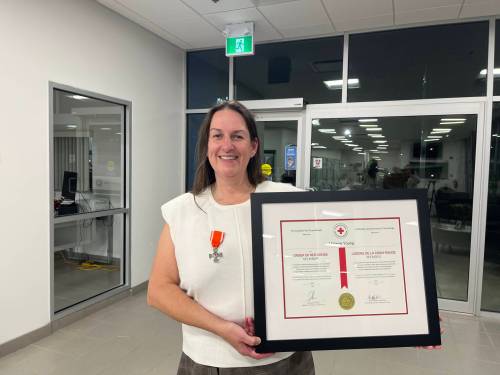
Red Cross volunteer honoured for years of service
4 minute read Preview Monday, Oct. 19, 2026
Engagement politics activates citizens
5 minute read Preview Monday, Oct. 19, 2026
Increasingly cited financial term, ‘nut,’ is worth knowing, says best-selling author
5 minute read Preview Saturday, Oct. 17, 2026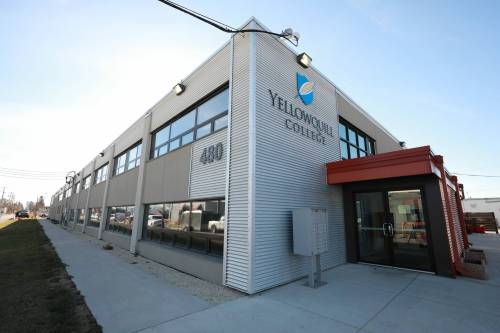
New chapter for Yellowquill University College
7 minute read Preview Saturday, Oct. 17, 2026
A kitchen is transformed with beautiful tiles and new countertops
5 minute read Preview Saturday, Oct. 17, 2026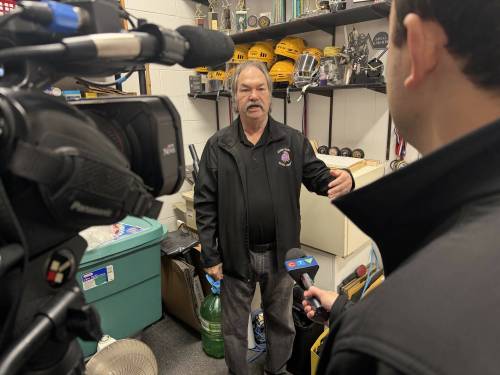
Team president locked out, day after speaking out on arena’s closure
5 minute read Preview Friday, Oct. 16, 2026
Nurses call for national strategy on seniors’ health care
4 minute read Preview Friday, Oct. 16, 2026
Violence directed at Winnipeg School Division support staff surges, union reports
5 minute read Preview Friday, Oct. 16, 2026
Ottawa adding new express entry points for immigrants in ‘high-wage’ jobs
2 minute read Preview Sunday, Oct. 18, 2026
Temporary foreign worker at crossroads without job, alleges immigration consultant misconduct
6 minute read Preview Thursday, Oct. 15, 2026
Non-profit Indigenous youth, family agency’s ‘strong heart’ beats in the Exchange
3 minute read Preview Saturday, Oct. 17, 2026
Law will curb e-scooter enthusiasts
4 minute read Preview Thursday, Oct. 15, 2026
Halifax’s beloved 104-year-old tortoise is recovering after a successful surgery
2 minute read Preview Wednesday, Oct. 14, 2026
Low-cost grocery store initiative in Elmwood neighbourhood seeks to fill accessibility, security gap
4 minute read Preview Wednesday, Oct. 14, 2026
Phoneless concert a beautiful chance to bask in moment
5 minute read Preview Saturday, Oct. 10, 2026
Heated hiring debate over iced coffee
7 minute read Preview Saturday, Oct. 10, 2026
Landlords will face fines for breaching confidentiality
4 minute read Preview Friday, Oct. 9, 2026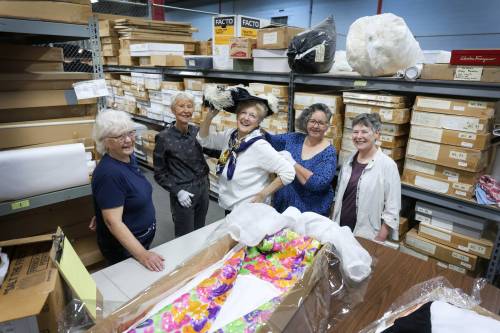
Careful work goes into preserving vintage threads at costume museum
6 minute read Preview Friday, Oct. 9, 2026
Royal Winnipeg Ballet workers unionize with MGEU
3 minute read Preview Friday, Oct. 9, 2026
Longtime voice of the Blue and Gold marks major milestone
8 minute read Preview Friday, Oct. 9, 2026
Diesel-fuelled price hikes could stoke food inflation this fall, experts warn
5 minute read Preview Saturday, Oct. 10, 2026RRC Polytech tallies pair of tech programs
3 minute read Wednesday, Oct. 7, 2026Red River College Polytechnic has announced two new degree programs aimed at preparing students to meet workforce demands in Manitoba industries such as engineering and manufacturing.
The first cohorts working toward bachelor of technology degrees in advanced manufacturing and mechatronics will enter the classroom in January at the Winnipeg college’s Notre Dame Avenue campus.
The two programs include a foundation in research methods, Indigenous worldviews and Industry 4.0 technologies to equip graduates with the skills and confidence to take on increasing responsibility in the workplace, RRC Polytech announced earlier this week.
They offer more options for existing students, graduates and mid-career professionals, the school said.