Career development
Please review each article prior to use: grade-level applicability and curricular alignment might not be obvious from the headline alone.

Longtime voice of the Blue and Gold marks major milestone
8 minute read Preview Friday, Oct. 9, 2026
Diesel-fuelled price hikes could stoke food inflation this fall, experts warn
5 minute read Preview Saturday, Oct. 10, 2026RRC Polytech tallies pair of tech programs
3 minute read Wednesday, Oct. 7, 2026Red River College Polytechnic has announced two new degree programs aimed at preparing students to meet workforce demands in Manitoba industries such as engineering and manufacturing.
The first cohorts working toward bachelor of technology degrees in advanced manufacturing and mechatronics will enter the classroom in January at the Winnipeg college’s Notre Dame Avenue campus.
The two programs include a foundation in research methods, Indigenous worldviews and Industry 4.0 technologies to equip graduates with the skills and confidence to take on increasing responsibility in the workplace, RRC Polytech announced earlier this week.
They offer more options for existing students, graduates and mid-career professionals, the school said.

To get a suitable home, buyers figure out what they’ll accept as a trade-off: Re/Max
3 minute read Preview Sunday, Oct. 11, 2026AI governance: Canada’s next structural test
4 minute read Wednesday, Oct. 7, 2026Artificial intelligence is accelerating faster than the governance structures meant to contain it. Canada now faces a structural test — whether our institutions can protect autonomy, dignity, and continuity in an era when decision-making is increasingly mediated by systems we did not design, cannot fully audit, and do not yet constitutionally constrain.
This is not a technological problem. It is a governance problem.
AI systems influence how information flows, how institutions behave, and how decisions are made. They shape the conditions under which harm becomes predictable. They amplify both the strengths and weaknesses of the systems into which they are deployed. And they do all of this at a scale and speed that outpaces traditional regulatory tools.
Canada’s current approach to AI governance relies heavily on policy, guidelines, and sector-specific regulation. These are important, but they are not sufficient. What is missing is structural clarity — a constitutional-grade framework that defines authority, responsibility, accountability, and the minimum conditions under which AI systems may operate without undermining human dignity or institutional credibility.

Three finalists named for inaugural Writers’ Trust non-fiction editing prize
2 minute read Preview Sunday, Oct. 11, 2026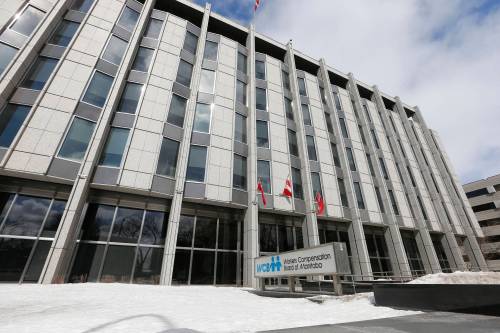
Manitoba Federation of Labour calls for independent review of Workers Compensation Board
5 minute read Preview Tuesday, Oct. 6, 2026
Taste of home: Winnipeg transplant shares Singaporean flavours at pop-ups
6 minute read Preview Tuesday, Oct. 6, 2026
Older Canadians less confident in their retirement finances: BlackRock survey
3 minute read Preview Wednesday, Oct. 7, 2026
Real journalists matter in an AI world
4 minute read Preview Tuesday, Oct. 6, 2026
Scientist who hunts mysterious ghost particles in the Antarctic ice wins Nobel Prize for physics
6 minute read Preview Wednesday, Oct. 7, 2026
Budding food scrap pickup services across the US want your coffee grounds and eggshells
6 minute read Preview Tuesday, Oct. 6, 2026
Lemonade stand brings in hundreds for West Broadway Youth Outreach
9 minute read Preview Monday, Oct. 5, 2026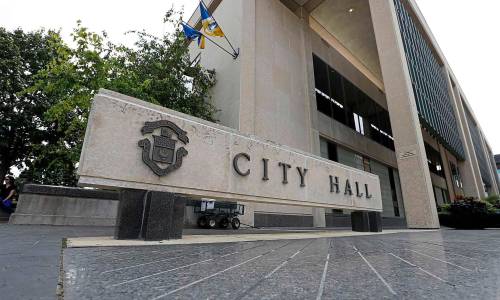
The election of our discontent: City at a crumbling crossroads, grumbling residents say in poll
7 minute read Preview Monday, Oct. 5, 2026
Broadening prediction-market gambling a bad idea
4 minute read Preview Saturday, Oct. 3, 2026
Manitoba marks end of sending simple workplace problems to doctor’s office
7 minute read Preview Saturday, Oct. 3, 2026Fewer pitchforks, better policy
4 minute read Saturday, Oct. 3, 2026Tenants facing rent increases of 50, 75 or even 100 per cent in several Winnipeg apartment buildings should be taken seriously.
Increases such as these can be devastating for seniors on fixed income or families already stretched by the cost of living.
I’m familiar with the buildings in last Saturday’s article (Tenants slam Alta.-based landlord, protest rent increases, Sept. 26). Before the buildings sold, the same group had owned them for decades. Many rents were around $500 a month, maintenance had been put off for years, and some of the buildings were nearly unlivable.
Unfortunately, this isn’t unusual in Manitoba. Existing housing policy has led to the oldest rental stocks in the country, with tens of thousands of units at or past 50 years old. Keeping them livable will take hundreds of millions of dollars. This is a bad time to make reinvesting in apartments even less attractive and put thousands of construction jobs at risk.

Winnipeg board game company charts winning path
5 minute read Preview Friday, Oct. 2, 2026
U of W Collegiate students thank residential school survivors with the lessons they’ve learned
6 minute read Preview Friday, Oct. 2, 2026
Cops handcuffed by bail issues, lack of mental-health options, WPS chief tells residents in crime-ridden North End neighbourhood
6 minute read Preview Friday, Oct. 2, 2026
Six high school hockey programs ceased operations following new Hockey Manitoba policy
7 minute read Preview Friday, Oct. 2, 2026
A day on the campaign trail: Winnipeg's mayor, seeking a second term, does double duty
12 minute read Preview Friday, Oct. 2, 2026
Quebec Conservative Leader Éric Duhaime admits to using AI to write book
3 minute read Preview Monday, Oct. 5, 2026