Learning and Planning
Please review each article prior to use: grade-level applicability and curricular alignment might not be obvious from the headline alone.

Apartment rents continue to climb in Manitoba
2 minute read Preview Friday, Jul. 10, 2026Ready or not: youth aging out of care
5 minute read Friday, Jul. 10, 2026Youth in care face the same pressures as other young people their age, except they navigate those transitions without stable family relationships, financial resources or informal support.

Celebrating an important milestone in their new country
4 minute read Preview Wednesday, Jul. 8, 2026
Winnipeg high school football coach subject of hazing investigation
4 minute read Preview Tuesday, Jul. 7, 2026
While the rest of us sleep in …
7 minute read Preview Saturday, Jul. 4, 2026
Eight Winnipeg teens leave high school with hopes, dreams and an uncertain, AI-flavoured future
13 minute read Preview Friday, Jul. 3, 2026
Do online influencer posts count as news? Younger Canadians more likely to say yes
4 minute read Preview Thursday, Jul. 30, 2026Artificial intelligence requires human-led thinking
4 minute read Tuesday, Jun. 30, 2026Picture this. A teacher creates an assignment using AI. There is a provocation generated by a prompt, followed by vague parameters and a generic rubric. The AI-generated emojis are left in, and the task and success criteria are not connected to the passion, interests or soul of the child.
Subsequently, the child responds using AI. The thinking and language are clearly not their own and there has been no transformative or profound educative experience to stir cognitive dissonance. The child has not been asked, or better yet invited, to engage in sophisticated thinking and work that matters to them. That matters to community.
When the child uses AI, it’s considered “cheating.”
So here we are. An opportunity lost because we are not thinking deeply about the impact of AI on our species.

Vacation shouldn’t feel like workplace risk
6 minute read Preview Saturday, Jun. 27, 2026
Summer school for RESPs
5 minute read Preview Monday, Jun. 29, 2026
Versatile violinist goes with the bow, from Bach to the Beatles and beyond
8 minute read Preview Saturday, Jun. 27, 2026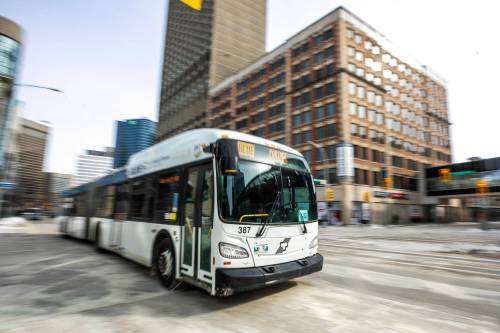
Transit says it’s short $6.5M to provide free rides for youth year round
6 minute read Preview Friday, Jun. 26, 2026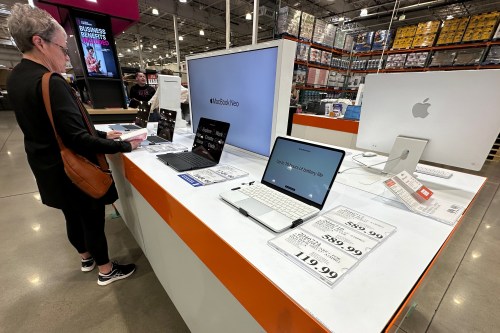
Apple increases prices for Macs and iPads, blaming a shortage of memory chips
2 minute read Preview Thursday, Jun. 25, 2026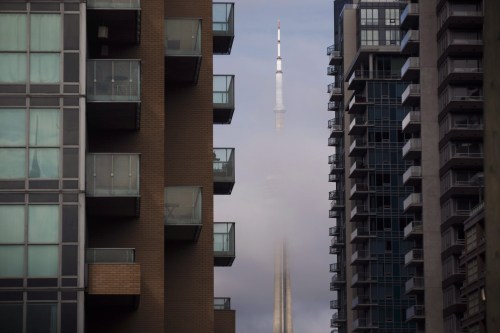
Homes under $500,000 account for growing proportion of Ontario real estate: report
3 minute read Preview Thursday, Jun. 25, 2026Landmark legal win compensates pregnant soccer player who lost contract
2 minute read Thursday, Jun. 25, 2026In a landmark legal win for female soccer players, sport’s highest court has awarded Maja Göthberg salary compensation from Lazio Women after the Italian club ended contract talks when it knew she was pregnant.

BU tuition hikes ‘major increase’ for struggling students
3 minute read Preview Wednesday, Jun. 24, 2026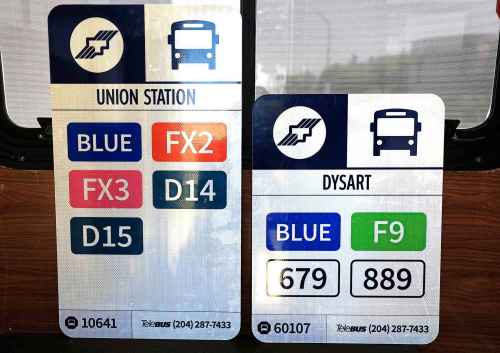
Overhauled Transit system rollout ‘a nightmare,’ public works chair says
5 minute read Preview Wednesday, Jun. 24, 2026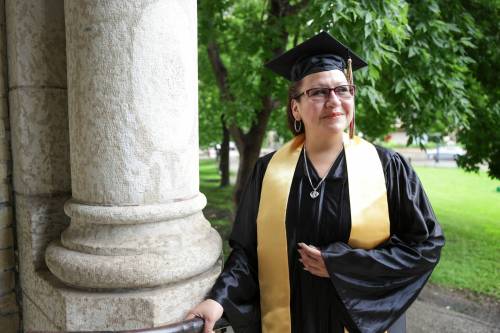
Mother of five, 44, loses home to pests, finds new life with high school graduation
5 minute read Preview Wednesday, Jun. 24, 2026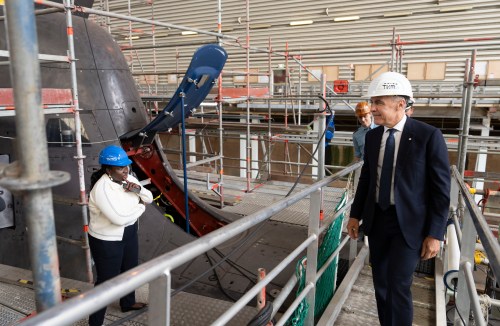
A submarine economic boom is just around corner. So are the challenges.
6 minute read Preview Tuesday, Jun. 23, 2026
Economic uncertainty weighs on potential homebuyers, RBC poll says
2 minute read Preview Wednesday, Jun. 24, 2026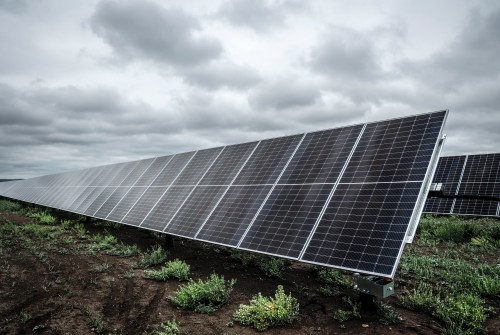
Ottawa tabs $21.6M for Sayisi Dene energy projects
3 minute read Preview Monday, Jun. 22, 2026
Manitoba government unveils findings of grocery price study
5 minute read Preview Monday, Jun. 22, 2026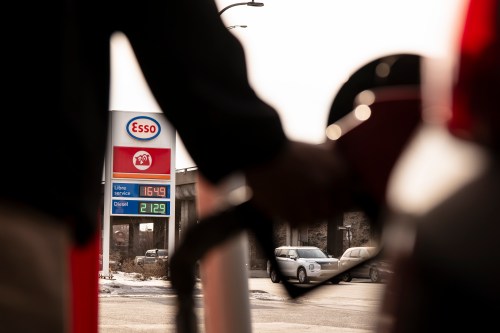
Iran war ripple effects drive inflation to its highest level since 2023
5 minute read Preview Tuesday, Jul. 14, 2026