Law
Please review each article prior to use: grade-level applicability and curricular alignment might not be obvious from the headline alone.

Pentagon’s chief tech officer says he clashed with AI company Anthropic over autonomous warfare
5 minute read Preview Friday, Apr. 24, 2026
Wounded wombs: Indigenous women who were involuntarily sterilized still grieving their losses
9 minute read Preview Wednesday, Mar. 11, 2026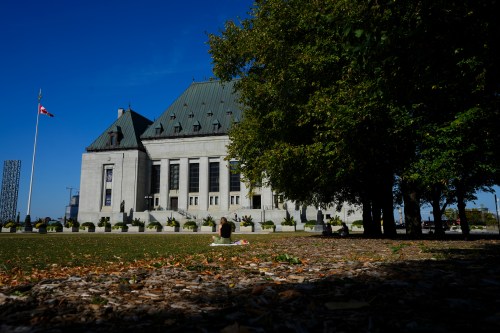
Supreme Court says asylum seekers entitled to subsidized Quebec daycare
4 minute read Preview Saturday, Mar. 7, 2026
OpenAI agrees to strengthen safeguards following B.C. mass shooting: minister
3 minute read Preview Friday, Apr. 24, 2026
Google settles with Epic Games with offer to lower its app store commissions
4 minute read Preview Friday, Apr. 24, 2026
Moms describe being trapped in a cycle of anguish when a loved one faces mental health crises
12 minute read Preview Friday, Apr. 24, 2026Precedent-setting Treaty 1 case wraps up
5 minute read Wednesday, Mar. 4, 2026A precedent-setting trial that wrapped up in Winnipeg’s Court of King’s Bench at the end of February has called for a court to determine, for the first time in 150 years, whether the value of Treaty 1 annuities is subject to an increase after being frozen at $5 per person since 1875.
Trial against Meta in New Mexico highlights video depositions by top executives
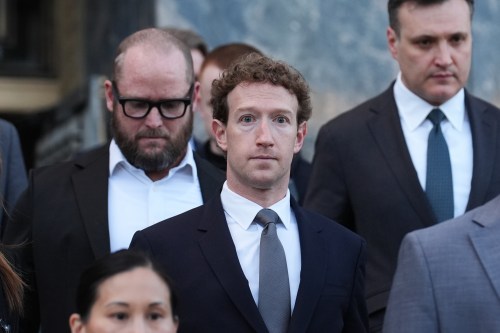
4 minute read Preview Friday, Apr. 24, 2026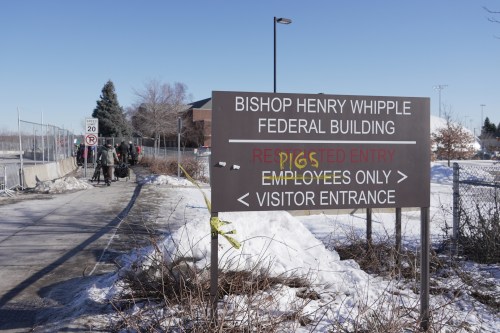
Federal judge extends order protecting refugees in Minnesota from being arrested and deported
3 minute read Preview Saturday, Feb. 28, 2026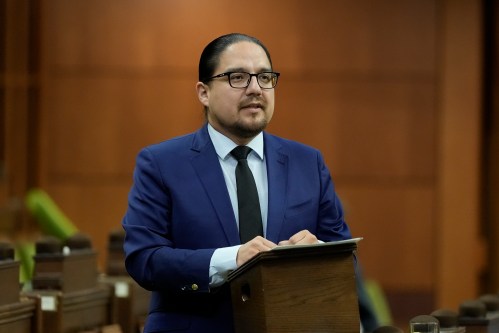
Opposition parties back changes to status rules in Indian Act, Liberals say not yet
5 minute read Preview Saturday, Mar. 21, 2026
Young woman says she was on social media ‘all day long’ as a child in landmark addiction trial
7 minute read Preview Friday, Apr. 24, 2026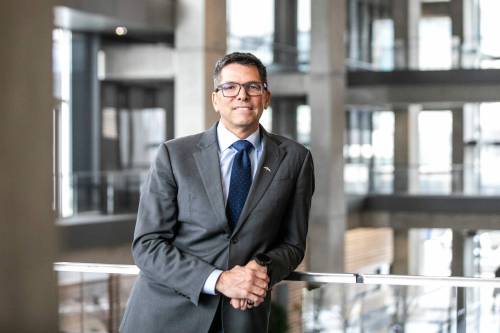
First Nations hopeful as Hydro’s first Indigenous chair eyes reversing years of enmity
5 minute read Preview Tuesday, Feb. 24, 2026Town of Virden sues province, engineer firm over aquifer
3 minute read Monday, Feb. 23, 2026The Town of Virden is suing the provincial government and an engineering consulting firm for recommending it switch to a new aquifer, which ran out of drinking water four years later.

Eby says it looks like OpenAI could have prevented ‘horrific’ Tumbler Ridge killings
5 minute read Preview Tuesday, Feb. 24, 2026
Manitoba urges court to throw out First Nation’s moose-hunt lawsuit
3 minute read Preview Sunday, Feb. 22, 2026
Albertans react to looming referendum during weekend rally, call-in radio show
4 minute read Preview Monday, Feb. 23, 2026
Norway House files suit against Hydro, governments over Lake Winnipeg
5 minute read Preview Saturday, Feb. 21, 2026
Milei’s overhaul of Argentina labor law advances in Congress as unions strike in protest
5 minute read Preview Saturday, Feb. 21, 2026AI a potent wedge issue in U.S. midterms
5 minute read Friday, Feb. 13, 2026Americans head to the polls again in November with no shortage of issues at stake. The White House’s weaponization of tariffs, immigration crackdown, government purges and foreign adventurism have roiled the nation. But calls to rein in artificial intelligence (AI) may ultimately gain the most traction for candidates.
The Trump administration’s AI Action Plan, released last summer, promises to assert U.S. technological dominance at breakneck speed. The strategy vows Washington will dismantle barriers to data centre construction, eliminate a raft of “woke” safety measures and lean on other nations to buy American tech.
Silicon Valley evangelists have fully bought in. Amazon, Meta, Google and Microsoft alone have announced US$650 billion in AI-related spending for 2026. That eclipses the GDP of countries such as Israel or Norway. It also doesn’t factor in other venture capital investments elsewhere, or outlays from OpenAI, Anthropic or the Elon Musk-owned xAI.
A market strategist told the Wall Street Journal last month that the U.S. could plausibly be in a recession if it weren’t for AI investments. Although this isn’t necessarily a good thing. America’s economic growth “has become so dependent on AI-related investment and wealth,” the paper reported,” that if the boom turns to bust, it could take the broader economy with it.”

Energy sector’s interest in Churchill heating up: Kinew
7 minute read Preview Wednesday, Feb. 11, 2026
Vote to crack down on ‘nuisance’ protests set for city council
5 minute read Preview Tuesday, Feb. 10, 2026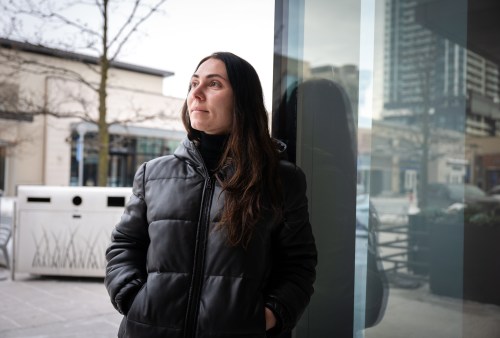
Ukrainians push for permanent residency in Canada as war with Russia grinds on
6 minute read Preview Wednesday, Mar. 4, 2026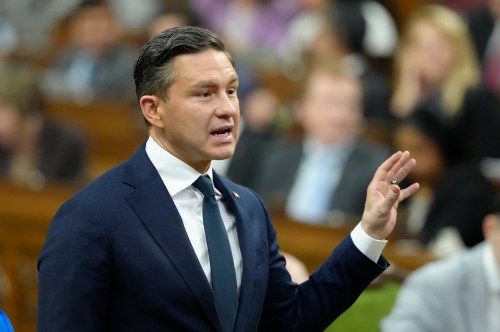
Conservatives table motion on refugee claims in response to extortion wave
4 minute read Preview Wednesday, Feb. 11, 2026