Patterns and Relations
Please review each article prior to use: grade-level applicability and curricular alignment might not be obvious from the headline alone.
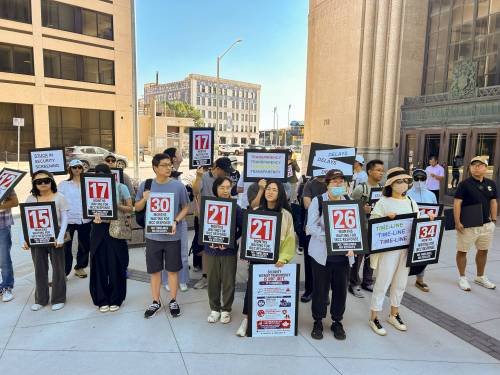
Chinese newcomers protest over delays in security screening clearance
4 minute read Preview Friday, Jul. 31, 2026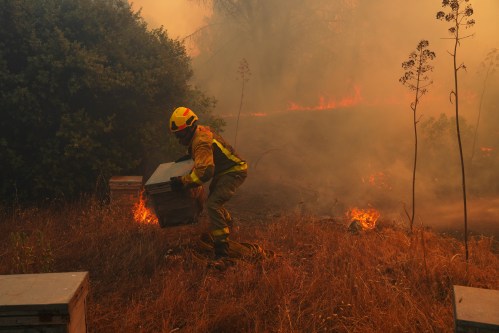
UN, scientists warn that strong El Nino will add fuel to ‘a planet already on fire’
5 minute read Preview Saturday, Aug. 22, 2026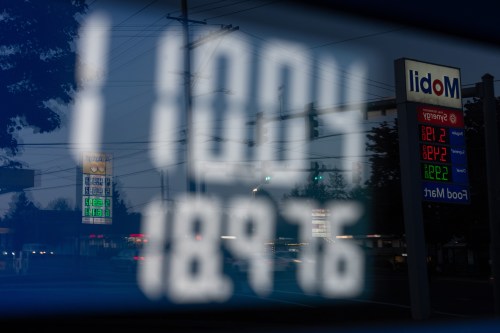
Major oil companies reap massive profits as US and Iran fighting drives energy prices higher
7 minute read Preview Sunday, Aug. 2, 2026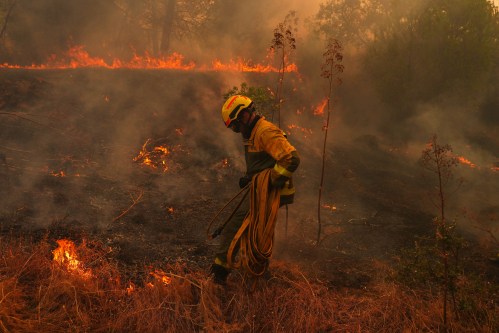
Human-caused climate change made Spanish, French fires much more likely, scientists calculate
5 minute read Preview Sunday, Aug. 2, 2026
Shoppers flock to the frozen aisle as fresh vegetable prices soar: Loblaw
4 minute read Preview Friday, Aug. 21, 2026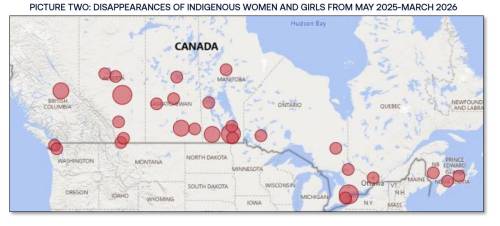
Report draws link between missing Indigenous women and trafficking across Canada
6 minute read Preview Tuesday, Jul. 28, 2026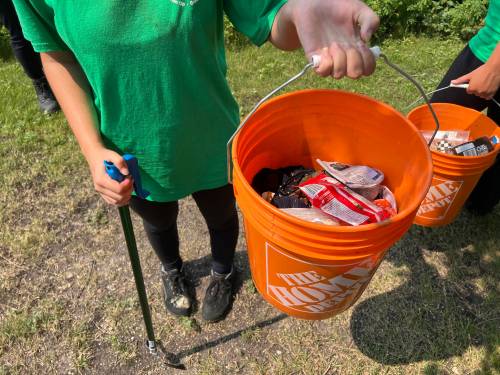
Cleanup squad makes positive waves across city
4 minute read Preview Friday, Jul. 24, 2026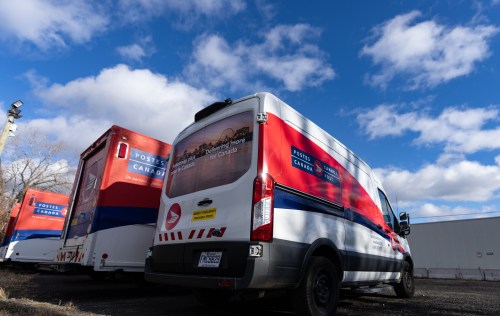
‘Existential’: Community papers struggling to survive amid Canada Post flyer delivery
6 minute read Preview Monday, Aug. 10, 2026The decline of the liberal arts
4 minute read Saturday, Jul. 18, 2026At his trial for impiety and corrupting youth, the ancient Greek philosopher Socrates defended himself by justifying his life’s work, famously maintaining that “the unexamined life is not worth living.” Lamentably, he was found guilty of the charges and ironically sentenced to death via drinking poison hemlock.
Yet human life is undeniably worth examining. So how do we best do so?
The liberal arts curriculum in Western post-secondary education — liberal as in “to be free” and art as in “learned skill” — has historically been perhaps the primary means of examining the human condition and experience, in contrast to vocational, professional or technical fields of study in universities.
Today they comprise the humanities, such as history, philosophy and literature, as well as the social sciences, such as anthropology, sociology and political science, with psychology bridging onto the natural sciences.
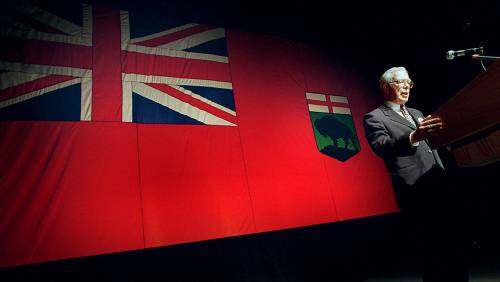
The next Duff’s Ditch must be medical
5 minute read Preview Thursday, Jul. 16, 2026
Bank of Canada says food inflation likely to remain high for rest of 2026
2 minute read Preview Thursday, Jul. 16, 2026
U of W falls back on tuition hikes amid budget crunch
5 minute read Preview Monday, Jul. 13, 2026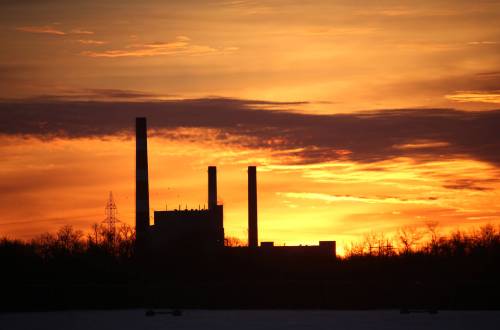
If it works in Ontario, why not in Manitoba?
5 minute read Preview Monday, Jul. 13, 2026
Sports gambling marketing during World Cup raises concerns about negative influence on susceptible audiences
5 minute read Preview Saturday, Jul. 11, 2026
Applications for federal public service jobs drop by almost 30 per cent
3 minute read Preview Saturday, Jul. 11, 2026
FIFA World Cup, youth job gains gave the labour market a lift in June
5 minute read Preview Sunday, Aug. 2, 2026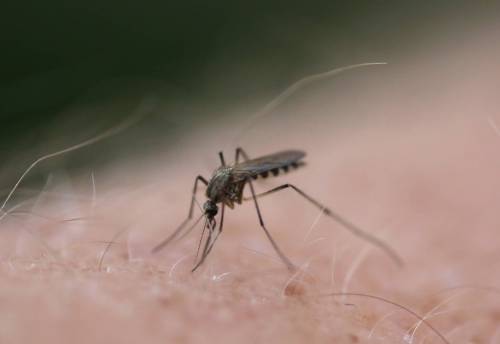
Mosquito-free summers nice while they lasted
4 minute read Preview Wednesday, Jul. 8, 2026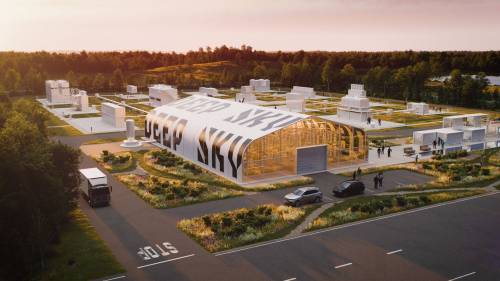
What can you do with $200 million?
5 minute read Preview Wednesday, Jul. 8, 2026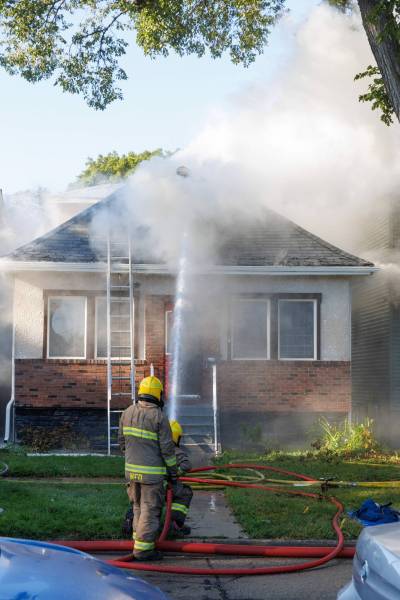
Emergency responders overburdened
4 minute read Preview Tuesday, Jul. 7, 2026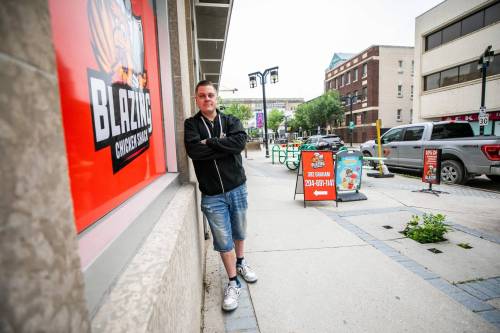
Businesses report ongoing struggle amid reduced walk-by traffic 1 year into Graham Avenue transit corridor rework
6 minute read Preview Saturday, Jul. 4, 2026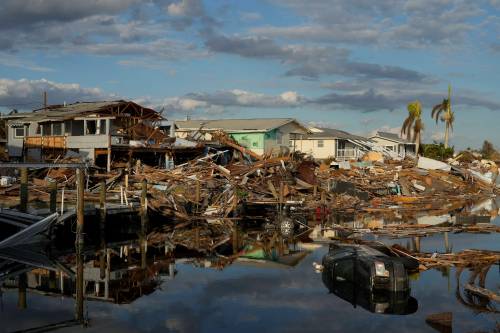
World gets glimpse of its climate future
5 minute read Preview Friday, Jul. 3, 2026
WFPS responded to record number of medical calls in 2025, annual report shows
4 minute read Preview Thursday, Jul. 2, 2026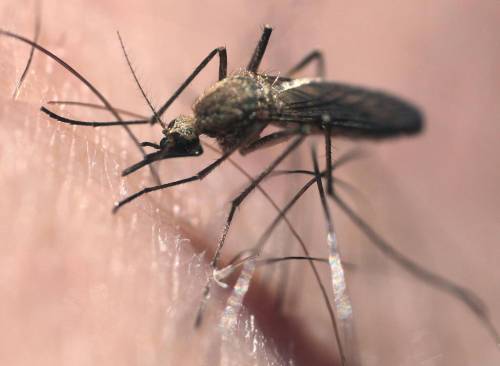
Mosquito surge expected after heavy rainfall
4 minute read Preview Thursday, Jul. 2, 2026