Patterns and Relations
Please review each article prior to use: grade-level applicability and curricular alignment might not be obvious from the headline alone.

Extra police cruiser to patrol city streets
6 minute read Preview Monday, Jun. 29, 2026
Europe’s extreme heat would be impossible without climate change, scientists say
5 minute read Preview Sunday, Jun. 28, 2026
Growing number of Manitoba youths are addicted to vaping
11 minute read Preview Thursday, Jun. 25, 2026
City’s greenhouse emissions rise, councillor says net-zero still within reach
3 minute read Preview Thursday, Jun. 25, 2026
Data centres top Ottawa’s big power requests, placing pressure on local utility
3 minute read Preview Thursday, Jun. 25, 2026Time for city to get handle on e-bike, e-scooter regulations
5 minute read Thursday, Jun. 25, 2026Ever been out for a walk, a jog or a casual bike ride only to be startled by an e-bike, battery-powered scooter or some other personal electric vehicle flying past you at high speed? If so, you probably know how urgent it is for lawmakers to bring in regulations to respond to this growing phenomenon.
Winnipeg is facing a transportation challenge that barely existed a few years ago. Battery-powered bikes, scooters, electric unicycles and other similar vehicles have become common sights on city streets, cycling routes and multi-use pathways.
Their popularity is growing faster than the rules governing them. And that should be a concern for city hall.
There’s no question personal electric vehicles offer people significant advantages. They’re cheaper to operate than cars, produce no direct emissions, reduce traffic congestion and provide people with another option for getting around the city.

Some airlines reduce fuel surcharges as oil falls, while others hold steady
2 minute read Preview Friday, Jun. 26, 2026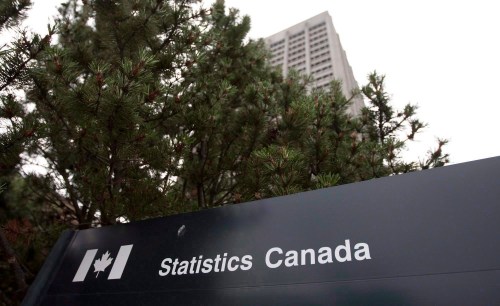
These economists are worried Canada has a data quality problem
6 minute read Preview Friday, Jun. 26, 2026
Truancy report calls for students to engage in policies, programs
5 minute read Preview Thursday, Jun. 25, 2026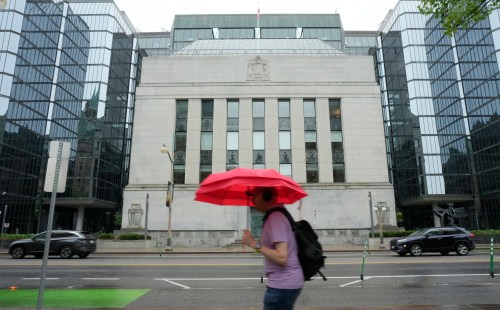
Bank of Canada officials seemed unfazed by the surprise economic decline in Q1
2 minute read Preview Thursday, Jun. 25, 2026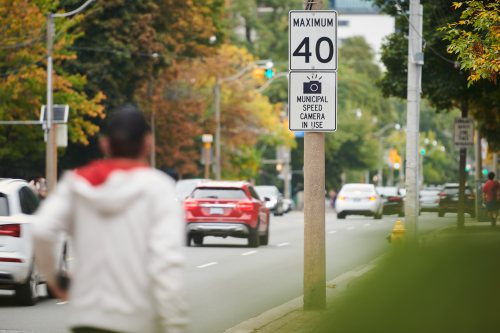
Speeding spiked in Toronto after province pulled speed cameras: report
2 minute read Preview Thursday, Jun. 25, 2026
Homes under $500,000 account for growing proportion of Ontario real estate: report
3 minute read Preview Thursday, Jun. 25, 2026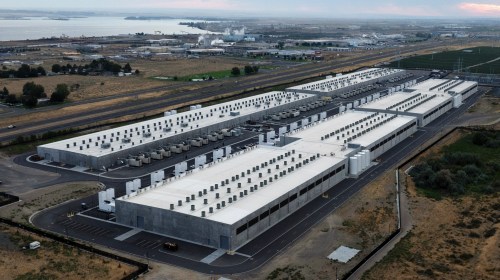
AI is an energy and water hog, here’s what you can do to counter that
7 minute read Preview Tuesday, Jul. 21, 2026
Health Canada approves weight-loss drug for sleep apnea in patients with obesity
4 minute read Preview Monday, Jun. 29, 2026
Policing safer now than in previous decades despite recent officer deaths: expert
4 minute read Preview Thursday, Jun. 25, 2026
A Serbian town is known for raspberries that are exported around the world
3 minute read Preview Thursday, Jun. 25, 2026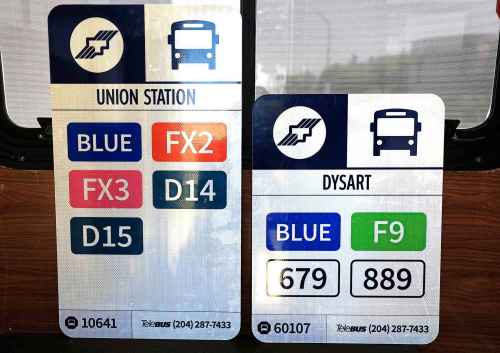
Overhauled Transit system rollout ‘a nightmare,’ public works chair says
5 minute read Preview Wednesday, Jun. 24, 2026
AI stock slump raises the question if investors are just taking profits or getting very nervous
5 minute read Preview Wednesday, Jun. 24, 2026
Fewer Canadians see U.S. as ‘reliable’ as global confidence in Washington sags: poll
3 minute read Preview Wednesday, Jul. 15, 2026Prosecutors are declining to charge more felony domestic violence cases, citing staffing issues
15 minute read Wednesday, Jun. 24, 2026In April, Spokane police arrested a man for grabbing a woman by the neck and pushing her to the ground. A neighbor had called 911 worried that the yelling next door was a domestic violence situation, and the woman told an officer through tears that she was sick of her boyfriend putting his hands on her, according to the police report.
The next day, Spokane County prosecutors sent an email to police. There was probable cause that the man had committed a felony-level assault, since he had prior domestic violence convictions for assaulting and strangling other women he was dating. But the prosecutor’s office decided to decline the case because the victim didn’t want to pursue charges.
It used to be rare that prosecutors declined to bring such charges, said Sgt. Dave Adams, who has worked at the Spokane Police Department for over three decades and has led its domestic violence unit since August 2024. But starting last summer, Adams said that similar emails started trickling into his inbox, until October, when it was like a spigot had opened. The Spokane County Prosecuting Attorney’s Office went from declining one or two felony domestic violence cases referred by law enforcement per month to declining over a dozen, peaking in March at 25 declined cases, according to the prosecutor’s office’s data. People who were arrested for crimes like strangulation, assault and no-contact order violations were being released within days, with no new criminal charges on their record.
“It was a little bit of a shocker,” Adams said. “Suddenly my inbox starts getting filled up, and I’m like, ‘What have I missed here?’”

No evidence of generalized inflation despite May price hikes: BoC’s Macklem
3 minute read Preview Wednesday, Jun. 24, 2026
AI companies should release environmental impact, commit to clean energy, says UN chief
5 minute read Preview Wednesday, Jul. 15, 2026If life hands you a data centre, grow tomatoes
4 minute read Tuesday, Jun. 23, 2026People everywhere are protesting AI data centres, with good reason. They use a lot of water and energy, and they create a lot of noise. They create relatively few ongoing jobs after construction is complete.
Electricity used to power servers at AI centres creates heat. To keep running they must be cooled. More electricity is used to power chillers to cool the computers. In summer, chillers evaporate water and dissipate heat to the atmosphere. Lots of it. A few Olympic-size swimming pools worth, even in our cold climate.
A 100 MW (100,000 kW) data centre uses enough power to heat about 10,000 homes with electric baseboard heat or an electric furnace. Or about enough to heat 80 acres of greenhouse on the coldest days of January. To put that in perspective, the recently completed Keeyask dam produces about 695 MW of power. A 100 MW data centre uses about 14 per cent of the power produced by the Keeyask dam.
In Finland, a data centre was built under downtown Helsinki. Waste heat from the data centre is recycled to heat the buildings above it.