Variations in Individual and Group Behaviour
Please review each article prior to use: grade-level applicability and curricular alignment might not be obvious from the headline alone.

OpenAI faces 30 new lawsuits from witnesses to mass shooting in Tumbler Ridge, B.C.
6 minute read Preview Friday, Sep. 4, 2026
Doctor pays $500K to revamp courtyard at care home where he works
4 minute read Preview Thursday, Aug. 27, 2026
Ottawa funds sentencing program for northern Manitoba offenders
3 minute read Preview Thursday, Aug. 27, 2026
A look at major lawsuits against Meta and other social media companies over harms to kids
6 minute read Preview Saturday, Aug. 29, 2026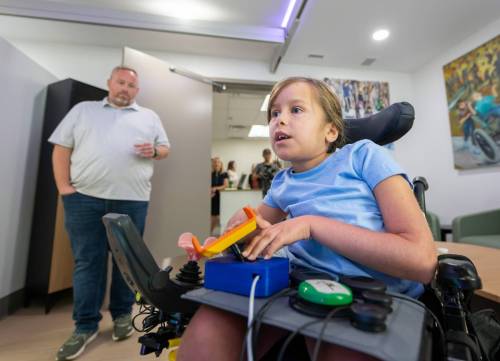
Smart Suite lets families of children with disabilities learn how adaptive design, tech can improve their lives
4 minute read Preview Wednesday, Aug. 26, 2026
Meta reaches landmark $18 billion settlement with states in trial over teen social media addiction
7 minute read Preview Saturday, Aug. 29, 2026Resilience and asking too much
4 minute read Saturday, Aug. 22, 2026Employee burnout, workload pressures, and workplace well-being have become regular topics of conversation across Canada. Organizations are investing heavily in resilience training and wellness initiatives, helping people cope with growing demands.
While those efforts have value, they sometimes overlook a more uncomfortable question: is the problem a lack of resilience, or are we asking people to carry too much in the first place?
The air raid siren cut through the evening heat like a knife.
In 2011, while deployed to Kandahar Airfield, I was speaking to my wife on the phone when the alarm signaling a rocket attack sounded.

City emergency crews to administer drug that stops opioid withdrawal symptoms
5 minute read Preview Monday, Aug. 10, 2026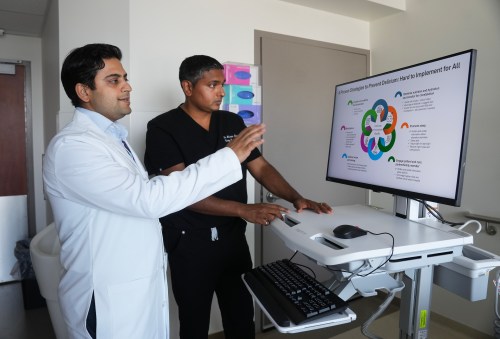
Delirium is often missed by health providers. Could an AI risk predictor help?
6 minute read Preview Monday, Aug. 10, 2026
What to know about postpartum psychosis, which can affect a new mom’s sense of reality
4 minute read Preview Saturday, Aug. 22, 2026Policing in trying situations
4 minute read Wednesday, Jul. 22, 2026The caller to police was concerned about a family member who suffered from a severe mental-health illness, and who was somewhere in the neighbourhood, behaving in a manner they feared put people at risk.
With around 17 years of police service by then, most in patrol, I already had considerable experience with mental-health-related calls for service.
From experience, I knew that, regardless of what you knew about the situation going in and any plans of approach you made in advance based on that information, once you encountered the person involved all bets were usually off.
Because situations suddenly and unpredictably change.
Canada overlooks scores of workers
4 minute read Wednesday, Jul. 22, 2026Canada has a labour shortage and a labour surplus at the same time. Canada’s labour force shortages are no longer a temporary challenge. Across the country, “help wanted” signs are everywhere.
Ready or not: youth aging out of care
5 minute read Friday, Jul. 10, 2026Youth in care face the same pressures as other young people their age, except they navigate those transitions without stable family relationships, financial resources or informal support.
We know who is at risk, but we wait anyway
4 minute read Friday, Jul. 3, 2026Children with disabilities are experiencing a mental health crisis and Manitoba’s systems are waiting for them to really struggle before they respond.
Across Canada, children with disabilities experience far higher rates of mental health challenges than their peers. Nearly three-quarters of children and youth with disabilities experience elevated mental health challenges. More than one-third score in the “very high” mental health difficulty category, a rate nearly 10 times higher than among children without disabilities.
Between 30 to 50 per cent of children with neurodevelopmental disabilities are diagnosed with mental health conditions, compared to eight to 18 per cent among typically developing children. This includes children with autism, ADHD, FASD, intellectual disabilities, learning disabilities and communication disorders.
Children who struggle with communication, sensory regulation, mobility, executive functioning, or social interaction are often excluded long before systems recognize the emotional consequences of that exclusion. Loneliness and exclusion are not side issues — they are public health issues for children with disabilities.

Montreal shooting leads to national security investigation on ideological violence
4 minute read Preview Tuesday, Jul. 21, 2026
Websites suggest conspiracies fed accused Montreal gunman’s ‘buffet extremism’
5 minute read Preview Thursday, Jun. 25, 2026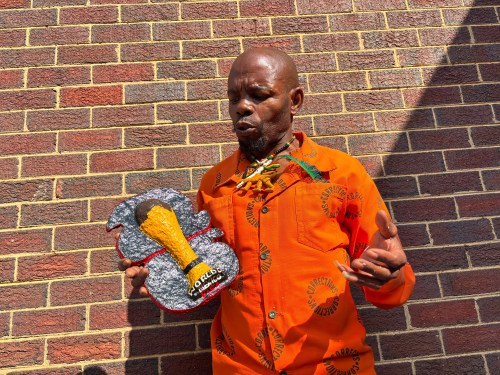
South African prisons open art galleries to showcase inmates’ work
5 minute read Preview Thursday, Jun. 25, 2026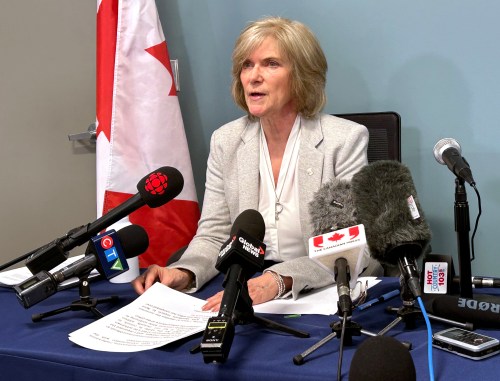
Nova Scotia failing to properly oversee addictions, mental health care, says auditor
3 minute read Preview Wednesday, Jun. 24, 2026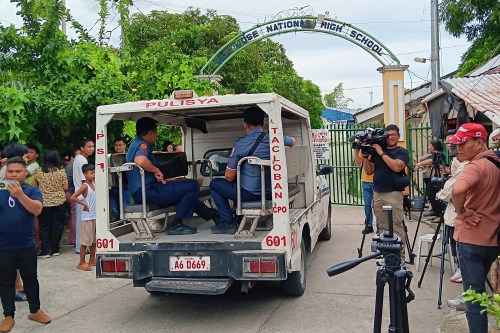
Philippines temporarily blocks gaming app used by suspect in deadly school shooting
3 minute read Preview Wednesday, Jun. 24, 2026
Art show features paintings created as therapy
3 minute read Preview Monday, Jun. 22, 2026
AI safety advocates say bill a good ‘first step’ on regulation, but more needed
5 minute read Preview Tuesday, Jul. 14, 2026
One of Canada’s most prominent MAID providers reflects on divisive decade
9 minute read Preview Thursday, Jun. 18, 2026
Committee majority recommends against MAID for mental illness, four senators object
5 minute read Preview Thursday, Jun. 18, 2026