Science Identity
Please review each article prior to use: grade-level applicability and curricular alignment might not be obvious from the headline alone.
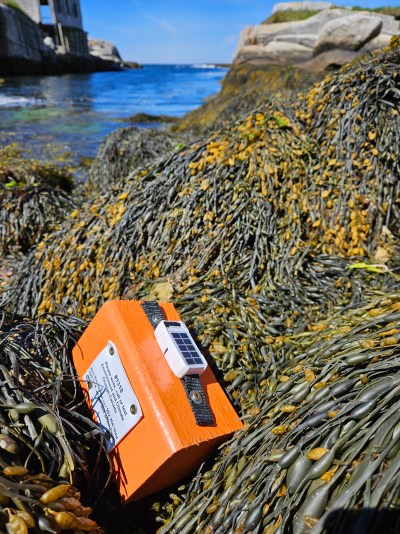
Federal researchers using driftwood to study and track seabird deaths off N.S. coast
4 minute read Preview Wednesday, Aug. 5, 2026
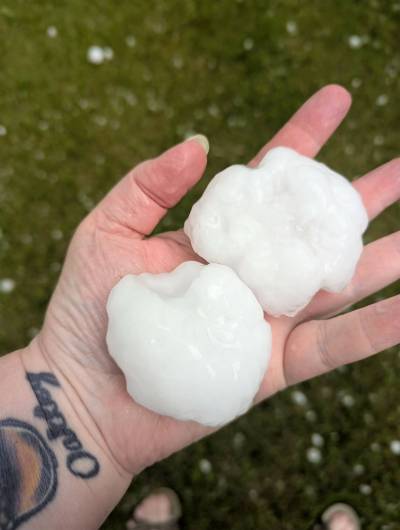
Researchers put hail under microscope, take stock of June 9 storm
6 minute read Preview Friday, Jun. 26, 2026
Grade 7 students learn about environment in Seine River cleanup
4 minute read Preview Wednesday, Jun. 24, 2026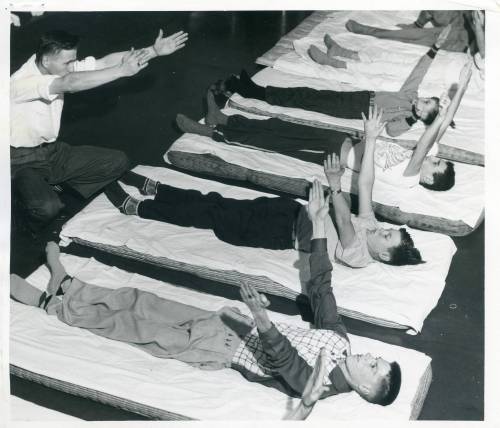
Confronting the scourge of polio
8 minute read Preview Saturday, Jun. 20, 2026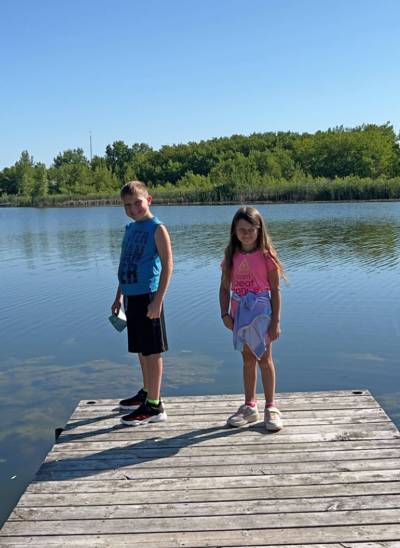
Close encounters of the amphibian kind
3 minute read Preview Saturday, Jun. 20, 2026Can we become Canada’s new capital of fresh water?
4 minute read Thursday, Jun. 18, 2026Just last month, over 800 limnologists, or freshwater scientists, from North America and East Africa descended upon the RBC Convention Centre for a meeting of the greatest minds on the Great Lakes.
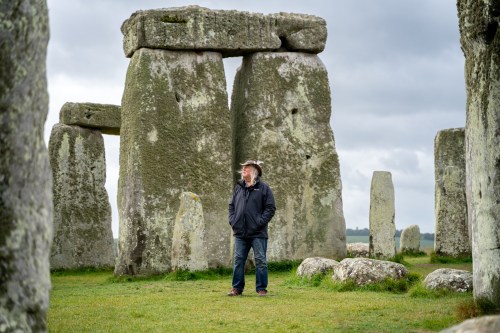
Archaeology team unearths ‘prototype’ of world-famous Stonehenge monument just a few miles away
3 minute read Preview Thursday, Jun. 18, 2026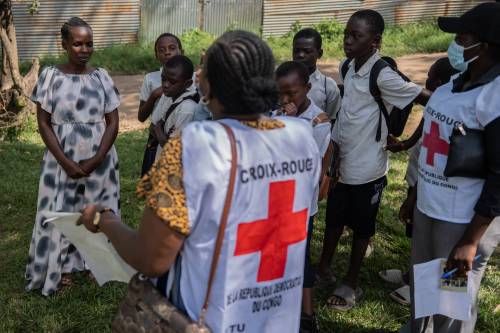
Manitoba’s role in a distant Ebola outbreak
5 minute read Preview Monday, Jun. 15, 2026
CancerCare MDs, staff call attention to specialist’s resignation, warn of dire consequences
5 minute read Preview Friday, Jun. 12, 2026
Online therapy developed in Montreal helps seniors sleep better, study finds
4 minute read Preview Tuesday, Jun. 30, 2026Fifty years ago this June, Manitoba Hydro destroyed one of the province’s finest lakes, its fourth-largest, when it began operating a newly constructed control structure at Missi Falls, the outlet where Southern Indian Lake flows into the lower Churchill River.
This raised the water level of the lake, creating a reservoir and diverting the flow southward via the Rat and Burntwood River systems to increase power output at its hydroelectric generating stations along the Nelson River.
More than 3,500 km of shorelines on the lake alone were permanently inundated, and along with its adjacent waterways, an area of 840 square kilometres was flooded. The entire Indigenous community of South Indian Lake had to be moved to higher ground to avoid the flooding, and the island community of Nelson House was irreparably harmed.
The Churchill River diversion project had a disastrous effect on the natural environment and the Indigenous people whose subsistence and way of life depended on the lake.

School science changes spark concerns
6 minute read Preview Wednesday, May. 27, 2026
NASA lays out moon base plans with landers, buggies and drones at the top of the list
3 minute read Preview Thursday, Jun. 18, 2026
Winnipeg pair look to launch EyeMirage device for sale in Canada in fall, with eyes to follow on international markets
5 minute read Preview Wednesday, May. 27, 2026
What you don’t know can, in fact, hurt you
4 minute read Preview Friday, May. 22, 2026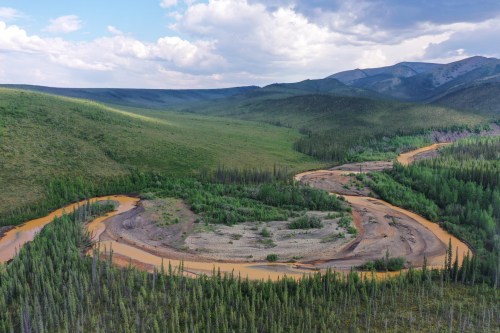
As permafrost thaws, some headwaters in Canada’s North turn orange and toxic: study
7 minute read Preview Friday, Jun. 12, 2026
Pair of bird books offer fascinating insight into the avian world
6 minute read Preview Saturday, May. 16, 2026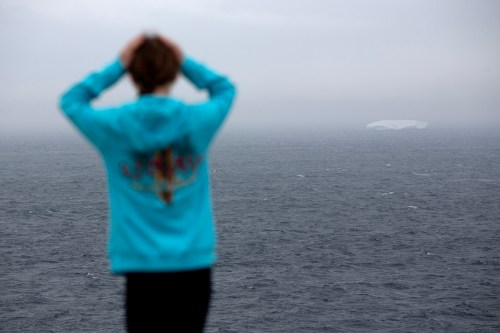
Parade of ghostly icebergs brings joy and wonder to Newfoundland and Labrador
4 minute read Preview Saturday, May. 30, 2026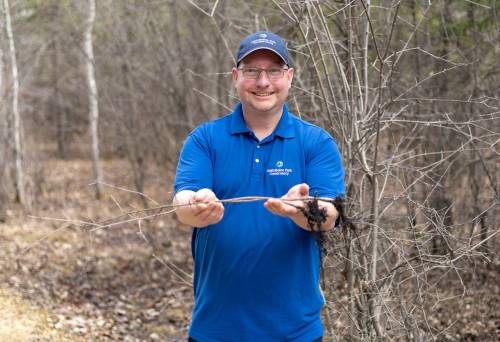
Thorn in their side: Assiniboine Park asks for help to remove invasive plant
2 minute read Preview Friday, May. 1, 2026
What to do with inconvenient wildlife
5 minute read Preview Tuesday, Apr. 21, 2026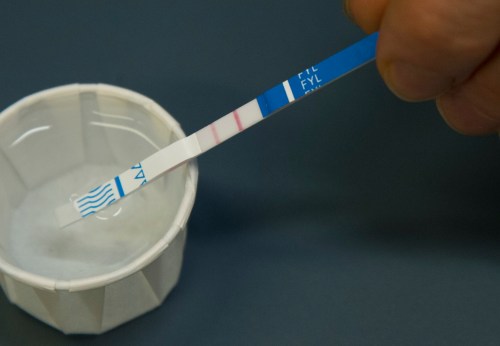
B.C. ‘chemical fingerprint’ scheme to track illicit drugs is likened to DNA tests
4 minute read Preview Saturday, May. 9, 2026
‘Extraordinary’: Back on Earth, Jeremy Hansen describes his long journey in space
5 minute read Preview Monday, May. 4, 2026