Scientific Knowledge
Please review each article prior to use: grade-level applicability and curricular alignment might not be obvious from the headline alone.
The effects of El Nino on crop prices, production
4 minute read Saturday, Aug. 15, 2026The prospect of a Super El Nino on the horizon has figured prominently in the media, but its impact on farmers depends on which side of the world they live.
As the harvest equipment starts chewing through the first fields of the season here, the phenomenon ranks low on farmers’ worry list.
If anything, warming sea-surface temperatures in the central Pacific could support higher crop prices due to its impact on production in export competitors such as Australia.
While not a key driver behind the recent rallies that have brightened the price outlook for this year’s harvest, the Super El Nino one of the underlying fundamentals that could help keep prices buoyant through the winter months, says Bruce Burnett, a weather and markets analyst with Glacier Farm Media.

An elegy for the smalls
5 minute read Preview Saturday, Aug. 15, 2026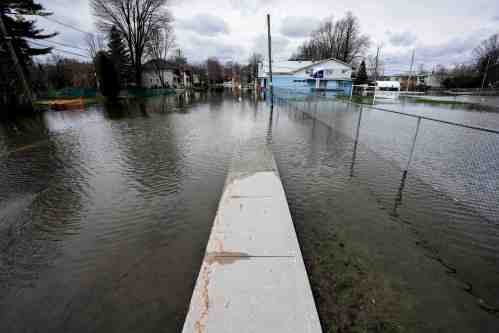
Feds reports progress on climate adaptation but climate groups say it isn’t enough
5 minute read Preview Saturday, Aug. 15, 2026
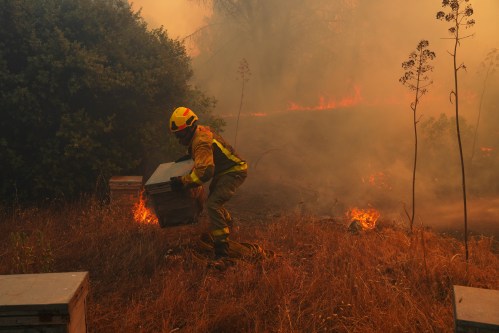
Fact File: Experts douse viral claim that wildfires caused by ‘weather manipulation’
5 minute read Preview Saturday, Sep. 5, 2026
Nero’s Bridge emerges from Tiber River as Rome faces water crisis
1 minute read Preview Saturday, Sep. 5, 2026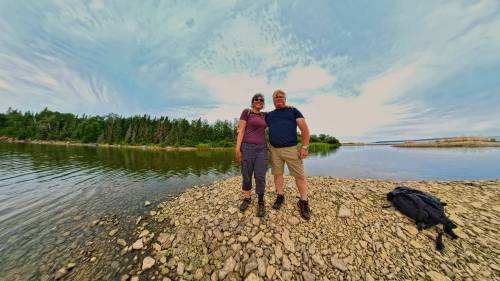
Libau man warns Manitobans after contracting West Nile Virus
3 minute read Preview Wednesday, Aug. 12, 2026
Federal government invests $24 million for cannabis and brain health research
2 minute read Preview Thursday, Aug. 13, 2026
Federal government announces $34M to help communities cope with climate change
2 minute read Preview Thursday, Aug. 13, 2026
A mission to make hearing care easier to access
4 minute read Preview Wednesday, Aug. 12, 2026‘Artificial intelligence’ based on large language models is shaping up to be the most efficient destroyer of value since the South Sea Bubble. After “the Crash”, which is inevitably coming, some specific functions of AI will eventually turn out to be genuinely revenue-generating, and a lot of jobs will duly disappear. But the biggest winner (and potentially biggest loser) is medical science.
Dr. Brian Hie, a chemical engineer at Stanford University in California, has just revealed that his team has made the first viruses designed by artificial intelligence. They are ‘bacteriophages’, viruses that only infect bacteria and are widely used to treat people with infections that resist other treatments.
However, natural bacteriophages sometimes fail, so Dr. Hie used generative AI to design new ones that might do the job. The AI generated thousands of designs for new genomes that more or less fit the bill, and he chose around 300 of them to build in the lab. It’s hard work, not magic, but he ended up with 16 ‘novel’ bacteriophages that might work.
He applied them to petri dishes containing two harmful strains of E. coli, a common bacteria that lives in the human gut, and they killed the bacteria off. It’s still early days, but if it is truly becoming possible to tailor-make bacteriophages that target specific bacteria, then we may be getting a major new weapon in the struggle against antibiotic resistance.

Missing pet tortoise found at Oak Hammock Marsh
3 minute read Preview Tuesday, Aug. 11, 2026
Alberta seeks proposals for gambling addiction services as part of iGaming launch
2 minute read Preview Friday, Sep. 4, 2026
Ducks Unlimited makes province’s largest-ever conservation-land purchase
3 minute read Preview Tuesday, Aug. 11, 2026Getting energy another way
4 minute read Wednesday, Aug. 5, 2026As Manitoba’s Public Utilities Board analyzes Manitoba Hydro’s Integrated Resource Plan, three points are apparent.

E.K. neighbours finally outfox, rescue injured fox
3 minute read Preview Tuesday, Aug. 4, 2026
Ottawa awards Telesat $2.3B Arctic military satellite contract
4 minute read Preview Saturday, Aug. 29, 2026
Leonardo DiCaprio and Jeff Bezos lead $200M project to save 100 of globe’s most threatened species
3 minute read Preview Saturday, Aug. 29, 2026
Delirium is often missed by health providers. Could an AI risk predictor help?
6 minute read Preview Monday, Aug. 10, 2026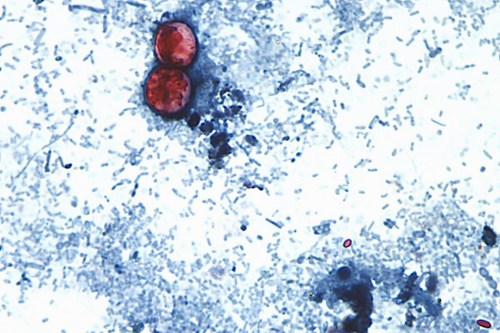
Michigan reports the first 2 US deaths related to a diarrhea-causing parasite
3 minute read Preview Tuesday, Aug. 4, 2026
Crop storage headaches loom on horizon
4 minute read Preview Saturday, Aug. 1, 2026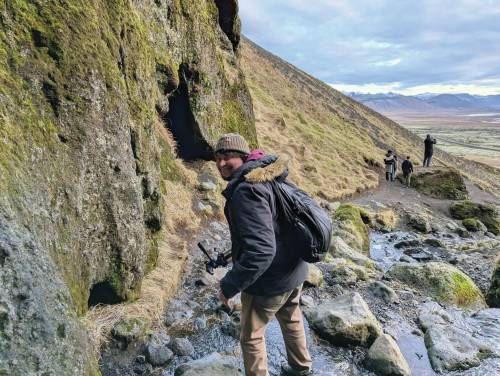
Sous les eaux islandaises avec Julien Nayet-Pelletier
6 minute read Preview Saturday, Aug. 1, 2026
Climate change threatens events we wait for all year
4 minute read Preview Saturday, Aug. 1, 2026
Plot an effective ‘retirement plan’ for your body
7 minute read Preview Saturday, Aug. 1, 2026