Social Studies Grade 9: Canada in the Contemporary World
Please review each article prior to use: grade-level applicability and curricular alignment might not be obvious from the headline alone.

Alberta First Nation sues Ottawa over $5 treaty annuity, argues amount stuck in 1899
2 minute read Preview Thursday, Aug. 6, 2026
Canada pauses applications for parent, grandparent immigration sponsorship program
3 minute read Preview Thursday, Jul. 16, 2026
Chiefs call on feds to criminalize residential school denialism as hate speech
3 minute read Preview Thursday, Aug. 6, 2026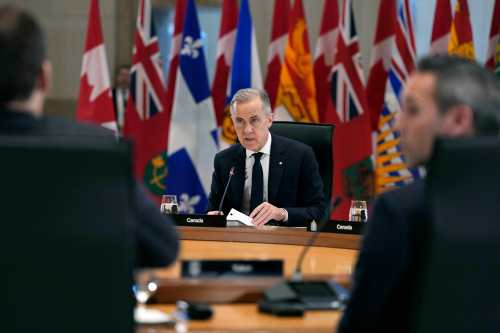
Feds, most provinces get top marks on internal trade — but more work to be done
5 minute read Preview Thursday, Aug. 6, 2026Canadian AI: What kind, and who will own it
5 minute read Wednesday, Jul. 15, 2026What is it we should fear about AI? That it will take our jobs? Overload our electricity networks and make our own energy needs more expensive? Put scarce freshwater resources at risk? Or is it that it will be unregulated, breach privacy laws and be used for a wide range of perverse purposes?
If Canadians are among the most distrustful of the AI revolution, it isn’t because they are uninformed or technologically regressive. Their reluctance is because there is no plan for Canadian AI guided by an overarching public interest.
To the contrary, the hundreds of AI data centre proposals in Canada are driven by an investor frenzy completely disconnected from Canadian needs or economic and social goals.
A Canadian Press freedom of information request from the federal government revealed that power demands from current proposals total more than 20 GW, a massive capacity comparable to the total power needs of all Canadian households, and 25 times greater than the roughly 850 MW the federal government has projected that known sovereign AI proposals will reach by 2030.

More mayoral candidates would mean more ideas
4 minute read Preview Tuesday, Jul. 14, 2026
Chief says assembly will tackle effect of major projects push on First Nations rights
3 minute read Preview Tuesday, Aug. 4, 2026
U of W falls back on tuition hikes amid budget crunch
5 minute read Preview Monday, Jul. 13, 2026
Mom spearheads fight for rehab services
4 minute read Preview Monday, Jul. 13, 2026
If it works in Ontario, why not in Manitoba?
5 minute read Preview Monday, Jul. 13, 2026
Quebec municipalities express interest in Samuel de Champlain statue from Ontario
4 minute read Preview Monday, Jul. 13, 2026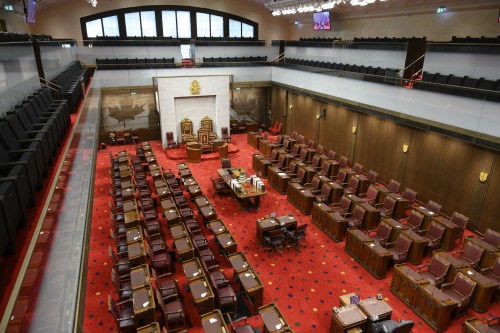
Canada’s Senate: A glimpse at the operations of the upper chamber
7 minute read Preview Monday, Jul. 13, 2026AI ownership is not security
4 minute read Saturday, Jul. 11, 2026I spent years as an investigator with the Toronto Police and watched organizations pour money into firewalls, monitoring systems and security audits to protect against cybercriminals. Breaches still happened, but we generally understood the problem. We knew what we were defending, how attacks worked and how to reduce risk.
Today, most discussion about AI security focuses on how powerful models could help attackers find software vulnerabilities or automate cyberattacks. Those concerns are real, and they deserve attention, but are only half of the story.
Far less attention is paid to the question of how we secure the AI systems themselves.
If you have used a chatbot to draft a work email, asked an AI tool to summarize a report or let your phone suggest a reply to a text message, you have relied on the judgment of a machine. Most of us have done this without thinking twice.

Sports gambling marketing during World Cup raises concerns about negative influence on susceptible audiences
5 minute read Preview Saturday, Jul. 11, 2026
Province has ‘serious concerns’ with Winnipeg personal care home
5 minute read Preview Friday, Jul. 10, 2026
Pipeline could be Kinew’s legacy or a slick disappointment
5 minute read Preview Friday, Jul. 10, 2026
Applications for federal public service jobs drop by almost 30 per cent
3 minute read Preview Saturday, Jul. 11, 2026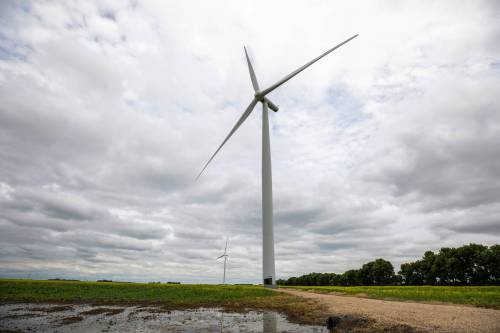
Westman residents fear power project’s wind turbines will sully their idyllic landscape
16 minute read Preview Friday, Jul. 10, 2026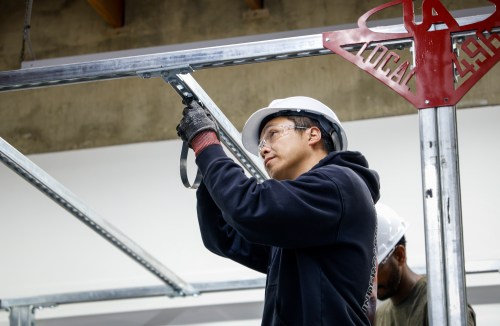
FIFA World Cup, youth job gains gave the labour market a lift in June
5 minute read Preview Sunday, Aug. 2, 2026
Apartment rents continue to climb in Manitoba
2 minute read Preview Friday, Jul. 10, 2026Ready or not: youth aging out of care
4 minute read Friday, Jul. 10, 2026Youth in care face the same pressures as other young people their age, except they navigate those transitions without stable family relationships, financial resources or informal support.
Manitoba needs clean, publicly owned data centres
5 minute read Friday, Jul. 10, 2026Some might disagree, but I believe Winnipeg needs an AI data centre.

Mayor flip-flops on cutting tree-planting budget after intense criticism
4 minute read Preview Thursday, Jul. 9, 2026