Democracy and governance in Canada
Please review each article prior to use: grade-level applicability and curricular alignment might not be obvious from the headline alone.
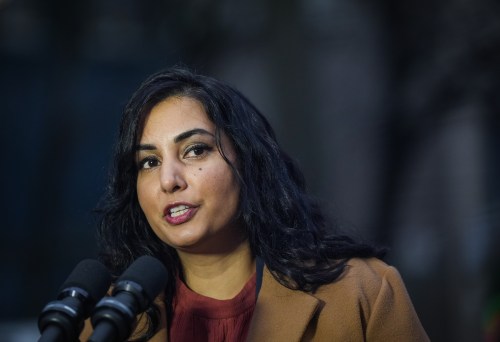
MPs urge action to undercut ‘manosphere’ by tackling anti-women ideology
4 minute read Preview Wednesday, Jul. 8, 2026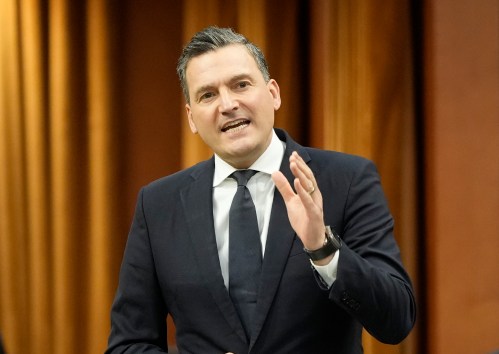
Ottawa’s new surveillance pricing rules not likely to take effect before 2028
4 minute read Preview Wednesday, Jul. 8, 2026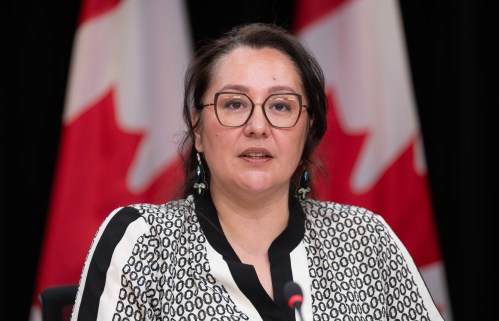
Liberal government tables new First Nations drinking water legislation
7 minute read Preview Tuesday, Jun. 23, 2026
Man’s suicide raises concerns about sentencing of Indigenous offenders
5 minute read Preview Tuesday, Jun. 16, 2026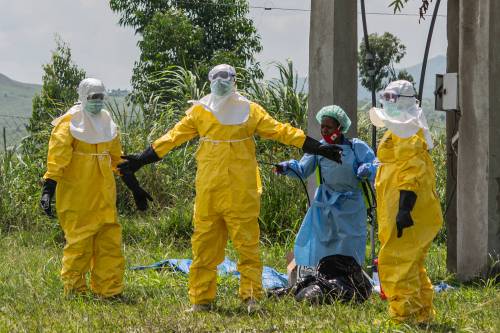
Ebola stretches weakened global aid system
5 minute read Preview Tuesday, Jun. 16, 2026
Alberta separatists can’t see economic future through their blinding rage
6 minute read Preview Monday, Jun. 15, 2026
New First Nations water bill changes mention of ‘right’ to clean water access
4 minute read Preview Tuesday, Jul. 7, 2026
‘It’s all going to be OK’: Canada’s U.S. ambassador tries to ease CUSMA anxiety
4 minute read Preview Tuesday, Jun. 16, 2026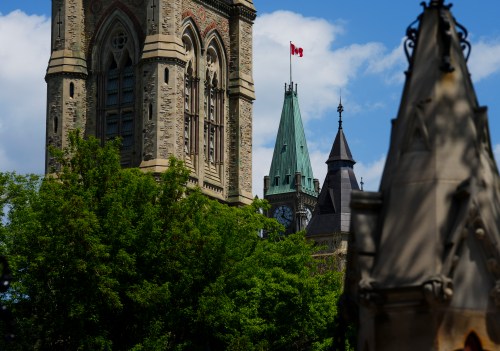
Ottawa introduces privacy bill covering children’s data, right to request deletion
4 minute read Preview Tuesday, Jul. 7, 2026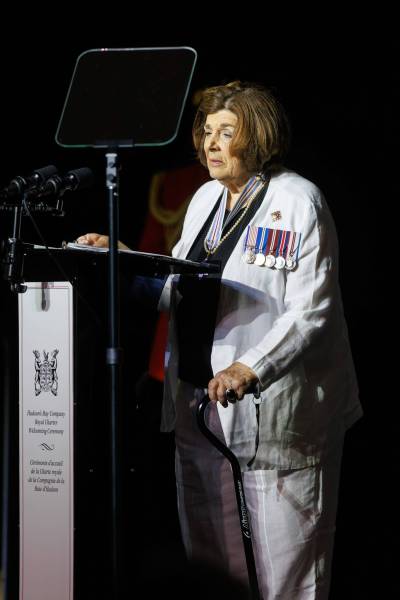
‘We’re doing a lot’: Manitoba Lt.-Gov., proud of reconciliation work being done
3 minute read Preview Saturday, Jun. 13, 2026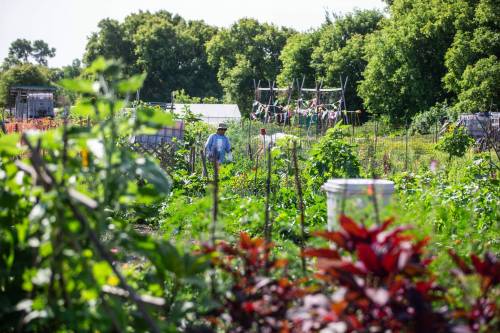
Community gardens, urban farms more than hobby spaces, report authors say
5 minute read Preview Saturday, Jun. 13, 2026Halting social media harm requires national solution
5 minute read Saturday, Jun. 13, 2026THE federal Liberal government’s proposed legislation to ban or restrict social media access for children under 16 appears to be a sensible approach to one of the most difficult public policy challenges of the digital age.
Whether Canadians ultimately support a ban, limited restrictions or exemptions for platforms that can demonstrate adequate safeguards, one thing is becoming increasingly clear: if governments are going to regulate children’s access to social media, it makes far more sense to do it at the federal level than through a patchwork of provincial laws.
That’s particularly relevant in Manitoba, where the provincial government has been exploring its own options to restrict social media use among young people.
The intentions are understandable. Parents, educators, health-care professionals and policymakers are becoming increasingly alarmed about the effects social media is having on many children and teenagers.
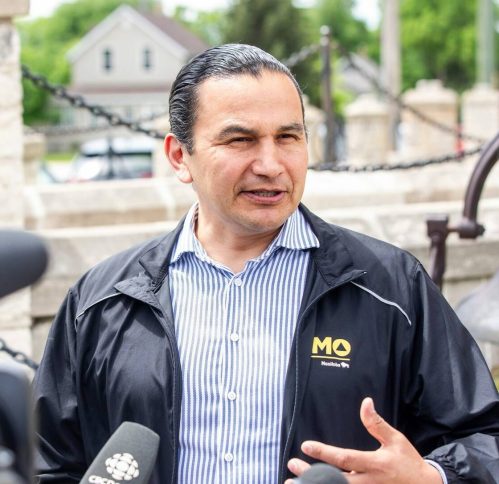
‘Fentanyl fold’ on city streets stresses prompt need for supervised consumption site: premier
3 minute read Preview Friday, Jun. 12, 2026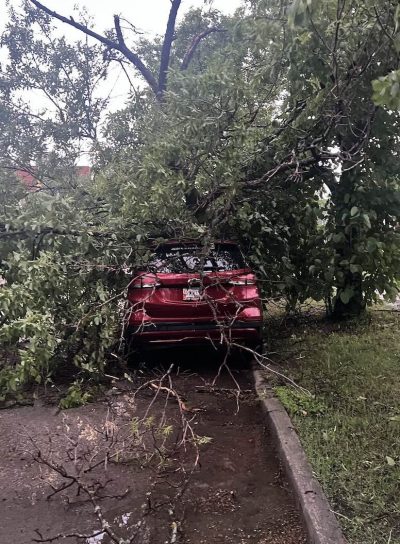
Storm insurance claims could set Manitoba record
6 minute read Preview Friday, Jun. 12, 2026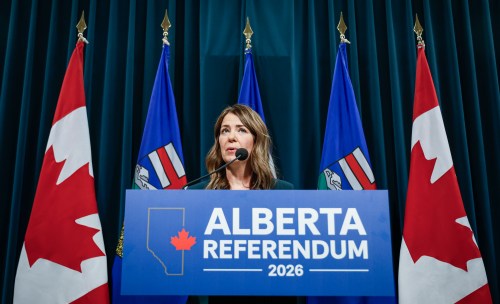
Alberta picks university to cost out separation, panel to assess ahead of referendum
5 minute read Preview Sunday, Jun. 14, 2026
Small grocers embrace Ottawa’s national food security strategy
5 minute read Preview Sunday, Jul. 5, 2026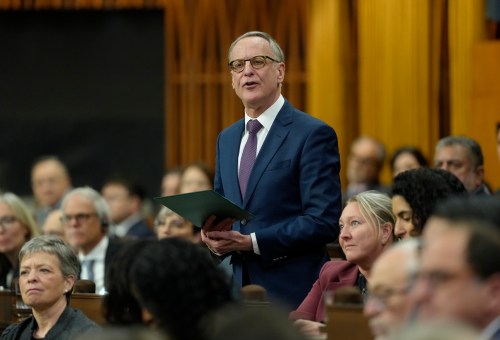
Ottawa moves to tighten rules barring forced labour products from Canada
6 minute read Preview Sunday, Jun. 14, 2026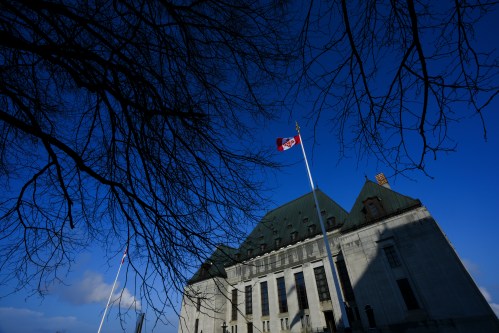
Supreme Court rules New Brunswick lieutenant-governor must be bilingual
4 minute read Preview Sunday, Jul. 5, 2026
Next-generation 911 coming to Manitoba by early 2027
4 minute read Preview Friday, Jun. 12, 2026
First Nation in Manitoba declares state of emergency due to drugs, violence
2 minute read Preview Saturday, Jun. 13, 2026
Tesla loses bid for urgent judicial review of Manitoba’s EV rebate
3 minute read Preview Thursday, Jun. 11, 2026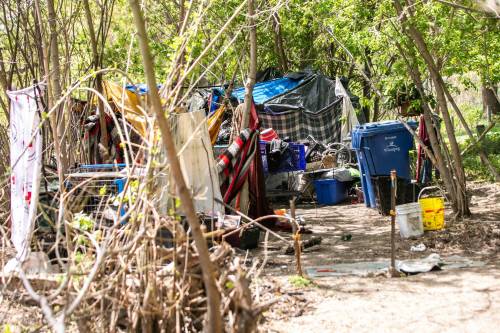
Designated encampment debate returns to city hall
5 minute read Preview Thursday, Jun. 11, 2026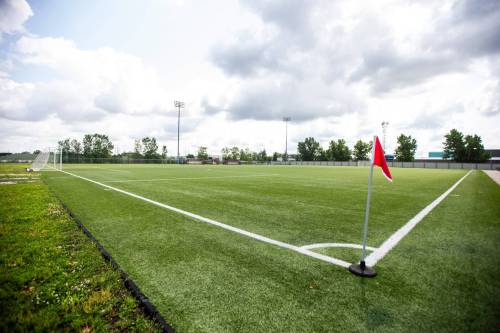
Mayor’s inner circle to consider $600K grant for soccer complex upgrades if city gets women’s pro league team
4 minute read Preview Thursday, Jun. 11, 2026