Identity, Culture and Community
Please review each article prior to use: grade-level applicability and curricular alignment might not be obvious from the headline alone.
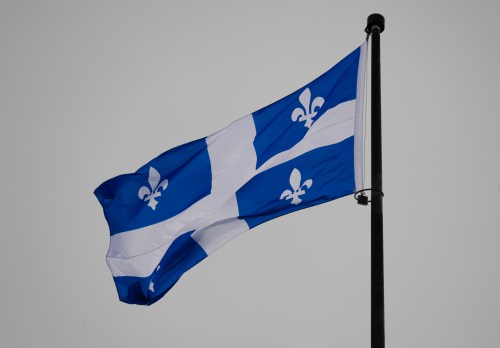
Quebec moves ahead with AI cultural databank project
4 minute read Preview Monday, Jun. 22, 2026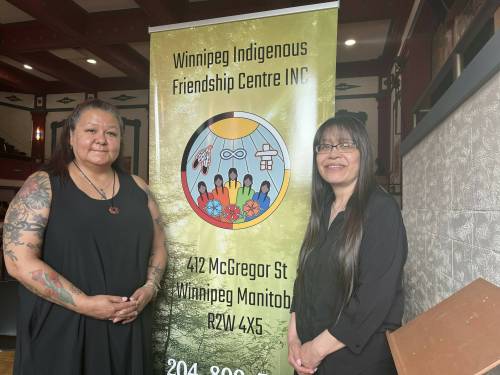
North End puts its best foot forward with Culture Fest
3 minute read Preview Saturday, May. 30, 2026
Religion on census needs a rework, group says
5 minute read Preview Saturday, May. 30, 2026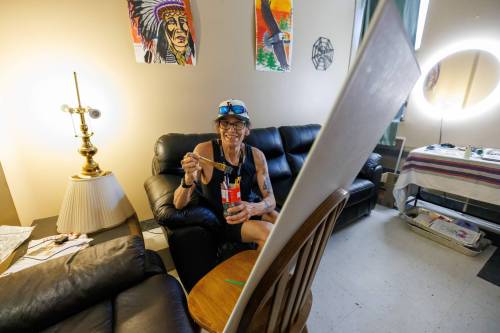
After years of living in encampments, Lawrence is slowly adjusting to life with a roof, instead of a tarp, over his head
7 minute read Preview Friday, May. 29, 2026
Fairmont Hotel in Winnipeg to donate beds, chairs, tables, lamps ahead of renovations
3 minute read Preview Friday, May. 29, 2026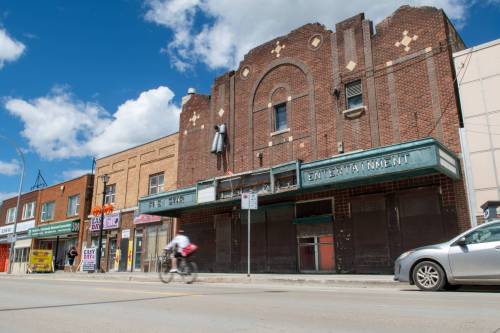
Future of Palace Theatre forming as consultations start
4 minute read Preview Friday, May. 29, 2026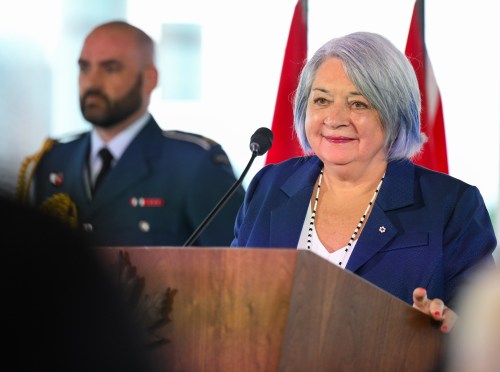
Gov. Gen. Simon launches mental health project for North, Indigenous communities
2 minute read Preview Saturday, May. 30, 2026
Ruling against Aboriginal title on private land is allowed to stand by high court
6 minute read Preview Friday, Jun. 19, 2026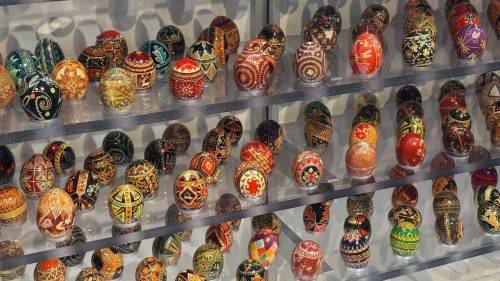
The quiet power — and necessity — of Oseredok
6 minute read Preview Thursday, May. 28, 2026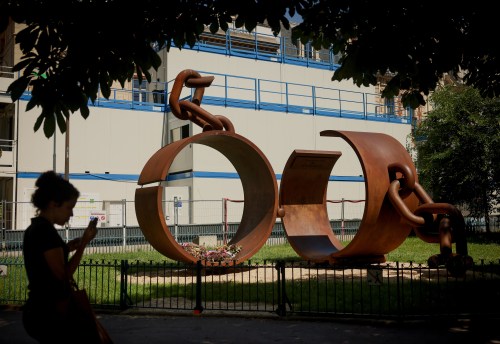
France’s parliament votes to repeal slavery-era Black Code, with tears and history in the chamber
8 minute read Preview Thursday, May. 28, 2026
Hate crimes jump in Winnipeg in 2025
5 minute read Preview Wednesday, May. 27, 2026Manitoba leads in protecting human rights
5 minute read Wednesday, May. 27, 2026It is perhaps little noticed in our province — as we grapple with the cost of living, homelessness and the impending threat of forest fires — that the NDP government of Premier Wab Kinew has emerged as a leading defender of the Charter of Rights and Freedoms, even as the governments of Quebec, Alberta and Saskatchewan are doing their best to weaken it.
Issues of human rights and the role of the Charter were at the forefront of a recent four-day hearing before the Supreme Court of Canada on the legality of Quebec’s secularism law, Bill 21.
The law prohibits public sector employees — including teachers, police officers and government lawyers — from wearing religious symbols such as turbans, crosses, hijabs and yarmulkes while at work. Bill 21 forces religiously observant individuals to choose between their faith and employment in public institutions.
It is a clear violation of Section 2 of the Charter, which guarantees freedom of conscience, religion and association.
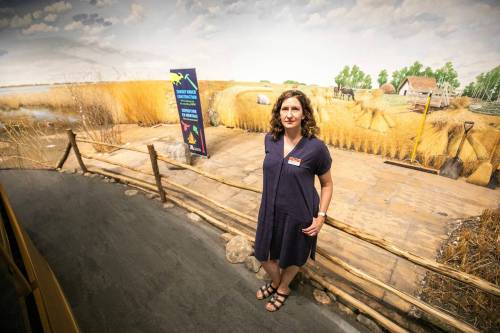
Museum diorama detailing marshland, rye farm decommissioned owing to pest infestation
5 minute read Preview Monday, May. 25, 2026
Carney points to Brexit, warns Alberta separation push could be ‘dangerous bluff’
6 minute read Preview Tuesday, May. 26, 2026Winnipeg families deserve real solutions for drug crisis
6 minute read Monday, May. 25, 2026The recent community gathering regarding Winnipeg’s proposed safe consumption site sparked strong emotions and important conversations.
Many residents expressed concerns about neighbourhood safety, public disorder and what this site could mean for families and businesses in the surrounding community.
Those concerns matter and they deserve to be acknowledged respectfully.
It is also important to recognize that the people who attended the community gathering and voiced concerns are not blind to the drug poisoning crisis affecting Winnipeg and communities across Manitoba.
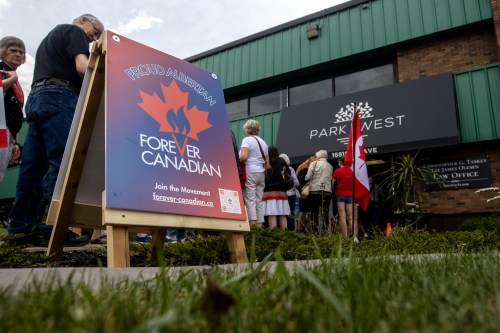
‘This country cannot be broken:’ Campaign to keep Alberta in Canada launches
4 minute read Preview Monday, May. 25, 2026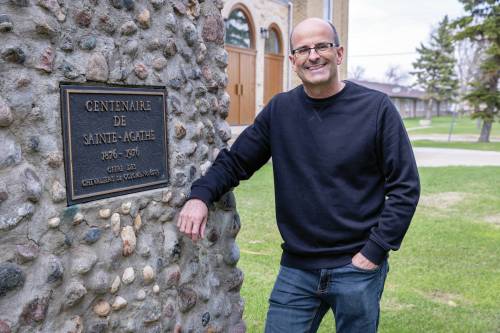
La grande histoire d’un petit village
7 minute read Preview Saturday, May. 23, 2026
Outrage over Northland Tales program hypocritical
5 minute read Preview Friday, May. 22, 2026
Vast marine conservation reserve, bigger than P.E.I., to protect B.C. central coast
4 minute read Preview Saturday, May. 23, 2026
CRTC triples streamers’ financial contributions to Canadian content
4 minute read Preview Friday, Jun. 12, 2026
Her Sports Fest hopes to reconnect women to recreational sports and activity
4 minute read Preview Friday, May. 22, 2026Asian Heritage Month: more than a celebration
4 minute read Thursday, May. 21, 2026May is Asian Heritage Month in Canada. In Manitoba, it is a time to honour the many Asian communities who have shaped this province through culture, labour, leadership, family, food, faith, art, advocacy and public service. Celebration matters. But so do the stories that give celebration its sweetness.
Asian Canadian history is made of many threads.
We remember Chinese labourers who helped build the Canadian Pacific Railway while later facing the Chinese Head Tax and the Chinese Exclusion Act.
We remember the South Asian passengers of the Komagata Maru, denied entry by immigration rules designed to exclude them.
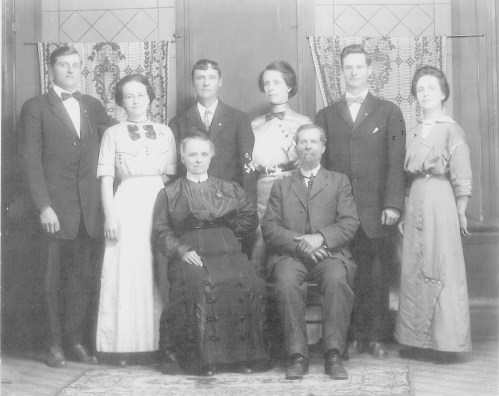
Americans are looking back centuries to find Canadian ancestors — and citizenship
10 minute read Preview Thursday, Jun. 11, 2026