Identity, Culture and Community
Please review each article prior to use: grade-level applicability and curricular alignment might not be obvious from the headline alone.
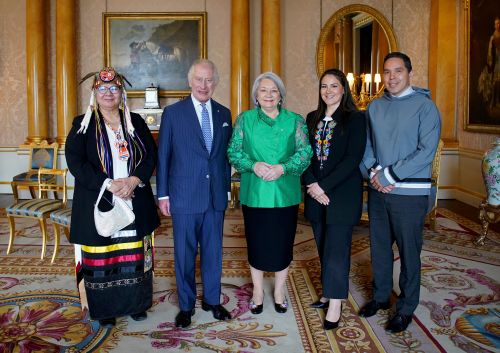
ITK president reflects on Mary Simon’s legacy as first Indigenous Governor General
5 minute read Preview Tuesday, Jun. 30, 2026Fifty years ago this June, Manitoba Hydro destroyed one of the province’s finest lakes, its fourth-largest, when it began operating a newly constructed control structure at Missi Falls, the outlet where Southern Indian Lake flows into the lower Churchill River.
This raised the water level of the lake, creating a reservoir and diverting the flow southward via the Rat and Burntwood River systems to increase power output at its hydroelectric generating stations along the Nelson River.
More than 3,500 km of shorelines on the lake alone were permanently inundated, and along with its adjacent waterways, an area of 840 square kilometres was flooded. The entire Indigenous community of South Indian Lake had to be moved to higher ground to avoid the flooding, and the island community of Nelson House was irreparably harmed.
The Churchill River diversion project had a disastrous effect on the natural environment and the Indigenous people whose subsistence and way of life depended on the lake.

SCO-led app Miikahnah Connect links Indigenous workers to labour demand
5 minute read Preview Thursday, Jun. 4, 2026
Habibiz Café marks First Friday launch of new Exchange District location
4 minute read Preview Thursday, Jun. 4, 2026
Far-flung buddies celebrate four decades of annual golf trips in the city their friendships were forged
5 minute read Preview Thursday, Jun. 4, 2026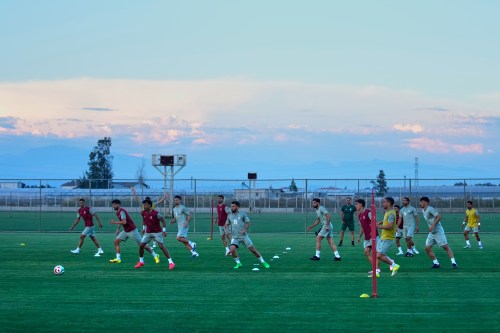
AP exclusive: Iran players describe how the war affects their World Cup preparations
5 minute read Preview Friday, Jun. 5, 2026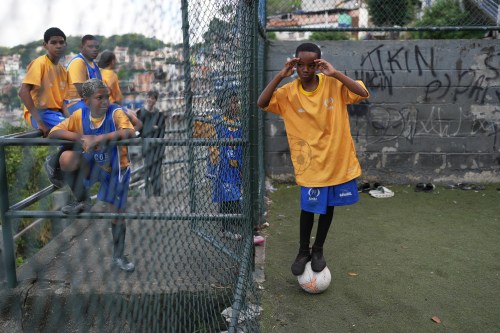
Brazilian players from a Rio de Janeiro favela find hope and opportunities thanks to soccer
4 minute read Preview Friday, Jun. 26, 2026
Early childhood educators discuss First Nations students’ needs
4 minute read Preview Wednesday, Jun. 3, 2026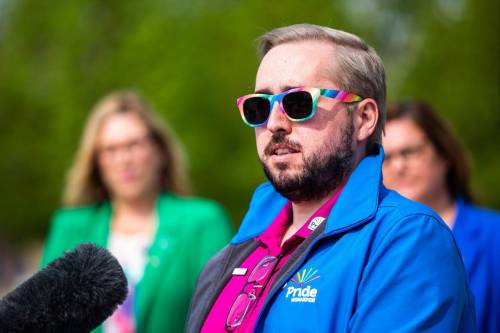
Uniform decision takes military out of Pride march
5 minute read Preview Wednesday, Jun. 3, 2026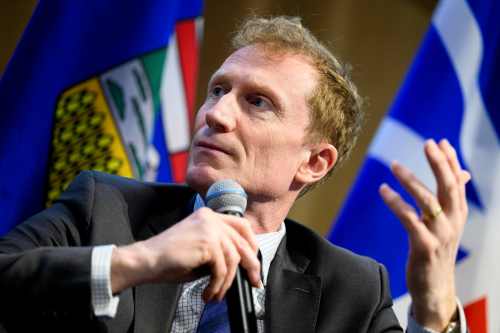
Ottawa tells CRTC to change course on increasing streamers’ financial contributions
7 minute read Preview Thursday, Jun. 4, 2026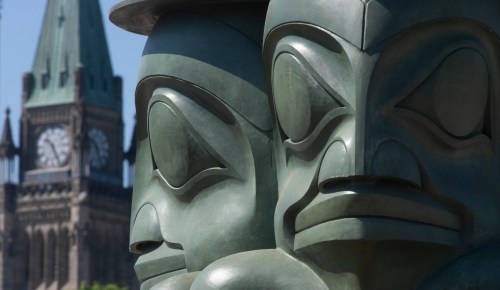
Indigenous speakers, politicians watching audit of languages office closely
6 minute read Preview Wednesday, Jun. 24, 2026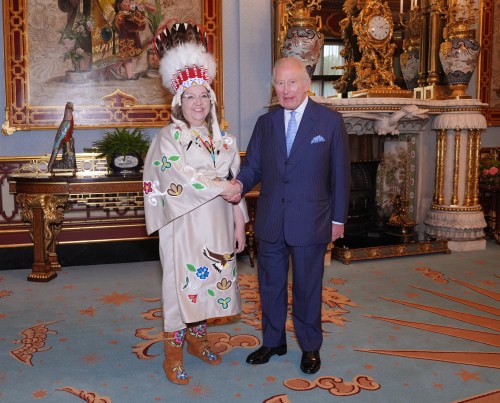
AFN chief rebukes Alberta separation talks in meeting with King Charles
3 minute read Preview Wednesday, Jun. 24, 2026NDP sport bill risks marginalized communities
5 minute read Tuesday, Jun. 2, 2026At a time when, culturally, one of the most popular TV shows is made in Canada, about gay professional hockey players who hide their sexual orientation out of fear of being harmed, the Manitoba NDP government has introduced Bill 41 for underrepresented communities in sport.
It’s admirable that the Manitoba government wants to tackle white heteronormative masculine sport, to make sport safer for under-represented communities at a time when the level of intolerance and hate towards some under-represented groups, notably the LGBTTQ+ community, has increased.
Under the auspices of promoting inclusivity of under-represented groups in sport, the Manitoba government’s Bill 41 — The Promoting Inclusion in Amateur Sport Act — is anti-gay, anti-trans, and anti-hidden marginalization.
Should Bill 41 come into force, it will require all children, youth and adults from under- represented groups, most of whom are recognized as equity-deserving marginalized communities, such as gay and trans, to self-identify; they will be required to come out to provincial sport organizations (PSOs) if they want to participate in organized sport in Manitoba.
Federal poll finds nearly half of Canadians think country takes ‘too many immigrants’
3 minute read Preview Wednesday, Jun. 3, 2026
Doors Open to Winnipeg’s mystery, history
5 minute read Preview Monday, Jun. 1, 2026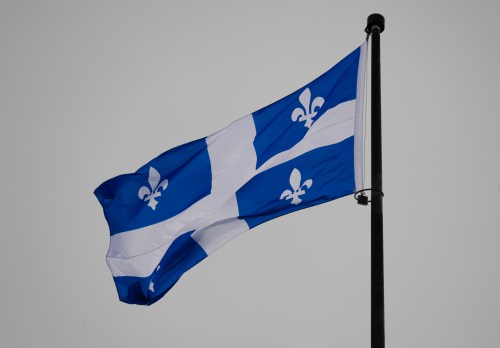
Quebec moves ahead with AI cultural databank project
4 minute read Preview Monday, Jun. 22, 2026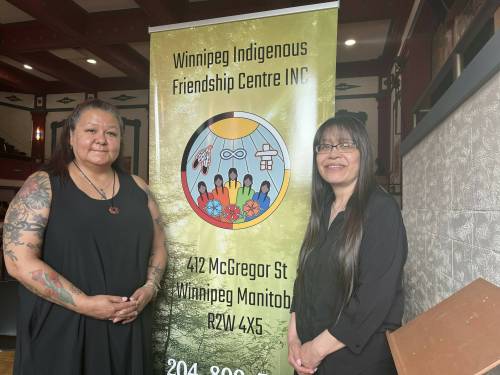
North End puts its best foot forward with Culture Fest
3 minute read Preview Saturday, May. 30, 2026
Religion on census needs a rework, group says
5 minute read Preview Saturday, May. 30, 2026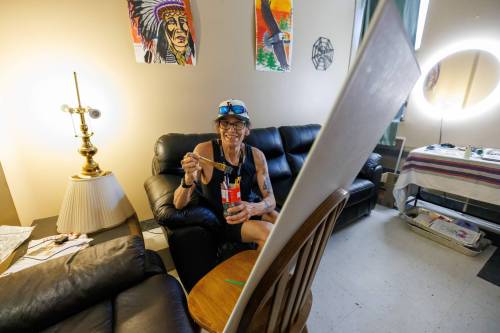
After years of living in encampments, Lawrence is slowly adjusting to life with a roof, instead of a tarp, over his head
7 minute read Preview Friday, May. 29, 2026
Fairmont Hotel in Winnipeg to donate beds, chairs, tables, lamps ahead of renovations
3 minute read Preview Friday, May. 29, 2026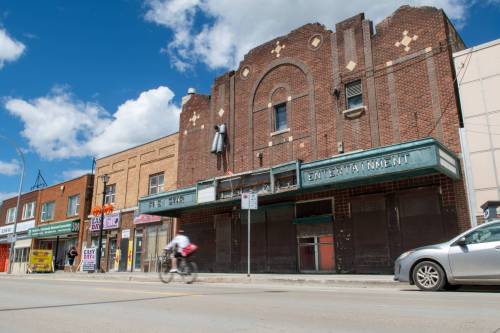
Future of Palace Theatre forming as consultations start
4 minute read Preview Friday, May. 29, 2026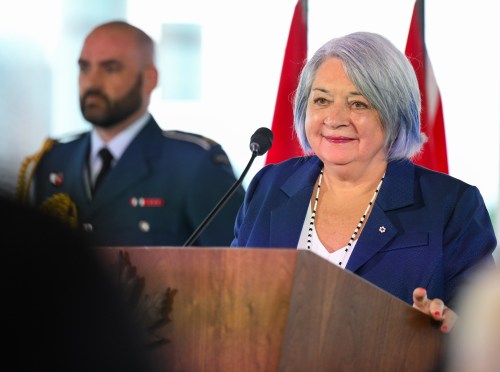
Gov. Gen. Simon launches mental health project for North, Indigenous communities
2 minute read Preview Saturday, May. 30, 2026
Ruling against Aboriginal title on private land is allowed to stand by high court
6 minute read Preview Friday, Jun. 19, 2026