Sustainable Tourism
Please review each article prior to use: grade-level applicability and curricular alignment might not be obvious from the headline alone.

First Nations chiefs in B.C. call on Carney, Smith, to halt pipeline advancement
5 minute read Preview Monday, Aug. 31, 2026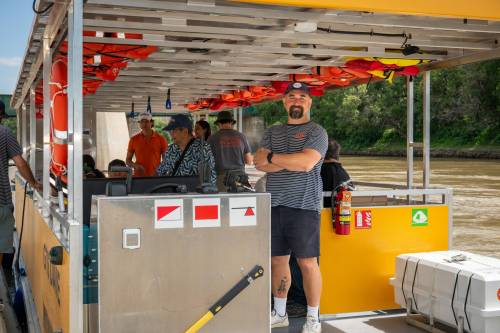
Water-bus service relaunches with bigger boat
4 minute read Preview Wednesday, Aug. 5, 2026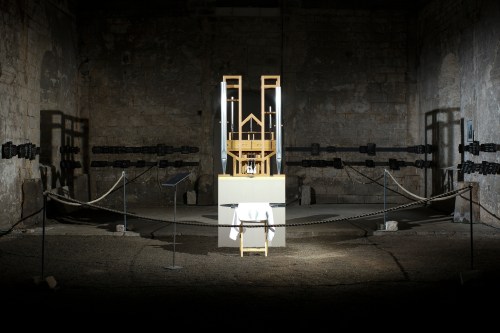
This organ will play one composition until 2640. It’s redefining how slowly music can be played
5 minute read Preview Saturday, Aug. 29, 2026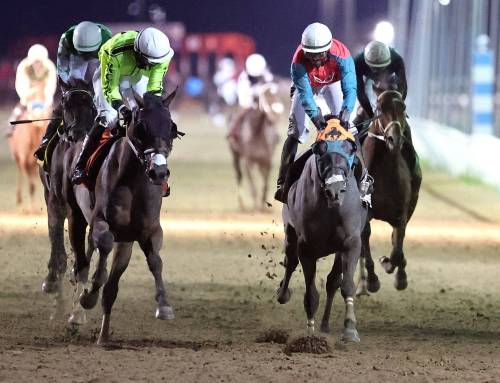
‘Catastrophic’ ending to eventful Manitoba Derby
6 minute read Preview Tuesday, Aug. 4, 2026
Homegrown grub: Resto turns to the Leaf for freshest ingredients
4 minute read Preview Tuesday, Aug. 4, 2026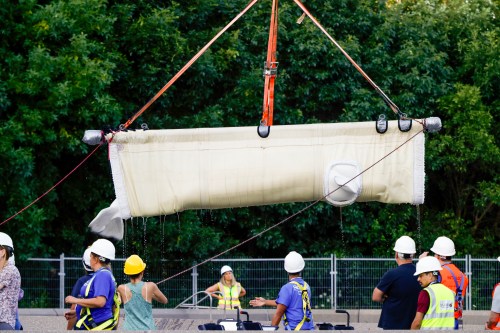
Seven more belugas on the move from Marineland to U.S. aquarium
2 minute read Preview Tuesday, Aug. 4, 2026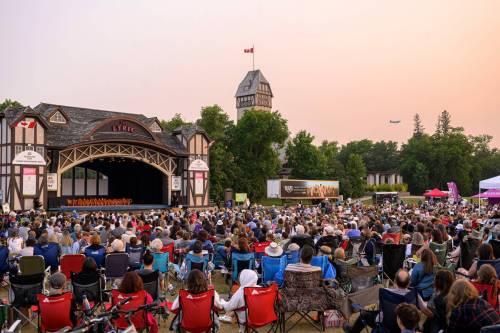
Climate change threatens events we wait for all year
5 minute read Preview Saturday, Aug. 1, 2026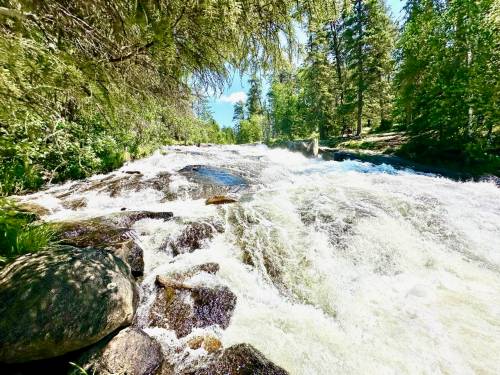
Rushing to Rushing River
5 minute read Preview Saturday, Aug. 1, 2026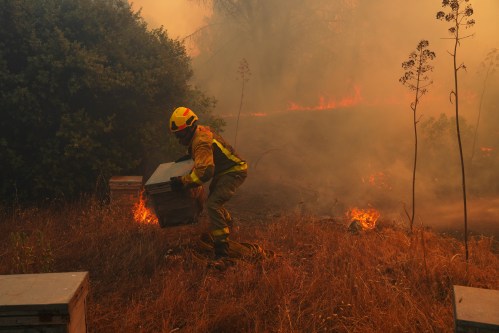
UN, scientists warn that strong El Nino will add fuel to ‘a planet already on fire’
5 minute read Preview Saturday, Aug. 22, 2026
The bountiful harvest: Thousands of visitors flock to St. Norbert Farmers’ Market every Saturday
17 minute read Preview Friday, Jul. 31, 2026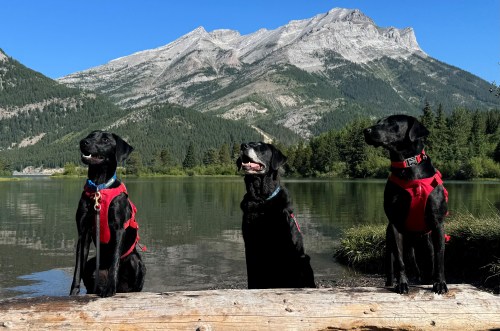
Alberta lets the dogs out, recruits more canine muscle in fight against mussels
3 minute read Preview Saturday, Aug. 22, 2026
Get a little culture: Folklorama celebrates 55 years
5 minute read Preview Friday, Jul. 31, 2026
Some robotaxis approved to operate without steering wheels and losing the brake pedal could be next
5 minute read Preview Sunday, Aug. 2, 2026What are we teaching children at the rodeo?
5 minute read Monday, Jul. 27, 2026Every summer in Manitoba, rodeo season brings thousands of children to local rodeos and the Manitoba Stampede. They arrive with cowboy hats and cotton candy in hand, excitement in their eyes.
Yet, as a mother who works in education, I can’t help but wonder: what are we teaching them in those stands?
Inside classrooms, we teach children that kindness matters. We encourage empathy, discourage bullying and ask students to consider how their actions affect others. Students are taught that animals experience fear, pain and distress, just like us. Yet when school ends, we celebrate events built around chasing, restraining, roping and riding animals for entertainment.
This contradiction is difficult to ignore.
Every conversation about Manitoba’s future seems to arrive at the same place.
We talk about investment, innovation, productivity and skilled labour. We celebrate the strength of our aerospace sector, the opportunities created by the world-class companies, community development corporations and educational institutions that have made Manitoba one of Canada’s aerospace leaders.
These are important conversations, but I have come to believe we are overlooking one of the earliest — and perhaps most important — investments we can make in our future economy.
Where does inspiration begin?

Winnipeg Beach vinyl boutique helps lake-goers get in the groove
9 minute read Preview Friday, Jul. 17, 2026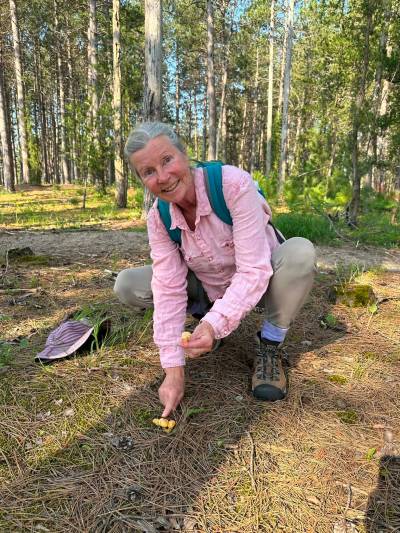
Manitoba documentary focuses lens on environmental defenders, beauty of prairies
4 minute read Preview Thursday, Jul. 16, 2026Twelve metres of museum space
4 minute read Thursday, Jul. 16, 2026It is striking that one of the smallest exhibitions at the Canadian Museum for Human Rights in Winnipeg has generated one of the largest public controversies in the museum’s history. Palestine Uprooted: Nakba Past and Present occupies only about 12 metres within an existing gallery.
Yet it has prompted protests, political statements, passionate public debate and accusations that the museum has somehow abandoned its mission.
This exhibition matters. But I have come to think that the reaction to it matters just as much. It raises a question that reaches well beyond this particular exhibition.
Why has one small gallery space become such a flashpoint?
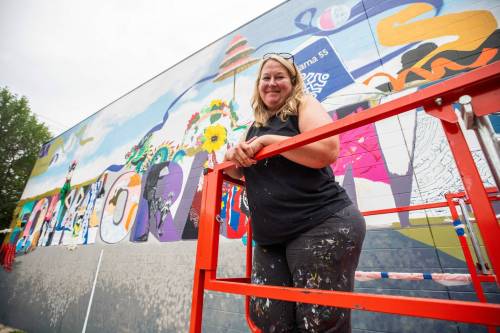
New Folklorama mural rises in Winnipeg’s West End
3 minute read Preview Wednesday, Jul. 15, 2026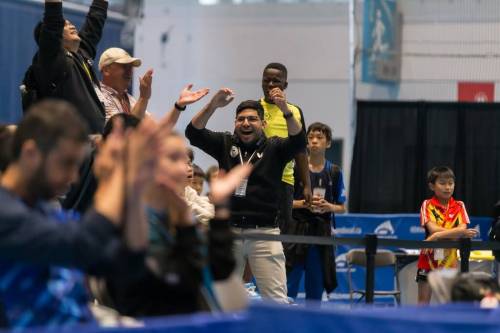
Table tennis nationals return to Winnipeg
4 minute read Preview Wednesday, Jul. 15, 2026
Winnipeg’s first pro women’s team will be in the Northern Super League
8 minute read Preview Tuesday, Jul. 14, 2026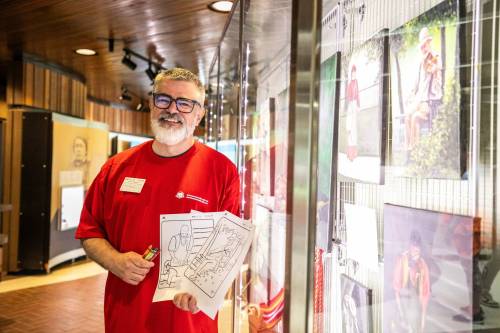
Painter honed art of volunteering at Lower Fort Garry historic site
5 minute read Preview Monday, Jul. 13, 2026
Fort Garry Hotel on Métis federation’s radar
4 minute read Preview Friday, Jul. 10, 2026