
Education and caregiving
Please review each article prior to use: grade-level applicability and curricular alignment might not be obvious from the headline alone.
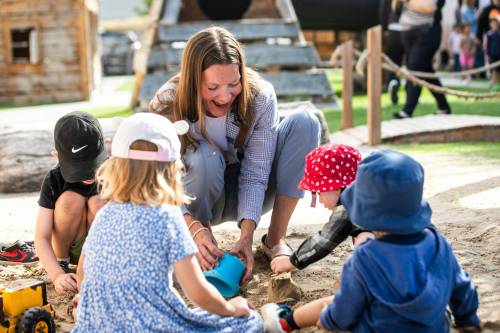
Province announces free daycare for low-income families
3 minute read Preview Wednesday, Sep. 2, 2026Reimagining education in Manitoba
4 minute read Wednesday, Sep. 2, 2026There has been much talk lately about how Manitoba can strengthen its economy and improve its general well-being. Adding a third component to our education system, one that would be equal in funding and recognition to K-12 and post-secondary education, would do just that.
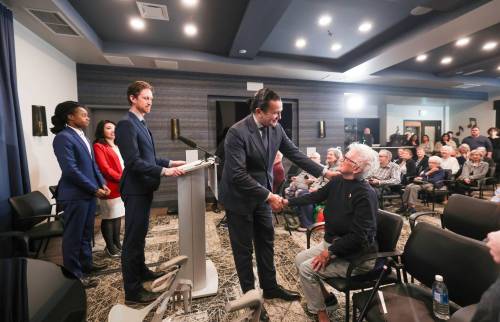
Long-term care best when public
4 minute read Preview Wednesday, Sep. 2, 2026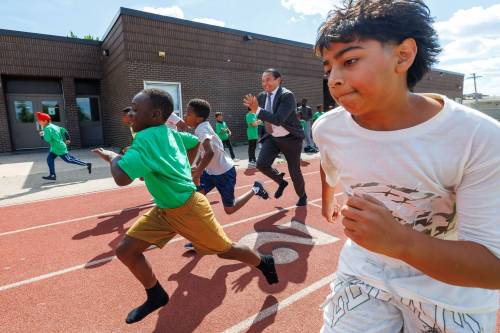
Recognizing the value of phys-ed for kids
6 minute read Preview Tuesday, Sep. 1, 2026Affordable student housing is an education issue
5 minute read Tuesday, Sep. 1, 2026When we talk about barriers to education, what usually comes to mind are tuition, cost of books or access to technology.

Meta reaches landmark $18 billion settlement with states in trial over teen social media addiction
7 minute read Preview Saturday, Aug. 29, 2026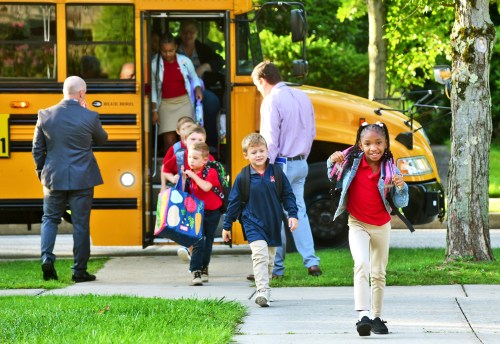
How to reset your child’s sleep schedule for back-to-school season
4 minute read Preview Monday, Aug. 31, 2026
AI literacy course mandatory at U of W Collegiate
5 minute read Preview Tuesday, Aug. 25, 2026‘We need accountability’: foster parents, advocates rally for action at legislature
4 minute read Friday, Aug. 21, 2026Demonstrators rallied at the Manitoba legislature Friday, calling the abuse and death of children in care a “state of emergency.”
“These things continue to happen,” said Donna Dumas, a former foster parent of a child with special needs.
She pointed to the Aug. 9 death of a four-year-old girl in care on Long Plain First Nation. Two of the girl’s sisters, aged one and two, were hospitalized with injuries. The children’s mother, who was at Friday’s rally, previously told the Free Press she was working to get her kids back in her care after they were apprehended in October 2025.
Family reunification advocate Cheryl Wozniak said the NDP government was expected to help return children to their families.
Build the resources to help children with speech
6 minute read Thursday, Aug. 20, 2026Imagine your daughter says her first word later than her friends do. You wait, hoping she will catch up. By age three, she still is not putting words together the way other kids her age are. Your doctor refers you to a speech-language pathologist. You expect a call within a few weeks.
Instead, you wait. Six months. A year. Two years.
By the time your daughter is finally seen, she is heading into kindergarten. She still struggles to tell her teacher she needs the bathroom. She still cannot explain when something hurts. She still cannot join in the games her classmates play, because those games need more words than she has.
As a parent, your anxiety grows, the frustration leading to sleepless nights worrying about how your child’s life will be impacted by this lack of support. The rest of your family and circle of friends is deeply affected by this potential crisis, they can see you struggling, you feel the stain of stigma attaching itself to your precious daughter. Where can you turn to help your child?
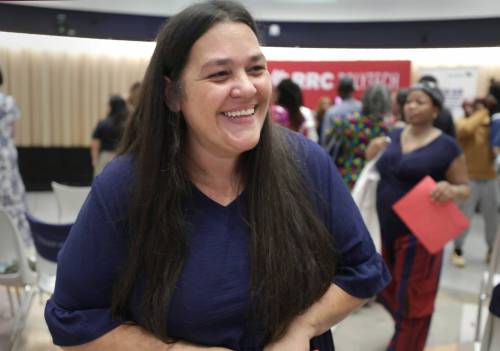
RRC shelter support worker program grads seek to make difference in lives of province’s most vulnerable
4 minute read Preview Tuesday, Aug. 18, 2026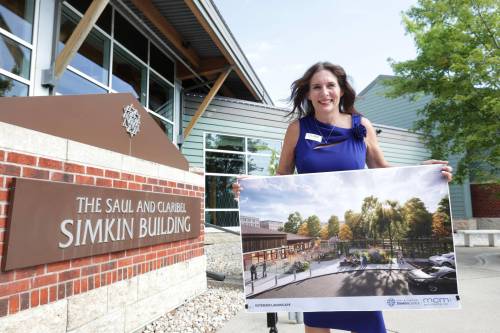
Daycare, family centre addition will turn care home into intergenerational community hub
4 minute read Preview Monday, Aug. 17, 2026
Coalition dismayed after U of M decides not to establish master’s in speech-language pathology
5 minute read Preview Friday, Aug. 14, 2026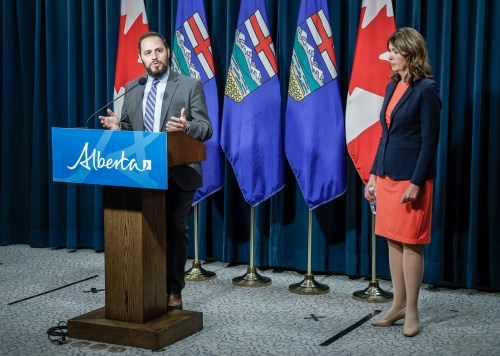
Alberta delaying new restrictions on flags in schools, national anthem mandate
3 minute read Preview Saturday, Aug. 15, 2026
France’s top court blocks under-15 social media ban, citing constitutional freedoms
2 minute read Preview Saturday, Aug. 15, 2026In an era of technological access and sheer speed of knowledge transfer, ascertaining “truth” should theoretically be conducted with ease. After all, knowledge has become instantaneously available to us at the mere click of a button.
And yet, deciphering the truth has perhaps never been so indiscernible, contradictory and politicized. For a multiplicity of reasons, learning the truth may be perceptively inconvenient, uncomfortable or even threatening.
Through generating knowledge and new understandings of the world, our most cherished world views may be challenged, potentially uprooting our entire identities and belief systems.
Consequently, being confronted with the truth may yield a myriad of defensive responses, as many of us are simply unwilling to accept such unpleasant realities.
Meeting the needs of disabled Indigenous children
5 minute read Tuesday, Aug. 4, 2026Navigating Manitoba’s disability services is difficult under the best circumstances.
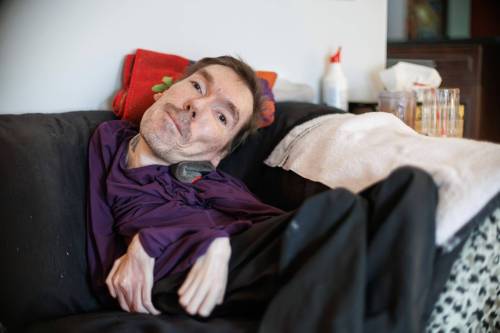
Gaps in homecare leave Winnipeg man in perilous situation
4 minute read Preview Wednesday, Jul. 29, 2026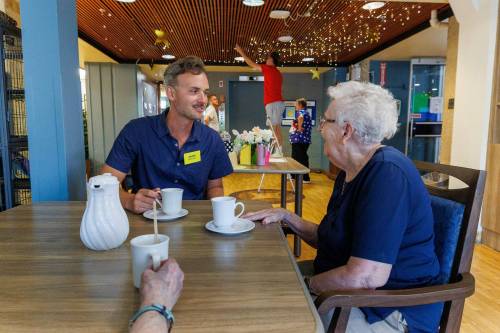
Long-held core values of openness, inclusion, empathy set Convalescent Home apart from the personal care home pack
19 minute read Preview Thursday, Jul. 16, 2026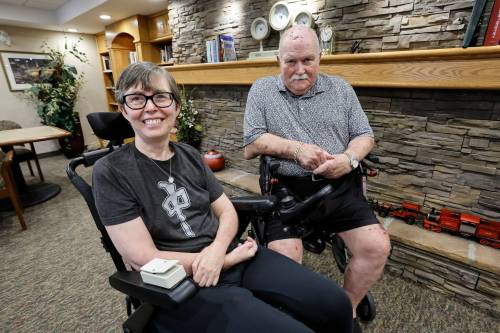
Home residents turn to agency after operator lays off 70 staff who unionized
4 minute read Preview Wednesday, Jul. 15, 2026
Province has ‘serious concerns’ with Winnipeg personal care home
5 minute read Preview Friday, Jul. 10, 2026Ready or not: youth aging out of care
5 minute read Friday, Jul. 10, 2026Youth in care face the same pressures as other young people their age, except they navigate those transitions without stable family relationships, financial resources or informal support.
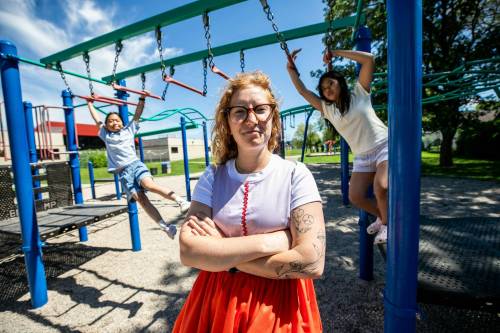
Play for all: story time inspires students to fight for accessible playgrounds
5 minute read Preview Wednesday, Jul. 8, 2026We know who is at risk, but we wait anyway
4 minute read Friday, Jul. 3, 2026Children with disabilities are experiencing a mental health crisis and Manitoba’s systems are waiting for them to really struggle before they respond.
Across Canada, children with disabilities experience far higher rates of mental health challenges than their peers. Nearly three-quarters of children and youth with disabilities experience elevated mental health challenges. More than one-third score in the “very high” mental health difficulty category, a rate nearly 10 times higher than among children without disabilities.
Between 30 to 50 per cent of children with neurodevelopmental disabilities are diagnosed with mental health conditions, compared to eight to 18 per cent among typically developing children. This includes children with autism, ADHD, FASD, intellectual disabilities, learning disabilities and communication disorders.
Children who struggle with communication, sensory regulation, mobility, executive functioning, or social interaction are often excluded long before systems recognize the emotional consequences of that exclusion. Loneliness and exclusion are not side issues — they are public health issues for children with disabilities.