Education and caregiving
Please review each article prior to use: grade-level applicability and curricular alignment might not be obvious from the headline alone.
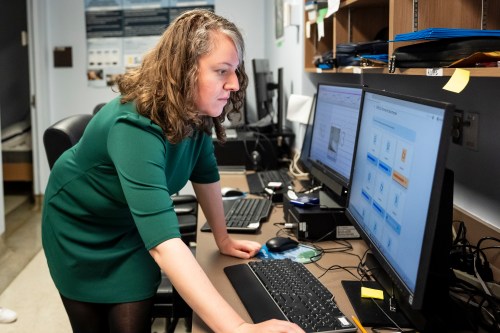
Online therapy developed in Montreal helps seniors sleep better, study finds
4 minute read Preview Tuesday, Jun. 30, 2026
Quebec health minister tables bill banning energy drink sales to youth under 16
4 minute read Preview Monday, Jun. 29, 2026
Louis Riel School Division embraces AI agents of change
5 minute read Preview Friday, Jun. 5, 2026Meet students where they are
5 minute read Friday, Jun. 5, 2026Learning disabilities are invisible, lifelong and widely misunderstood.
They are neurological conditions that affect how we process information and engage with the world around us. Dyslexia affects reading, dysgraphia impacts writing and dyscalculia affects math. Others struggle with executive functioning, affecting memory, attention, planning and organization.
Because they are not easily seen, learning disabilities can be overlooked or misinterpreted.
Many children with learning disabilities learn to cope. They work harder, stay up later, and find ways to get by. Some mask their difficulties so effectively that they appear to be OK until their efforts take more than they can give and can no longer be sustained. Those children are often left to struggle before they are understood, and support only arrives after the impact has taken hold.
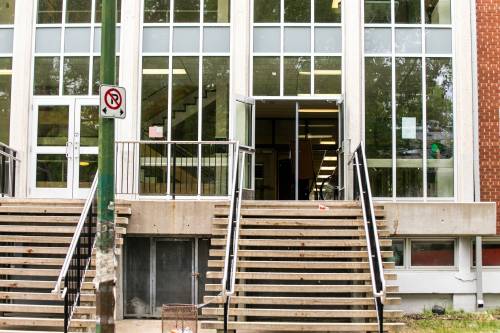
Teaching, learning are unrealistic expectations in intolerably hot classrooms
5 minute read Preview Thursday, Jun. 4, 2026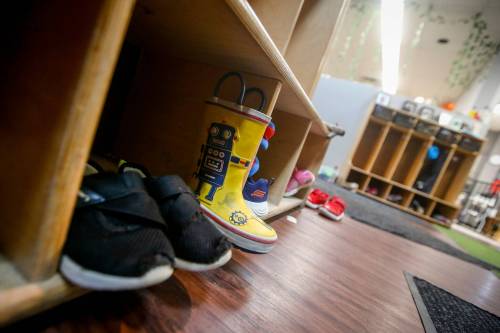
Early childhood educators discuss First Nations students’ needs
4 minute read Preview Wednesday, Jun. 3, 2026
Heat wave leaves schools sweltering
5 minute read Preview Wednesday, Jun. 3, 2026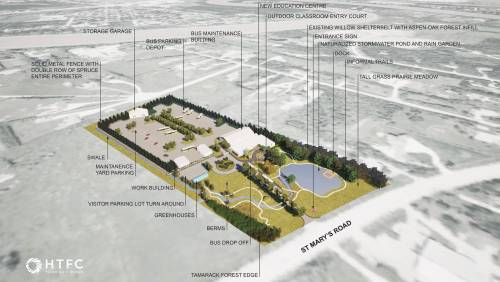
Division unveils plans for transport and learning hub south of Perimeter
4 minute read Preview Tuesday, Jun. 2, 2026Student absenteeism — attribution and action
4 minute read Tuesday, Jun. 2, 2026A “wicked problem” is how Winnipeg School Division chief superintendent Matt Henderson described student absenteeism (Manitoba summit to explore solutions to chronic truancy, April 20).
So did Jess Whitley, an expert interviewee from the University of Ottawa on CBC’s The Current and an author of “The Current State of School Attendance Research and Data in Canada” in the journal Educational Science, explaining that “…very little is known about how it is defined and conceptualized and about its prevalence and trends over time, its impact on various communities, its influential and manipulable predictors or the efficacy of the range of prevention and intervention approaches that no doubt exist in many school boards.”
An example is something as simple as characterizing an absence as being sanctioned or not, excused or not, or school-related or not.
Here we are, then, after decades of good aspirations, sentiments, symposia, initiatives and new and highlighted laws and regulations.
Impulsive kids easy prey for addictive-by-design content
5 minute read Preview Friday, May. 29, 2026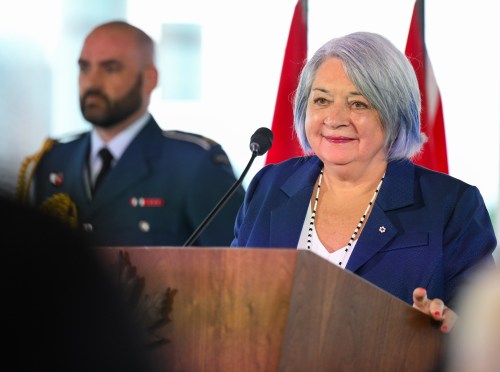
Gov. Gen. Simon launches mental health project for North, Indigenous communities
2 minute read Preview Saturday, May. 30, 2026
Winnipeg author explores a child’s grief in latest picture book
4 minute read Preview Thursday, May. 28, 2026
Chinese online retailer Temu hit with $232 million fine over unsafe toys and electronics
3 minute read Preview Thursday, Jun. 18, 2026
The Minneapolis immigration crackdown ended months ago. For these little kids, trauma remains
7 minute read Preview Thursday, Jun. 18, 2026
System to address violence in schools a no-brainer
5 minute read Preview Tuesday, May. 26, 2026
You should be dancing, yeah. Moving to music offers all kinds of benefits as you age
5 minute read Preview Tuesday, Jun. 2, 2026Parents seek clarity over school-day sunburns
5 minute read Tuesday, May. 26, 2026Fort Richmond neighbourhood families are calling for better school communication and sun protection practices after children suffered burns Friday during an emergency-prompted day of outdoor learning.
Typical routines at École St. Avila were upended last week, when the building was vacated two mornings in a row because of a suspected gas leak.
“There were a lot more questions than answers,” said Christie McKechnie-Lamy, a mother of a student at the kindergarten-to-Grade 6 school.
The multi-day saga began on Thursday, when, as McKechnie-Lamy would later learn, her nine-year-old heard a “boom” that sounded as if someone had fallen down a staircase.
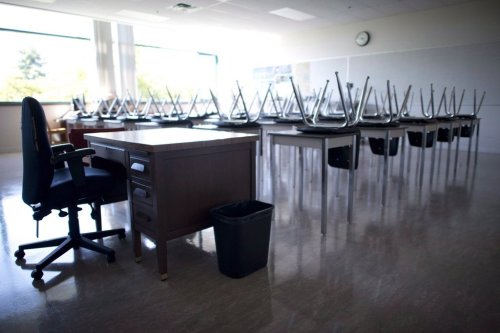
Combat in the classroom: Many Manitoba public school teachers are concerned violence is making their jobs more difficult
9 minute read Preview Friday, May. 22, 2026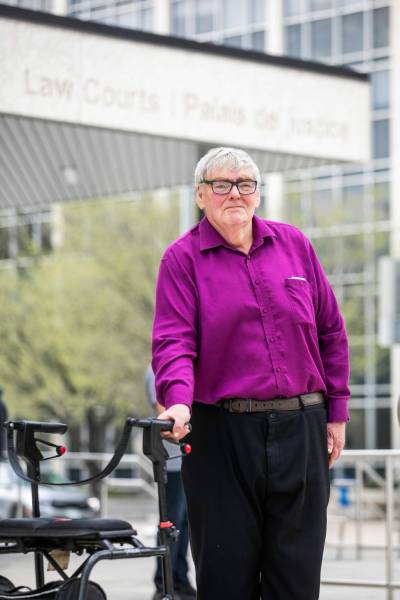
Judge to determine if dismissal of man’s filing against police was unreasonable
5 minute read Preview Monday, Jun. 22, 2026
Louis Riel division hires province’s first Indigenous woman superintendent
4 minute read Preview Wednesday, May. 20, 2026
Premier has everyone’s attention on and about social media; now it’s time for some careful thought
5 minute read Preview Wednesday, May. 20, 2026
Music as therapy — singing through tears
5 minute read Preview Wednesday, May. 20, 2026It takes a village to raise — and educate — a child
6 minute read Tuesday, May. 19, 2026The oft-quoted saying, “it takes a village to raise a child,” resembles an African proverb. In the Yoruba language, the saying goes “two eyes birth a child, but 200 eyes raise it.”
Over the past several decades, that saying has come to mean something entirely different from what villagers meant, in Africa and in the small town where I grew up. The saying meant two, equally important things. It meant the community has a stake in ensuring that children are properly cared for, but the saying also meant that children must be taught and understand their obligations to the community at large.
The 200 eyes raising the child in the village did not look away when the parents or a child failed to observe community standards. When a child disrespected someone in the community, they were corrected. The village had a clear code of conduct that governed what was expected behaviour. These mores, or societal expectations, were understood and enforced by both parents and community members.
Everyone needs to understand their society’s written and unwritten rules. It is our obligation to teach our children the expectations we have of each other.