Farmer’s YouTube videos about bees creating a buzz

Advertisement
Read this article for free:
or
Already have an account? Log in here »
To continue reading, please subscribe:

Digital Subscription
One year of digital access for only $205*
- Enjoy unlimited reading on winnipegfreepress.com
- Read the E-Edition, our digital replica newspaper
- Access News Break, our award-winning app
- Play interactive puzzles
*First annual payment billed as $205.00 + GST for one year. This annual subscription will automatically renew at $233.00 + GST every 52 weeks (10% off the regular annual price of $259.35). Offer available to new and qualified returning subscribers only. Cancel any time.
To continue reading, please subscribe:
Add Free Press access to your Brandon Sun subscription for only an additional
$1 for the first 4 weeks*
- Enjoy unlimited reading on winnipegfreepress.com
- Read the E-Edition, our digital replica newspaper
- Access News Break, our award-winning app
- Play interactive puzzles
*Your next Brandon Sun subscription payment will increase by $1.00 and you will be charged $17.95 plus GST for four weeks. After four weeks, your payment will increase to $24.95 plus GST every four weeks.
Read unlimited articles for free today:
or
Already have an account? Log in here »
Hey there, time traveller!
This article was published 20/05/2025 (498 days ago), so information in it may no longer be current.
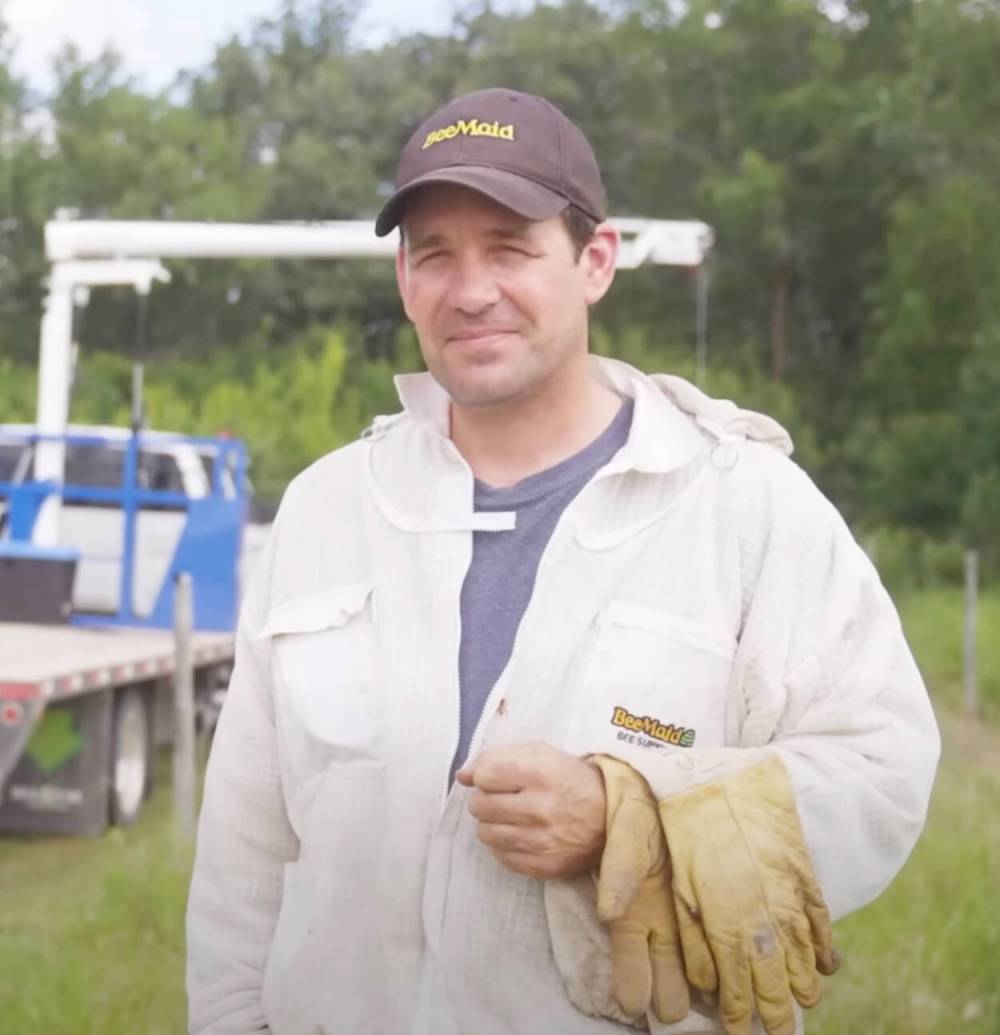
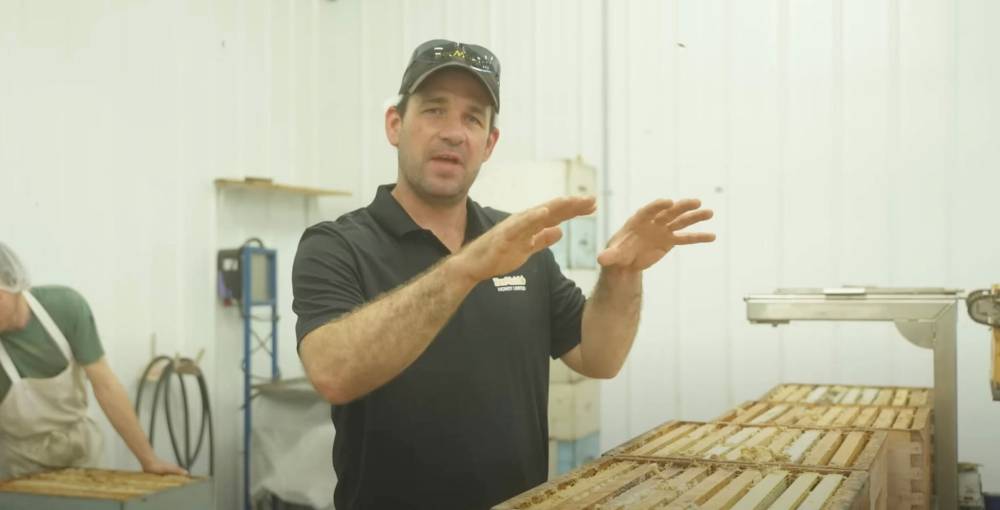
Ian Steppler’s herd of honeybees has grown from four to 1,500 hives over the last 25 years.
A third-generation farmer, he became interested in beekeeping after taking a course at the University of Manitoba while pursuing a diploma in agriculture.
Honey initially seemed like a good way to add a new revenue stream to the family grain and cattle operation near Miami; instead, bees have changed Steppler’s entire worldview — from the way he and his brothers manage their land to his feelings about public speaking.
Self-described as a “very shy guy,” Steppler inadvertently started a YouTube channel about beekeeping to prepare for a conference speaking gig he had been coaxed into.
“I was terrified to speak in front of people, so I picked up my phone and I videotaped myself speaking to see what I sounded like, and to be honest, I was absolutely horrified. It took me five videos talking about bees before I was actually comfortable with it,” he says.
Steppler, 45, took a leap and posted the video to YouTube. Seven years later, @aCanadianBeekeepersBlog has nearly 92,000 subscribers and has become a space for bee farmers around the world to connect and commiserate over things such as mite infestations and seasonal hive maintenance.
He has also become a leader in the local bee farming industry as the chairperson of the Manitoba Beekeepers’ Association — a group representing 1,000 bee farmers, who produce nearly 20 million pounds of honey annually across 115,000 colonies.
Today, on World Bee Day, Steppler shares some of his favourite things about apiculture and the humble honeybee.
● ● ●
Free Press: What’s your favourite thing about beekeeping?
Ian Steppler: I love the way the honeybee has connected me to the natural world. Our farm has always been very involved in conservation and preserving the landscape and managing our lands properly, but we had never really considered the preservation of biodiversity. That’s what the bees have done for our farm. It has made us appreciate how important it is to preserve natural growth. What my brother, who’s a grain farmer, calls weeds, I call bee food.
FP: How do your bees benefit from or contribute to the rest of your farming operation?
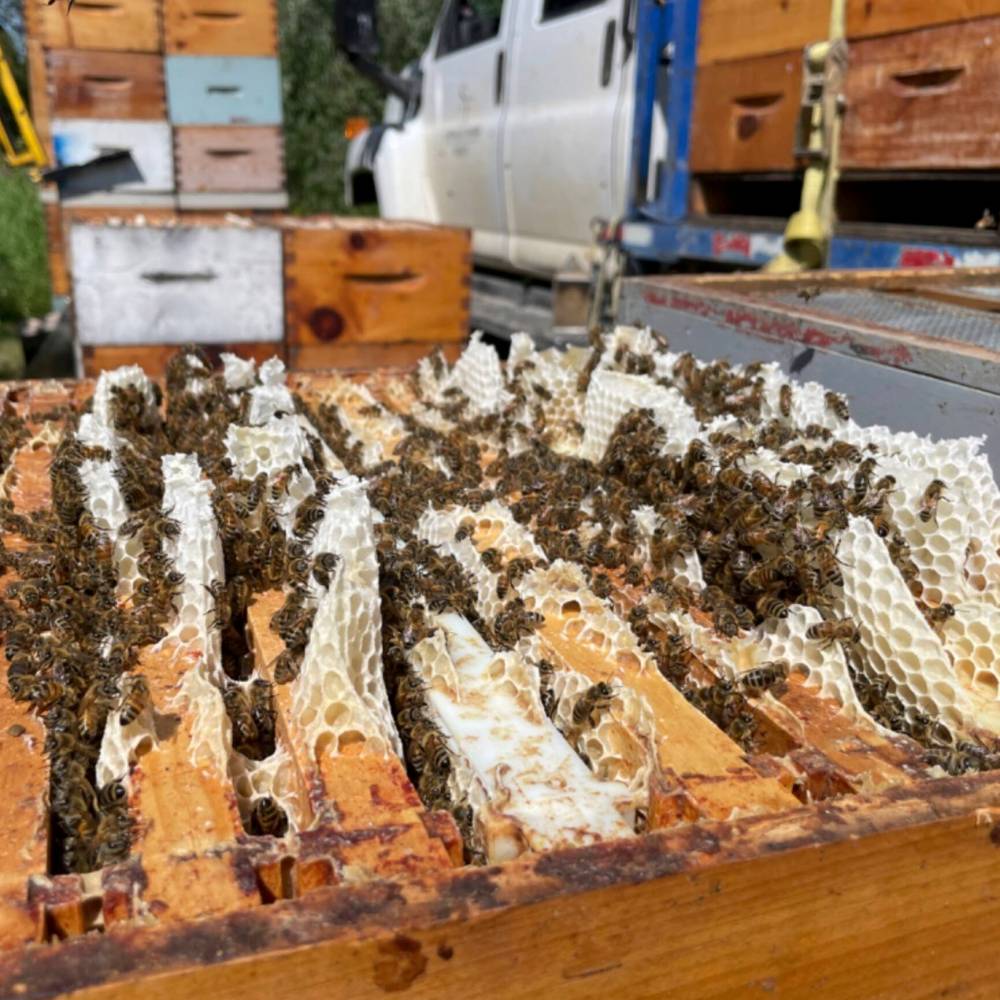
IS: We grow canola, alfalfa and sunflowers, and the pollination that the crops get from my honeybees will increase the yield to a certain degree. And with the bees, I can capitalize on this huge abundance of nectar from these crops. So it works quite well.
FP: What role do bee farms play in the wider agriculture industry?
IS: We’re this obscure little industry stuck between development and the natural world, and I think we’re an important piece of the puzzle in trying to bring both groups together. As beekeepers, we need development to be able to harvest massive crops of honey, but at the same time we need that natural world to keep the bees fed.
FP: How much honey do you produce and where does it end up?
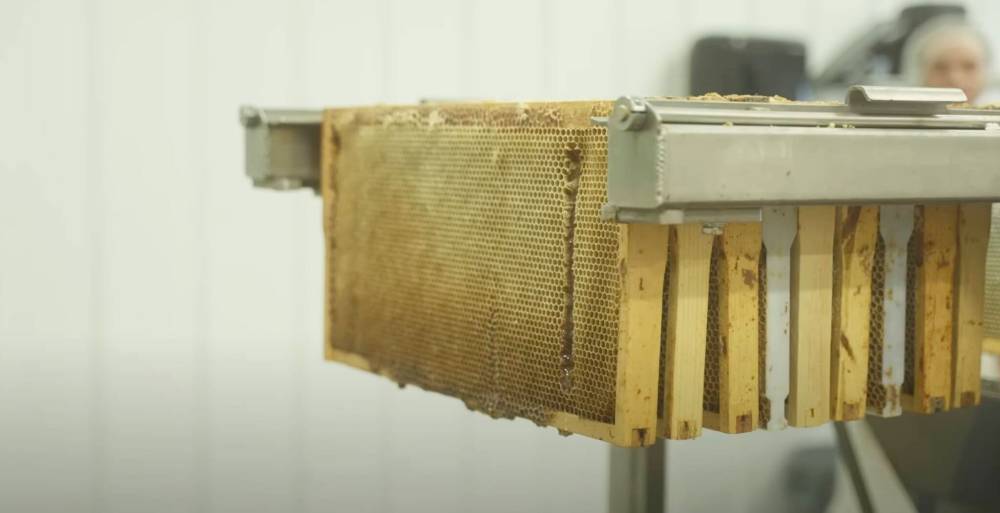
IS: I produce 350,000 pounds of honey per year. I sell it to Bee Maid Honey and they prepare it and sell it to markets across Canada, the United States, Japan and other places in the world. Bee Maid is a co-operative and we have about 350 beekeepers who are members across Western Canada.
FP: What’s your favourite way to use honey at home?
IS: I have a spoonful of honey in every cup of coffee. And my wife cooks and bakes with honey; we’ve cut back on our table sugar and it makes for a really nice sweetener.
FP: Why do you share about beekeeping online?
IS: Beekeeping is this small little world. YouTube and social media has helped connect beekeepers all over the world and grow this community. It helps broaden my perspective on the management of my craft.
I think one of the reasons beekeepers have gravitated to watching my YouTube channel is because I share what I’m doing, the issues I’m encountering and how we’re trying to overcome some of these challenges. There’s a sense of familiarity and honesty.
FP: What are some of the biggest threats facing bees right now?
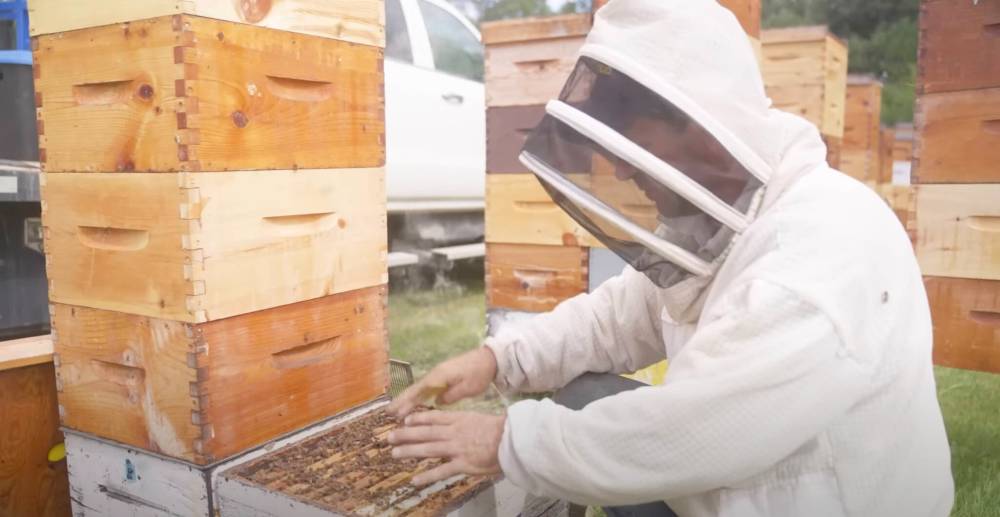
IS: Pests, specifically the varroa mite. It latches onto the honeybee and it makes them sick by injecting a virus. It’s sickening them, it’s killing them and it’s something we’re having a lot of trouble controlling.

Another problem is the lack of biodiversity across the countryside. We’re starting to lose natural aspects of our landscape because of development and the way we manage our lands. Without the biodiversity of all those flowering plants, our bees are becoming malnourished.
FP: What can the public do to help bees?
IS: Plants need pollination to be able to set seeds and having bees and other native pollinators flying around is very important. If you want to help, focus your efforts on preserving biodiversity within your community — specifically growing a variety of plants that will help feed the bees. All these small efforts contribute to a big outcome.
What’s good for honeybees is good for natural pollinators. If we can have more flowers around and more diverse growth and manage our landscape a little bit differently, I think we can have a healthier environment overall.
eva.wasney@winnipegfreepress.com
Eva Wasney covers environmental issues in Manitoba for The Narwhal in partnership with the Winnipeg Free Press. Read more about Eva.
Every piece of reporting Eva produces is reviewed by an editing team before it is posted online or published in print — part of the Free Press‘s tradition, since 1872, of producing reliable independent journalism. Read more about Free Press’s history and mandate, and learn how our newsroom operates.
Our newsroom depends on a growing audience of readers to power our journalism. If you are not a paid reader, please consider becoming a subscriber.
Our newsroom depends on its audience of readers to power our journalism. Thank you for your support.
Eva Wasney covers environmental issues in Manitoba for The Narwhal in partnership with the Winnipeg Free Press. Read more about Eva.
Every piece of reporting Eva produces is reviewed by an editing team before it is posted online or published in print — part of the Free Press‘s tradition, since 1872, of producing reliable independent journalism. Read more about Free Press’s history and mandate, and learn how our newsroom operates.
Our newsroom depends on a growing audience of readers to power our journalism. If you are not a paid reader, please consider becoming a subscriber.
Our newsroom depends on its audience of readers to power our journalism. Thank you for your support.
Related Articles
On 'World Bee Day,' the bees did not seem bothered. They should be
Advertisement Advertise With Us
Advertisement Advertise With Us