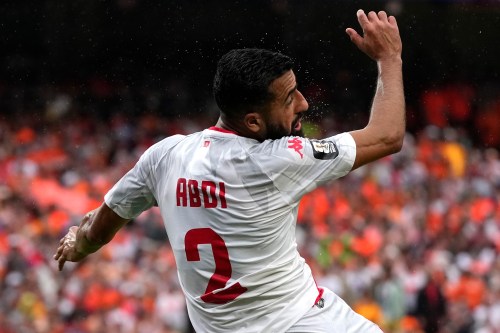
A heat dome will engulf World Cup games in the eastern US this week. Here’s what to expect
Advertisement
Read this article for free:
or
Already have an account? Log in here »
To continue reading, please subscribe:

Digital Subscription
One year of digital access for only $205*
- Enjoy unlimited reading on winnipegfreepress.com
- Read the E-Edition, our digital replica newspaper
- Access News Break, our award-winning app
- Play interactive puzzles
*First annual payment billed as $205.00 + GST for one year. This annual subscription will automatically renew at $233.00 + GST every 52 weeks (10% off the regular annual price of $259.35). Offer available to new and qualified returning subscribers only. Cancel any time.
To continue reading, please subscribe:
Add Free Press access to your Brandon Sun subscription for only an additional
$1 for the first 4 weeks*
- Enjoy unlimited reading on winnipegfreepress.com
- Read the E-Edition, our digital replica newspaper
- Access News Break, our award-winning app
- Play interactive puzzles
*Your next Brandon Sun subscription payment will increase by $1.00 and you will be charged $17.95 plus GST for four weeks. After four weeks, your payment will increase to $24.95 plus GST every four weeks.
Read unlimited articles for free today:
or
Already have an account? Log in here »
LOS ANGELES (AP) — A summer World Cup in the United States was bound to be affected by heat, but temperatures for some of this week’s knockout round games could prove dangerous for players and fans.
A threatening heat dome will engulf the central and eastern U.S. this week with heat index temperatures — which combine air temperature with humidity — soaring into the triple-digits in some areas. Conditions will bring above-average temperatures to World Cup host cities such as Boston, Philadelphia and Kansas City, Missouri, all of which have open-air stadiums.
“This week is going to be very, very hot,” said Geoff Cornish, assistant chief video meteorologist for the weather forecasting company AccuWeather. “This is going be a significant heat wave, the likes of which we don’t see in every single year.”
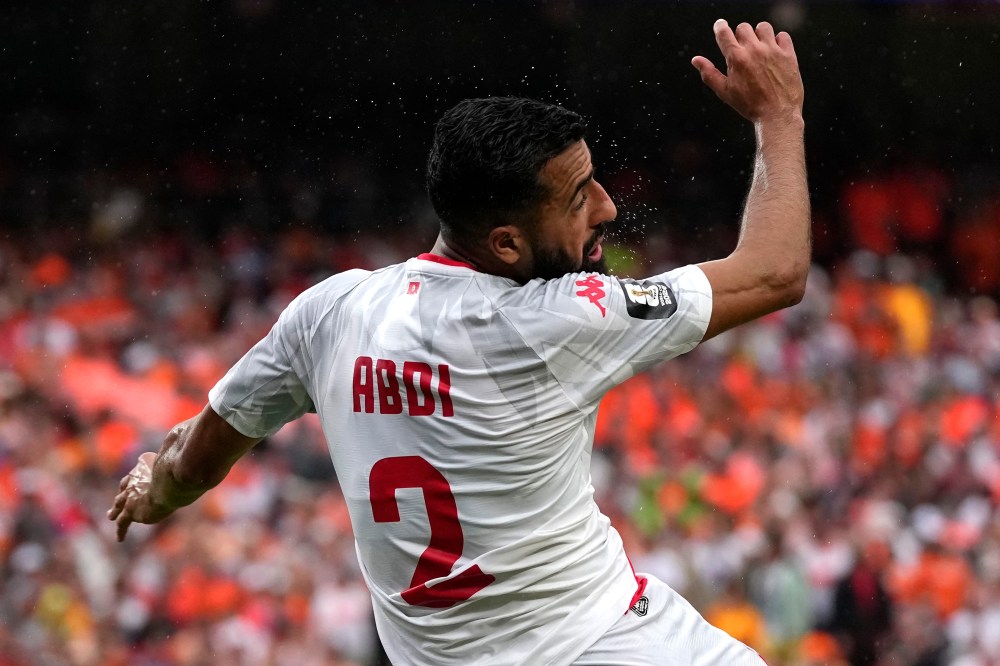
Concerns about extreme heat during the games taking place in the U.S., Canada and Mexico have been mounting for months. Worsening climate change, caused by burning oil, gas and coal, is fueling dangerous heat across the globe. In the U.S., heat kills more people every year than all other weather-related events, including hurricanes, flooding and tornadoes, according to the National Oceanic and Atmospheric Administration.
Here’s a preview of how hot it will get, how cities, stadiums and FIFA prepared for this threat, and how to stay cool.
How hot will it get this week?
The National Weather Service issued an extreme heat watch for Philadelphia and surrounding regions starting Wednesday afternoon and into Saturday evening, with dangerously hot “feels-like” temperatures, another term for the heat index, up to 110 F (43.3 C) during the daytime. As a result, FIFA’s Fan Festival in Philadelphia is shifting its hours this week, including Saturday’s watch party, which will end at the conclusion of the 1 p.m. game.
“It’s going to be sweltering and dangerous for anybody who’s spending a long period of time outside unprepared for the heat,” said Cornish.
An extreme heat warning is also in effect for Kansas City and other portions of west central Missouri until Friday night, with heat index values as high as 105 F to 110 F (40.6 C to 43.3 C) expected.
The New York City area could see near-record high temperatures of up to 109 F (42.8 C) with little respite overnight. An extreme heat watch will be in effect from Wednesday afternoon to Saturday evening.
“This level of heat can be deadly for those without adequate cooling and hydration,” the National Weather Service said, adding that it could also impact transportation and electrical and water systems.
The heat index in Boston and much of southern New England could skyrocket to 111 F (43.9 C), with the weather warning starting Wednesday morning.
How could fans and players be impacted?
Players have medical staff, three-minute cooling breaks midway through each half, regardless of temperatures, and other heat safeguards. But even the most highly trained, elite athletes are vulnerable to what’s called exertional heat illness.
This happens when your body’s temperature gets too hot and is accompanied by significant strain from intense exercise on a sizzling day. Symptoms include extreme fatigue, impaired performance, headache, irritability, nausea, dizziness, cramping and dehydration. Exertional heat stroke requires immediate medical attention and is the third leading cause of death in athletes.
Heat also lowers game intensity. Players adapt, for example, by reducing how much they sprint, the amount of distance they cover or the risks they take. In a 2023 survey by World Athletics, a global sports federation, 75% of responding athletes said the impacts of climate change are negatively affecting their health and athletic performance.
For spectators, volunteers and workers, the greatest dangers could be outside the stadiums in fan zones, transportation routes, car parks and outdoor celebrations where they’re likelier to be exposed to heat for hours. Many soccer fans are also drinking alcohol and watching the World Cup. In heat, doing that is risky.
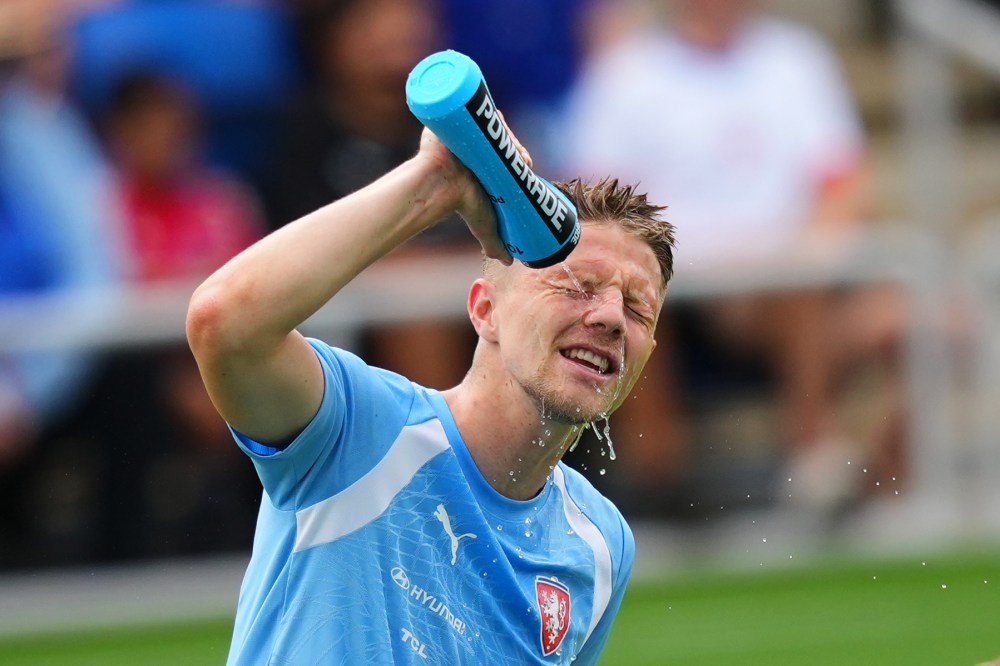
Some cities and stadiums have increased access to shade, cooling areas and water for spectators and workers and have said they’ll issue heat notifications to the public. Medical personnel will also be stationed and available in FIFA Fan Festivals and around stadiums during matches to manage heat-related illnesses.
Tips for staying safe in the heat
Drinking plenty of fluids, seeking shade or air-conditioning and staying out of the sun can help protect you from heat. If you have to be outside, wear light and loose-fitting clothing and limit strenuous activities during the hottest times of the day. Use cooling fans or towels and drink slushies or other icy beverages.
Limit the amount of alcohol you drink and hydrate before it gets really hot, said Maggie Aldousany, associate clinical professor in the Department of Kinesiology and Sport Sciences at the University of Miami.
“It’s really important to realize that it’s not enough to wait to get thirsty.” she said, adding, “Even if you’re going to go to one of the games in person or you’re going to go celebrate in your hometown or have a backyard barbecue, you make sure that you’re considering hydration even the couple days leading up to it and not just waiting until the morning of or until the event itself.”

Spectators can check if they’re adequately hydrating by looking at the color of their urine — a light yellow is a good sign.
People on certain medications, older people and those who aren’t heat-acclimated are among the most at risk.
“If somebody realizes that they’re hot, but they’re not sweating, or if they begin to feel a little bit dizzy, those are some signs that they really need to take a break, get inside, find some cooling, and drink plenty of water,” said Cornish. “And if they really begin to experience significant symptoms, they need to seek medical attention right away.”
___
The Associated Press receives support from the Walton Family Foundation for coverage of water and environmental policy. The AP is solely responsible for all content. For all of AP’s environmental coverage, visit https://apnews.com/hub/climate-and-environment
Related Articles
Lamine Yamal is healthy enough to play full matches for Spain in knockout rounds, De La Fuente says









Advertisement Advertise With Us
Advertisement Advertise With Us