Applied commerce
Please review each article prior to use: grade-level applicability and curricular alignment might not be obvious from the headline alone.

Food inflation expected to jump in January amid tax changes: economists
4 minute read Preview Wednesday, Feb. 18, 2026
Food-culture extremes reverberate back to farm
4 minute read Preview Saturday, Feb. 14, 2026
Eviance to develop success strategy for women entrepreneurs with disabilities
3 minute read Preview Friday, Feb. 13, 2026
Romance bookstore Bound to Please finds its niche alongside horror-, crime-focused peers in Winnipeg
5 minute read Preview Friday, Feb. 13, 2026
Elmwood students’ clothing venture instils pride, breaks down stereotypes in blue-collar neighbourhood
8 minute read Preview Friday, Feb. 13, 2026
More Canadian athletes powered by artificial intelligence at Winter Games
5 minute read Preview Wednesday, Mar. 11, 2026AI a potent wedge issue in U.S. midterms
5 minute read Friday, Feb. 13, 2026Americans head to the polls again in November with no shortage of issues at stake. The White House’s weaponization of tariffs, immigration crackdown, government purges and foreign adventurism have roiled the nation. But calls to rein in artificial intelligence (AI) may ultimately gain the most traction for candidates.
The Trump administration’s AI Action Plan, released last summer, promises to assert U.S. technological dominance at breakneck speed. The strategy vows Washington will dismantle barriers to data centre construction, eliminate a raft of “woke” safety measures and lean on other nations to buy American tech.
Silicon Valley evangelists have fully bought in. Amazon, Meta, Google and Microsoft alone have announced US$650 billion in AI-related spending for 2026. That eclipses the GDP of countries such as Israel or Norway. It also doesn’t factor in other venture capital investments elsewhere, or outlays from OpenAI, Anthropic or the Elon Musk-owned xAI.
A market strategist told the Wall Street Journal last month that the U.S. could plausibly be in a recession if it weren’t for AI investments. Although this isn’t necessarily a good thing. America’s economic growth “has become so dependent on AI-related investment and wealth,” the paper reported,” that if the boom turns to bust, it could take the broader economy with it.”

Loblaw and OpenAI partner to integrate PC Express into ChatGPT
4 minute read Preview Friday, Mar. 6, 2026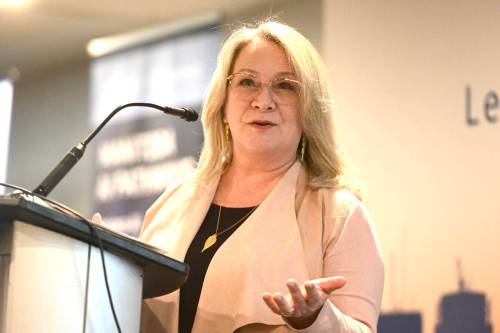
Manitoba chambers rolls out AI adoption training assessment tool
4 minute read Preview Wednesday, Feb. 11, 2026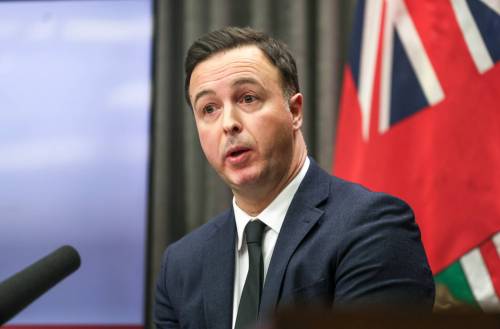
Manitoba to study food prices
5 minute read Preview Wednesday, Feb. 11, 2026
Energy sector’s interest in Churchill heating up: Kinew
7 minute read Preview Wednesday, Feb. 11, 2026
Kraft Heinz pauses plans to split into 2 companies, says its problems are ‘fixable’
4 minute read Preview Saturday, May. 9, 2026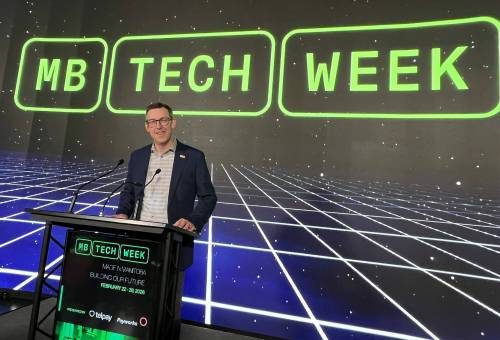
Focus on local ‘fertile ground’ at 3rd annual MbTech Week
4 minute read Preview Tuesday, Feb. 10, 2026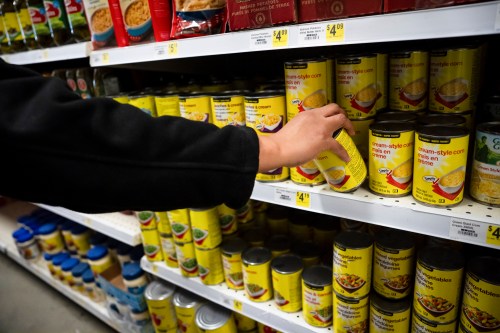
B.C. organization enters debate on government-run grocery amid rising food costs
7 minute read Preview Wednesday, Mar. 4, 2026
Winnipeg-based tech firm Taiv closes US$13M growth round
3 minute read Preview Tuesday, Feb. 10, 2026
Google, Meta, push back on addiction claims in landmark social media trial
7 minute read Preview Tuesday, Mar. 3, 2026
Province’s Indigenous tourism industry growing
5 minute read Preview Monday, Feb. 9, 2026
Channelling anger productively: understand it, handle it, grow from it
6 minute read Preview Saturday, Feb. 7, 2026Our province has set its sights on net-zero emissions by 2050. Manitoba’s Path to Net Zero provides a strong start: a clear target, guiding principles and a broad menu of potential actions. But specific action plans were deferred to this spring, leading some to question the sincerity of the commitment.
Indeed, with only 24 years left, Manitoba needs more than a list of projects. It needs durable drivers — mandates, regulations, empowered planning and delivery, innovation and smart economics — that steer every major energy decision toward a just, affordable, low-carbon future.
Right now, those drivers are missing. Here is a checklist (with completion dates) of those that need to be created for the energy sector.
First, regulation: Action 1 (2026): Modernize governing legislation for Manitoba Hydro, Efficiency Manitoba and the Public Utilities Board (PUB) to align mandates with net zero. Letters from a minister are not substitutes for legal mandates adjudicated before the PUB.

Small businesses weigh cost of carrying credit card fees, possibility of cash-only crime
7 minute read Preview Friday, Feb. 6, 2026
Canadian Tire ordered to pay nearly $1.3 million for false advertising
2 minute read Preview Saturday, Feb. 7, 2026Palliser Furniture issues layoffs amid U.S. tariffs pressure
4 minute read Friday, Feb. 6, 2026Winnipeg-based manufacturer Palliser Furniture has laid off staff as tariffs continue to impact the furniture industry.
Some 40 workers have been let go from the company, known for its upholstered furniture and eight-decade history in the city. It supplies retailers including EQ3, a brand which it owns.
At the same time, Palliser Furniture is hiring 20 people to fill different manufacturing roles at its Winnipeg plant. The company also has a manufacturing operation in Mexico.
The restructuring is the result of the 25 per cent tariffs U.S. President Donald Trump implemented in October on kitchen cabinets, bathroom vanities and upholstered furniture, said Peter Tielmann, president and CEO of Palliser Holdings Ltd.

‘Just wasn’t enough business’: East Exchange grocer Ashdown Market closes doors
5 minute read Preview Thursday, Feb. 5, 2026