Global Issues
Please review each article prior to use: grade-level applicability and curricular alignment might not be obvious from the headline alone.

Icelandic voters reject a proposal to restart negotiations to join the European Union
5 minute read Preview Monday, Sep. 21, 2026Gaza reporter’s Muslim faith helps him as journalist
5 minute read Saturday, Aug. 29, 2026“We are not numbers.”
That’s what Diaa Ostaz, a reporter in Gaza for ONE Magazine — the official publication of the Catholic Near East Welfare Association — and for ABC News, said earlier this month during a Zoom recording from the territory.
Ostaz, 26, was speaking about the many who have died in Gaza since October, 2023. According to the United Nations, that’s over 73,000 people killed and more than 173,000 injured since that time. At least 20,000 of the dead are children, with more than 44,000 injured.
The numbers of killed and injured in Gaza are staggering, but people there are not statistics, Ostaz said.
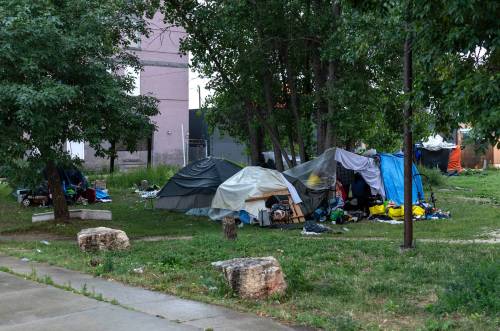
City advised 275 people in 72 camps as of July
5 minute read Preview Friday, Aug. 28, 2026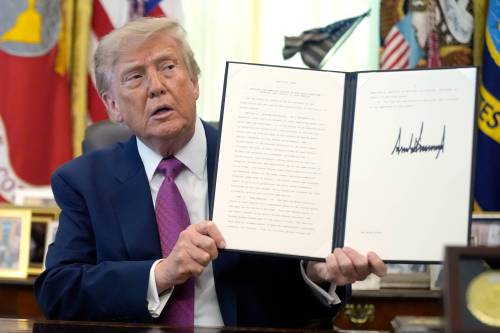
Carney’s defence of Lake Ontario carries enormous weight
5 minute read Preview Friday, Aug. 28, 2026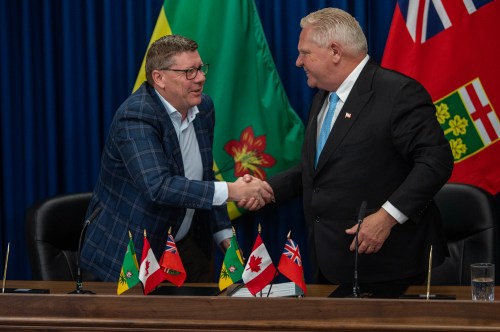
Premiers at odds over leveraging potash in Canada’s trade war with U.S.
4 minute read Preview Sunday, Aug. 30, 2026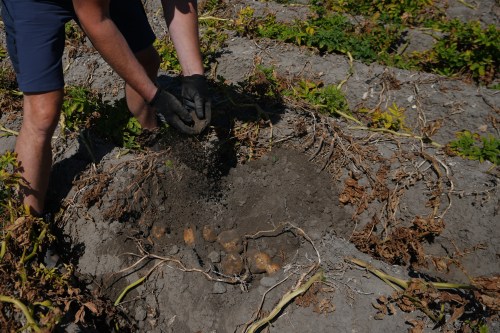
United Nations talks in Mongolia expose growing drought crisis as climate impacts worsen
5 minute read Preview Wednesday, Sep. 23, 2026All for one — except for one
5 minute read Friday, Aug. 28, 2026Danielle Smith needs to read the room, knock off her cheesy and destructive political posturing, set aside her grievances and stand with the rest of us to fight this thing.
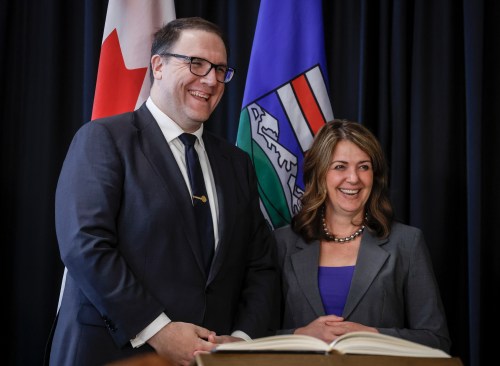
Middle East war, oil prices expected to push Alberta’s budget back into the black
4 minute read Preview Saturday, Aug. 29, 2026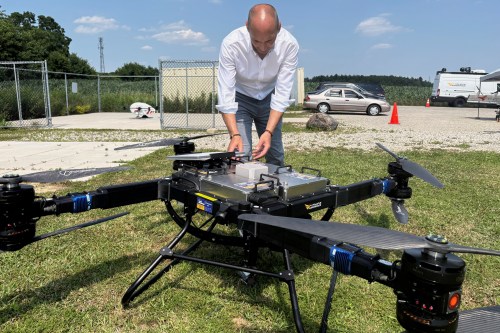
Canada is bolstering its defense industry as US relations fray. A boom is on for local contractors
6 minute read Preview Friday, Sep. 18, 2026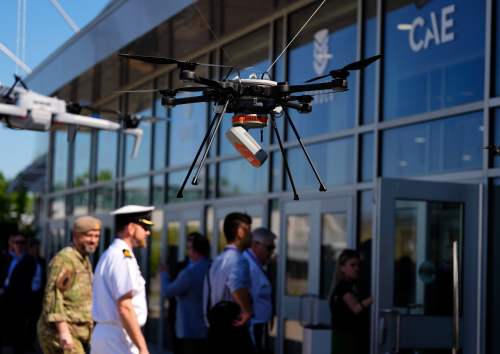
Canadian Army looking for surveillance, cargo-drop drone suppliers
3 minute read Preview Saturday, Aug. 29, 2026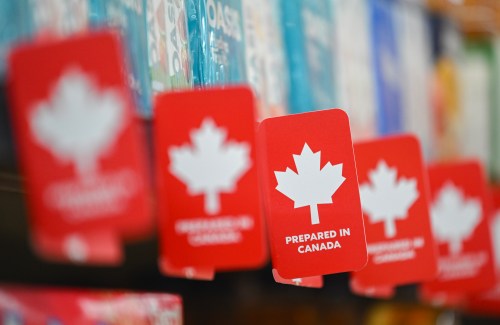
Buy Canadian: Purchasing patriotism sees renewed push amid rising tariffs
4 minute read Preview Saturday, Aug. 29, 2026
New U.S. tariffs and trade tensions are ‘manageable,’ says Scotiabank CEO
5 minute read Preview Saturday, Aug. 29, 2026The health of water
4 minute read Tuesday, Aug. 25, 2026As World Water Week kicks off, I have been greatly heartened to discover that, right here in Manitoba and even across Canada, there’s a broad consensus that we need more — and better — solutions to the water crises we’re currently facing.
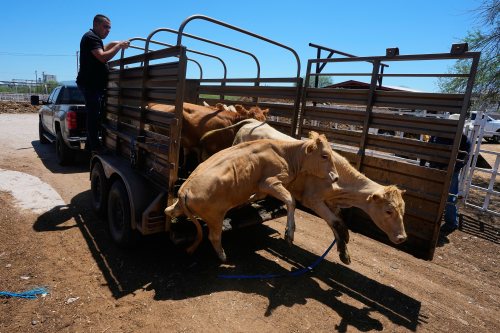
Mexico resumes limited cattle exports to US after screwworm pause, relieving ranchers
3 minute read Preview Monday, Sep. 7, 2026
Earth is simmering in its hottest water temps on record, and that’s bad for fish and us
5 minute read Preview Tuesday, Sep. 15, 2026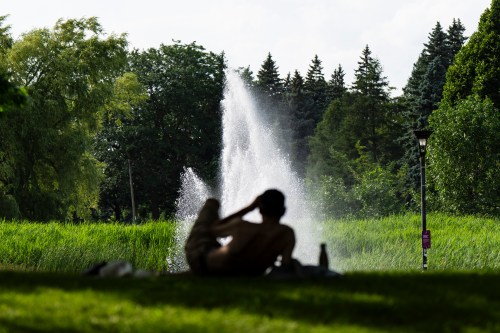
Quebecers support a right to cooling during heat waves, poll finds
4 minute read Preview Tuesday, Sep. 15, 2026
Small businesses at front lines of tariff war, as many lose sales
5 minute read Preview Tuesday, Sep. 15, 2026Slavery: Getting the history wrong
5 minute read Saturday, Aug. 22, 2026“I think that there’s a strategy to divide and conquer and to create a very contrived confusion,” said Samuel Okuzeto Ablakwan, Ghana’s foreign minster. “We denounce and totally reject those claims that Africans are as guilty and complicit as those who masterminded this whole atrocity.”
He’s wrong, of course, but it’s still a common delusion.
Ablakwan has been given special responsibility by the African Union to be ‘champion for reparatory justice’ for three centuries of the transatlantic slave trade, and claims that “Ghana was the crime scene.” (An estimated 15 per cent of the African slaves sent west came from Ghana.)
Some of the ‘reparations’ demanded are easy to make. An apology is always welcome, even if it’s only for the deeds of your ancestors. It’s not really your fault, and apologies are free.
Members of Baha’i faith suffer intense persecution in Iran
5 minute read Saturday, Aug. 22, 2026The war between the U.S. and Iran has put some of us in an uncomfortable position.
On the one hand, we can feel like cheering on the Iranians as we watch them stand up to the American bully. It’s like the enemy of my enemy is my friend, as the old saying goes.
On the other hand, Iran doesn’t feel like much of a friend because of its terrible human rights record — including its treatment of religious minorities in that country such as Christians, Jews and Baha’is.
Those abuses only seem to be increasing due to the war. The United Nations has condemned the Iranian government for how it is treating religious minorities during this time, saying it is using the war as “a smokescreen to deepen their machinery of repression and carry out crimes under international law with impunity.”
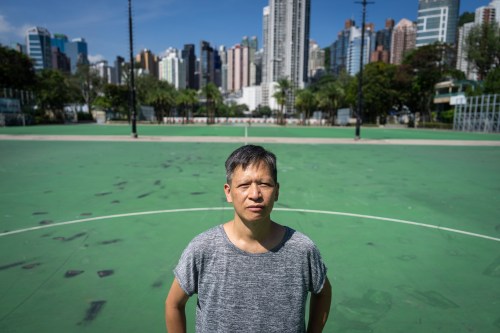
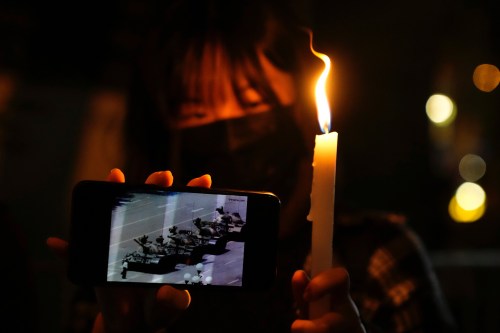
Former Hong Kong vigil organizer strives to mark Tiananmen crackdown despite convictions
5 minute read Preview Monday, Sep. 14, 2026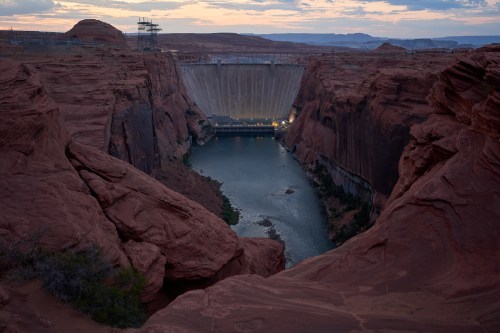
Federal officials announce water cuts as Colorado River supplies continue to plunge
4 minute read Preview Saturday, Aug. 22, 2026Educated people vote
5 minute read Friday, Aug. 21, 2026I add my voice to Erna Buffie’s Think Tank piece “Democracy is a civic election issue” (Aug. 13) by asserting that democracy is a public education issue. Put another way, this fall’s municipal and school board elections are a test of public education — educating democratic citizens who appreciate our democratic inheritance enough to take responsibility for renewing it.
Private governance or public good
5 minute read Friday, Aug. 21, 2026The Manitoba government recently held public forums to discuss regulations for Bill 51, the Public Sector Artificial Intelligence and Cybersecurity Governance Act. I was able to participate in the meeting in Brandon and there was also a session in Winnipeg.
I was a bit fired up, ready to rail about data centres and phone terms and conditions and generally give it to big tech. The discussion, however, was focused on what the public sector responses should be regarding cybersecurity, data and privacy protections, and AI usage in government.
With all the recent attention on social media bans, the harms of AI, misinformation and the like, I was somewhat disappointed that these would not be tackled directly in this meeting. Those issues may be discussed at future forums.
At this event, as focus groups developed responses, the discussion between private companies and public governance kept getting mixed in, pointing out the reliance of government services on private companies in running their digital operations. As government operations become more dependent on digital infrastructure and towards AI agency and control, rethinking how technology is implemented may be crucial to our democracy.