Family Studies
Please review each article prior to use: grade-level applicability and curricular alignment might not be obvious from the headline alone.

Does Wealthsimple want to add sports, politics to its new prediction markets product?
5 minute read Preview Monday, Aug. 10, 2026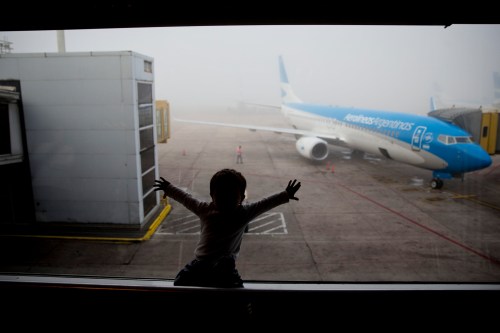
With the right preparation, international trips with babies are possible and even fun
5 minute read Preview Saturday, Aug. 15, 2026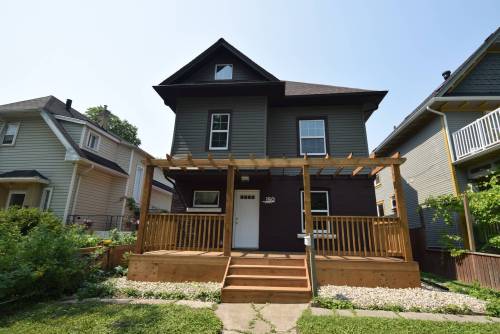
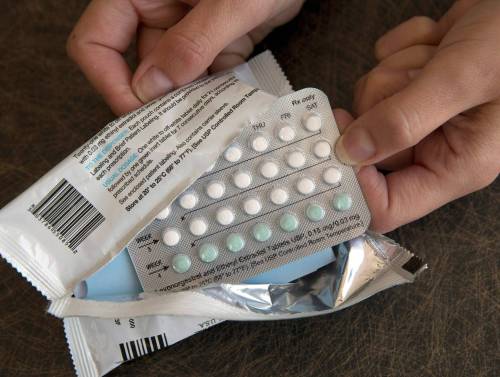
Province allows pharmacists to prescribe birth control; more services coming, Asagwara says
4 minute read Preview Friday, Aug. 7, 2026
Can federal legislation effectively rein in social media’s opaque algorithms and deceptive design features?
12 minute read Preview Friday, Aug. 7, 2026
Some US adults are using AI for financial guidance but few trust it, Gallup poll finds
4 minute read Preview Monday, Aug. 10, 2026
Court orders Instagram and Facebook’s Meta to pay $567M to address kids’ mental health online
5 minute read Preview Saturday, Aug. 29, 2026Brandon clears way for affordable housing project
3 minute read Thursday, Aug. 6, 2026BRANDON — The City of Brandon and the government of Manitoba hope to alleviate homelessness with a housing complex near the Brandon hospital.
A residential building with up to 48 units is being planned for a city-owned lot at 705 Rideau St., the City of Brandon said in a news release Wednesday.
The project, described as “a significant milestone in the community’s efforts to end homelessness,” will include supports for those transitioning into housing.
Housing, Addictions and Homelessness Minister Bernadette Smith called it part of a “historic surge in affordable housing across Manitoba.”
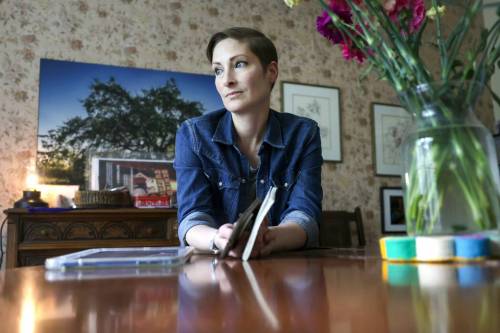
U of M researchers studying ‘digital legacy planning’ before death
6 minute read Preview Wednesday, Aug. 5, 2026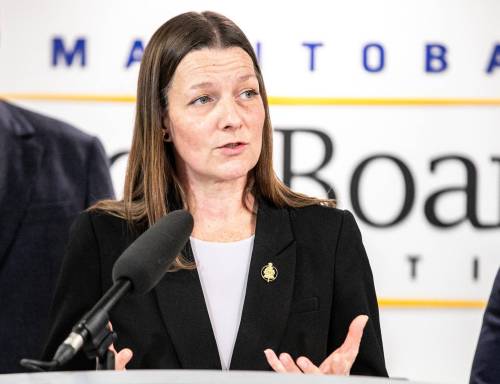
Government overrides school board in ‘mature minor’ controversy
5 minute read Preview Tuesday, Aug. 4, 2026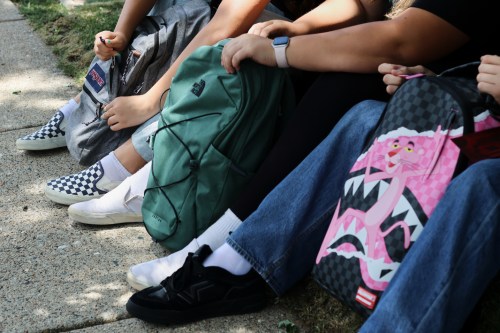
School backpack overload: Heavy bags can strain kids’ bodies
5 minute read Preview Monday, Aug. 31, 2026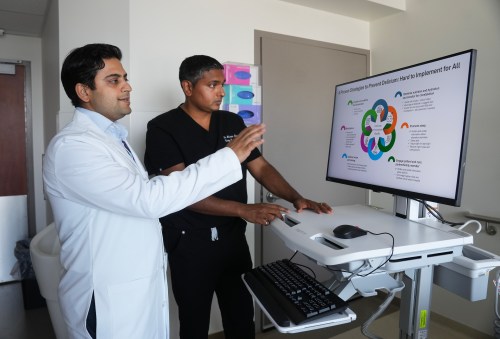
Delirium is often missed by health providers. Could an AI risk predictor help?
7 minute read Preview Monday, Aug. 10, 2026Meeting the needs of disabled Indigenous children
5 minute read Tuesday, Aug. 4, 2026Navigating Manitoba’s disability services is difficult under the best circumstances.

Long journey to home ownership for Eritrean couple
4 minute read Preview Saturday, Aug. 1, 2026
Plot an effective ‘retirement plan’ for your body
8 minute read Preview Saturday, Aug. 1, 2026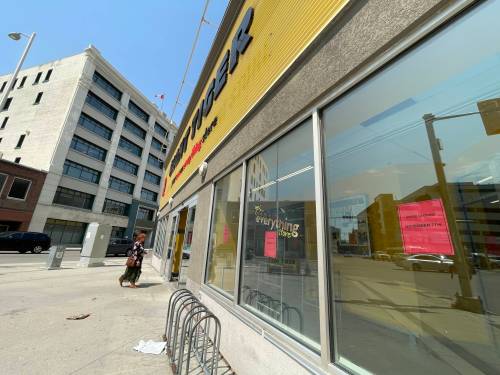
Giant Tiger decision creates giant void for desperate population
5 minute read Preview Friday, Jul. 31, 2026Keep free youth transit simple
4 minute read Friday, Jul. 31, 2026For too many young Winnipeggers, the cost of a bus pass is a barrier. It can mean missing a class, turning down a job opportunity or staying home from a program that could change their future.
Free transit for youth in Winnipeg is a transformational policy that will pay dividends for decades to come — advancing key environmental, educational and poverty reduction goals in our communities.
As champions for young people across our city, BGC Winnipeg and the YMCA-YWCA of Winnipeg commend Premier Wab Kinew and Mayor Scott Gillingham for recognizing that investing in young people is investing in Winnipeg’s future. By uniting to make transit free for youth across Winnipeg, both levels of government are delivering a forward-thinking policy that has the potential to have generational impact.
At a time when families are stretched to their limits by inflation, free transportation for youth offers real, immediate relief.
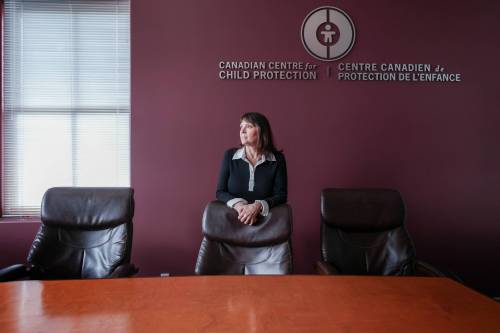
Manitoba law meant to aid survivors of child sexual abuse imagery has never been put to the test
8 minute read Preview Thursday, Jul. 30, 2026
Get a little culture: Folklorama celebrates 55 years
6 minute read Preview Friday, Jul. 31, 2026Tanning is getting hot again. Here’s what it really does to your skin
6 minute read Tuesday, Aug. 25, 2026Nichole Sims started using a tanning bed at 15 because she said everyone around her was doing it, especially before events like homecoming dances and prom.
Eight years later, she was diagnosed with melanoma — a potentially life-threatening skin cancer.
During that time, Sims has seen tanning become even more popular among young people online. She tries to counter the misinformation on social media that touts tanning as a mood booster and beauty requirement by sharing her own experience.
“I just feel like our generation doesn’t really look into a lot of risks. They just kind of live in the moment," Sims said.
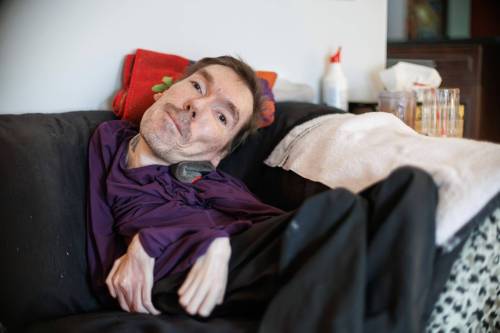
Gaps in homecare leave Winnipeg man in perilous situation
4 minute read Preview Wednesday, Jul. 29, 2026Bracket creep: A stealthy tax increase
4 minute read Wednesday, Jul. 29, 2026About $2,100. That’s how much Premier Wab Kinew’s bracket creep tax hike could cost your family by 2030, depending on how much you make.
Bracket creep is an income tax hike that happens when the government stops indexing tax brackets to inflation. That means that after getting a cost-of-living raise, taxpayers can be bumped into a new tax bracket and have their tax bill increased even though they can’t afford to buy more.
Think about it this way: A raise that only covers higher grocery prices isn’t a real raise. You’re not richer. Your cart costs the same. But the bigger number on your paycheque bumps you into a higher bracket. That means higher taxes on a paycheque that buys the exact same number of groceries as last year.
That’s why most provincial governments and the federal government adjust income tax brackets with inflation.
What to know about postpartum psychosis, which can affect a new mom’s sense of reality
4 minute read Preview Saturday, Aug. 22, 2026