Family Studies
Please review each article prior to use: grade-level applicability and curricular alignment might not be obvious from the headline alone.
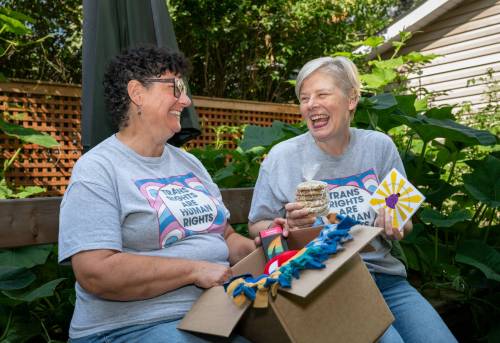
Advocate assembles gift bundles for Trans Day of Remembrance
6 minute read Preview Saturday, Aug. 29, 2026
Summer Reading Challenge concludes with more musings from young readers
8 minute read Preview Saturday, Aug. 29, 2026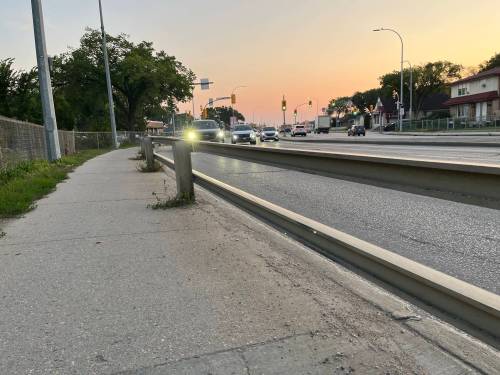
The silent stalker overtaking our sidewalks
5 minute read Preview Saturday, Aug. 29, 2026
Money struggle is real
6 minute read Preview Saturday, Aug. 29, 2026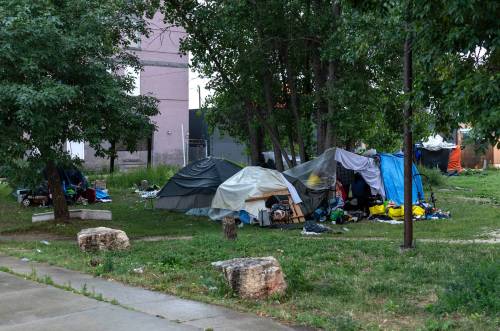
City advised 275 people in 72 camps as of July
5 minute read Preview Friday, Aug. 28, 2026
New Brunswick banning student phone use in public schools
2 minute read Preview Monday, Aug. 31, 2026
NDP trying to solve health-care problems from every angle — except the one likely to have the biggest impact
5 minute read Preview Friday, Aug. 28, 2026
Canada’s economy was surging in Q2. Now, it braces for new tariff headwinds
6 minute read Preview Sunday, Aug. 30, 2026
Meta settlement should be first of many
4 minute read Preview Friday, Aug. 28, 2026Treating symptoms, not the disease
4 minute read Friday, Aug. 28, 2026The backlog in emergency rooms in Manitoba stems from problems before and after the ER, not in the ER.
In Tom Brodbeck’s piece on the chronic and rising emergency room crisis in Winnipeg (Condition critical, Aug. 21) he quoted several experts who alluded to the backlog of accessible beds, beds needed so that acutely ill people can be moved out of the ER onto hospital wards.
This is a problem of an acute-care bed shortage in the acute-care hospitals and a long-term care bed shortage outside of the acute-care hospitals, where patients who no longer need acute care should be.
One major problem not addressed in Brodbeck’s article is the care required to reduce patients’ perceived or real need to come to the ER.
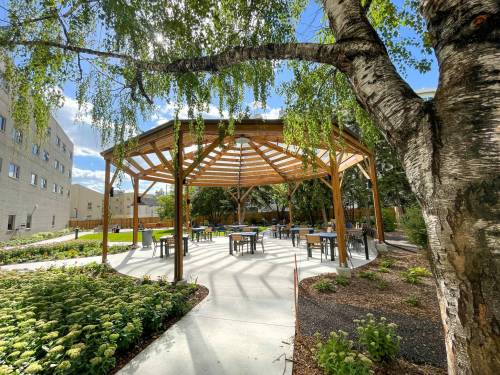
Doctor pays $500K to revamp courtyard at care home where he works
4 minute read Preview Thursday, Aug. 27, 2026
Province announces phys-ed curriculum overhaul
6 minute read Preview Thursday, Aug. 27, 2026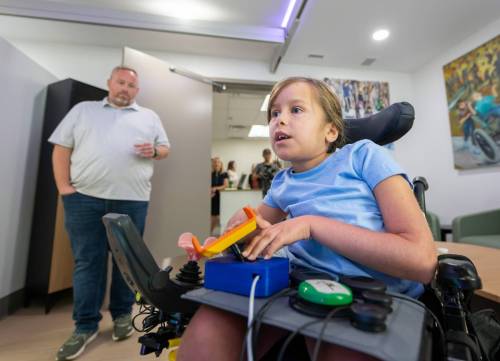
Smart Suite lets families of children with disabilities learn how adaptive design, tech can improve their lives
4 minute read Preview Wednesday, Aug. 26, 2026
Grocers revive signage to indicate tariff-affected items, Canadian products
5 minute read Preview Saturday, Aug. 29, 2026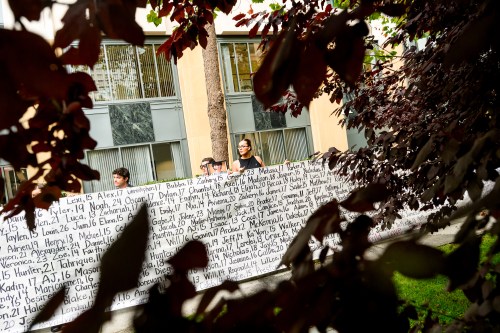
Meta reaches landmark $18 billion settlement with states in trial over teen social media addiction
7 minute read Preview Saturday, Aug. 29, 2026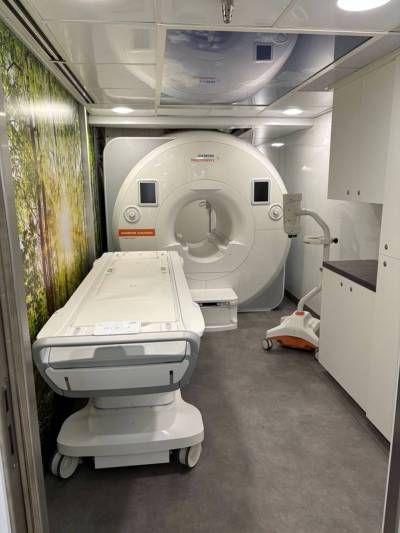
Northern Manitoba mobile MRI makes first move in 15 months
4 minute read Preview Wednesday, Aug. 26, 2026
Waverley West council candidates say city services haven’t kept up with fastest-growing ward
5 minute read Preview Thursday, Aug. 27, 2026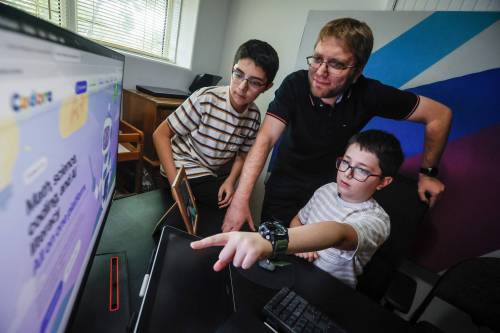
Software engineer who built lessons on AI for kids was ‘terrified’ into action
5 minute read Preview Tuesday, Aug. 25, 2026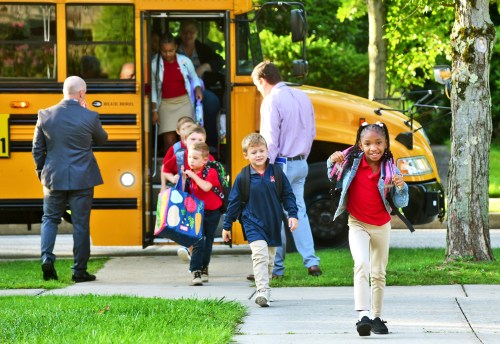
How to reset your child’s sleep schedule for back-to-school season
4 minute read Preview Monday, Aug. 31, 2026
Library opera shows let kids take control of the action
4 minute read Preview Tuesday, Aug. 25, 2026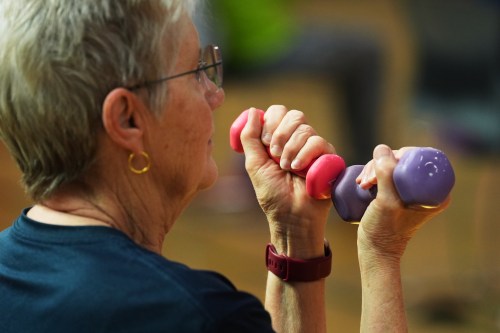
Mobility tests can tell doctors a lot about how you’re aging, but there are many other factors
5 minute read Preview Tuesday, Aug. 25, 2026
Ahava Rabba’s alternative service attracts alternative Jews
5 minute read Preview Saturday, Aug. 22, 2026‘We need accountability’: foster parents, advocates rally for action at legislature
4 minute read Friday, Aug. 21, 2026Demonstrators rallied at the Manitoba legislature Friday, calling the abuse and death of children in care a “state of emergency.”
“These things continue to happen,” said Donna Dumas, a former foster parent of a child with special needs.
She pointed to the Aug. 9 death of a four-year-old girl in care on Long Plain First Nation. Two of the girl’s sisters, aged one and two, were hospitalized with injuries. The children’s mother, who was at Friday’s rally, previously told the Free Press she was working to get her kids back in her care after they were apprehended in October 2025.
Family reunification advocate Cheryl Wozniak said the NDP government was expected to help return children to their families.